How to Choose a Medical Malpractice Attorney in Maryland
To choose a medical malpractice attorney in Maryland, prioritize candidates with a dedicated focus on medical negligence and a documented history of winning verdicts in Maryland Circuit Courts. You must verify their ability to fund exp...
To choose a medical malpractice attorney in Maryland, prioritize candidates with a dedicated focus on medical negligence and a documented history of winning verdicts in Maryland Circuit Courts. You must verify their ability to fund expensive litigation, their access to board-certified medical experts, and their mastery of Maryland’s unique contributory negligence and expert certification statutes.
Contents
Medical malpractice litigation in Maryland is exceptionally complex due to stringent procedural requirements and a legal doctrine that favors defendants more than in almost any other state. In 2026, the landscape for healthcare litigation continues to evolve, with specific caps on non-economic damages and rigorous standards for expert testimony. Selecting the wrong representation does not just risk a lower settlement; it often results in a case being dismissed before it ever reaches a jury.
Understanding the Maryland Legal Landscape for Malpractice
Before evaluating individual attorneys, it is essential to understand the specific legal environment in which they operate. Maryland is one of the few remaining jurisdictions that adheres to the doctrine of contributory negligence. Unlike "comparative negligence" states where you can recover damages even if you were partially at fault, in Maryland, if a defendant can prove you contributed even 1% to your own injury, you may be completely barred from recovering any compensation.
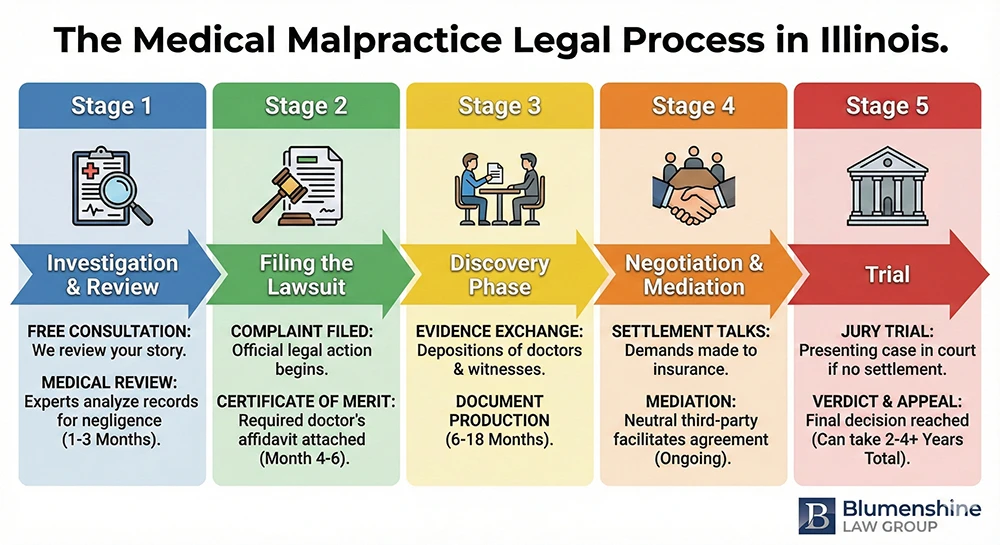
Furthermore, Maryland requires all malpractice claims to be filed initially with the Health Care Alternative Dispute Resolution Office (HCADRO). While most parties waive arbitration to proceed to Circuit Court, the procedural hurdles—specifically the filing of a Certificate of Qualified Expert within 90 days of the complaint—are minefields for inexperienced general practice lawyers.
The Significance of the Certificate of Qualified Expert
An attorney must have a network of medical professionals ready to review your records immediately. Maryland law (Maryland Courts and Judicial Proceedings Code § 3-2A-04) requires an expert in a related field to certify that the defendant breached the standard of care and that this breach proximately caused your injury. If your attorney chooses an expert who does not meet the "20% rule" (spending no more than 20% of their professional time on personal injury or malpractice testimony), your case can be dismissed with prejudice.
Key Criteria for Selecting Your Maryland Attorney
Selecting an attorney requires moving beyond flashy billboards and radio advertisements. You are looking for a legal architect who understands the intersection of medicine and Maryland law.
1. Proven Trial Experience in Maryland Circuit Courts
Many personal injury lawyers hold themselves out as "malpractice attorneys" but rarely, if ever, take a case to trial. They prefer quick settlements with insurance companies. However, insurance carriers keep "books" on plaintiffs' attorneys. If they know your lawyer is afraid of the courtroom or lacks the skill to win a jury verdict, their settlement offers will be significantly lower. Ask for a list of recent jury verdicts (not just settlements) specifically in Maryland counties like Baltimore City, Prince George’s, or Montgomery County.
2. Financial Resources to Fund the Case
Medical malpractice cases are incredibly expensive to litigate. Between 2024 and 2026, the costs of expert witness fees, medical record retrieval, and high-tech courtroom presentations have continued to rise. A standard case can easily require $50,000 to $100,000 in advanced costs. You need a firm with the "staying power" to fund these expenses through years of discovery. If a firm seems hesitant to commit to high-level experts, it may be a sign of financial instability that will compromise your outcome.
3. Deep Medical Knowledge and In-House Staff
The best Maryland malpractice firms often employ full-time medical doctors or registered nurses as legal consultants. These professionals perform the initial screening of your medical records to identify the specific moment the standard of care was breached. This internal expertise allows the attorney to speak the "language of medicine" when deposing defendant doctors, ensuring they cannot hide behind jargon or technicalities.
Comparing Attorney Qualifications
The following table outlines the differences between a general personal injury lawyer and a high-caliber Maryland medical malpractice specialist.
| Feature | General Personal Injury Lawyer | Specialized MD Malpractice Attorney |
|---|---|---|
| Primary Focus | Car accidents, slips, and falls | 90%+ Medical Negligence cases |
| Expert Network | Generalists or "expert mills" | Board-certified, practicing specialists |
| MD Law Mastery | Familiar with general tort law | Expert in § 3-2A-04 and HCADRO rules |
| Trial Frequency | High settlement rate, low trial rate | Known trial threat to insurance carriers |
| Financial Risk | May ask client to pay some costs | Operates on 100% contingency with advanced costs |
| Medical Staff | None (outsourced) | In-house MDs or RNs for case vetting |
The Initial Consultation: What to Ask
Most Maryland malpractice attorneys offer free initial consultations. This is your opportunity to interview them as much as they are interviewing you. Because of the statute of limitations (generally three years from the date of the injury or discovery, per Maryland Code § 5-109), you must act decisively but carefully.
Strategic Questions for Your Interview:
- "How many cases have you handled involving this specific medical condition or procedure?" (e.g., birth injuries, misdiagnosis of cancer, or surgical errors).
- "Who is the specific attorney who will be handling my depositions and trial?" Larger "TV firms" often sign you up with a senior partner but hand the actual work to a junior associate.
- "What is your success rate with the Maryland Health Care Alternative Dispute Resolution Office?"
- "Can you explain how Maryland’s non-economic damage cap applies to my specific case in 2026?"
Regarding the last point, as of 2026, the Maryland cap on non-economic damages (pain and suffering) for medical malpractice has adjusted upward according to statutory increases. An attorney who cannot immediately cite the current cap (approximately $920,000 for non-wrongful death cases in 2026) may not be sufficiently immersed in the field.
Navigating Fees and Contingency Agreements
In Maryland, almost all medical malpractice attorneys work on a contingency fee basis. This means they only get paid if they recover money for you. Traditionally, this fee is 33.3% to 40% of the gross recovery.
However, you must clarify how litigation expenses are handled. Some firms deduct expenses before the attorney’s percentage is calculated (which is better for the client), while others deduct them after. Ensure the agreement states that if the case is unsuccessful, you do not owe the firm for the thousands of dollars spent on expert witnesses. In 2026, reputable firms should absorb the risk of the litigation costs entirely.
Red Flags to Avoid
While searching, be wary of certain "warning signs" that indicate a firm might not be equipped for a high-stakes Maryland malpractice claim:
- Guarantees of Success: No ethical attorney can guarantee a result, especially in a contributory negligence state like Maryland where a single mistake by the plaintiff can end the case.
- Pressure to Settle Early: If the attorney pushes for a settlement before they have even finished reviewing the medical records or hired an expert, they may be looking for a "quick turn" rather than maximum value.
- Lack of Local Presence: While some national firms take cases in Maryland, you generally want an attorney who is a member of the Maryland State Bar Association (MSBA) and is familiar with the specific judges and jury pools in your jurisdiction.
Frequently Asked Questions
What is the statute of limitations for medical malpractice in Maryland in 2026?
Under Maryland Courts and Judicial Proceedings Code § 5-109, you must file a claim within five years of the time the injury was committed or three years of the time the injury was discovered, whichever is earlier. For minors, the clock generally starts ticking once they reach age 18, though there are specific exceptions for certain types of injuries.
Can I sue for a "bad result" even if the doctor didn't make a mistake?
No. In Maryland, a "bad outcome" is not the same as medical malpractice. You must prove the doctor deviated from the Standard of Care—meaning they did something (or failed to do something) that a reasonably competent healthcare provider in the same specialty would not have done under similar circumstances.
Why is Maryland’s "Contributory Negligence" rule so important?
This rule is a high hurdle. If a doctor claims you didn't follow post-operative instructions or were dishonest about your medical history, and a jury believes you were even 1% responsible for the complication, you receive $0. An experienced Maryland attorney knows how to preemptively defeat these "blame the patient" defenses.
How much does it cost to start a medical malpractice case in Maryland?
For the client, it should cost nothing upfront. A reputable firm will pay for all medical records, filing fees with the HCADRO, and expert witness fees. These costs are reimbursed to the firm only if they win your case.
Does it matter which county my case is filed in?
Yes. Maryland is divided into various judicial circuits. Jury behavior and "verdict tendencies" vary significantly between Baltimore City, which is often considered more favorable to plaintiffs, and more conservative jurisdictions like Carroll or Frederick Counties. Your attorney should have experience in the specific venue where your injury occurred.
Final Recommendation for 2026
When choosing a medical malpractice attorney in Maryland, look beyond the marketing. Verify their standing with the Maryland State Bar Association and check their ratings on peer-review platforms like Martindale-Hubbell or Super Lawyers. Your final choice should be a firm that treats your case as a clinical investigation, possesses the capital to fight a multi-year battle against hospital insurance companies, and demonstrates a transparent, mastery-level understanding of Maryland's procedural statutes.
Image Gallery