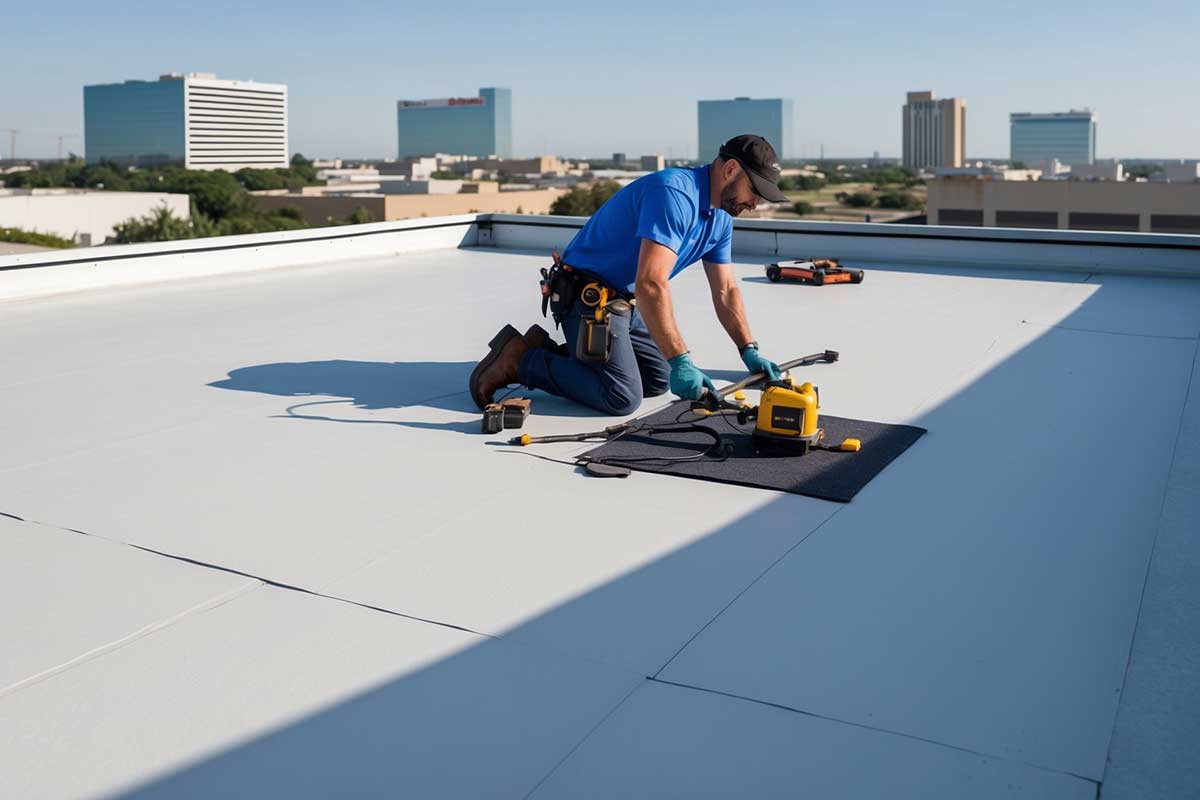
What Flat Roof Repair Contractors Do for Owners
Flat roof repair contractors provide essential diagnostic, restorative, and preventative services to maintain the integrity of low-slope roof assemblies. Unlike steep-slope roofs that rely on gravity to shed water, flat or low-slope ro...
Flat roof repair contractors provide essential diagnostic, restorative, and preventative services to maintain the integrity of low-slope roof assemblies. Unlike steep-slope roofs that rely on gravity to shed water, flat or low-slope roofs—common in commercial buildings and modern residential architecture—require specific waterproofing systems that function as a monolithic barrier. Contractors serve as the primary line of defense against water infiltration, which can lead to structural damage, insulation saturation, and interior mold growth.
Contents
The Core Functions of Flat Roofing Professionals
The primary mandate of a flat roof contractor is to ensure the watertight integrity of the building envelope. Because flat roofs are subject to ponding water, thermal expansion, and UV degradation, they require specialized maintenance protocols. Contractors move beyond simple patching; they manage the entire lifecycle of the roofing membrane through a series of technical interventions.
Diagnostic Inspection and Leak Detection
Before repairs occur, contractors conduct a comprehensive forensic assessment. This process often involves:
- Moisture Surveys: Using infrared thermography or nuclear moisture meters to detect trapped water within the insulation layers, which is often invisible to the naked eye.
- Seam Integrity Testing: Checking the bonded edges of membranes (such as EPDM, TPO, or PVC) to ensure adhesive or heat-welded joints have not failed.
- Drainage Analysis: Verifying that roof drains, scuppers, and internal gutters are free of debris and properly pitched to prevent standing water.
Targeted Patching and Seam Repair
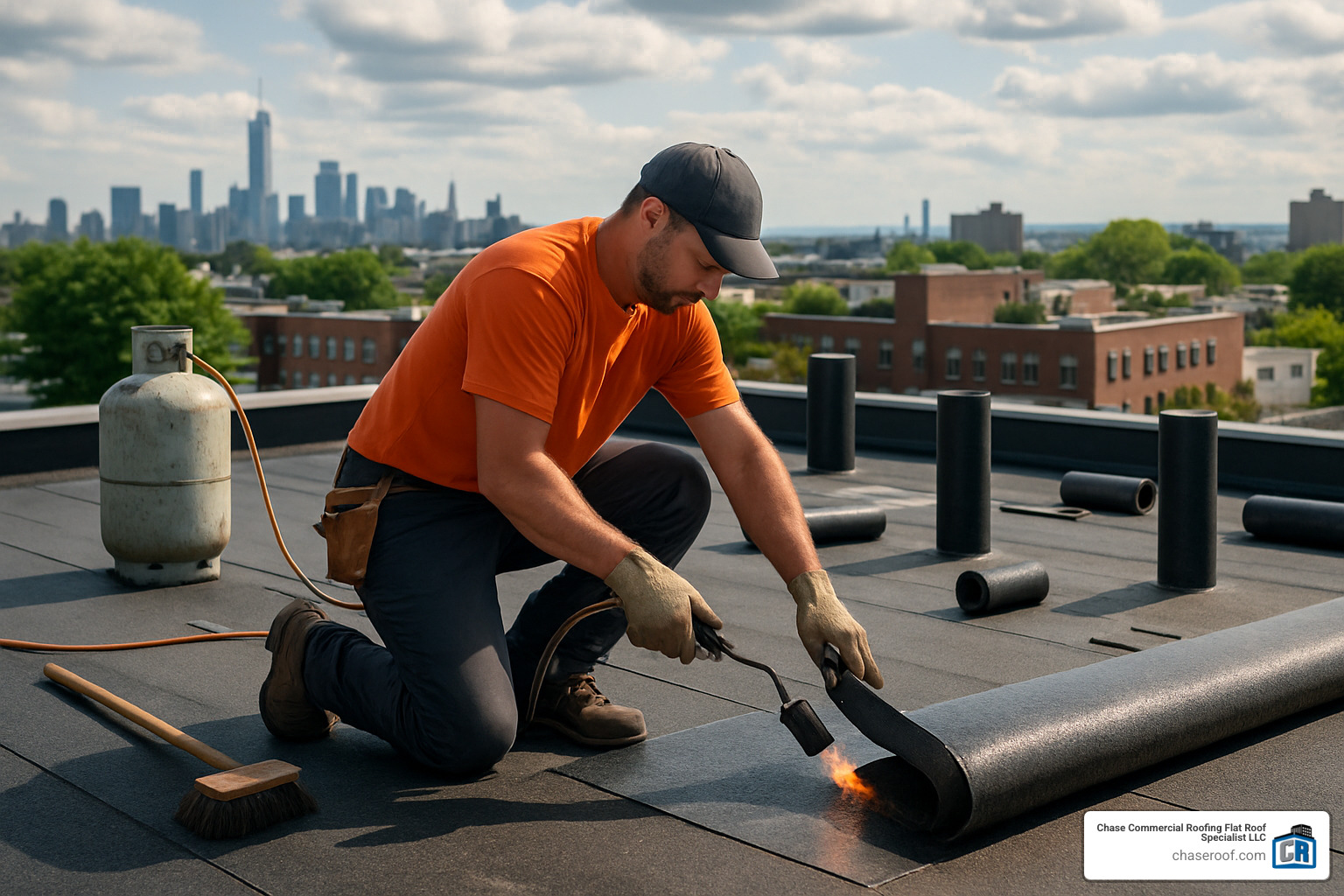
When minor defects are identified, contractors perform localized repairs to prevent moisture migration. For EPDM (ethylene propylene diene monomer) rubber roofs, this may involve cleaning the area with specialized solvents and applying reinforced pressure-sensitive patches. For thermoplastic systems like TPO (thermoplastic polyolefin) or PVC (polyvinyl chloride), contractors use hot-air welding equipment to fuse new material to the existing roof, restoring a monolithic surface.
Coating and Restoration Systems
In scenarios where the existing membrane is aging but structurally sound, contractors may recommend a liquid-applied roof coating. These systems, which include silicone, acrylic, or urethane coatings, are applied to the entire surface to create a seamless, reflective barrier. This process extends the lifespan of the roof by shielding the underlying material from further UV damage and filling micro-cracks that allow water entry.
Why Flat Roof Systems Require Specialized Intervention
Flat roofs operate under different physical stresses than pitched roofs. A contractor’s value lies in their understanding of these unique technical constraints:
- Thermal Movement: Low-slope roofs experience significant temperature fluctuations. During the day, the surface temperature can reach over 150°F, while it may drop significantly at night. Contractors ensure that flashings and curbs are designed to accommodate this constant expansion and contraction without tearing.
- Ponding Water Management: International Building Code (IBC) standards typically require roofs to have a positive slope to drainage. However, if a roof settles or structural shifts occur, ponding can result. Contractors assess whether the drainage system can be modified or if structural reinforcement is required.
- Flashing Complexity: A flat roof is rarely a perfect square; it is interrupted by HVAC units, chimneys, skylights, and vent pipes. Each of these penetrations creates a potential failure point. Contractors specialize in "flashing details"—the method of sealing these junctions—which is the most common site of roof leaks.
Comparison of Common Flat Roofing Repair Approaches
| Service Type | Primary Material | Best For | Typical Durability |
|---|---|---|---|
| Patching | EPDM/TPO/PVC Membrane | Pinpoint leaks, small punctures | 5–10 years |
| Coating | Silicone or Acrylic | Aging roofs with intact membranes | 10–20 years |
| Partial Re-roof | Modified Bitumen/TPO | Highly damaged sections | 15–25 years |
| Drain Clearing | Mechanical / Hydro-jet | Chronic ponding issues | Ongoing maintenance |
The Role of Preventative Maintenance Programs
The most effective contractors shift the relationship with property owners from "emergency response" to "asset management." Many commercial owners engage contractors on a recurring basis to perform preventative maintenance (PM). During these visits, the contractor cleans the roof surface, clears debris from scuppers and drains, and proactively seals areas showing early signs of degradation.
By catching issues such as blistering, ridging, or "fish-mouthing" (where seams separate) early, owners can defer the substantial capital expenditure of a full roof replacement. A well-documented maintenance program also helps maintain manufacturer warranties, which often stipulate that annual inspections by a certified professional are mandatory for the warranty to remain valid.
Selecting a Qualified Contractor
When vetting contractors for flat roof repair, property owners should look for specific credentials. Because roofing technology evolves, it is vital to verify that the company has experience with the specific material installed on the building.
- Manufacturer Certification: Major roofing material manufacturers offer training programs. A contractor that is a "Certified Installer" or "Master Elite" partner has undergone factory training and is audited on their installation quality.
- Liability and Coverage: Ensure the contractor carries comprehensive general liability and workers' compensation insurance. Roofing is inherently dangerous, and owners can be held liable for injuries if the contractor lacks proper coverage.
- Evidence of Local Code Knowledge: Every municipality has specific building codes regarding roof fire ratings, wind uplift resistance, and drainage capacity. A competent contractor understands these local mandates and pulls the necessary permits for any work performed.
Frequently Asked Questions
1. How often should I have a flat roof inspected? It is recommended to have a professional inspection at least twice a year—typically in the spring and autumn. This allows the contractor to identify debris accumulated during winter or prepare the roof for the heat stress of the summer.
2. Can I simply coat over a leaking roof? Not always. If the insulation underneath the membrane is saturated with water, applying a coating will trap that moisture inside, potentially accelerating the rot of the roof deck. A contractor must perform a moisture scan first to determine if the roof substrate is dry enough for a coating.
3. What is the difference between a patch and a recover? A patch is a small-scale repair for a specific puncture or seam failure. A recover (or re-roof) involves installing a new membrane over an existing one. Recovering is only possible if the building code allows it and the current roof structure can support the weight of the new layer.
4. Why is my roof pooling water after the repair? If a roof was installed with minimal slope, it may naturally hold water. However, if pooling has increased, it may indicate structural settling or blocked drainage. A contractor can evaluate if adding "tapered insulation" to create slope is a viable solution.
5. How do I know if I need a full replacement rather than a repair? If the repair costs exceed a significant percentage of a full replacement, or if the roof has experienced extensive failure across more than 25% of its surface area, it is often more cost-effective to replace the system entirely.
Next Actions for Property Owners
If you suspect a leak or are seeking to extend the life of your flat roof, start by reviewing your building's existing documentation. Locate any original warranties or recent inspection reports. Contact a licensed, insured roofing contractor to perform a moisture survey rather than a simple visual walk-through. Before signing any contract, verify their status as a manufacturer-approved installer for your specific roof system to ensure you protect your long-term investment.
Image Gallery