How to Get a Free Web Domain Without Cost in 2026
Obtaining a web domain without upfront costs is achievable through three primary methods: utilizing a subdomain from a website builder, bundling a domain with a web hosting package, or leveraging student developer programs. While compl...
Obtaining a web domain without upfront costs is achievable through three primary methods: utilizing a subdomain from a website builder, bundling a domain with a web hosting package, or leveraging student developer programs. While completely free "root" domains are rare and often carry risks, these established paths provide reliable entry points for personal and professional projects.
Contents
In 2026, the landscape of web identification has shifted toward security and verified ownership. While the "gold rush" of completely unencumbered free Top-Level Domains (TLDs) has largely subsided due to cybersecurity concerns, the infrastructure for supporting new creators has matured. Understanding the difference between a subdomain and a custom root domain is the first step in deciding which "free" path fits your specific needs.
Understanding the Difference: Subdomains vs. Custom Root Domains
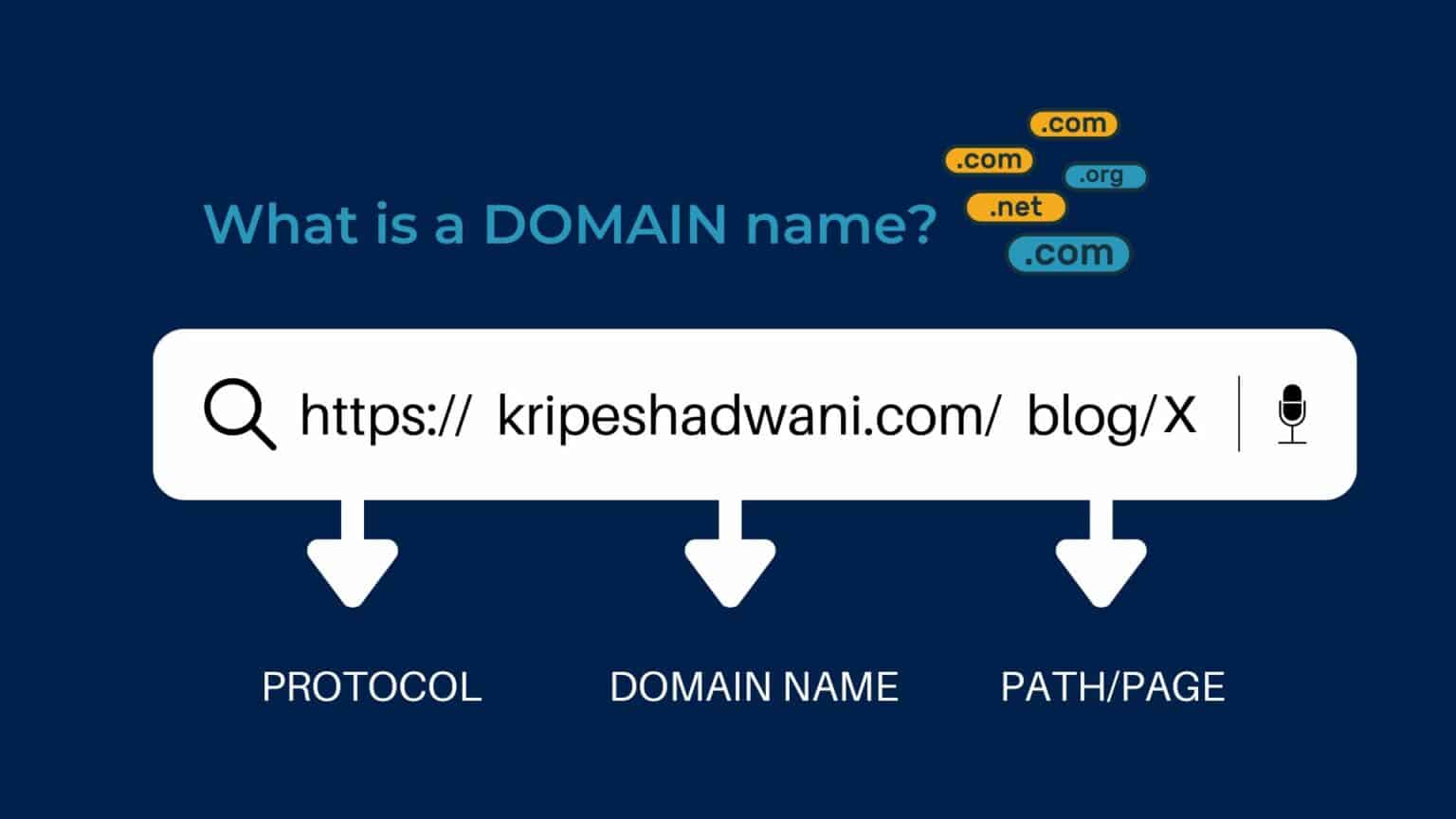
Before seeking a free domain, it is vital to distinguish between the two primary types of addresses you will encounter. A subdomain is a prefix added to an existing domain name (e.g., yourname.wordpress.com or yourproject.github.io). These are almost always free because you are technically using a "folder" or a "branch" of a domain owned by another entity.
A custom root domain is a unique address like yourname.com or yourbrand.org. These generally require registration with a registrar and the payment of annual fees to ICANN-accredited organizations. When a service offers a custom root domain for "free," it is usually a promotional offer where the service provider pays the registration fee on your behalf, typically in exchange for a long-term service commitment or as part of an educational grant.
The Trade-offs of Subdomains
Subdomains are the most accessible way to get online without a credit card. They are ideal for hobbyist blogs, temporary portfolios, or internal testing environments. However, they carry significant professional baggage. From an SEO (Search Engine Optimization) perspective, subdomains often struggle to rank as highly as root domains because the "authority" of the site is shared with the parent domain. Furthermore, if the parent service (like Wix or Weebly) shuts down or changes its terms, you have no legal ownership of that specific URL.
The Value of Custom Domains
Custom domains offer brand independence. If you get a free .com through a hosting provider, you typically own that identity. Even if you move your files to a different server later, the domain remains yours as long as you maintain the registration. In 2026, a custom domain is considered a baseline requirement for any entity seeking to establish trust with users.
Method 1: Using Website Builders for Permanent Subdomains
The most common way to get a functional web address without spending a cent is through "freemium" website builders. These platforms provide both the domain (as a subdomain) and the hosting environment in a single package.
WordPress.com
WordPress.com remains a dominant force in the free web space. When you sign up for a free account, you are granted a subdomain in the format sitename.wordpress.com.
- The Pros: It is incredibly stable, includes built-in security, and provides access to a simplified version of the WordPress ecosystem.
- The Cons: Your site will display WordPress-branded advertisements, and you cannot install custom plugins or advanced themes without upgrading to a paid tier.
Wix and Weebly
Platforms like Wix and Weebly offer highly intuitive "drag-and-drop" editors. Their free domains usually look like username.wixsite.com/sitename.
- The Pros: These are excellent for visual-heavy sites like artist portfolios.
- The Cons: The URLs are often long and difficult to remember. Additionally, these platforms are "walled gardens," meaning it is very difficult to migrate your site to another provider later if you outgrow the free plan.
GitHub Pages
For those with a more technical background, GitHub Pages is a premier choice. It allows you to host static websites directly from a GitHub repository. The domain provided is username.github.io. This is highly respected in the developer community and is completely free of third-party advertisements, making it a "cleaner" alternative to traditional website builders.
Method 2: Free Custom Domains via Web Hosting Bundles
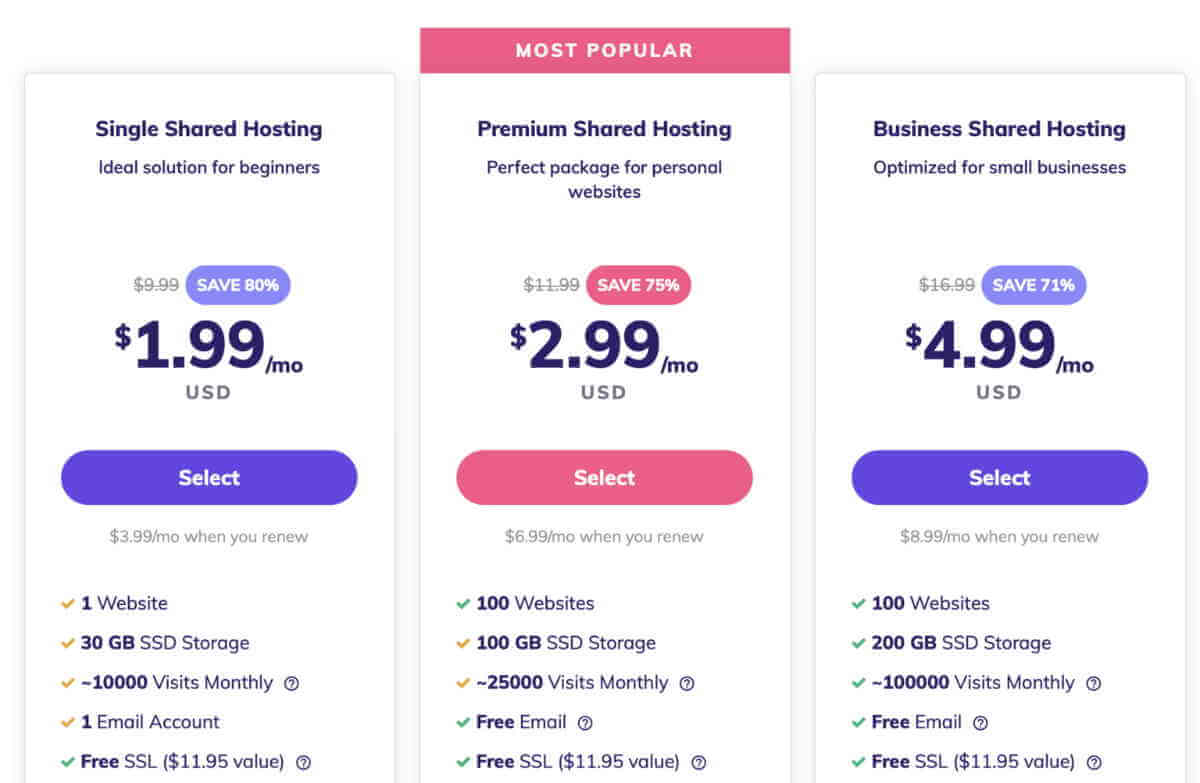
If you require a professional .com, .net, or .org extension but do not want to pay for the domain itself, the "Hosting Bundle" is the most effective strategy. While this requires paying for a hosting service, the domain registration fee (usually $15–$20 per year) is waived for the first year.
How the Bundle Works
Web hosting providers like Bluehost, HostGator, and DreamHost often use a free domain as a "loss leader" to attract new customers. When you sign up for a 12-month or 24-month hosting plan, the registrar covers the cost of your domain registration for the initial term.
Evaluating the Long-Term Cost
It is important to read the fine print. In 2026, most of these offers apply only to the first year. When the domain comes up for renewal, you will be billed at the standard market rate. To maximize the "free" aspect, look for providers that offer:
- Free WHOIS Privacy: This service hides your personal contact information from the public registry. Some registrars charge $10+ for this, while others include it for free.
- SSL Certificates: A domain is useless without an HTTPS prefix. Ensure the host provides a free Let's Encrypt SSL certificate.
| Provider Category | Example Service | Domain Type | Best For | Primary Limitation |
|---|---|---|---|---|
| Website Builder | WordPress.com | Subdomain | Bloggers | Branded ads on site |
| Cloud Hosting | GitHub Pages | Subdomain | Developers | Static content only |
| Shared Hosting | Bluehost / SiteGround | Custom (.com) | Small Business | Requires hosting purchase |
| Educational | GitHub Student Pack | Custom (.me/.tech) | Students | Limited to 1 year |
Method 3: Educational and Developer Programs
If you are a student or a member of a non-profit organization, there are specialized programs designed to grant you custom domains at no cost.
The GitHub Student Developer Pack
The GitHub Student Developer Pack is perhaps the most valuable resource for learners. By verifying your student status (usually with a .edu email address), you gain access to a suite of tools, including:
- One year of a .me domain registration via Namecheap.
- One year of a .tech or .site domain through various partners.
- Free cloud credits that can be used to host the site.
Non-Profit Grants
Organizations like Google for Nonprofits provide various digital credits to 501(c)(3) equivalents. While they primarily focus on "Workspace" tools and ad credits, these benefits often offset the costs of maintaining a web presence, and certain local registrars offer specialized "pro bono" domain registrations for verified charities.
Method 4: The Risks of "Completely Free" TLD Registries
Historically, registries like Freenom provided TLDs such as .tk, .ml, and .ga for free to anyone. However, by 2026, these services have faced significant legal challenges and technical instability.
Why "Totally Free" Can Be Dangerous
When you use a service that gives away a root domain with no strings attached, you are rarely the legal owner. The registry often retains the right to reclaim the domain if it gains significant traffic or if they decide to monetize it.
- Security Issues: Free TLDs are frequently used for spam and phishing. Consequently, many email providers and firewalls block these extensions by default.
- Lack of Support: If your site goes down or the domain is hijacked, there is typically no customer support to assist you.
- SEO Penalties: Search engines may treat certain free TLDs with suspicion, making it harder to reach a wide audience.
Technical Requirements and Setup
Once you have secured a free domain, there are several technical steps to ensure it functions correctly.
- DNS Configuration: If you got your domain from one source and hosting from another, you must point the Domain Name System (DNS) settings to your server. This involves updating the "Nameservers" in your registrar's dashboard.
- SSL Activation: Security is non-negotiable in 2026. Use Let's Encrypt, a non-profit certificate authority, to secure your domain with an SSL certificate at no cost. Most modern hosting panels have a "One-Click" Let's Encrypt installer.
- Email Forwarding: If you have a custom domain, you likely want an email address like
info@yourdomain.com. Services like ImprovMX or Zoho Mail (free tier) allow you to receive professional emails without paying for a full productivity suite.
Common Pitfalls to Avoid
The quest for a "free" domain is often met with hidden traps. Being aware of these can save you from unexpected charges and technical headaches.
- The Renewal Trap: Many "free for the first year" domains renew at much higher rates than the industry average. Check the renewal price before committing.
- Transfer Restrictions: Some registrars "lock" your domain for a specific period or charge a high fee if you try to move it to a different provider.
- Missing WHOIS Privacy: As mentioned earlier, if privacy isn't included, your home address and phone number may be listed in a public database, leading to an influx of telemarketing calls.
- Mandatory Ads: Some free domain providers inject their own code into your website to display pop-ups or banners. This can slow down your site and degrade the user experience.
Frequently Asked Questions
Can I get a .com domain forever for free?
No. There is no legitimate way to own a .com domain permanently for free. The registry (Verisign) charges an annual fee to ICANN for every .com in existence. Any "free" offer is either a temporary promotion, a subdomain, or bundled with another paid service.
Is a free subdomain bad for SEO?
It is not inherently "bad," but it is more difficult. Search engines like Google treat subdomains as part of the parent site's ecosystem. If you want to build long-term brand equity and "Domain Authority," a custom root domain is significantly more effective.
What happens if my free domain expires?
If a free promotional domain expires, it enters a "Grace Period," followed by a "Redemption Period." During this time, you can usually get it back, but the fees are often very high. If you do not reclaim it, the domain eventually returns to the open market where anyone can purchase it.
Can I use a free domain for an e-commerce store?
You can, but it is not recommended. Customers are hesitant to enter credit card information on a site with a URL like my-store.wixsite.com. For e-commerce, the perceived security of a custom .com or .shop domain is worth the small annual investment.
Are there any "Free Forever" custom domains?
Currently, there are no reliable "free forever" custom root domains that maintain high deliverability and security standards. The most stable "free forever" options remain subdomains provided by reputable tech companies like GitHub or WordPress.
Practical Recommendation
If you are a student, your first action should be to apply for the GitHub Student Developer Pack. It provides the most legitimate path to owning a custom domain for a year with zero financial commitment.
For everyone else, if you intend to keep your website for more than a few months, the best strategy is to look for a reputable web host that offers a free domain for the first year. This ensures you have professional tools, proper security, and full ownership of your digital identity. If your budget is strictly zero, choose GitHub Pages for a clean, ad-free subdomain that carries professional weight in technical circles.
Image Gallery