Understanding Sloth Bear Suction Mechanisms in Wildlife Studies
Sloth bear suction works through a highly specialized physiological adaptation that involves the removal of the central pair of upper incisors, creating a gap that functions as a vacuum nozzle. This biological mechanism allows the bear...
Sloth bear suction works through a highly specialized physiological adaptation that involves the removal of the central pair of upper incisors, creating a gap that functions as a vacuum nozzle. This biological mechanism allows the bear to generate significant negative pressure, enabling it to ingest termites, ants, and larvae at high speeds by vacuuming them directly from mounds and subterranean tunnels.
Contents
Evolutionary Biology and Morphological Adaptations
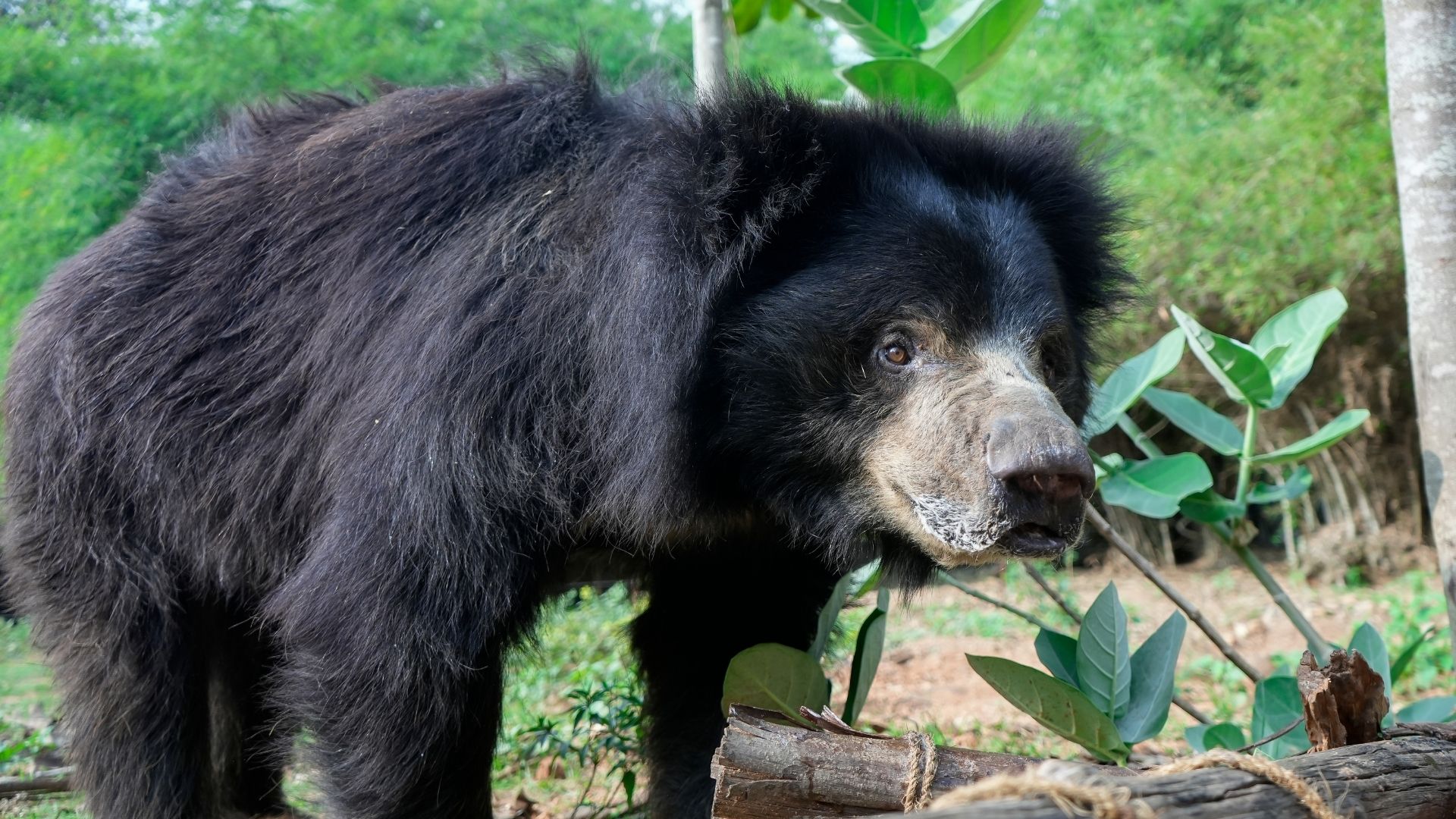
The Melursus ursinus, commonly known as the sloth bear, represents a remarkable example of specialized evolution within the Ursidae family. Unlike its omnivorous cousins that rely on a diverse diet of berries, carrion, and small mammals, the sloth bear is an obligate myrmecophage—a creature whose primary nutritional intake consists of ants and termites. To facilitate this lifestyle, the species has undergone significant craniofacial modifications that set it apart from other bears.
The most critical anatomical feature involved in this process is the edentulous gap created by the absence of the two central upper incisors. This anatomical "defect" is, in reality, a high-precision evolutionary tool. When the sloth bear presses its muzzle against a termite mound or a patch of forest floor, it creates a sealed environment. By manipulating its muscular lips—which are independently mobile and capable of being extended into a tube-like structure—the bear can manipulate the internal volume of its mouth. By rapidly retracting its tongue and expanding its oral cavity, the bear creates a localized vacuum that pulls prey, soil, and debris into the buccal cavity.
The Mechanism of Suction Feeding
In wildlife studies, the mechanics of sloth bear suction are often compared to the vacuum effect observed in various aquatic species, though adapted for a terrestrial environment. The process can be broken down into three distinct phases:
- Sealing: The bear uses its thick, leathery lips to form an airtight seal around the entry point of the termite colony or the target food source. The lack of central incisors prevents the lips from being obstructed, allowing for a flush, watertight (or in this case, "dirt-tight") fit.
- Cavity Expansion: Once the seal is established, the bear utilizes the massive muscles in its throat and tongue base. By suddenly increasing the volume of the oral cavity, the bear drops the internal air pressure relative to the external environment.
- Inhalation: Atmospheric pressure then forces the contents—termites, larvae, eggs, and organic debris—through the gap and into the mouth. The bear’s long, flexible tongue acts as both a piston and a secondary gatherer, ensuring that prey is efficiently funneled toward the esophagus.
Researchers observing these behaviors in the field note that the bear often produces a distinct, audible "huffing" or "vacuum" sound. This noise is the result of the forceful intake of air and debris, a behavior that is unique to this species among bears.
Wildlife Studies: Observation and Methodology
Wildlife biologists and field researchers study these mechanisms primarily through behavioral observation and comparative anatomy. Because sloth bears are notoriously elusive and can be aggressive, researchers often utilize high-speed videography in controlled environments or motion-activated, high-resolution cameras in the wild.
In 2026, the study of sloth bear feeding patterns has moved toward integrating non-invasive bio-logging and environmental DNA (eDNA) analysis. By analyzing the soil and debris expelled by the bear after feeding, researchers can determine the exact composition of the termite colonies consumed, which further informs our understanding of how suction efficiency changes based on soil density or termite species.
| Feature | Biological Purpose | Functional Outcome |
|---|---|---|
| Missing Incisors | Creating a suction nozzle | Enhanced vacuum force |
| Mobile Lips | Forming a tight seal | Minimizing pressure loss |
| Long Tongue | Piston and collection | Increased intake speed |
| Muscular Throat | Regulating vacuum pressure | Rapid ingestion of prey |
Nutritional Advantages of Suction
Why would an animal evolve such a complex system for eating insects? The answer lies in the caloric density and abundance of termite colonies in the Indian subcontinent. By using a suction mechanism, the sloth bear can consume thousands of insects in a single session, often in less than a minute.
This feeding strategy minimizes the amount of time the bear spends stationary at a mound, which is a critical safety adaptation. Termite mounds are often located in high-traffic wildlife corridors where predators like tigers and leopards roam. The efficiency of the suction method allows the sloth bear to extract maximum caloric value with minimum exposure to predators. Furthermore, the suction mechanism allows the bear to reach termites that are deep within narrow, winding tunnels where a bear’s paw—no matter how dexterous—could never reach.
Challenges and Limitations
While highly efficient, the suction method has inherent limitations. The most significant is the ingestion of high volumes of soil and grit. Sloth bear digestion is uniquely equipped to handle a large amount of inorganic material. Their stomachs are robust, and they possess specialized intestinal linings that help process the abrasive nature of soil and termite-mound clay.
Researchers also note that the efficiency of this suction mechanism is highly dependent on environmental humidity. During the dry season, when soil becomes rock-hard, the suction seal is more difficult to maintain. Conversely, during the monsoon season, the softer earth makes the sealing process easier, though the prey may be less accessible due to burrow flooding.
Comparative Perspective: Sloth Bears vs. Other Myrmecophages
It is helpful to compare the sloth bear to other "ant-eaters," such as the giant anteater or the pangolin. While all three are myrmecophagous, their mechanisms differ greatly:
- Pangolins: Rely almost exclusively on a long, sticky, vermiform tongue to flick insects into their mouths.
- Giant Anteaters: Also use an exceptionally long, sticky tongue, but they do not possess the suction capability of the sloth bear.
- Sloth Bears: Are the only ones that integrate a powerful suction vacuum driven by facial and oral anatomy, allowing them to bypass the "flicking" limitation entirely.
Frequently Asked Questions
Does the missing tooth gap hinder the sloth bear’s ability to eat other foods? No. Sloth bears are opportunistic omnivores. While they are specialized for suction, they possess large, crushing molars at the back of their jaws that allow them to chew fruits, tubers, and even carrion effectively.
How much air pressure can a sloth bear actually generate? While precise laboratory measurements on wild, free-roaming bears are limited, field estimates suggest the suction force is significant enough to dislodge termite galleries from several centimeters inside a mound, far exceeding the mechanical capability of standard tongue-flicking methods.
Are all sloth bears born with this gap in their incisors? Yes. The absence of the two central upper incisors is a fixed, species-specific trait. It is a developmental characteristic of the species, ensuring they are prepared for their primary diet from the time they begin weaning.
How does this suction feeding affect the sloth bear's teeth? Interestingly, because they do not rely on their front teeth for tearing or gripping live, struggling prey, their incisors are less prone to the mechanical wear often seen in other carnivores. However, their molars do show significant wear due to the grit and soil ingested during the suction process.
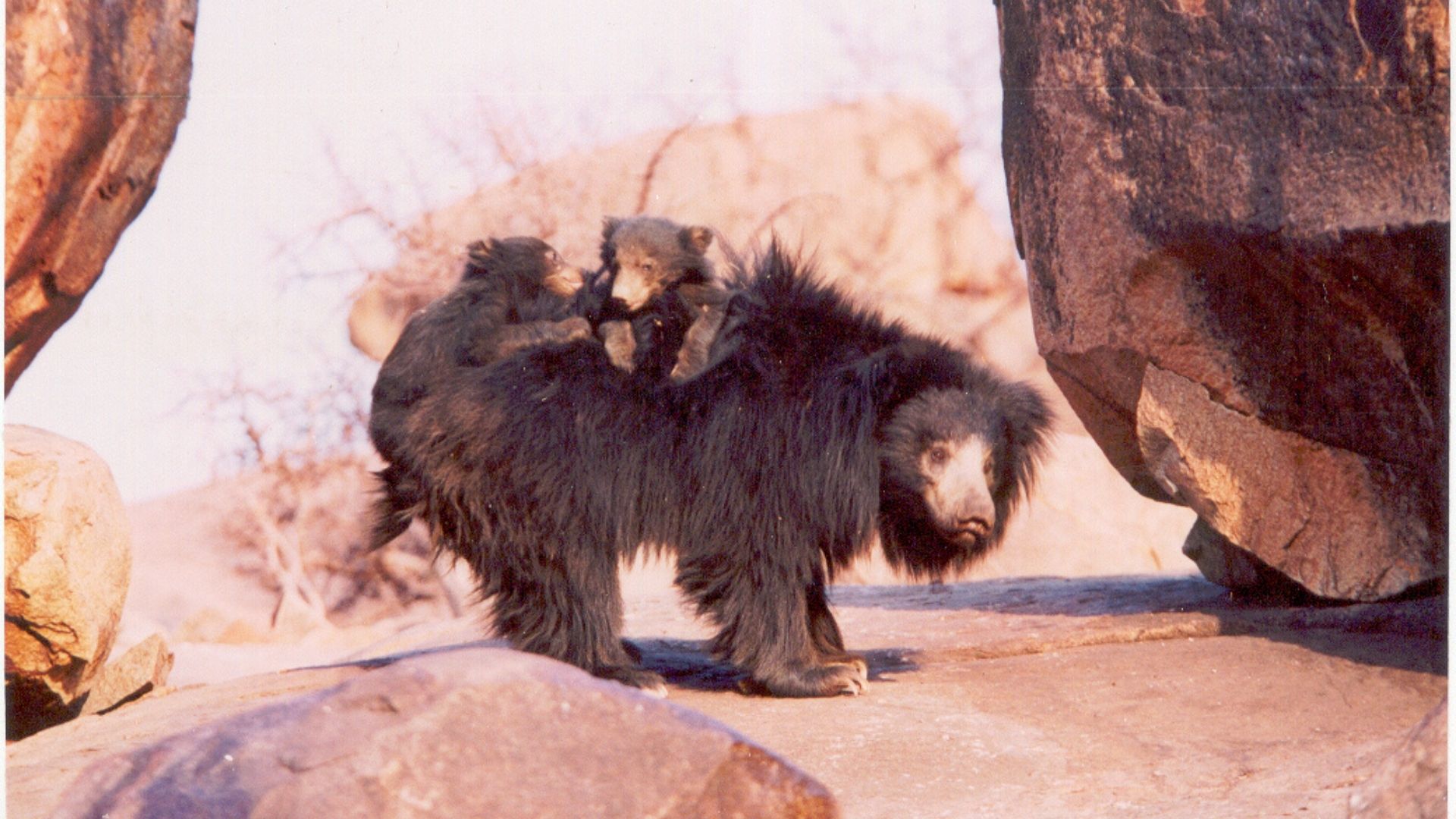
Is this suction mechanism utilized by cubs? Cubs begin to exhibit suction behaviors as they transition from milk to solid food. They learn by mimicking their mothers, who often target mounds that are already partially breached, allowing the cubs to practice the sealing and vacuuming technique safely.
Expert Guidance for Further Research
For those interested in the ongoing field studies of Melursus ursinus, it is recommended to consult the archives of the International Association for Bear Research and Management (IBA). These resources provide in-depth telemetry data and behavioral studies that document the seasonal shifts in feeding behavior. When observing these bears, it is essential to maintain a distance of at least 50 meters, as their protective maternal instincts and sensitive feeding-focus can make them unpredictable.
For researchers or students entering the field, the most accurate data regarding sloth bear physiology is derived from long-term camera trap studies that record the duration and frequency of "mound-sealing" events. By monitoring these variables, one can quantify the success rate of the suction mechanism in real-time ecological conditions.
Image Gallery