The History and Legacy of Blue Bell Ice Cream: Founded in Brenham, Texas
Blue Bell Ice Cream was founded in 1907 as the Brenham Creamery Company in Brenham, Texas. Originally a local cooperative of dairy farmers, it was renamed Blue Bell Creameries in 1930 to honor the Texas bluebell wildflower. Today, it r...
Blue Bell Ice Cream was founded in 1907 as the Brenham Creamery Company in Brenham, Texas. Originally a local cooperative of dairy farmers, it was renamed Blue Bell Creameries in 1930 to honor the Texas bluebell wildflower. Today, it remains headquartered in Brenham, producing one of America’s most popular ice cream brands.
Contents
The Origins of the Brenham Creamery Company (1907–1919)
In the early 20th century, Brenham, Texas, was a bustling agricultural hub located between Houston and Austin. In 1907, a group of local dairy farmers recognized a surplus of cream from their herds and decided to form a cooperative to convert that excess into a marketable product. They established the Brenham Creamery Company in a small, abandoned cotton gin building.
The initial business model was not centered on ice cream but on butter. During the first few years, the cooperative struggled to achieve financial stability. Most of the farmers were skilled in agriculture but lacked experience in large-scale creamery management. By 1911, the company began producing small quantities of ice cream to supplement their butter sales. This early ice cream was made by hand, chilled with ice and salt, and delivered by horse and wagon to local residents and businesses within the Brenham city limits.
The turning point for the struggling creamery came in 1919. The board of directors realized they needed professional management to keep the company solvent. They approached E.F. Kruse, a local schoolteacher, to take over the management of the facility. Kruse accepted the position on the condition that he could prioritize product quality over rapid expansion—a philosophy that would define the company for the next century.
The Kruse Era and the Rebranding to Blue Bell
Under E.F. Kruse’s leadership, the company began a slow but steady transformation. Kruse was known for his conservative fiscal approach and an uncompromising stance on ingredients. By 1930, the company had expanded its reach beyond Brenham, and Kruse felt the name "Brenham Creamery Company" was too localized and functional for their growing ambitions.
He chose the name Blue Bell Creameries, inspired by the Texas bluebell (Eustoma russellianum), a wildflower that flourishes in the hot Texas summers—the peak season for ice cream consumption. This branding shift coincided with a pivot in the company’s core business. While butter had been their primary product for over two decades, ice cream sales were rapidly outpacing it. By 1958, the company officially ceased all butter production to focus exclusively on ice cream.
Following E.F. Kruse’s death in 1951, his sons, Ed and Howard Kruse, took over the leadership. Their tenure saw the brand grow from a regional Texas favorite into a dominant national force. Howard Kruse, in particular, was instrumental in developing many of the company’s most iconic flavors, including the 1980 introduction of Cookies 'n Cream, a flavor Blue Bell claims to have pioneered commercially.
Why Brenham? The Strategic Geography of "The Little Creamery"
The choice of Brenham as a founding location was driven by necessity, but it became a central pillar of the brand's identity. Brenham sits in Washington County, often referred to as the "Birthplace of Texas" because the Texas Declaration of Independence was signed at nearby Washington-on-the-Brazos.
The geography provided three distinct advantages:
- Abundant Dairy Supply: The rolling hills of Central Texas were ideal for dairy farming, ensuring a constant supply of fresh milk and cream.
- Logistics: Brenham was a significant stop on the Houston & Texas Central Railway. This allowed the company to eventually receive sugar and supplies easily and, later, to ship products to larger urban markets.
- Cultural Identity: The "Little Creamery in Brenham" marketing campaign capitalized on the town’s small-town charm. Even as Blue Bell became one of the top-selling ice creams in the United States, it maintained its image as a local, community-focused business.
Technological Evolution in Production and Distribution
The transition from horse-drawn wagons to the refrigerated fleet of 2026 was a multi-decade process. In the early days, ice cream was packed in wooden tubs with ice and salt. This limited the delivery radius to just a few miles from the Brenham plant.
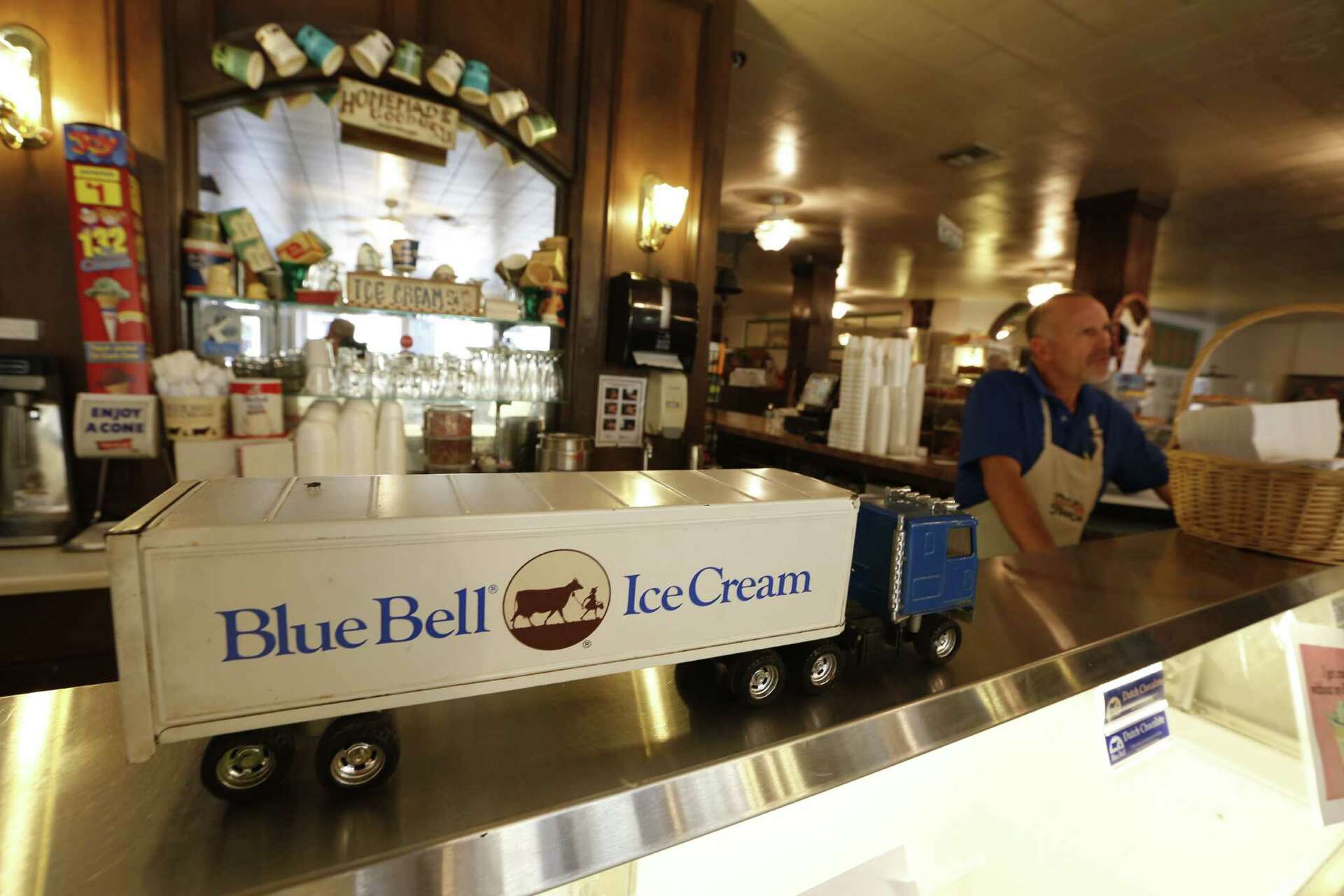
In the 1920s and 30s, the introduction of mechanical refrigeration changed everything. Blue Bell began investing in refrigerated trucks, which allowed them to expand into Houston, then Austin, and eventually Dallas. Unlike many competitors who relied on third-party distributors, Blue Bell insisted on a Direct Store Delivery (DSD) system.
| Milestone | Year | Significance |
|---|---|---|
| Foundation | 1907 | Established as a farmers' cooperative in Brenham. |
| Ice Cream Production | 1911 | First batches produced by hand using ice and salt. |
| E.F. Kruse Hired | 1919 | Shifted management to a quality-first philosophy. |
| Name Change | 1930 | Officially became Blue Bell Creameries. |
| End of Butter Sales | 1958 | Pivoted exclusively to frozen dairy products. |
| Cookies 'n Cream | 1980 | Launched one of the industry's most successful flavors. |
| Centennial | 2007 | Celebrated 100 years of operation in Brenham. |
Flavor Innovation and Quality Standards
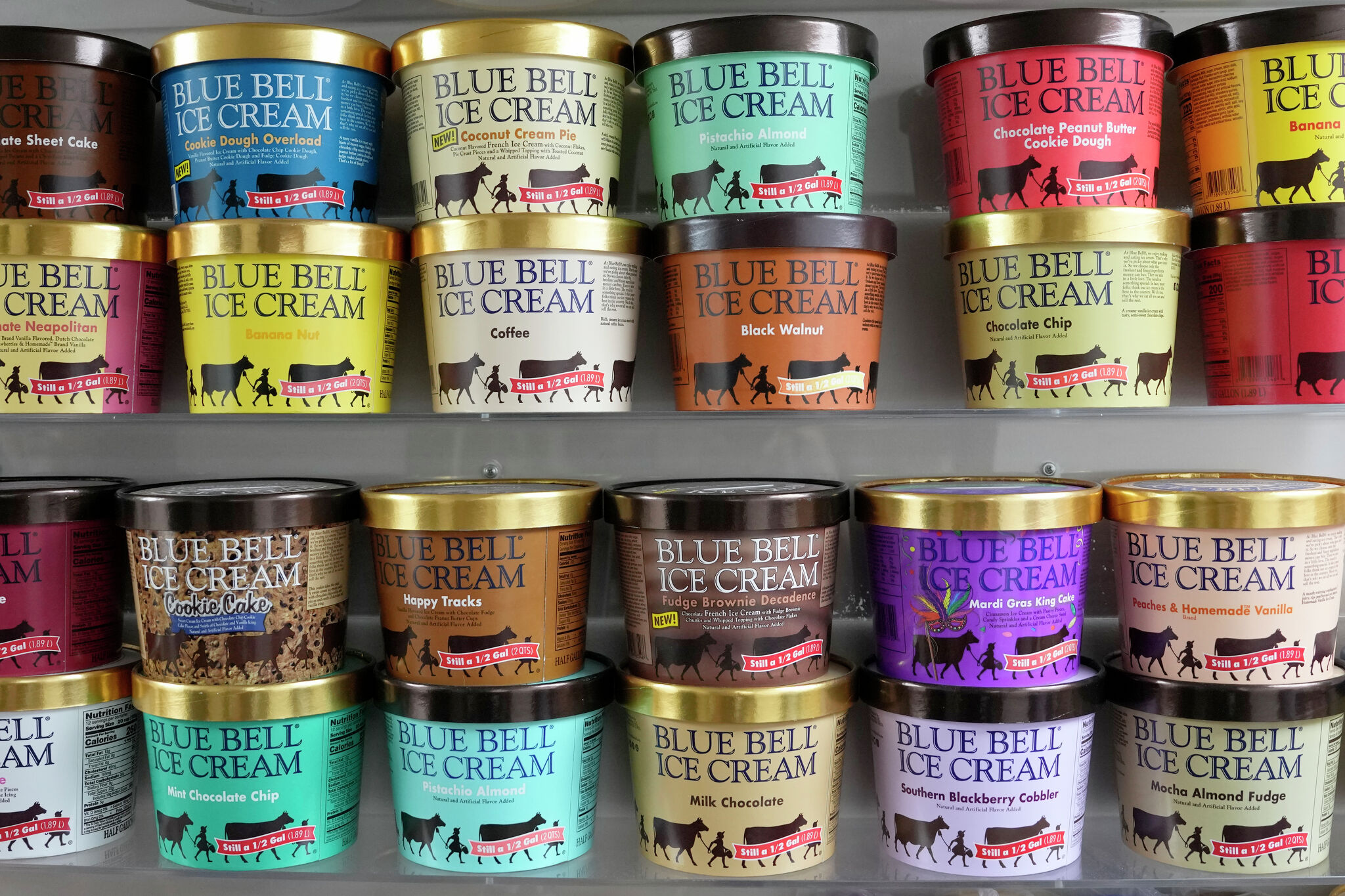
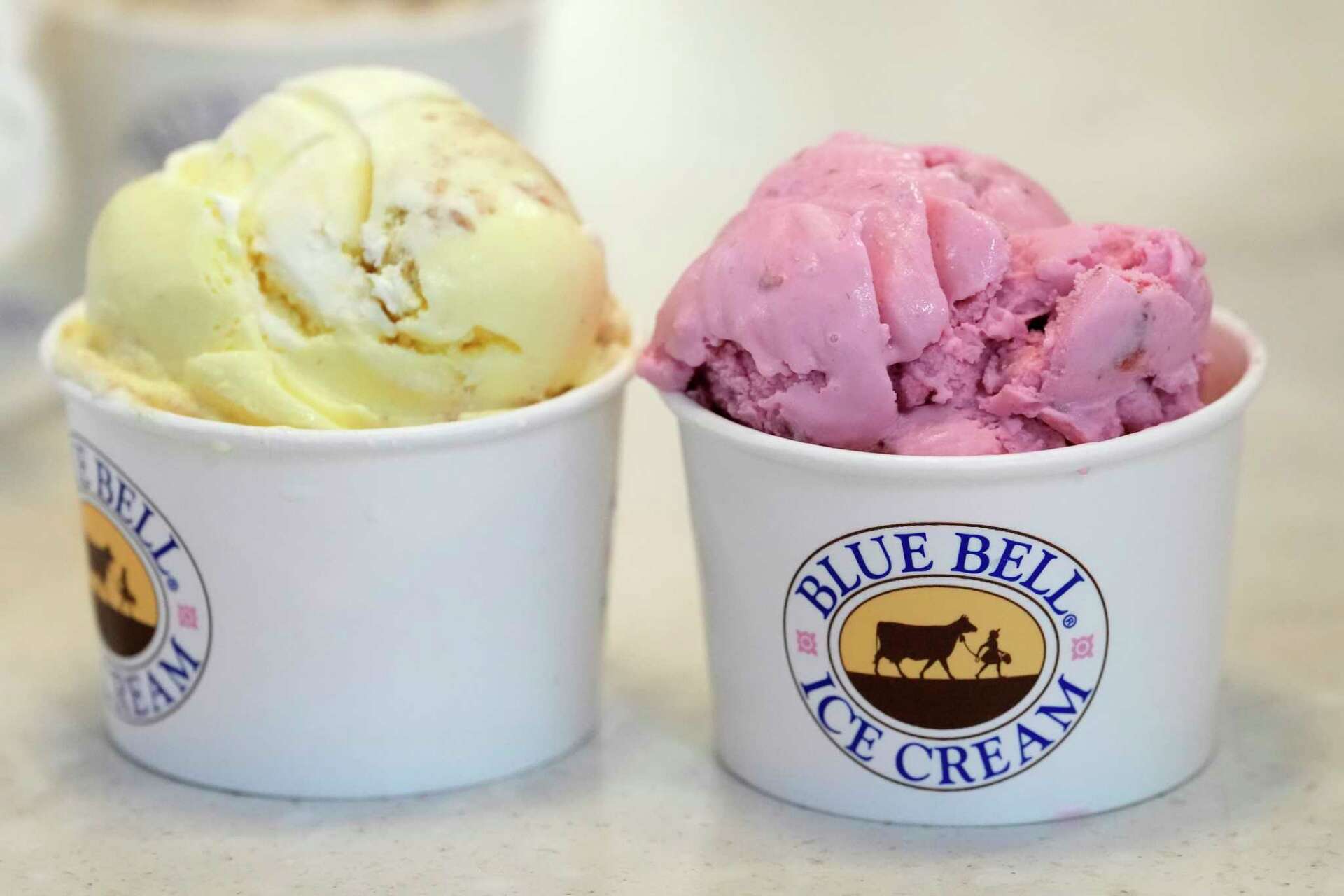
Blue Bell’s reputation is built largely on its "Homemade Vanilla" flavor, which remains the company’s best-seller. The development of this flavor was a response to the "factory-made" taste of many national brands in the mid-20th century. By using a higher butterfat content and specific churning techniques, Blue Bell mimicked the texture of hand-cranked ice cream.
The company also utilizes a "Rotational Flavor" strategy. While core flavors like Dutch Chocolate and The Great Divide are available year-round, dozens of seasonal flavors are cycled through the production lines. This creates a sense of urgency and "limited-time" appeal for consumers, a tactic that has been highly effective in maintaining brand loyalty.
Visiting the Blue Bell Production Facilities in 2026
For those visiting Brenham in 2026, the Blue Bell Creameries headquarters remains a major tourist destination. The facility offers a glimpse into the scale of modern food production while maintaining its historical roots.
- The Observation Deck: Visitors can watch the production process from an elevated gallery. This includes the filling of the famous "gold-rimmed" half-gallon containers.
- The Ice Cream Parlor: A dedicated space where visitors can purchase scoops of current and experimental flavors for a nominal fee.
- The Country Store: A museum and gift shop that houses artifacts from the company's 119-year history, including early delivery uniforms and vintage advertisements.
The impact on the local economy is profound. Blue Bell is one of the largest employers in Washington County. The presence of the creamery has also spurred tourism in Brenham’s downtown district, which features historic architecture and boutique shopping that complements the "small-town" brand image.
Resilience and Modern Challenges
The company’s history has not been without significant hurdles. Most notably, in 2015, the company faced a massive voluntary recall of all its products due to a Listeria monocytogenes contamination. This resulted in a temporary shutdown of the Brenham plant and two other facilities in Oklahoma and Alabama.
The recovery from this event is often cited in business case studies as an example of brand loyalty. Despite being off the shelves for months, the return of Blue Bell to grocery stores was met with long lines and sell-outs across the South. The company implemented rigorous new testing protocols and upgraded their facilities to meet and exceed modern safety standards, ensuring that the "founded in Brenham" legacy could continue safely into the future.
Frequently Asked Questions
Is the original Blue Bell building still standing?
The original 1907 building was a converted cotton gin. While the company has expanded significantly and moved into modern facilities, the headquarters remains on the same general site in Brenham, Texas. The current complex has grown to include multiple production wings, warehouses, and the administrative offices that manage distribution across more than 20 states.
Can you take a tour of the actual factory floor?
Due to modern food safety regulations and liability standards in 2026, visitors are not allowed on the actual production floor. However, the Observation Deck provides a comprehensive view of the manufacturing, packaging, and sealing processes. It allows the public to see the scale of operations without compromising the sterile environment required for dairy production.
Why is Blue Bell only available in certain states?
Blue Bell utilizes a Direct Store Delivery (DSD) model. This means they own their trucks and their employees stock the shelves. To maintain quality control and ensure the product stays at the proper temperature throughout the supply chain, they only expand into areas where they can establish a local distribution center. This "slow and steady" growth strategy has been a hallmark of the company since the Kruse era.
Who owns Blue Bell Creameries today?
Blue Bell remains a privately held company. A significant portion of the company is still owned by the Kruse family, along with several private investors. This private status has allowed the company to resist the pressure of quarterly earnings reports that often drive public corporations to cut costs or change ingredients.
What was the first flavor Blue Bell ever made?
While records from 1911 are not exhaustive, the earliest ice cream produced by the Brenham Creamery Company was standard Vanilla. It wasn't until the mid-20th century that the company began experimenting with the complex inclusions and fruit swirls that characterize their modern flavor lineup.
Practical Recommendations for Visitors
If you are planning a trip to Brenham to visit the site where it all began, aim for a weekday morning. Production is highest Monday through Friday, which provides the best viewing experience from the Observation Deck. Additionally, check the local "Bluebell Bloom" forecast if you are visiting in the spring, as the wildflowers that gave the company its name blanket the fields surrounding the creamery, offering excellent photography opportunities.
Image Gallery