Understanding When Winter Occurs in Africa: A Seasonal Guide
Winter in Africa generally occurs from June through August, mirroring the southern hemisphere’s seasonal cycle. Because the continent straddles the equator, regions north of the equator experience winter during the northern hemisphere’...
Winter in Africa generally occurs from June through August, mirroring the southern hemisphere’s seasonal cycle. Because the continent straddles the equator, regions north of the equator experience winter during the northern hemisphere’s traditional winter months (December to February), while regions south of the equator experience the colder season from June to August.
Contents
The Geography of African Seasons
To understand winter across such a vast continent, one must first look at the Intertropical Convergence Zone (ITCZ) and the continent’s latitudinal span. Africa is unique in its distribution across both the Northern and Southern Hemispheres. Consequently, "winter" is not a uniform period that applies to the entire landmass.
Most of sub-Saharan Africa, including popular destinations like South Africa, Namibia, Botswana, and Zimbabwe, falls into the Southern Hemisphere. In these regions, the axial tilt of the Earth causes the sun to be at its lowest point in the sky during the months of June, July, and August. This period brings cooler temperatures, less humidity, and, in many regions, the dry season.
Conversely, countries in Northern Africa—such as Morocco, Tunisia, Egypt, and Algeria—experience winter when the Earth tilts the Northern Hemisphere away from the sun. For these nations, winter takes place from December to February. This creates a significant disparity in climate expectations depending entirely on whether your destination lies north or south of the equator.
Southern Africa: The June to August Experience
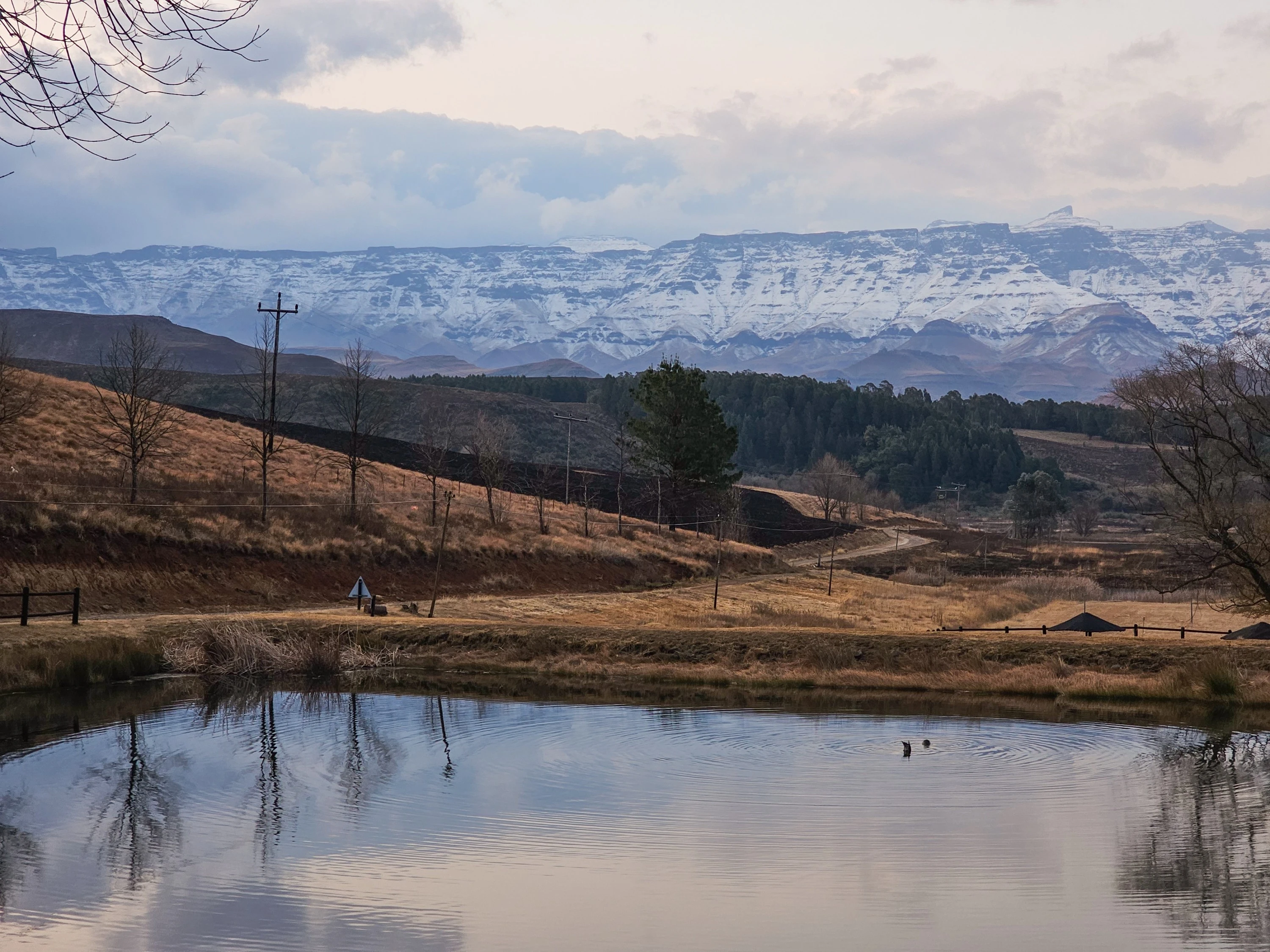
For travelers and researchers, the most common inquiry regarding an African winter pertains to the southern third of the continent. From June through August, the Southern Hemisphere undergoes its coldest months. However, "cold" is relative; while mountain ranges like the Drakensberg in South Africa may experience snowfall, the vast savannahs of the Okavango Delta or the Kruger National Park generally experience mild, dry, and sunny days.
This season is widely considered the "peak" time for wildlife viewing. As the dry season progresses, vegetation thins and water sources become scarce, forcing animals to congregate around remaining rivers and waterholes. This makes wildlife highly visible and easier to track.
Climate Variations in Southern Africa
| Region | Typical Winter Condition (June–Aug) | Notable Characteristics |
|---|---|---|
| Highveld (e.g., Johannesburg) | Cool days, freezing nights | Very dry, high diurnal temperature range |
| Cape Town & Western Cape | Cool, wet, and windy | Mediterranean climate; winter rainfall zone |
| Kalahari/Desert Regions | Very cold nights, mild days | Extreme temperature fluctuations |
| Coastal KwaZulu-Natal | Mild, temperate | Excellent for whale watching |
Northern Africa: The December to February Winter
North of the Sahara, the seasonal pattern reverses to match that of Europe and North America. Between December and February, temperatures drop significantly, particularly in the Atlas Mountains and the Mediterranean coastal regions. While these areas rarely reach the extreme lows of northern latitudes, they experience distinct winters characterized by rainfall, overcast skies, and temperatures that can hover near freezing in higher elevations.
In the Sahara Desert itself, the winter season brings the most comfortable daytime temperatures for exploration. While nights in the desert can be exceptionally cold during this time, the lack of scorching heat makes it the primary window for long-distance desert trekking and archaeological tourism.
Equatorial Africa and the Lack of Traditional Winter
Countries located near the equator, such as Kenya, Uganda, Rwanda, and the Democratic Republic of the Congo, do not experience "winter" in the traditional sense of a cold season. Instead, their climate is defined by wet and dry seasons driven by the movement of the ITCZ.
In these regions, seasonal changes are marked by precipitation levels rather than temperature shifts. For instance, in East Africa, the "long rains" typically occur from March to May, followed by a dry season, and then the "short rains" in November and December. Visitors to equatorial regions should focus on rainfall forecasts rather than temperature-based "winter" planning, as the temperature remains relatively consistent throughout the year.
Key Factors for Seasonal Travel Planning
When planning travel or operations in Africa based on the seasonal calendar, several technical factors must be considered to ensure successful outcomes.
1. Diurnal Temperature Variation: In semi-arid and arid regions—which encompass much of Southern Africa—the difference between daytime highs and nighttime lows can be as much as 20°C (36°F). Even if a daytime temperature reaches a pleasant 22°C (72°F), the temperature may drop to near freezing overnight. Effective packing requires layered clothing.
2. The Rainfall Divide: Understanding whether a region is in a summer-rainfall or winter-rainfall zone is crucial. The Western Cape of South Africa, for example, is a winter-rainfall region, meaning it is at its wettest and stormiest during the months of June and July. Conversely, the interior of South Africa receives its rain in the summer, meaning its winter months are arid.
3. Health and Environmental Considerations: The dry winter months in Southern Africa significantly reduce the prevalence of mosquitoes, as standing water decreases. This is a critical factor for regions where malaria is endemic, as the lower mosquito population reduces the risk of transmission compared to the wet summer months.
Comparing Seasonal Impacts
The decision to travel or conduct business during the winter months depends largely on your goals. Wildlife enthusiasts often prefer the June-August window in Southern Africa due to the dry, sparse vegetation. Those looking to avoid the intense tropical heat of Northern Africa’s summer will find the December-February period far more hospitable for travel.
It is important to note that "winter" is not a period of closure for African tourism or commerce. Infrastructure remains fully operational, and many cultural events and festivals take place during these months specifically because the weather is more conducive to outdoor gatherings.
Frequently Asked Questions
Does it snow in Africa during winter? Yes, but only in specific high-altitude regions. Snow is a regular occurrence during the southern winter (June–August) in the Drakensberg mountains of South Africa and the Lesotho Highlands. Similarly, the Atlas Mountains in Morocco receive snow during the northern winter (December–February).
Is winter the best time for a safari? For most of Southern Africa, the winter months of June, July, and August are considered the best time for safaris. The dry weather makes animals easier to spot near waterholes, and the reduced risk of malaria adds a layer of safety for travelers.
Do I need heavy winter clothing for an African winter? If you are visiting desert regions or high altitudes, you will need thermal layers, as temperatures drop rapidly at night. If you are visiting coastal or equatorial regions, standard mid-weight layers are usually sufficient, though a windbreaker or rain jacket is necessary if you are in a winter-rainfall zone like the Cape.
Does the entire continent have the same seasons? No. Africa is divided by the equator, which creates a mirrored seasonal effect. North of the equator, winter is December to February; south of the equator, winter is June to August. Equatorial countries experience seasons based on rainfall rather than temperature.
How does winter affect air travel and logistics? Winter generally brings stable, dry conditions to most of the interior of Southern Africa, making air travel and light aircraft transfers highly reliable. In winter-rainfall zones like the Western Cape, severe storms during June and July can occasionally cause flight delays or cancellations, similar to winter weather patterns in Europe or North America.
Recommendation for Seasonal Planning
If you are planning to visit Southern Africa, prioritize the window of July and August. By this time, the dry season is well-established, maximizing wildlife visibility in game reserves. If you are traveling to North Africa, aim for the mid-winter months of January and February for the most comfortable temperatures in the desert regions, provided you are prepared for the cold nights. Always check the specific regional rainfall patterns for your intended destination, as local topography can create microclimates that deviate from the general national trend.
Image Gallery