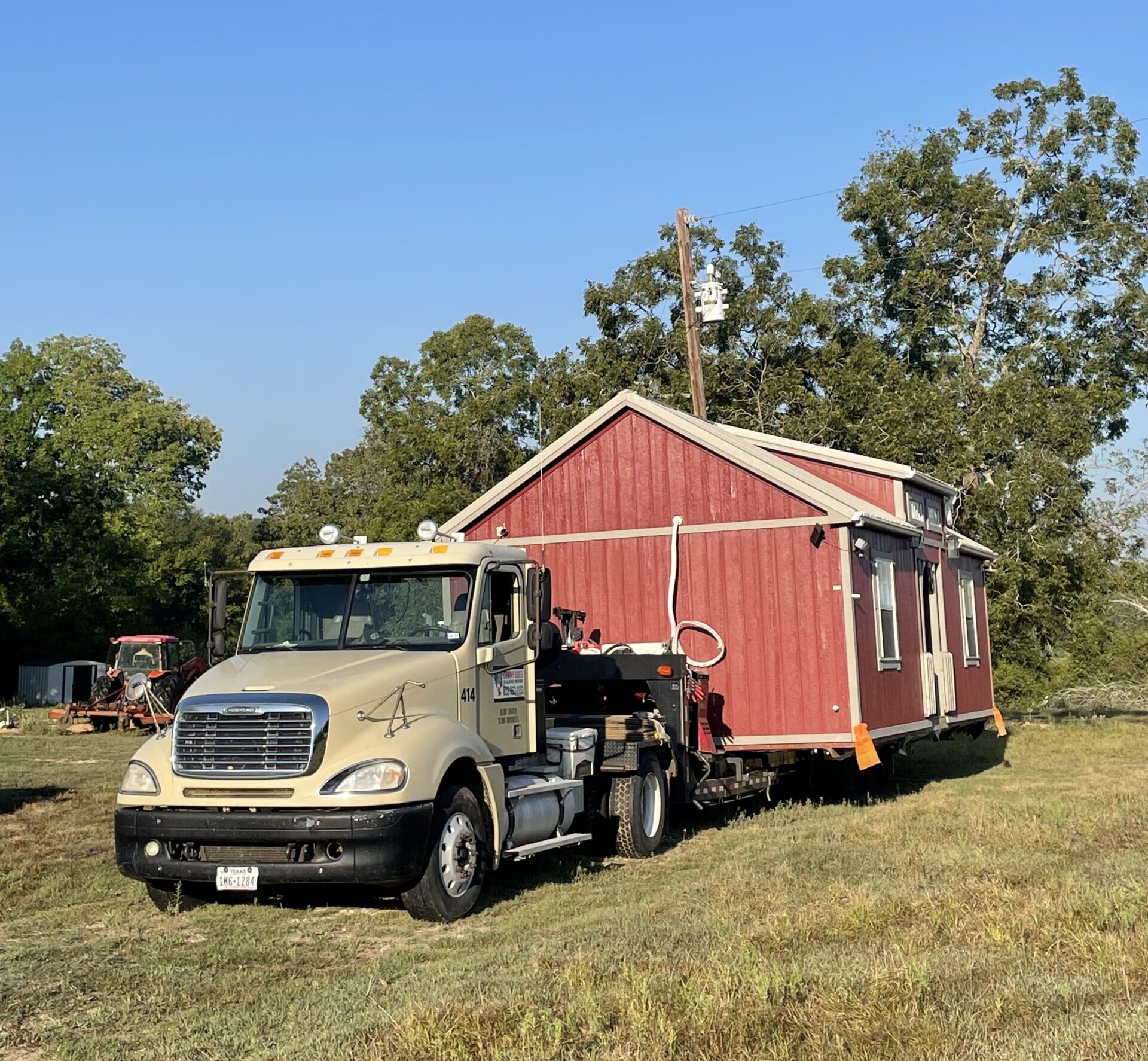
Comprehensive Guide to Clancy Home Moving Services: Planning and Execution
Clancy home moving services provide professional relocation assistance, including packing, inventory management, specialized logistics for fragile items, and secure transport for residential moves. These services are designed to mitiga...
Clancy home moving services provide professional relocation assistance, including packing, inventory management, specialized logistics for fragile items, and secure transport for residential moves. These services are designed to mitigate the physical and organizational burdens of moving by providing trained personnel, professional-grade packing materials, and fleet management to ensure household goods reach their destination safely and according to an established schedule.
Contents
Understanding the Scope of Professional Home Moving
Moving house is a complex logistical challenge that involves inventory control, protective packaging, heavy lifting, and transport coordination. Professional services like those provided by Clancy offer a structured approach to this process. By hiring a moving firm, you are essentially outsourcing the physical labor and the risk management associated with transporting personal property across various distances, whether local or international.
The primary value of professional moving services lies in the expertise of the crew. Standard residential moves often involve the handling of items with varying degrees of structural integrity, sentimental value, and monetary cost. Professional movers are trained in "load balancing"—the technique of arranging items within a vehicle to prevent shifting, which is the most common cause of damage during transit. Furthermore, they utilize equipment such as heavy-duty appliance dollies, hydraulic tail-lifts on trucks, and professional-grade moving blankets that significantly outperform DIY alternatives.
Prerequisites and Initial Planning
Before engaging any moving service, you must determine the scope of your move. The first step involves an in-house or remote survey, where the moving company assesses the volume and nature of your possessions. This is critical for accurate quoting and resource allocation. As of 2026, many professional moving companies require a minimum lead time to secure your preferred dates, especially during peak moving seasons (typically the summer months and the end of the month).
To prepare for your move, organize your home by category. Identify items that require special handling, such as:
- Grand Pianos or Organs: These require climate-controlled transport and specialized crating.
- Artwork and Antiques: Often require custom wooden crates rather than standard cardboard.
- Electronic Equipment: Necessitates anti-static packaging and, in some cases, original manufacturer packaging.
- Hazardous Materials: Most reputable movers will refuse to transport flammables, pressurized canisters, or certain chemicals due to safety regulations.
The Operational Phases of a Move
A professional move typically follows a set sequence. Understanding this sequence allows you to hold the service provider accountable at every stage.
1. Pre-Move Assessment
This phase involves the surveyor’s visit to calculate the "cube" (total volume) of your items. You will receive an estimate based on this calculation. Ensure that the estimate includes all potential surcharges, such as flight fees for stairs, long-carry charges (if the truck cannot park near your front door), and disassembly/reassembly fees for complex furniture.
2. Packing and Inventory
You may choose "full service" packing, where the movers handle every item, or "partial service," where you pack your own boxes. If you pack yourself, note that many insurance policies offered by moving companies cover only items packed by their staff. Each box should be clearly labeled by room and content. Professionals use a numbered inventory system, creating a digital or paper manifest that you should reconcile at both the origin and the destination.
3. Loading and Transit
During the loading phase, a supervisor will often create a stowage plan. This is where heavy, durable items are placed at the base, and lighter, fragile items are placed on top or in secure compartments. Once the vehicle is en route, you should have a designated point of contact at the company to receive updates on the truck's status.
4. Unloading and Setup
Upon arrival, the crew will unload items according to your room map. Professional services typically include the placement of furniture to your specifications and the removal of all packing debris, provided this was part of the initial contract.
Comparing Self-Service vs. Full-Service Moving
| Feature | Self-Service (DIY) | Full-Service Professional |
|---|---|---|
| Physical Effort | High (Loading/Unloading) | Low (Handled by Crew) |
| Insurance Coverage | Limited/Subject to User Error | Comprehensive Options |
| Equipment | Rental Truck/Basic Tools | Professional Fleet/Specialized Gear |
| Complexity | High (Logistics managed by you) | Low (Project managed by firm) |
| Cost | Lower (Variable) | Higher (Fixed) |
Financial and Insurance Considerations
Cost is the primary constraint for most households. In 2026, standard moving quotes are based on weight, volume, distance, and the level of service requested. Always ask for a "binding estimate" if you are concerned about price fluctuations. A binding estimate guarantees the final price provided that the inventory remains the same as surveyed.
Regarding insurance, understand the difference between "valuation" and "insurance." Movers are legally required to provide basic carrier liability, which is often calculated by weight (e.g., $0.60 per pound per item). This is rarely enough to cover the actual value of your goods. If you possess high-value items, consider purchasing "Full Value Protection" or securing a private transit policy through your homeowner’s insurance provider to cover potential damages up to the replacement cost.
Common Mistakes to Avoid
- Underestimating Volume: Failing to disclose items stored in the attic, garage, or shed during the survey will result in an inaccurate quote and potentially a truck that is too small for the load.
- Ignoring Parking Permits: If you live in an urban environment, you are responsible for securing the necessary parking permits for the moving vehicle. If the truck is ticketed or unable to park, you may be liable for the fines or extra labor hours.
- Improper Packing of Perishables: Never move frozen or fresh food. It will spoil and could cause pest infestations or damage to other items in the truck.
- Failure to Inspect: Always conduct a walkthrough with the lead mover at the destination before signing off on the delivery paperwork. Document any damages immediately on the "Bill of Lading" while the crew is still present.
Frequently Asked Questions
What happens if my items are damaged during the move? If damage occurs, you must record it on the delivery receipt immediately. Notify the company’s claims department in writing within the window specified by their terms and conditions, which is typically 30 to 90 days. Keep the damaged item and its packaging until the claim is resolved.
Do moving services disassemble furniture? Most professional services include basic disassembly and reassembly of standard furniture like bed frames and tables. However, complex items like custom-built bookshelves or electronic media consoles may require a third-party specialist, which should be arranged during the planning phase.
Are moving costs tax-deductible in 2026? Tax laws vary significantly by jurisdiction. In many regions, moving expenses are only deductible if the move is strictly for employment purposes and meets specific distance criteria. Consult with a qualified tax professional regarding current local regulations before filing.
How far in advance should I book? Ideally, book at least 6 to 8 weeks in advance for local moves and 3 to 4 months for long-distance or international relocations. This ensures availability and provides ample time for the surveyor to visit your home.
Should I tip the moving crew? Tipping is not mandatory but is customary for satisfactory service. A common practice is to tip a percentage of the total move cost or a flat daily rate per person, depending on the complexity of the job.
Recommended Next Action
To proceed with your relocation, begin by performing a thorough decluttering of your home to reduce your inventory. Contact a reputable moving provider to schedule an in-home or virtual survey. During this visit, clarify your expectations regarding packing, insurance, and the anticipated timeline. Having an accurate, documented inventory is the single most effective way to ensure a seamless and cost-effective moving experience.
Image Gallery