How to Use the Work Injury Report Form Correctly and Effectively
Using a work injury report form correctly is critical for ensuring that occupational accidents are documented accurately, workers receive timely medical and financial benefits, and organizations maintain compliance with labor regulatio...
Using a work injury report form correctly is critical for ensuring that occupational accidents are documented accurately, workers receive timely medical and financial benefits, and organizations maintain compliance with labor regulations. Whether you are an injured employee filing a report or a supervisor and human resources professional receiving one, following a structured process minimizes errors, prevents compliance penalties, and establishes an objective factual record.
Contents
Understanding the Purpose of the Work Injury Report Form
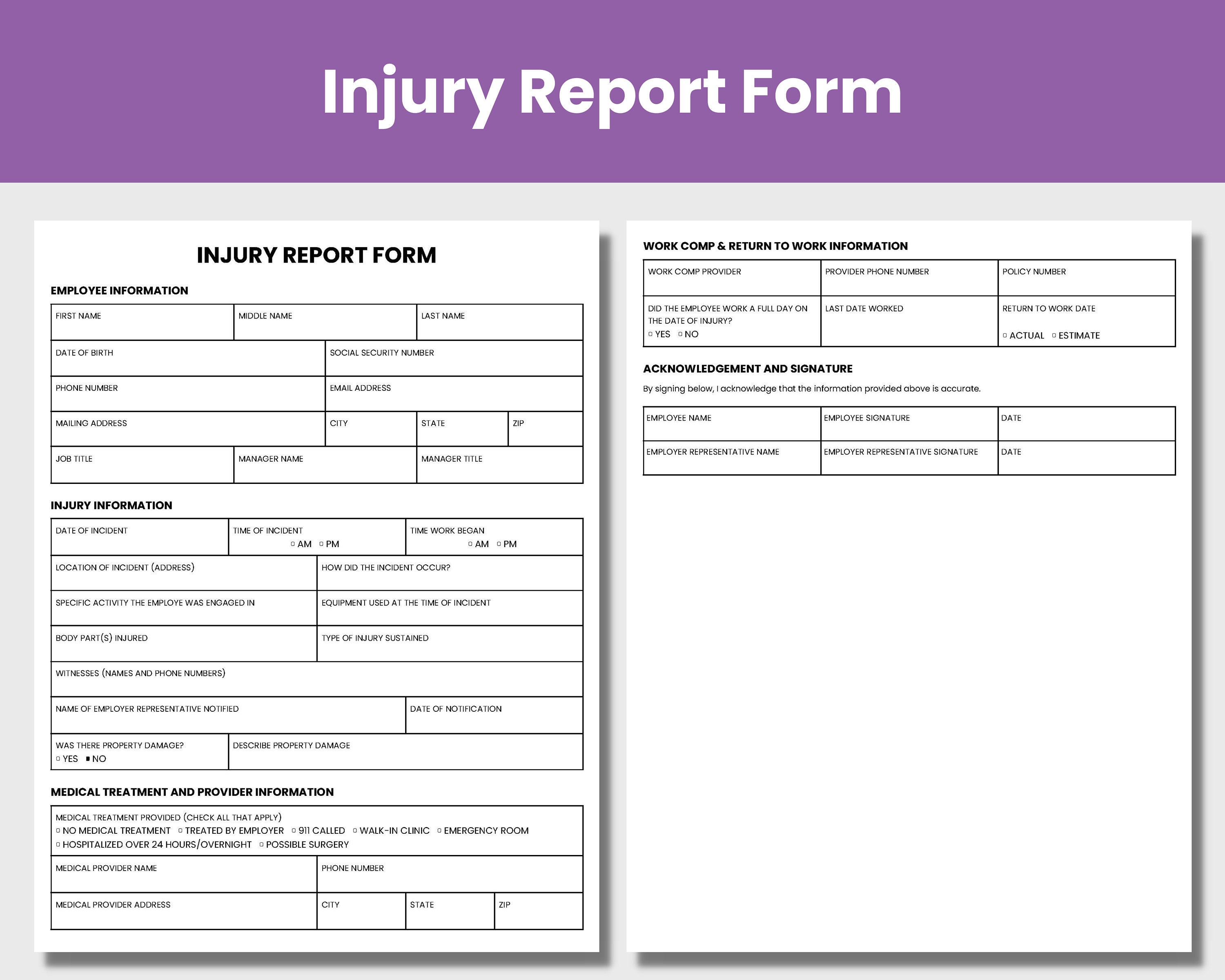
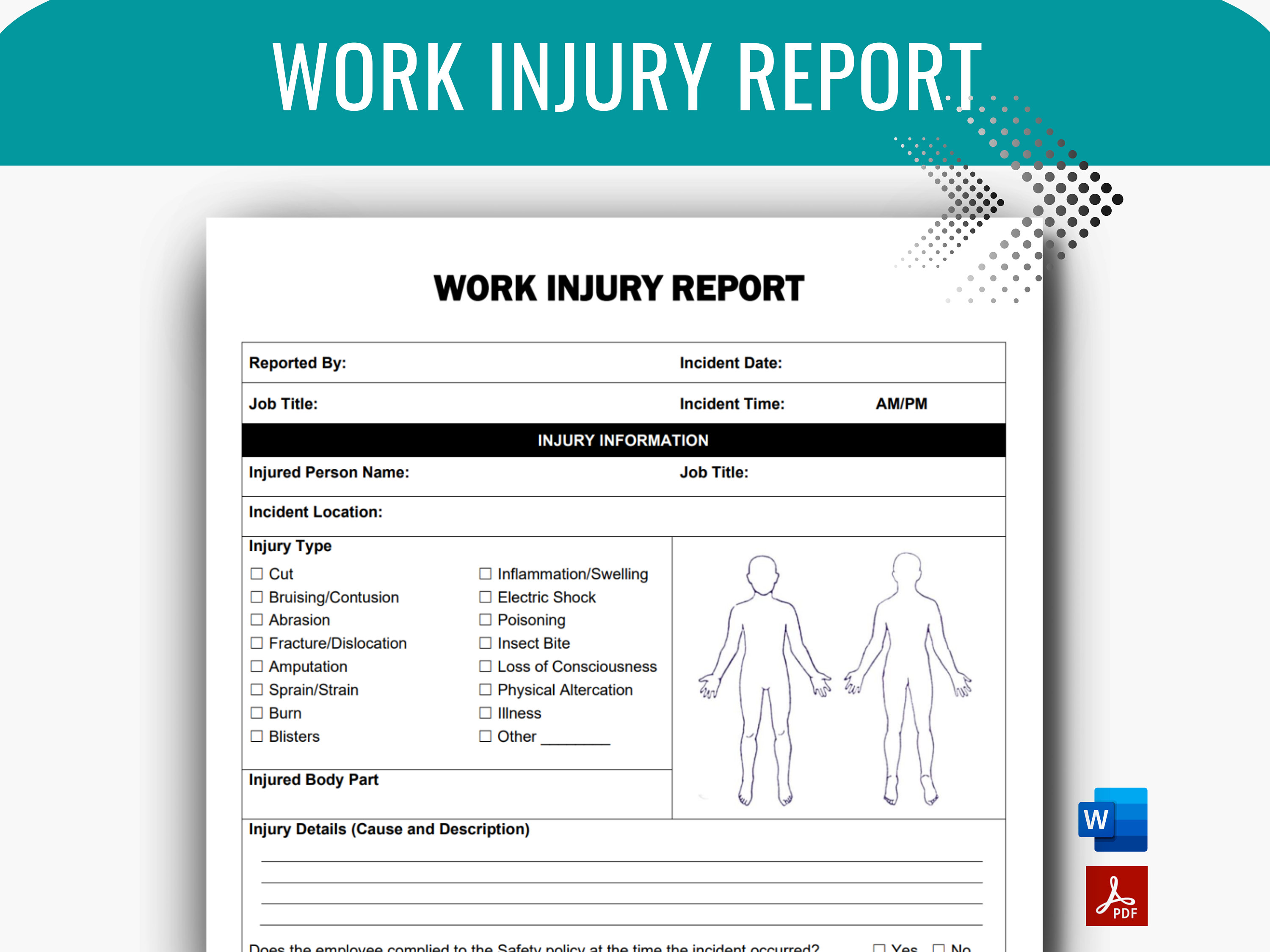
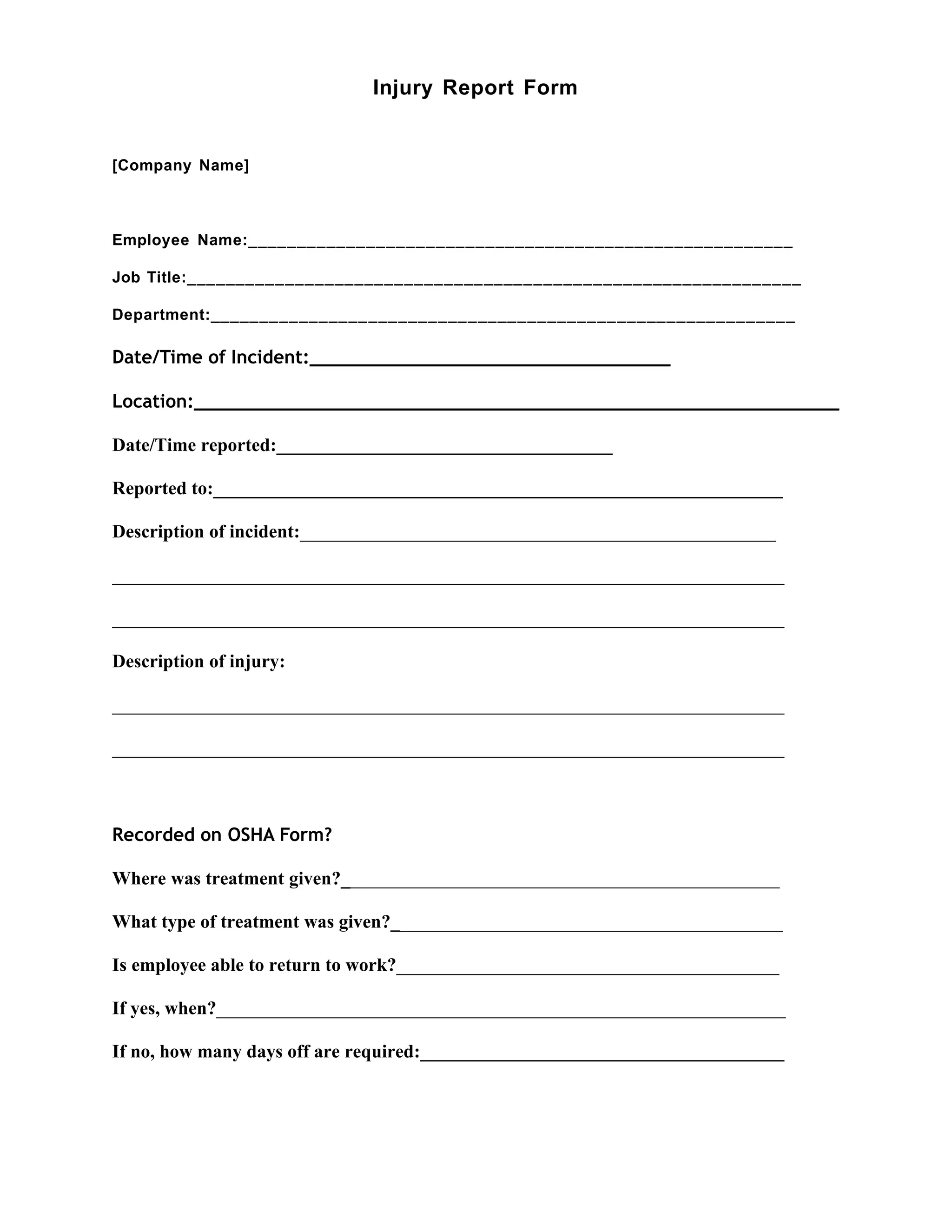
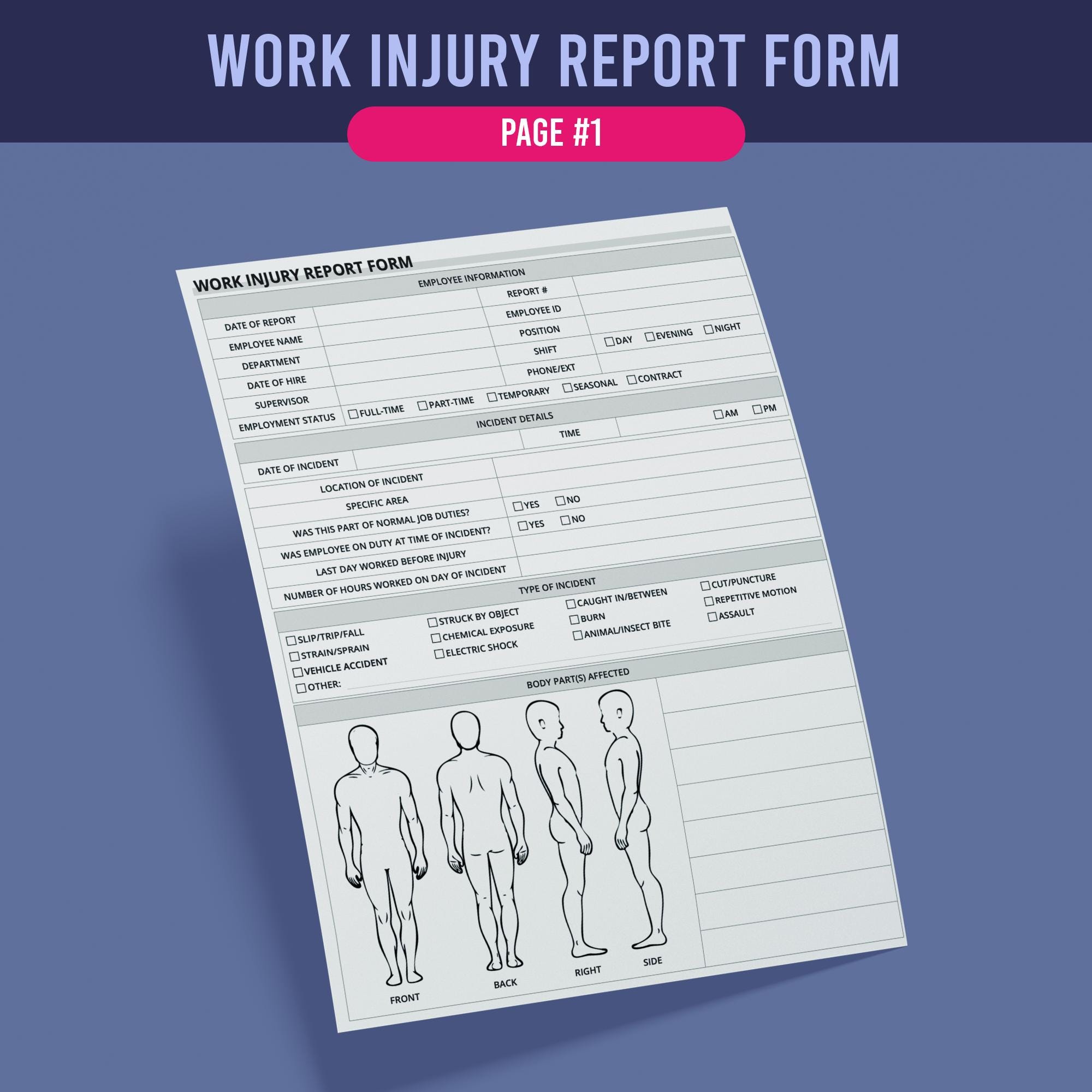
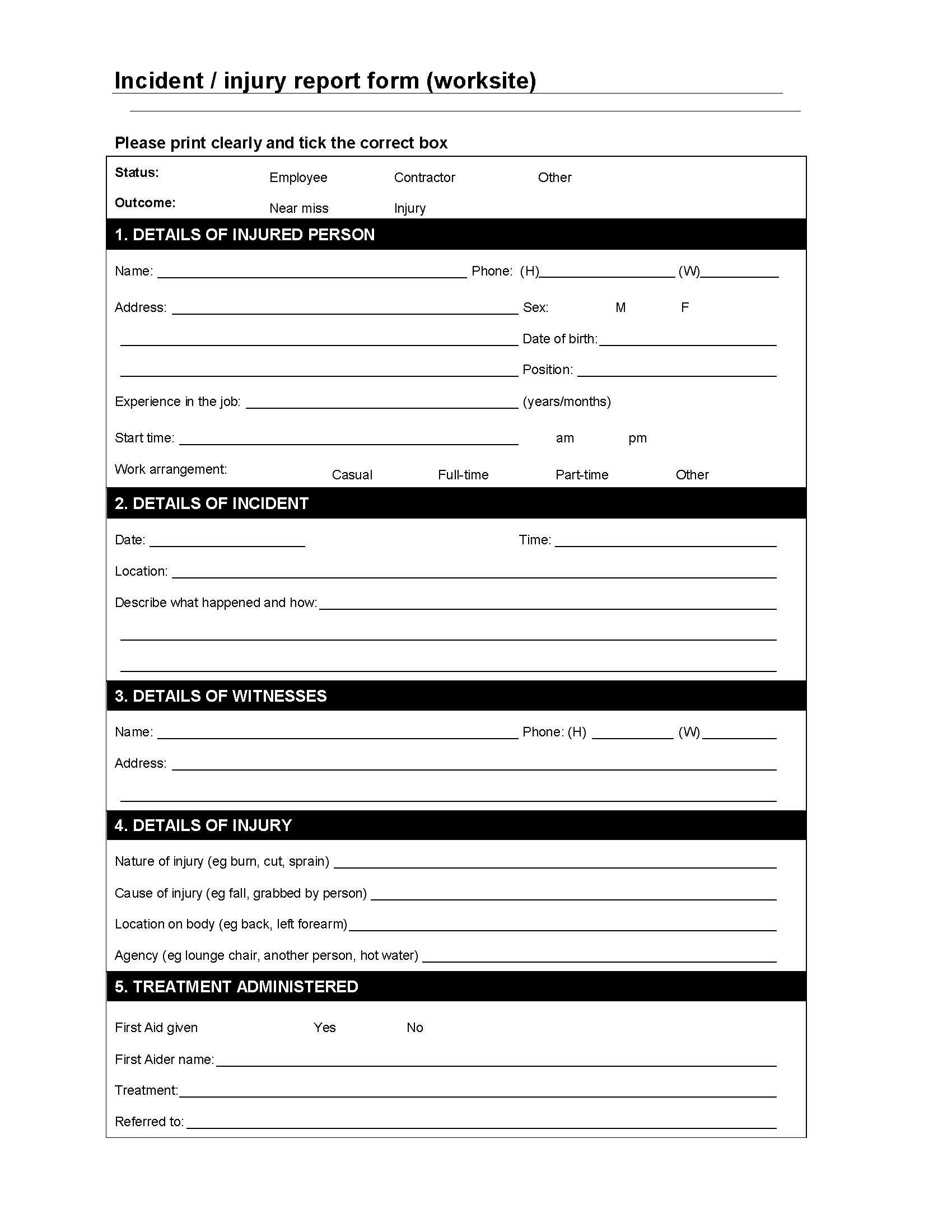
A work injury report form is an official document used to record the details of an accident, illness, or safety incident that occurs within the scope of employment. Its primary objective is to capture real-time information regarding who was involved, where and when the event happened, and what specific circumstances contributed to the injury.
For employers, maintaining a rigorous reporting process is a legal requirement under various occupational health and safety standards, such as those enforced by the Occupational Safety and Health Administration (OSHA). Accurate documentation helps safety managers identify workplace hazards, implement corrective actions, and prevent similar incidents from recurring. For employees, completing this form is often the foundational step required to initiate a workers' compensation claim, ensuring that medical expenses and lost wages are covered appropriately.
Failing to complete or properly file a work injury report form can lead to severe consequences. Employers risk regulatory fines, audits, and inflated insurance premiums due to mismanaged claims. Employees, on the other hand, may face delayed benefits, disputed claims, or outright denials if they fail to notify management within the statutory deadlines enforced by their jurisdiction or state labor board.
Prerequisites and Immediate Pre-Employment Safety Steps
Before a work injury report form can be filled out, immediate operational priorities must take precedence. Understanding these prerequisites ensures that human life is protected and legal duties are satisfied before administrative paperwork begins.
1. Prioritize Emergency Medical Care
The absolute priority in any workplace accident is the health and safety of the injured worker. If an injury is life-threatening, severe, or involves deep lacerations, major fractures, head trauma, or loss of consciousness, call emergency services immediately. Administrative documentation must never delay medical treatment.
2. Secure the Scene and Prevent Secondary Incidents
Once emergency responders have been notified or deployed, supervisors and safety officers must secure the area. This prevents further injuries to other workers and preserves evidence that may be vital for investigating the root cause of the incident. Equipment involved in the accident should be locked out or tagged out until a preliminary safety review is conducted.
3. Identify Applicable Guidelines and Deadlines
Different jurisdictions and company policies dictate strict timelines for reporting. Many organizations require notification within 24 hours of the incident, while state workers' compensation boards enforce statutory deadlines ranging from a few days to several weeks. Review internal employee handbooks or collective bargaining agreements to understand exact reporting windows.
Step-by-Step Guide: How to Fill Out the Work Injury Report Form
Completing a work injury report form requires precision, objectivity, and thoroughness. Vague statements or emotional language can complicate insurance investigations and legal evaluations. Follow this structured sequence to complete the document effectively.
- Employee Information Verification
- Name, job title, contact details, employment status
- Incident Details & Chronology
- Exact date, time, location, and equipment involved
- Injury Description & Medical Attending Details
- Affected body parts, nature of injury, treatment facility
- Witness Statements & Evidence Gathering
- Names of observers, photos, physical evidence
- Review, Signatures, and Official Filing
- Verification by employee and supervisor, submission to HR
Step 1: Complete Employee and Department Information
Start by filling out the administrative header of the form. This section identifies who was hurt and where they fit within the organizational hierarchy.
- Full Legal Name: Enter the employee's legal name as it appears on payroll records.
- Job Title and Department: Specify the exact role and department where the employee works, rather than a generic classification.
- Employment Status: Indicate whether the worker is full-time, part-time, temporary, or an independent contractor, as this can affect statutory coverage requirements.
Step 2: Document Incident Logistics (When, Where, and How)
The core of the form requires a factual narrative of the event. Avoid speculation and stick strictly to verifiable facts.
- Date and Time: Record the exact date and time the incident occurred. If it is a cumulative trauma or occupational illness, note the date symptoms were first noticed.
- Specific Location: Be precise. Instead of writing "warehouse," specify "Warehouse B, aisle 4, near the loading dock ramp."
- Chronological Narrative: Describe the sequence of events leading up to the injury. What was the employee doing? What tool, machine, or material was involved? How did the contact occur?
Step 3: Detail the Nature of the Injury and Medical Treatment
Provide clear medical specifics based on professional evaluations or visible symptoms.
- Affected Body Parts: Indicate whether the injury affected the left or right side (e.g., right wrist, lower back, left ankle).
- Type of Injury: Classify the injury accurately, such as a laceration, burn, strain, sprain, fracture, or chemical exposure.
- Medical Intervention: Note whether first aid was administered on-site, whether the worker was sent to an urgent care clinic, or if they were transported via ambulance to a hospital emergency room. Include the name of the medical facility if applicable.
Step 4: Gather Witness Statements and Evidence
Corroborating details validate the report and protect both parties from misunderstandings.
- Witness Identification: List the names and contact details of anyone who saw the accident happen or arrived immediately afterward.
- Physical Evidence: Reference any attached photographs of the hazard, broken machinery parts, or safety equipment that failed.
Step 5: Obtain Signatures and Submit
The final step requires formal verification. Both the injured employee and the reviewing supervisor should read the completed document to ensure accuracy before signing and dating it. Submitting the form to Human Resources or the safety department officially closes the intake phase.
Comparison of Workplace Incident Documentation Types
To ensure the correct document is used, organizations typically utilize different forms for different types of safety events. The table below outlines how the work injury report form compares to other standard workplace safety logs.
| Document Type | Primary Purpose | Who Fills It Out | When Is It Required? |
|---|---|---|---|
| Work Injury Report Form | Document specific employee injuries to initiate medical care and internal review. | Injured employee and direct supervisor | Immediately following any workplace accident or injury. |
| Near Miss Incident Report | Record hazardous conditions or close calls that did not result in actual injury. | Any employee or safety officer | As soon as possible after observing an unsafe condition or near miss. |
| OSHA 300 Log | Maintain an official record of work-related injuries and illnesses for regulatory compliance. | Designated employer safety manager | Annually, or updated within 7 calendar days of receiving notice of a recordable injury. |
Common Mistakes to Avoid When Using the Form
Errors in completing or processing a work injury report form can derail insurance claims and obscure underlying workplace hazards. Avoiding these common pitfalls ensures administrative integrity.
- Delaying Submission: Waiting days or weeks to complete the form can lead to faded memories, lost evidence, and potential denial of workers' compensation benefits due to late notice.
- Using Speculative Language: Avoid assigning blame, guessing at root causes, or writing subjective opinions (e.g., "The worker was being careless"). Stick strictly to observable facts.
- Omitting Minor Injuries: Employees sometimes ignore minor cuts or strains, refusing to report them. However, minor injuries can become infected or develop into chronic issues. Every workplace injury, no matter how small, should be documented.
- Failing to Investigate Contributing Factors: Treating the form as a mere administrative checkbox rather than an opportunity for safety analysis prevents organizations from fixing hazardous conditions.
Frequently Asked Questions
What should I do if my employer refuses to provide a work injury report form?
If an employer refuses to supply the form or discourages reporting, document the request in writing via email. Employees can also contact their state's workers' compensation board or labor department directly to file a claim and report safety violations.
Can an employee fill out the injury report form if days have passed since the incident?
Yes, though it is best to report incidents immediately. If an injury develops gradually (such as carpal tunnel syndrome or repetitive strain injuries), the form should be completed as soon as a medical professional diagnoses the occupational condition and connects it to workplace duties.
Is a near miss report the same as a work injury report form?
No. A near miss report is used when an unsafe event or condition occurs but no one is actually hurt. A work injury report form is specifically reserved for incidents where physical harm or occupational illness has taken place.
Who is responsible for submitting the completed form to the insurance carrier?
Typically, the employer's designated human resources representative, safety manager, or workers' compensation coordinator is responsible for transmitting the finalized report to the insurance provider and relevant regulatory bodies.
What happens after the work injury report form is submitted?
Once submitted, the organization initiates an internal review, and the workers' compensation insurance carrier evaluates the claim to determine benefit eligibility, medical management protocols, and wage replacement schedules.
Practical Next Actions
If you are currently managing a workplace incident, prioritize immediate medical attention for any affected individuals, secure the accident scene to protect other personnel, and retrieve the organization's official work injury report form. Fill out all sections objectively, gather witness accounts, and submit the document through your company's designated safety or human resources channel within the established regulatory window.
Image Gallery