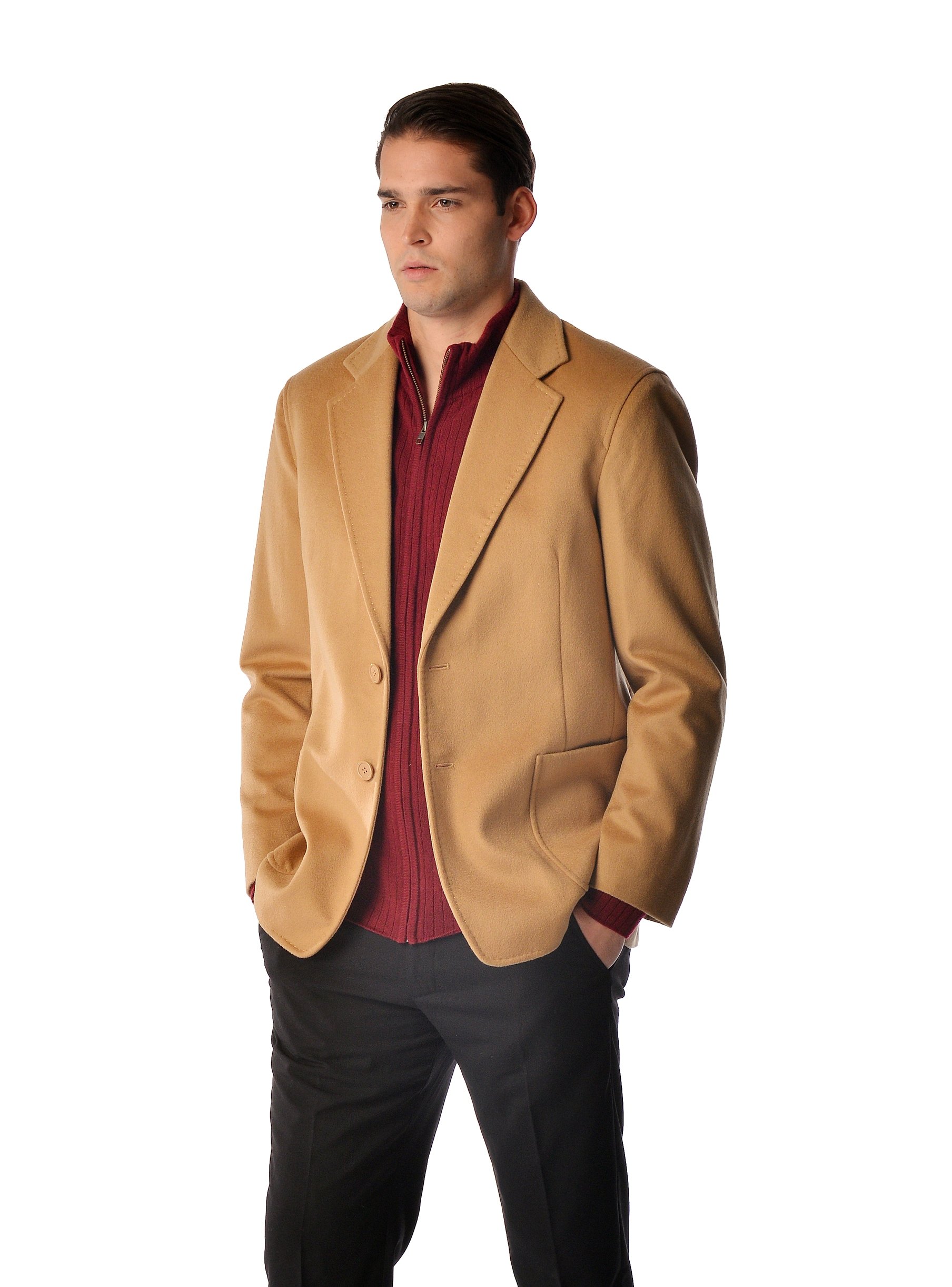
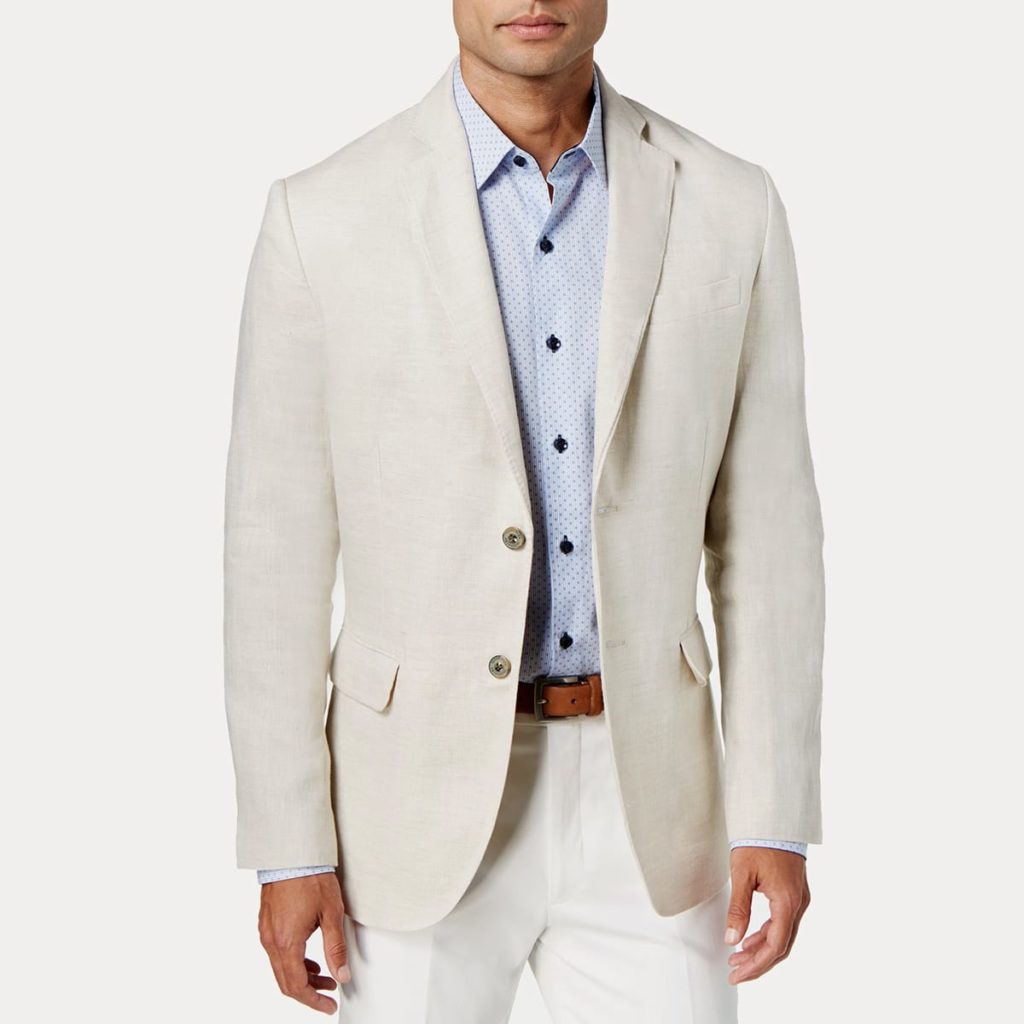
The Best Travel Sport Coat for Your Next Adventure
Finding the best travel sport coat requires balancing structured elegance with the high-performance demands of transit, temperature fluctuation, and frequent packing. An ideal travel blazer must prioritize wrinkle resistance, moisture...
Finding the best travel sport coat requires balancing structured elegance with the high-performance demands of transit, temperature fluctuation, and frequent packing. An ideal travel blazer must prioritize wrinkle resistance, moisture management, and functional pocket storage while maintaining a silhouette sharp enough for professional meetings or upscale dining in any city.
Contents
Understanding the Anatomy of a Travel-Ready Sport Coat
A standard sport coat is designed for sedentary wear in a climate-controlled office. Conversely, a travel sport coat is engineered for the rigors of modern transit. The primary differentiator lies in the fabric composition. Traditional wool, while breathable, is prone to heavy creasing and water damage. In contrast, travel-specific variants typically utilize high-twist yarns or innovative synthetic blends.
High-twist wool, often marketed as "traveler's wool," provides a natural spring-back effect that allows wrinkles to fall out overnight when the garment is hung. Furthermore, modern construction often minimizes internal structure—such as heavy chest pieces or thick shoulder pads—to allow the jacket to be folded or compressed into a carry-on without permanent distortion. When evaluating construction, look for "half-lined" or "unlined" interiors, which significantly improve airflow and reduce the weight of the garment, making it more comfortable during long layovers or humid climate transitions.
Key Performance Features to Prioritize
When searching for the optimal garment, you should evaluate the technical specifications based on your specific travel habits. Not every feature is necessary for every traveler, but the following attributes are critical for long-term utility.
Wrinkle Recovery and Fabric Memory
The most important metric for any travel blazer is its ability to recover from a suitcase. Fabrics with a "plain weave" or high-twist construction are superior to softer, brushed wools. Look for labels specifying "Crease Resistant" or "Wrinkle Recovery" finishes. Synthetic blends, particularly those incorporating nylon or polyester in low percentages (5%–15%), can reinforce natural fibers, providing additional durability without sacrificing the aesthetic of a classic blazer.
Functional Storage and Security
A travel sport coat often acts as a secondary carry-on. Examine the internal pocket architecture. A dedicated pocket for a passport, a secure zippered compartment for a boarding pass, and a designated space for a smartphone are standard in high-end travel tailoring. Ensure that these pockets are reinforced so that the weight of your items does not pull the jacket’s lapel or distort the outer fabric.
Temperature Regulation and Breathability
Travelers encounter massive temperature swings, from freezing airport terminals to humid transit hubs. Wool remains the industry standard for thermal regulation because it is naturally moisture-wicking and odor-resistant. While synthetic jackets are excellent for rain-heavy environments, natural fibers (or blends with silk/linen) offer superior breathability during warmer weather.
Comparing Material Profiles
| Material Type | Wrinkle Resistance | Breathability | Best Use Case |
|---|---|---|---|
| High-Twist Merino Wool | Excellent | High | Professional conferences, city tours |
| Technical Nylon/Poly Blend | Superior | Moderate | Commuting, humid climates, rain |
| Wool-Silk-Linen Blend | Moderate | Very High | Summer travel, warmer regions |
| Unstructured Cotton/Twill | Low | High | Casual, rugged, or warmer climates |
Practical Considerations for Selection
Before finalizing your purchase, consider the weight and drape of the fabric. A heavier jacket (measured in grams per meter of fabric) will drape better and look more formal, but it will be cumbersome in hot environments. For most adventure travel, a mid-weight fabric (roughly 240g–260g) provides the most versatility.
Another critical factor is the color and pattern. Solid navy, charcoal, or dark olive are the most forgiving colors for hiding stains or dust acquired during transit. Avoid light-colored fabrics or intricate patterns if your trip involves multiple flights and tight urban navigation, as these are more likely to show wear or require professional dry cleaning mid-trip.
Common Mistakes to Avoid
The most frequent error in selecting a travel sport coat is prioritizing fashion over fit. Because travel jackets often lack the rigid structure of a traditional suit coat, an improper fit is much more visible. Ensure the shoulders sit precisely where your arm meets your shoulder. If the jacket is too large, it will look disheveled after an hour of wear; if it is too small, the fabric will stretch and pull, leading to permanent wrinkles and potential damage to the seams.
Additionally, avoid over-packing your pockets. Even if a jacket is designed with four or five interior compartments, filling them all will ruin the drape of the garment. Use the pockets for flat, essential items like your passport and travel documents, but use your carry-on luggage for heavier electronics or thick wallets.
Frequently Asked Questions
Can I machine wash a travel sport coat?
Most professional-grade travel sport coats, even those containing wool, still require dry cleaning. Unless the manufacturer explicitly labels the garment as "machine washable," do not attempt to launder it at home, as the interlining may shrink or warp, permanently ruining the jacket’s structure.
How should I pack a sport coat for minimal wrinkling?
The best method is the "inside-out fold." Turn the jacket inside out, place the shoulders together, and fold it in half. Place it on top of your luggage or in a dedicated garment bag. If you have limited space, rolling the jacket (rather than folding) can be effective for technical synthetic fabrics, though this may create set-in creases in traditional wool blends.
Is an unstructured blazer appropriate for formal events?
An unstructured blazer is perfectly acceptable for most modern business-casual and upscale-casual environments. However, if your travel includes black-tie events or strictly formal diplomatic functions, a traditional, fully canvassed suit jacket is still required to maintain the necessary silhouette.
How does climate affect my choice of fabric?
If you are traveling to a region with high humidity, avoid 100% heavy wools. Opt for an unlined, high-twist wool-linen blend, which allows for maximum airflow. Conversely, for colder climates, a wool-cashmere blend provides the necessary insulation without adding excessive bulk to your luggage.
Why do some travel coats have a higher price point?
The cost of a travel sport coat is driven by the complexity of the internal tailoring and the technical nature of the fabric. Designing a jacket that remains wrinkle-free while retaining the appearance of high-end tailoring requires expensive, specialized textile engineering and meticulous construction that goes beyond standard ready-to-wear production.
Recommendation for Your Next Purchase
For the most versatile experience, invest in an unstructured, high-twist wool jacket in navy blue. This piece serves as the "Swiss Army Knife" of travel clothing, capable of transitioning from an airport arrival to a dinner reservation without looking crushed. If you frequent regions with high precipitation, prioritize a technical blend with a hydrophobic finish, which will repel light rain while maintaining a sharp appearance. Always verify the fabric content on the garment’s tag to ensure it matches the technical requirements of your destination.
Image Gallery