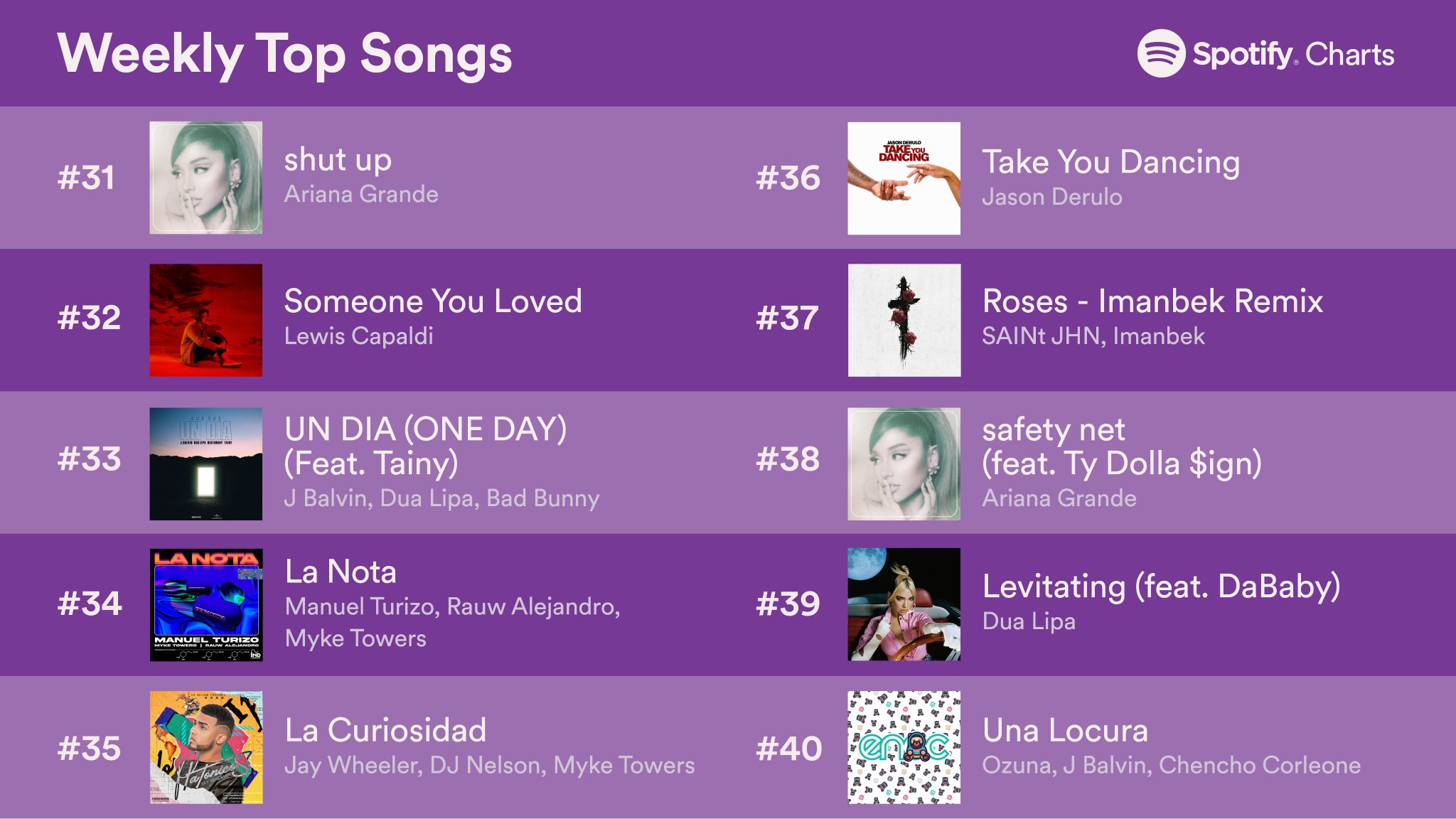
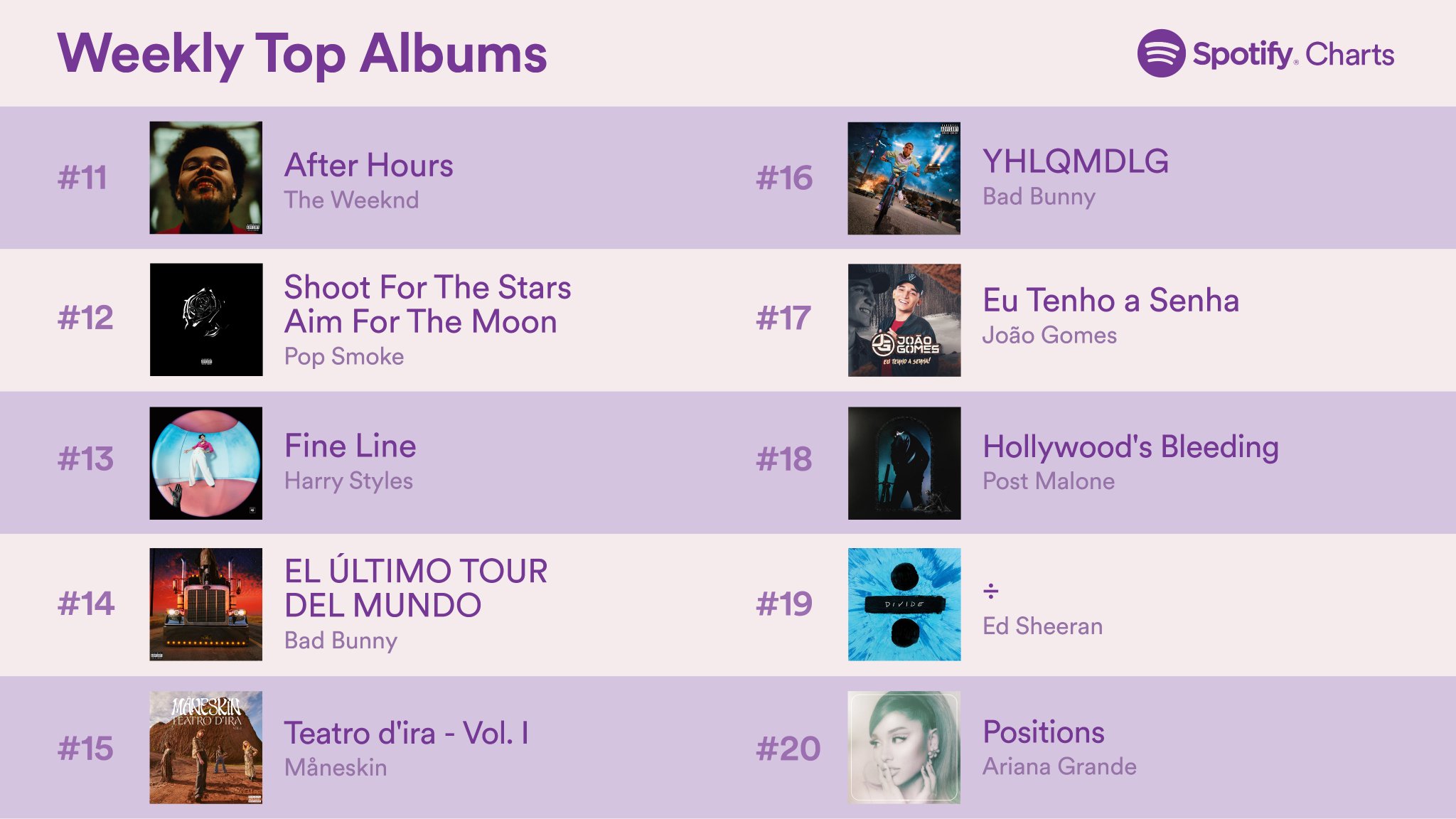
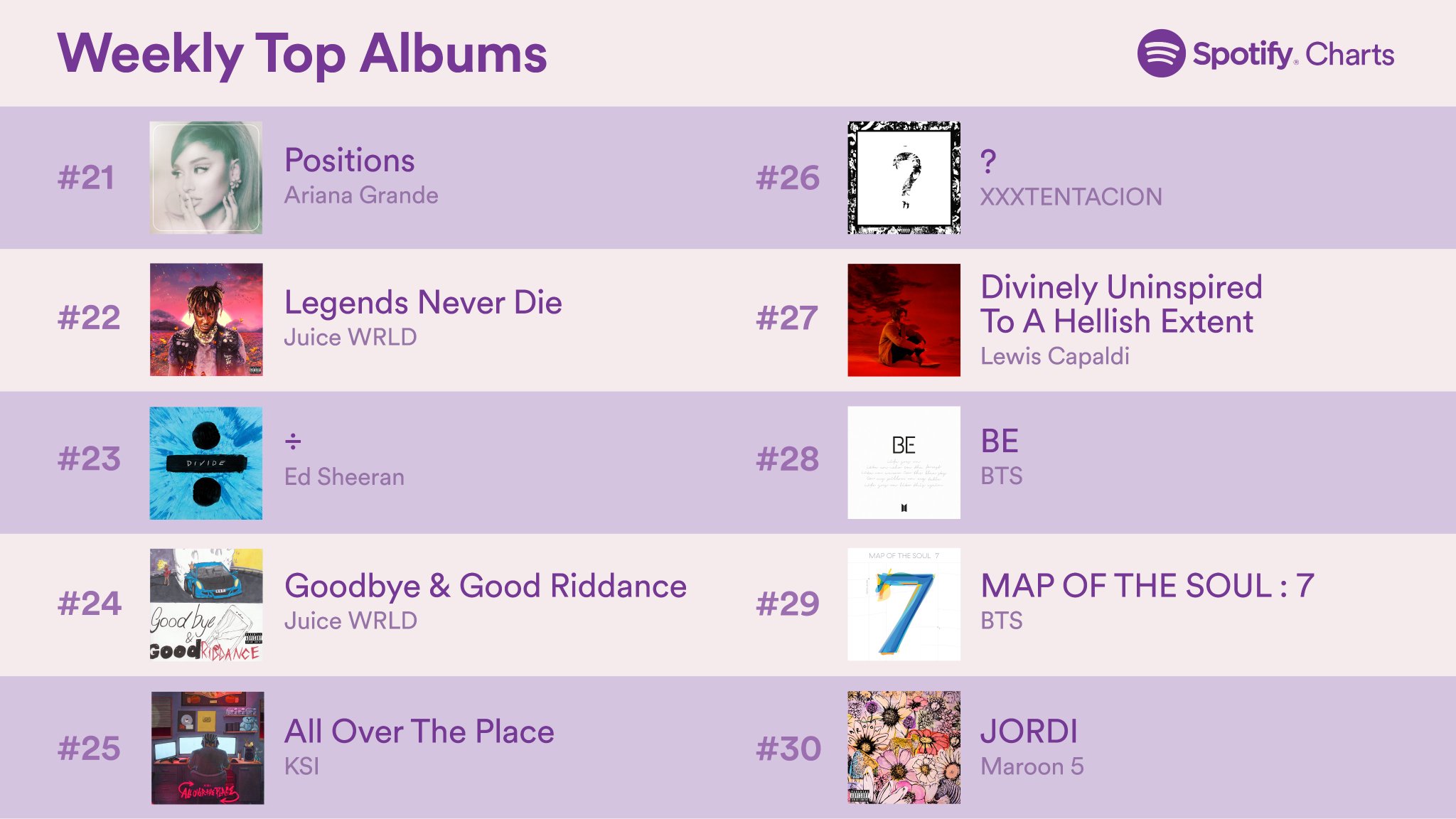
Understanding How Spotify Charts Determine Album Rankings
Spotify charts determine album rankings by aggregating global and regional streaming data, specifically focusing on the number of streams generated by individual tracks within an album, weighted against engagement metrics and account a...
Spotify charts determine album rankings by aggregating global and regional streaming data, specifically focusing on the number of streams generated by individual tracks within an album, weighted against engagement metrics and account authenticity. These rankings are calculated daily and weekly to reflect listener habits, popularity trends, and the overall consumption volume of albums across the platform's ecosystem.
Contents
The Mechanism of Spotify Album Ranking
At its core, the Spotify Charts system is designed to provide a transparent snapshot of what the world is listening to at any given moment. Unlike traditional music charts that may weigh physical sales or digital downloads, Spotify’s ranking system is almost entirely consumption-based. When you look at the "Top Albums" chart, the algorithm is performing a complex calculation that translates raw stream counts into a relative popularity index.
The primary metric used is the Total Stream Count attributed to an album within a specific timeframe. However, this is not a simple cumulative addition of every click. Spotify employs sophisticated filtering processes to identify and exclude "artificial" or "bot-driven" streams. This ensures that the chart represents genuine human interest. When an account exhibits behavior inconsistent with natural listening habits—such as repeated, non-stop loops of a single track or automated playback—those streams are discounted from the ranking algorithm.
Factors Influencing Data Collection
To understand how an album climbs the charts, one must examine the specific data points Spotify tracks. The platform distinguishes between active and passive listening, though both contribute to the overall stream count.
- Verified Streams: Spotify requires that a track must be listened to for at least 30 seconds to be counted as a legitimate stream. This rule is consistent across all charts, whether for individual tracks or the aggregation of an album.
- Geographic Weighting: Spotify maintains both global and regional charts. When an album performs exceptionally well in a specific market (e.g., the United States or the United Kingdom), its ranking on that regional chart will spike. Global charts, conversely, aggregate this data from all available markets, normalizing the numbers to account for population differences and market penetration.
- Unique Listeners: While total streams are the primary driver, the number of unique listeners provides depth to the ranking. An album with a massive, dedicated following that listens to the entire project repeatedly often ranks higher than an album with a larger but more transient audience that only streams a single popular hit.
The Role of Algorithm and User Behavior
Beyond raw numbers, Spotify utilizes proprietary algorithms to detect trends. The platform’s "Release Radar" and "Discover Weekly" features often drive initial streams, but the charts are fundamentally a mirror of organic discovery. If an album is being actively searched for by users or recommended through peer-to-peer sharing, the algorithmic "heat" of that album increases.
This leads to a feedback loop: an album that breaks into the Top 10 or Top 50 gains increased visibility on the Spotify Home and Search tabs. This visibility generates more streams, which in turn solidifies the album's chart position. This "viral effect" is a significant contributor to why certain albums maintain their rank for weeks, while others drop off shortly after their release weekend.
Comparison of Chart Metrics and Impact
The following table outlines the fundamental differences between the metrics used by Spotify and how they contribute to the visibility of an album.
| Metric Type | Measurement Basis | Impact on Ranking |
|---|---|---|
| Total Streams | 30+ seconds of playback per track | High - Direct driver of ranking |
| Unique Listeners | Distinct user accounts per album | Moderate - Measures breadth of appeal |
| User Saves | Adding album to "Liked" or library | Low/Indirect - Signals long-term retention |
| Geography | Origin of the stream (IP/Account) | Moderate - Determines regional chart placement |
| Filtering | Detection of bot/non-human behavior | Critical - Prevents artificial ranking spikes |
Eligibility and Prerequisites
For an album to be eligible for the Spotify Charts, it must be ingested into the platform through an authorized distributor or label services provider. There is no manual "application" process to enter the charts; the moment an album is live and receiving streams, it is eligible to appear.
However, the metadata must be accurate. If an album’s metadata—such as the artist name, album title, or release date—is formatted inconsistently, the algorithm may split streams across multiple "versions" of the same release. Ensuring that all tracks are linked to the correct Album ID through your distributor is the most important prerequisite for accurate chart inclusion.
Common Misconceptions About Chart Rankings
There is often confusion regarding the role of "editorial playlists." While being placed on high-traffic playlists like Today’s Top Hits or RapCaviar significantly increases the number of streams an album receives, the charts themselves are not directly manipulated by editorial staff. The editors choose the content, but the chart reflects how users interact with that content.
Another common misconception involves the "weight" of premium vs. free-tier streams. Spotify confirms that streams from all tiers count toward the charts, provided they meet the minimum duration requirement and pass the platform's fraud detection filters. There is no explicit "multiplier" for paid subscribers in the public-facing charts.
Troubleshooting: Why Your Album Isn't Ranking
If you believe your album should be performing better on the charts than it appears, consider these common issues:
- Metadata Mismatch: If your album was released with two different barcodes or inconsistent contributor data, your streams may be fragmented across different versions of the album, preventing a unified ranking.
- Market Saturation: Highly competitive release windows (such as major holidays or high-profile industry release days) can bury an album, even if it has high streaming volume, because other releases are simply garnering higher volume.
- Bot Filter "Shadowing": If your promotion strategy involved third-party services that promise "guaranteed streams," your account or tracks may have been flagged. Spotify’s filtering systems will exclude these streams from chart calculations, which may result in a discrepancy between your dashboard numbers and the chart position.
Strategic Next Actions for Artists and Labels
To maximize your presence on the Spotify charts, focus on creating an ecosystem of engagement around the release. Instead of relying solely on one track, drive users to engage with the album as a cohesive body of work. Utilize "Spotify Canvas" and "Album Clips" to keep listeners in the app longer, as session length is a vital indicator of high-quality engagement.
Furthermore, utilize the "Spotify for Artists" dashboard to monitor your audience's behavior. If you see a high drop-off rate after the first track, your album's ability to rank is severely hindered, as the algorithm favors projects that maintain listener attention from start to finish. Finally, ensure your release is properly pitched through the Spotify for Artists tool well in advance of the street date to give the platform’s internal editorial team the opportunity to consider it for high-traffic playlists, which provide the necessary baseline of streams to break onto the charts.
Frequently Asked Questions
Does listening to an album on repeat count for the charts? Yes, but with limitations. Spotify’s algorithms are designed to identify repetitive behavior that indicates bot usage or unnatural streaming. While legitimate repeat listening counts, the platform effectively filters out automated loops to ensure the integrity of the data.
Is there a minimum number of streams required to appear on the charts? Spotify does not disclose a specific numeric threshold. Chart positions are relative to all other albums in the ecosystem. If there is low competition, an album may reach the charts with fewer streams than it would require during a week with multiple major-label releases.
Do physical album sales affect the Spotify charts? No. The Spotify charts are strictly digital consumption-based. Physical sales (CDs, vinyl, cassettes) reported to industry bodies like Luminate for Billboard charts are entirely separate and do not influence Spotify’s internal ranking algorithms.
Why does my chart position change throughout the day? Spotify Charts are updated periodically. Because streaming consumption is a living data set, the rankings are dynamic. A spike in listeners in a different time zone can influence the global chart mid-day, leading to fluctuations in rank.
Can I pay Spotify to put my album on the charts? No. Spotify does not offer a service to purchase chart placement. Any third-party service claiming they can guarantee a chart position is likely using illicit practices that could result in your music being removed from the platform for violating terms of service regarding artificial streaming.
Image Gallery