How to Apply for Medicaid in Maryland: A Complete 2026 Enrollment Guide
Maryland residents can apply for Medicaid, also known as Medical Assistance (MA), year-round through the Maryland Health Connection website, the mobile app, by phone, or in person at local health departments. Eligibility is primarily b...
Maryland residents can apply for Medicaid, also known as Medical Assistance (MA), year-round through the Maryland Health Connection website, the mobile app, by phone, or in person at local health departments. Eligibility is primarily based on household income, size, and residency, with coverage often beginning on the first day of the month of application.
Contents
The Maryland Medical Assistance Program is a joint state and federal program designed to provide comprehensive health coverage to individuals who meet specific income and asset requirements. In 2026, the program continues to serve as a vital safety net, covering a wide range of services from doctor visits and hospital stays to prescription drugs and long-term care. Navigating the application process requires an understanding of which pathway fits your specific demographic—whether you are a low-income adult, a parent, a child, or an individual with a disability.
Understanding Medicaid Eligibility in Maryland
Eligibility for Maryland Medicaid is divided into two primary categories: those based on Modified Adjusted Gross Income (MAGI) and those based on non-MAGI criteria. Understanding which category you fall into is the first step in determining how and where to apply.
MAGI-Based Eligibility
Most adults under age 65, pregnant women, and children fall under the MAGI category. This system was established to simplify the application process by aligning Medicaid income rules with federal tax rules. For these groups, there is generally no "asset test," meaning the value of your home or car does not count against your eligibility; only your taxable income matters.
As of 2026, the income thresholds are based on the Federal Poverty Level (FPL). Generally, adults may qualify if their household income is at or below 138% of the FPL. Children and pregnant women often qualify at much higher income levels through the Maryland Children’s Health Program (MCHP).
Non-MAGI Eligibility (Aged, Blind, or Disabled)
If you are age 65 or older, blind, or have a permanent disability, your eligibility is determined using different criteria. These individuals are often referred to as the "ABD" (Aged, Blind, and Disabled) population. Unlike the MAGI group, this category does include an asset test. Applicants must demonstrate that their countable resources (such as bank accounts or secondary properties) fall below state-mandated limits.
Required Documentation for Your Application
Before starting the application, gathering the necessary documentation will prevent delays. Maryland utilizes an automated verification system that checks electronic records, but if your information cannot be verified instantly, you will be required to submit copies of specific documents.
- Social Security Numbers: Required for all household members applying for coverage. This is used to verify income and citizenship status.
- Proof of Income: This includes recent pay stubs, W-2 forms, or tax returns. If you are self-employed, you may need to provide a ledger of income and expenses.
- Citizenship or Immigration Status: U.S. citizens may need a birth certificate or passport. Non-citizens must provide immigration documents, such as a Permanent Resident Card (Green Card) or employment authorization documents.
- Residency Verification: While often verified electronically, you should have a lease agreement, utility bill, or mortgage statement ready to prove you live in Maryland.
- Current Health Insurance Info: If anyone in the household currently has health insurance (including Medicare), you must provide the policy numbers and coverage details.
Step-by-Step Methods to Apply for Maryland Medicaid
Maryland offers five primary methods to apply for Medical Assistance. For most residents, the Maryland Health Connection (MHC) is the central hub for enrollment.
1. Online via Maryland Health Connection
The fastest and most common way to apply is through the Maryland Health Connection website. The portal is designed to provide a "no wrong door" experience. When you enter your household data, the system automatically determines if you qualify for Medicaid, MCHP, or if you are eligible for private insurance subsidies.
The online portal allows you to upload documents directly, view notices, and select a Managed Care Organization (MCO). In 2026, the interface remains optimized for both desktop and mobile browsing, offering real-time status updates on your application.
2. The "Enroll MHC" Mobile App
For those who prefer using a smartphone, the Enroll MHC app is available for both Apple and Android devices. This app allows you to use your phone's camera to scan and upload required documents, such as pay stubs or ID cards. It also features a "Quick Look" tool to see if you might be eligible before you even start the full application.
3. Application by Phone
If you prefer speaking with a representative or require language assistance, you can call the Maryland Health Connection Consolidated Service Center at 1-855-642-8572 (Deaf and hard of hearing use 711). The call center can complete the entire application over the phone. This is particularly helpful for individuals with complex household structures or those who find the online portal difficult to navigate.
4. In-Person Assistance
Maryland maintains a robust network of local resources. You can visit:
- Local Health Departments: Every county in Maryland has a health department staffed with workers who can process Medicaid applications.
- Department of Social Services (DSS): This is the primary route for individuals applying for ABD Medicaid or long-term care services.
- Connector Entities: These are community organizations funded by the state to provide free, unbiased help with enrollment. Navigators at these locations can explain plan differences and help with the technical side of the application.
5. Paper Application by Mail
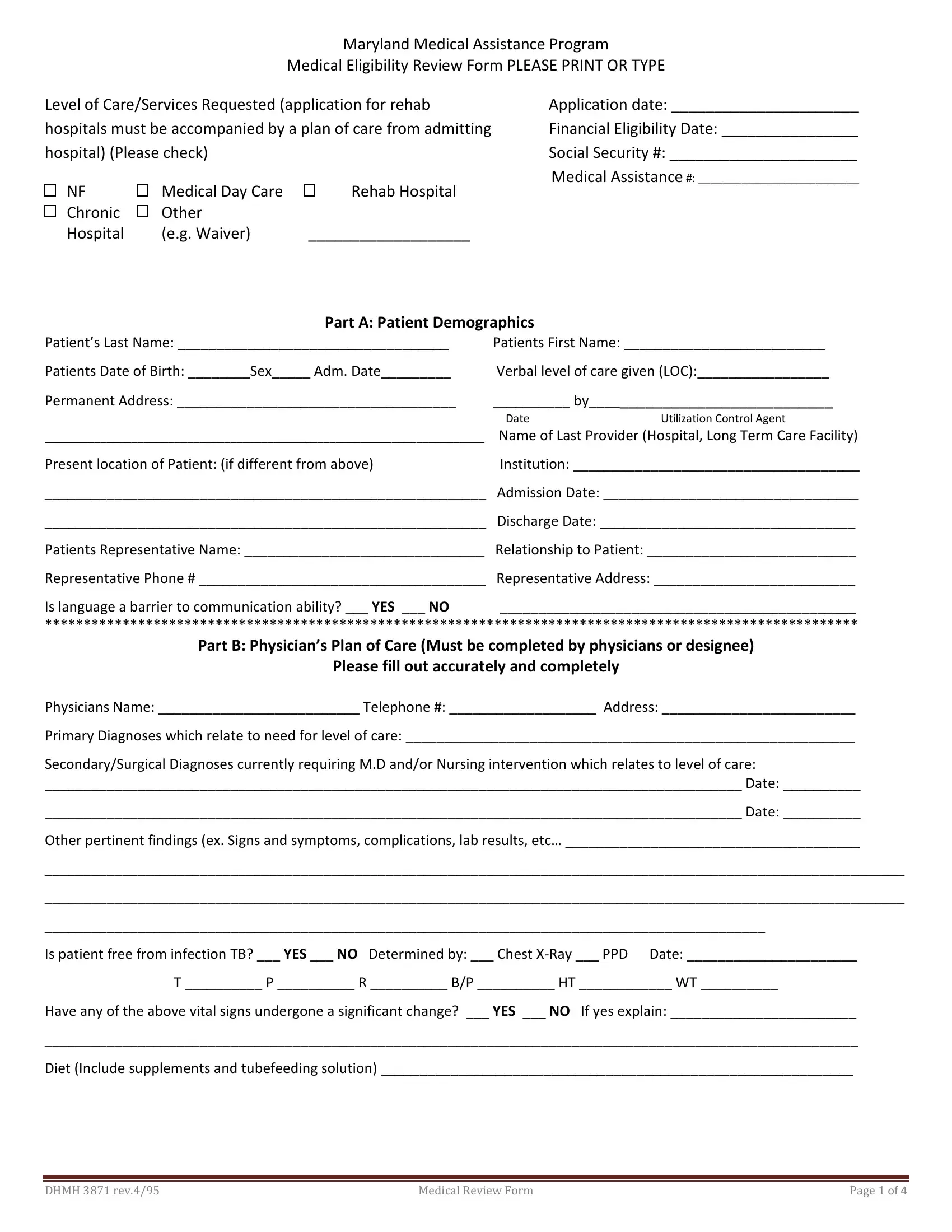
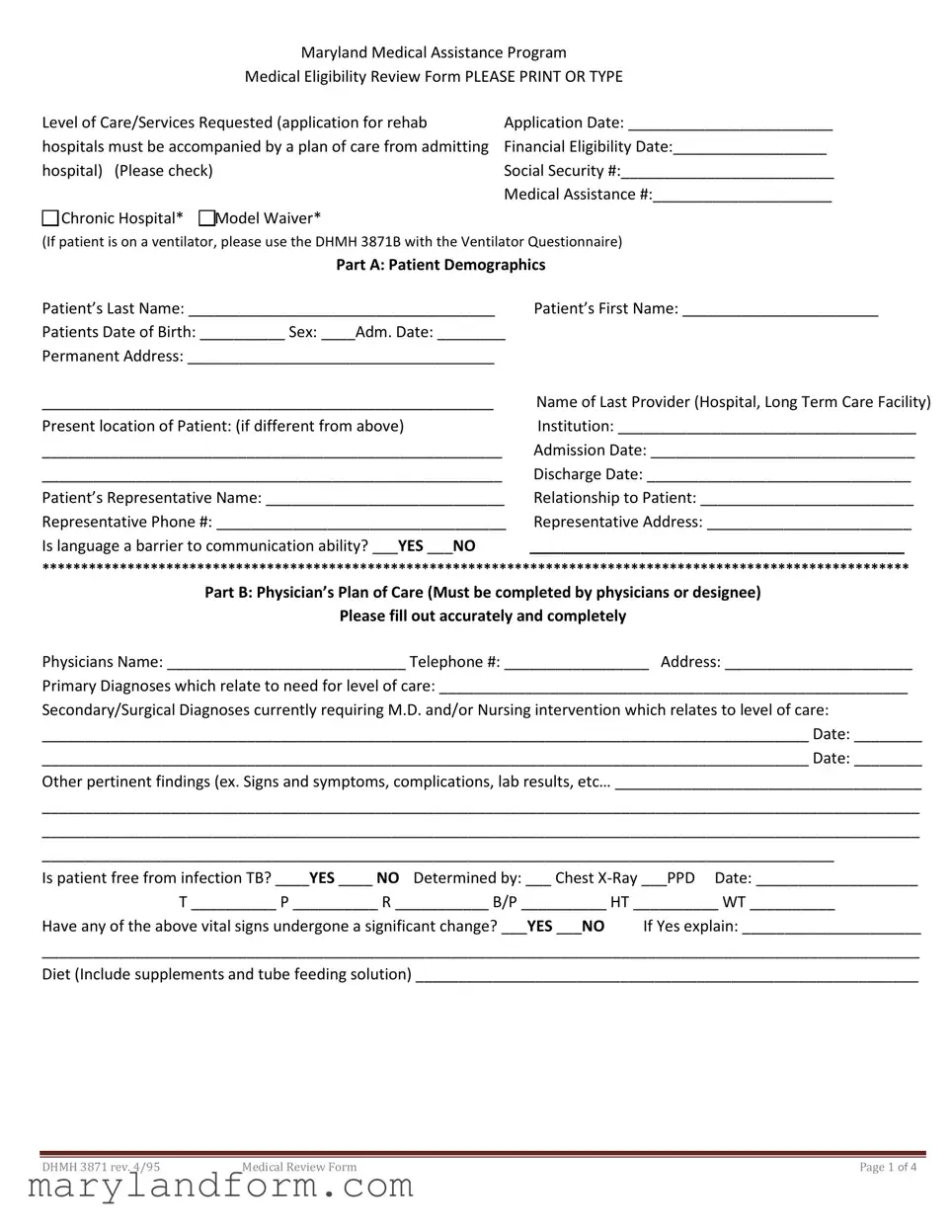
While slower than electronic methods, you can download and print a paper application from the Maryland Health Connection website or request one by phone. Once completed, the application can be mailed to: Maryland Health Connection, P.O. Box 857, Lanham, MD 20703.
Comparing Application Methods
| Method | Speed of Result | Best For | Support Level |
|---|---|---|---|
| Online (MHC) | Instant/Real-time | Most applicants, tech-savvy users | Self-service with chat support |
| Mobile App | Instant/Real-time | Users without computers, document uploads | Self-service |
| Phone | Immediate during call | Language barriers, complex questions | High (guided by agent) |
| In-Person | Varies by office | Seniors, those needing hands-on help | Highest (face-to-face) |
| 2–4 weeks | Those without digital access | Low (self-guided) |
The Application Review and Determination Process
Once you submit your application, the Maryland Department of Health reviews the data. If you apply through Maryland Health Connection, you will often receive an eligibility determination immediately.
Managed Care Organization (MCO) Selection
If you are found eligible for Medicaid, you must choose a Managed Care Organization. In Maryland, the "HealthChoice" program is the way most Medicaid recipients receive their care. You will have several MCOs to choose from, such as Priority Partners, Maryland Physicians Care, or Amerigroup. Each MCO has its own network of doctors and hospitals, so it is crucial to check if your current physician participates in the plan you select.
The "Redirection" to Department of Social Services
If your application indicates that you are over 65 or have a disability that requires a more intensive level of care (like a nursing home), your case may be "redirected" to the Maryland Department of Human Services (DHS). The DHS handles the more stringent asset-based eligibility checks required for these programs.
Common Obstacles and How to Avoid Them
The most common reason for a delay or denial in Maryland Medicaid is "failure to provide information." This usually occurs when an applicant's reported income does not match the data found in state employment or IRS records.
- Income Discrepancies: If you recently lost your job or your hours were reduced, your current income will be lower than what the state sees in its last quarterly report. You must proactively upload a termination letter or your most recent pay stub to explain the change.
- Address Updates: Medicaid coverage must be renewed annually. If you move and do not update your address with Maryland Health Connection, you will miss your renewal notice, which can lead to an automatic termination of benefits.
- Tax Filing Status: Ensure your application reflects how you plan to file your federal taxes for the year 2026. Medicaid eligibility is tied to the "tax household," and discrepancies here can lead to eligibility errors.
FAQ: Frequently Asked Questions
Is there a specific open enrollment period for Maryland Medicaid?
No. Unlike private health insurance, you can apply for Medicaid in Maryland at any time during the year. There is no need to wait for a specific window or to have a qualifying life event to seek coverage.
How long does it take for coverage to start?
In many cases, if you are determined eligible, your coverage is effective on the first day of the month you applied. For example, if you apply on June 15 and are approved, your coverage will backdate to June 1. Some applicants may also qualify for "Retroactive Medicaid," which covers unpaid medical bills from the three months prior to the application month.
Can I have Medicaid if I am offered insurance through my employer?
Yes, but it depends on your income. If your employer-sponsored insurance is considered "unaffordable" by Maryland Health Connection standards and your income is within Medicaid limits, you may still qualify. In some cases, Maryland may even help pay your employer-sponsored insurance premiums through the Health Insurance Premium Payment (HIPP) program.
What is the difference between Medicaid and MCHP?
The Maryland Children’s Health Program (MCHP) is Maryland's version of the federal CHIP program. It provides Medicaid-like benefits to children up to age 19 in families with incomes too high for standard Medicaid but too low for private insurance. Some families may have to pay a small monthly premium (MCHP Premium), while others pay nothing.
What should I do if my application is denied?
If you disagree with an eligibility decision, you have the right to request a Fair Hearing. You must generally request this within 90 days of the date on your denial notice. You can continue to receive benefits while waiting for the hearing if you were already enrolled and are appealing a termination, though you may have to pay them back if you lose the appeal.
Next Steps for Applicants
To begin your application today, visit the Maryland Health Connection and create an account. If you are unsure about your income or household size, use the "Estimate Eligibility" tool on the site for a quick assessment. For those applying due to a disability or for long-term care, your first step should be contacting your local Department of Social Services to ensure you are completing the correct non-MAGI application forms. Once enrolled, remember to keep your contact information updated to ensure you receive your annual renewal packets and keep your coverage active throughout 2026 and beyond.
Image Gallery