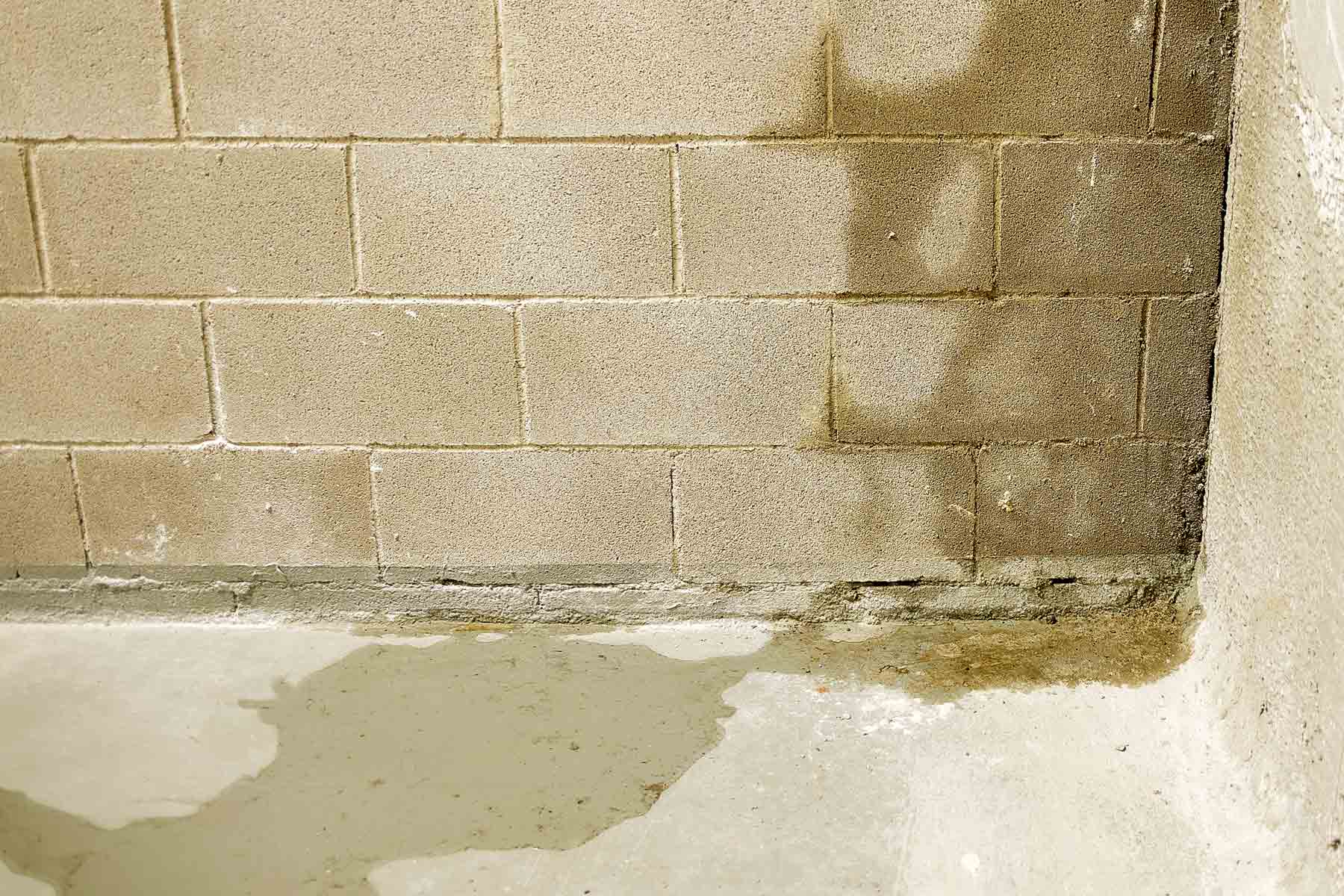
Comprehensive Guide to Foundation Leak Repair in Dallas
Foundation leak repair in Dallas addresses the critical structural threats caused by the region's notoriously reactive clay soils, shifting weather patterns, and aging plumbing networks. When moisture levels fluctuate dramatically betw...
Foundation leak repair in Dallas addresses the critical structural threats caused by the region's notoriously reactive clay soils, shifting weather patterns, and aging plumbing networks. When moisture levels fluctuate dramatically between intense summer droughts and sudden heavy rains, Dallas foundations experience severe stress, leading to slab cracks, shifting structural elements, and under-slab water or sewer leaks that require professional engineering and repair interventions.
Contents
Understanding the root causes, diagnostic processes, repair methodologies, and preventive maintenance strategies is essential for Dallas property owners. Because foundation integrity dictates the safety and long-term value of a structure, addressing leaks early prevents catastrophic structural failure and mitigates expensive secondary damages like mold growth and compromised framing.
The Unique Geological and Climatic Challenges in Dallas
The foundation landscape in North Texas is heavily defined by Blackland Prairie clay, a highly expansive soil type. When this soil absorbs moisture, it swells significantly; during dry spells, it shrinks and contracts. This constant volumetric change exerts immense vertical and lateral pressure on concrete slab foundations and pier-and-beam systems alike.
Soil Mechanics and Moisture Infiltration
Dallas experiences erratic precipitation cycles. Heavy downpours saturate the top layers of clay, while prolonged summer heat bakes the ground, causing deep fissures. When plumbing lines run beneath concrete slabs, the shifting soil can shear PVC or cast-iron pipes. Conversely, an undetected leak from a pressurized water supply line or a cracked drain line can pump thousands of gallons of water directly into the sub-slab soil, causing localized heaving.
Common Signs of Foundation and Under-Slab Leaks
Recognizing the early indicators of foundation distress saves homeowners thousands of dollars in remediation costs. Property owners should monitor their structures for specific diagnostic red flags:
- Interior Structural Shifts: Doors and windows that stick, jam, or fail to latch properly as frames shift out of square.
- Cosmetic Cracking: Diagonal drywall cracks radiating from the corners of doors and windows, or large separations in brick veneer on the exterior facade.
- Flooring Anomalies: Gaps between baseboards and floors, uneven or sloping interior concrete slabs, and buckling wood or tile flooring.
- Plumbing and Utility Red Flags: Unexplained spikes in water bills, the sound of running water when all fixtures are turned off, warm spots on the floor (indicating a hot water line leak), or damp, musty odors suggesting mold growth beneath carpets.
Diagnostic Procedures: Finding the Source of the Leak
Before any physical repair can commence, specialists must pinpoint the exact location and nature of the failure. Because most Dallas homes feature monolithic concrete slabs poured directly over the soil, leaks are hidden from plain sight.
Electronic Leak Detection
Modern diagnostic protocols rely on non-invasive technology. Leak detection technicians use acoustic listening devices, thermal imaging cameras, and helium gas tracing tests to isolate pressurized water line failures beneath concrete slabs. By listening for the distinct frequency of escaping water under pressure, specialists can map pipe paths and locate breaches within inches, minimizing exploratory demolition of flooring.
Plumbing Pressure Testing
To differentiate between a structural foundation settlement issue and an actual plumbing leak, technicians perform hydrostatic isolation tests. By plugging the main sewer cleanouts and filling the drain system with water, inspectors monitor water level drops over time. Similar pressure gauges are attached to supply lines to check for pressure decay. If a drain line loses water, a camera inspection (sewer scope) is deployed to visually record cracks, root intrusions, or offset joints.
Primary Repair Methodologies
Once diagnostic tests confirm the presence of a foundation leak and any associated structural damage, repair contractors deploy specific engineering solutions tailored to the property type.
| Repair Method | Primary Application | Operational Mechanism | Estimated Disruption |
|---|---|---|---|
| Under-Slab Tunneling | Major plumbing leaks beneath concrete slabs | Excavating horizontal tunnels by hand underneath the foundation to access pipes without breaking indoor flooring. | Moderate (exterior yard disruption) |
| Direct Slab Penetration | Accessible interior plumbing leaks | Cutting a square hole directly through the concrete slab, repairing the pipe, and repouring concrete. | High (interior dust, flooring replacement required) |
| Steel Piers / Pressed Pilings | Structural settlement and foundation sinking | Driving high-capacity steel or concrete pilings down to load-bearing strata to lift and stabilize the foundation. | Low to Moderate (perimeter excavation) |
| Root Barrier Installation | Soil stabilization near trees | Installing heavy-duty plastic or metal barriers vertically into the soil to prevent tree roots from drawing moisture from beneath the foundation. | Low (trenching along foundation perimeter) |
Under-Slab Plumbing Repair vs. Tunneling
When a sewer or water line beneath a slab fails, contractors traditionally had to jackhammer through indoor living room or kitchen floors to reach the pipe. Today, tunneling has become the preferred method for many Dallas homeowners. Crews dig a trench from the exterior foundation perimeter inward underneath the slab, reaching the damaged pipe from below. This preserves interior flooring, cabinets, and finishes, allowing families to remain in the home during extensive utility repairs.
Structural Stabilization: Piers and Pilings
If the foundation leak has caused soil washouts or differential settlement, plumbing repair alone is insufficient. Structural stabilization must accompany the fix. Steel piers are hydraulically driven into stable limestone bedrock or load-bearing strata deep beneath the expansive clay. The weight of the home is then transferred onto these piers, lifting settled sections back toward their original elevation where feasible and locking them into a stable position.
Cost Factors and Financial Considerations
The financial investment required for foundation leak repair in Dallas varies widely depending on the severity of the damage, the depth of the utility lines, and whether structural lifting is required.
- Diagnostic Fees: Professional leak detection and plumbing isolation tests typically range from $350 to $750.
- Under-Slab Plumbing Repairs: Spot repairs for localized pipe breaks generally range from $1,500 to $4,500, with tunneling adding an extra $2,000 to $6,000 depending on the linear footage required.
- Structural Pier Installation: Pressed concrete or steel pilings range from $1,000 to $2,500 per pier, with an average project requiring anywhere from 8 to 20 piers.
Homeowners should verify whether their homeowners insurance policy covers plumbing leaks. While standard policies routinely exclude structural foundation movement caused by settling or soil expansion, they frequently cover the cost of accessing the plumbing leak (the "rip and tear" clause) if the pipe failure was sudden and accidental rather than the result of long-term wear or neglect.
Preventive Maintenance for Dallas Property Owners
Mitigating future foundation stress requires active moisture management. Because clay soil shrinks drastically when dry, maintaining consistent moisture levels around the perimeter of a Dallas home is paramount.
- Soaker Hoses and Watering Systems: Automated drip systems or manual soaker hoses placed 12 to 18 inches away from the foundation wall help maintain uniform soil moisture during scorching summer months.
- Proper Drainage Grading: The ground surrounding the foundation must slope outward at a minimum rate of six inches over the first ten feet to ensure rainwater drains away from structural footings rather than pooling against them.
- Gutter and Downspout Extensions: Directing roof runoff at least four to six feet away from the foundation prevents localized soil saturation during heavy North Texas thunderstorms.
- Tree and Vegetation Management: Large trees—such as elm, ash, and oak—consume massive quantities of water. Planting large trees too close to a foundation increases the risk of extreme soil dehydration and subsequent settlement.
Frequently Asked Questions
How do I know if my water bill spike is due to a foundation leak?
A sudden increase in water usage without a change in household habits often points to a hidden leak. To confirm, check your water meter's leak indicator dial when all indoor and outdoor faucets are closed. If the dial is spinning, water is escaping somewhere in the system. Further diagnostic isolation tests will determine if that leak is underground or within the walls.
Can a foundation leak cause mold growth inside my home?
Yes. When under-slab water or sewer lines leak, moisture migrates upward through the porous concrete slab via capillary action. This elevates indoor relative humidity, saturates carpet tack strips, and creates ideal conditions for toxic mold colonies to develop behind baseboards and under flooring surfaces.
Are foundation repairs guaranteed by contractors?
Reputable structural repair and plumbing contractors in Dallas typically offer lifetime transferable warranties on steel and concrete pier installations. However, plumbing repair warranties vary, often covering the specific fitting or section of pipe replaced for a period ranging from one to ten years. Always review contract terms carefully.
Should I repair the plumbing leak before fixing the foundation settlement?
Yes. Plumbing leaks must always be located and repaired before structural lifting takes place. Pumping water into the soil via a leaking pipe while attempting to lift a foundation creates an unstable working environment, compromises the load-bearing capacity of the soil, and frequently leads to recurring structural failures.
How long does a complete foundation and plumbing repair project take?
Most standard residential under-slab plumbing repairs combined with tunneling take between two to five days. If extensive structural pier installation is required concurrently, the total project duration can extend from three days to a full week, depending on weather conditions and city inspection schedules.
Conclusion and Next Actions
Addressing a foundation leak in Dallas requires a coordinated approach that combines precise electronic leak detection, expert plumbing repair via tunneling or direct access, and, when necessary, certified structural pier stabilization. Homeowners suspecting a compromise should immediately schedule a professional evaluation with a licensed plumber and a structural engineer. Taking swift, informed action protects your home's structural integrity, preserves property equity, and prevents minor leaks from escalating into major structural disasters.
Image Gallery