Greyson Chance on Ellen: A Comprehensive Look at the Surprising Appearance and Subsequent Public Discourse
Greyson Chance’s ascent to fame is intrinsically linked to his 2010 appearance on The Ellen DeGeneres Show, where a viral video of him performing Lady Gaga’s “Paparazzi” at a middle school talent show catapulted him into the global spo...
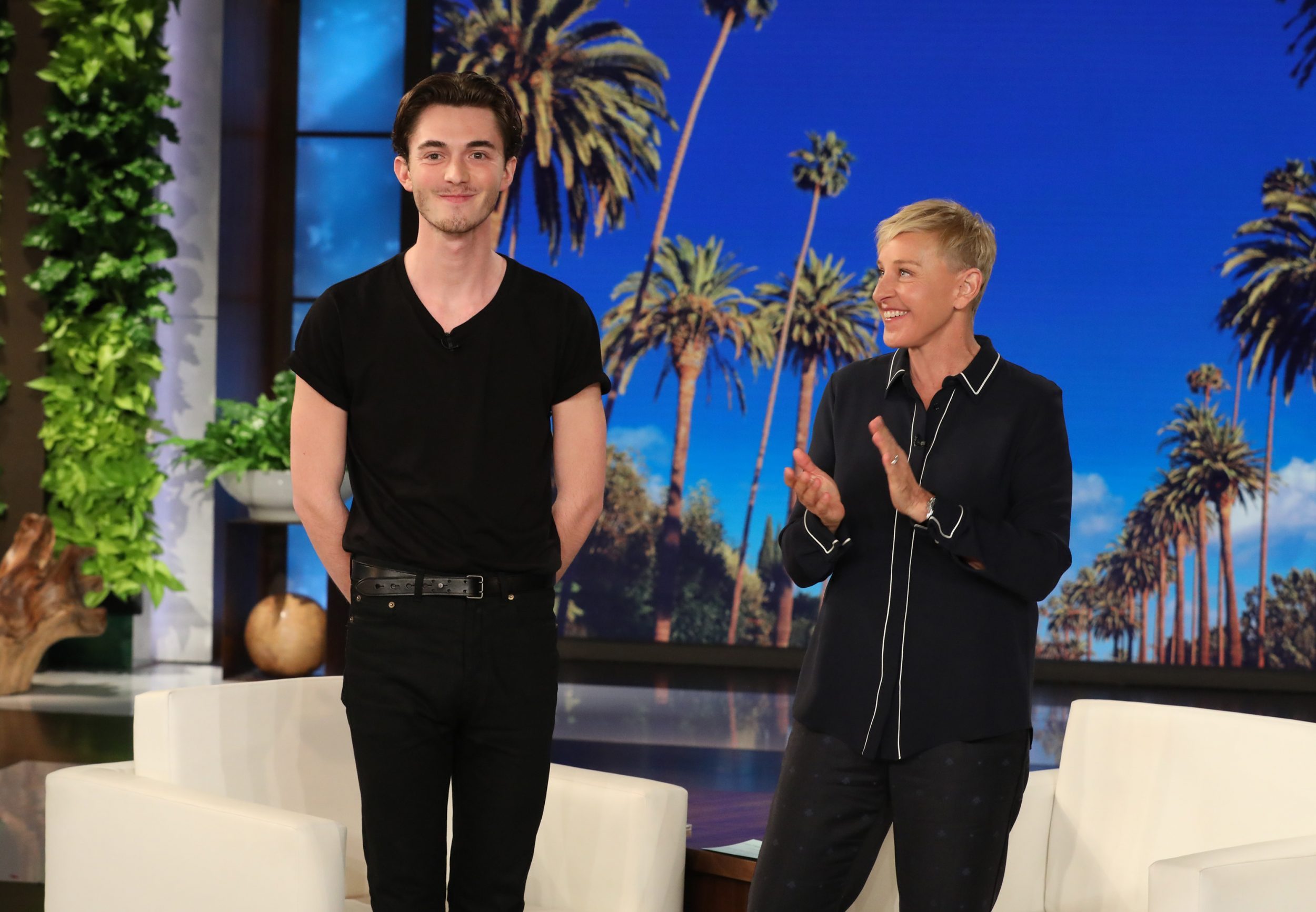
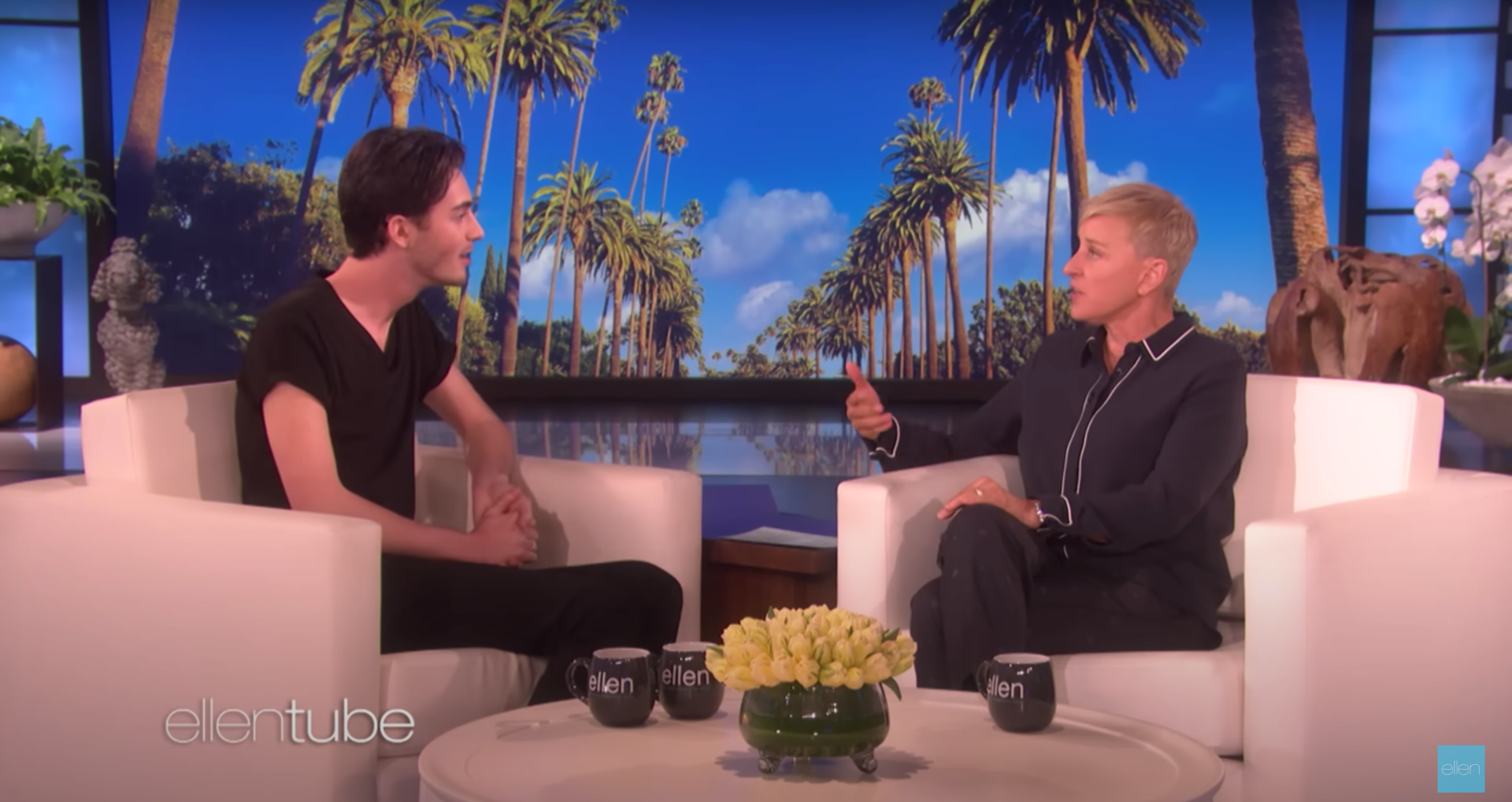
Greyson Chance’s ascent to fame is intrinsically linked to his 2010 appearance on The Ellen DeGeneres Show, where a viral video of him performing Lady Gaga’s “Paparazzi” at a middle school talent show catapulted him into the global spotlight. This moment served as the definitive launchpad for his career, though the narrative surrounding his experience with the program has evolved significantly over the subsequent decade and a half, culminating in revelations that have reframed how audiences view the "surprising appearance" that started it all.
Contents
The Viral Catalyst: A Moment of Pop Culture History
In 2010, the landscape of digital fame was drastically different than it is today. When a video of 12-year-old Greyson Chance performing at a school event in Edmond, Oklahoma, began to circulate, the primary mechanism for discovery was early YouTube viral sharing. Ellen DeGeneres, recognizing the potential for a powerful "discovery" segment, brought Chance onto her show almost immediately.
This appearance was characterized by the genuine, wide-eyed enthusiasm of a child thrust into professional production. For the viewing public, it was a feel-good story: the discovery of raw, untapped talent in a small town. The segments that followed, which included performances and interviews, positioned DeGeneres as a mentor figure and the show as a gateway for the burgeoning artist. At the time, the narrative was straightforward—an overnight success story powered by social media and television support.
The Evolution of the Narrative
As Greyson Chance transitioned from a viral child sensation into an independent adult artist, the context of his early years in the industry began to shift in public discourse. By 2022, Chance began speaking more openly about the dynamics behind the scenes during his tenure under the orbit of DeGeneres’s production team.
The "surprising appearance" is no longer viewed solely as the launch of a pop career, but as the beginning of a complex professional relationship that Chance has described in interviews as restrictive and emotionally demanding. The retrospective scrutiny placed on this period serves as a case study in how child stars navigate the power imbalances inherent in early fame, particularly when their initial entry into the industry is facilitated by powerful, highly influential figures in daytime media.
Analyzing the Power Dynamics in Early Stardom
To understand the impact of the Ellen DeGeneres discovery, one must look at the structural requirements of child stardom during that era. When a young artist is signed or supported by a major daytime talk show host, the infrastructure includes management, touring schedules, and intense media training.
For Chance, these requirements meant a significant departure from a typical childhood. The following table outlines the contrast between the public perception of the "discovery" versus the later reported experiences.
| Aspect of Early Fame | Public Perception (2010) | Later Retrospective (2022+) |
|---|---|---|
| Discovery Source | Organic YouTube discovery | High-level talent scouting/alignment |
| Mentor Relationship | Supportive, nurturing role | Controlling, often distant or critical |
| Media Training | Natural charisma | Highly curated, managed public persona |
| Career Autonomy | Collaborative team effort | Limited creative agency for the minor |
This table illustrates the disparity between the audience's expectation of mentorship and the reality of a high-pressure commercial environment. It is important to note that these revelations from Chance reflect his personal recollection of the psychological and professional toll of those years, which contrasts sharply with the "wholesome discovery" story initially sold to the public.
The Professional Toll of Viral Fame
The transition from a viral video star to a professional touring artist involves a series of technical and logistical requirements that are often obscured by the glamour of television appearances. For a young artist like Chance, this included:
- Vocal Preservation: Constant travel and frequent performances can lead to significant vocal strain. Managing a child’s vocal health requires strict adherence to rest and professional coaching, which can conflict with the demands of a hectic promotional schedule.
- Educational Balancing: Balancing a rigorous academic workload with a nationwide media circuit often results in isolation from peers and the disruption of developmental milestones.
- Media Saturation: The "Ellen appearance" model relied on repeated segments to build momentum. This cycle keeps an artist in the headlines but can also strip them of their ability to develop an individual identity outside of the show’s brand.
Shifting Public Sentiment
The cultural conversation surrounding Greyson Chance's early career has mirrored a larger shift in how the entertainment industry treats child performers. In the mid-2020s, there is a heightened sensitivity to the exploitation of young talent. Public support for Chance has largely shifted from viewing him as an "Ellen product" to respecting his agency as a songwriter and performer who emerged from a restrictive environment.
Critics and media analysts often point to his experience as a cautionary tale. The pressure to maintain a certain image—especially one manufactured by a powerful media entity—can lead to long-term professional resentment and personal burnout. By speaking out, Chance has participated in a broader movement of artists reclaiming their histories and setting boundaries that were not available to them as minors.
Related Questions and Contextual Analysis
How did the Ellen show influence Greyson Chance's musical trajectory?
The show provided immediate, massive exposure that most emerging artists could not buy, but it also pigeonholed him into a specific brand of pop music and image. This made it difficult for him to evolve musically during his formative teen years, as he had to move away from the "child prodigy" brand to establish himself as an authentic songwriter.
What are the risks of "viral discovery" for young artists?
Viral discovery bypasses the traditional development phase. Without the time to mature professionally and personally, artists often find themselves beholden to the interests of the people who "discovered" them, rather than their own artistic vision. This creates a reliance on the host or the platform that is difficult to break.
Are there legal protections for child stars in talk show environments?
Legal protections for child performers primarily focus on labor hours and earnings (such as Coogan accounts). However, the psychological pressures and the nature of "mentorship" in the industry often fall into a gray area of labor law. Regulations remain focused on the financial and physical safety of the minor, rather than the emotional or creative autonomy they exercise.
How has Greyson Chance's career evolved since his early days?
Since separating from the influence of his early team, Chance has moved into independent pop, synth-pop, and singer-songwriter territories. His current music is characterized by themes of autonomy, personal growth, and self-reflection, often contrasting with the polished, managed sound of his early output.
Moving Forward: The Importance of Agency
The story of Greyson Chance's first appearance on The Ellen DeGeneres Show serves as a lens through which we can evaluate the evolution of the music industry. It highlights the transition from a model of top-down celebrity creation—where the platform dictates the star—to a more artist-centric model where performers like Chance prioritize creative control and transparency.
For those interested in the industry's evolution, the lesson is clear: the platforms that grant initial visibility often come with high, hidden costs. True sustainability in music requires artists to secure their own intellectual property, define their own sound, and foster relationships with management teams that prioritize their long-term well-being over short-term viral gains.
As we look at the legacy of his 2010 debut, the value lies not in the performance itself, but in the lessons learned about the necessity of protecting young artists from the predatory expectations of industry gatekeepers. By acknowledging the reality of that "surprising appearance," audiences are better equipped to support artists who prioritize authenticity over manufactured fame.
Image Gallery