The Significance of Scoops Ahoy Ice Cream in Stranger Things
Scoops Ahoy Ice Cream serves as a pivotal narrative hub in the third season of Stranger Things, functioning as both the workplace for central characters Steve Harrington and Robin Buckley and the tactical headquarters for uncovering th...
Scoops Ahoy Ice Cream serves as a pivotal narrative hub in the third season of Stranger Things, functioning as both the workplace for central characters Steve Harrington and Robin Buckley and the tactical headquarters for uncovering the Russian base beneath Starcourt Mall. As a piece of 1980s pop culture aesthetics, the parlor represents the quintessential Americana of the era, while its secret sub-basement transforms it into an essential plot engine for the show's Cold War-era mystery.
Contents
The Role of Scoops Ahoy in the Stranger Things Narrative
The introduction of Scoops Ahoy in 1985—within the show’s internal timeline—marks a significant shift in the tone of Stranger Things. Unlike the more grounded settings of previous seasons, such as Hawkins Middle School or the Byers’ household, Scoops Ahoy embodies the hyper-commercialization of the 1980s. Located in the center of the fictional Starcourt Mall, the ice cream parlor acts as a social vacuum where Steve Harrington, stripped of his status as the "King of Hawkins High," undergoes significant character development while wearing a nautical-themed uniform.
The narrative utility of the parlor extends beyond character development. It serves as the primary gateway for the protagonists to intercept and decode encrypted Russian communications. Because the facility is situated directly above a sophisticated underground laboratory, the ice cream parlor becomes the physical bridge between the surface-level consumer culture and the hidden, subterranean threat posed by foreign infiltrators.
The Aesthetic and Cultural Context of the 1980s Mall
Starcourt Mall, and specifically the Scoops Ahoy storefront, serves as a love letter to the shopping centers that defined suburban life in mid-1980s America. The production design team focused on authentic period details, including neon signage, pastel color palettes, and the specific nautical motifs—anchors, ship wheels, and striped aprons—that characterized the era's theme-based retail spaces.
The parlor functions as a symbol of the decade’s superficial tranquility. While the characters face existential threats from the Upside Down, the mall continues to operate, highlighting the contrast between the mundane lives of teenagers trying to navigate relationships and the encroaching supernatural or geopolitical dangers. For the audience, Scoops Ahoy serves as a grounding visual anchor that makes the eventual transition into the horror-oriented segments of the season more jarring and effective.
Operational Dynamics: Steve, Robin, and Erica
The dynamic within the Scoops Ahoy staff is central to the season's humor and mystery-solving process. Steve Harrington’s forced employment at the parlor is a direct consequence of his post-high school trajectory, while Robin Buckley provides the intellectual foil needed to crack the Russian codes. Their banter, which often occurs while they serve customers, serves as the exposition engine for the season.
Erica Sinclair’s recruitment into the group is also tied to the physical layout of the store. Her small stature and access to the ventilation ducts—necessitated by her "mission" to get free ice cream—allow the team to infiltrate the heavily guarded Russian sector. Without the specific infrastructure of the Scoops Ahoy kitchen and its proximity to the loading docks, the primary mission of the season would have been logistically impossible.
Technical Elements and Production Realities
For viewers interested in the production of the show, Scoops Ahoy was not a real, functional ice cream parlor in the traditional sense, but a highly detailed set built within an existing, partially decommissioned mall in Georgia. The technical depth of the set included fully functional kitchen equipment designed to replicate the look of commercial appliances from the 1980s.
Comparative Analysis: Scoops Ahoy vs. Real 1980s Parlors
| Feature | Scoops Ahoy (Fictional) | Standard 1980s Parlor |
|---|---|---|
| Primary Theme | Nautical/Maritime | Generic/Pastel Retro |
| Staff Uniform | Custom Sailor Costume | Standard Apron/Polo |
| Secondary Use | Surveillance Post | Social Gathering Space |
| Location Context | Underground Secret Base | Commercial Shopping Strip |
| Core Menu | Novelty Flavors | Standard Dairy Staples |
Beyond the Screen: Scoops Ahoy as a Brand Entity
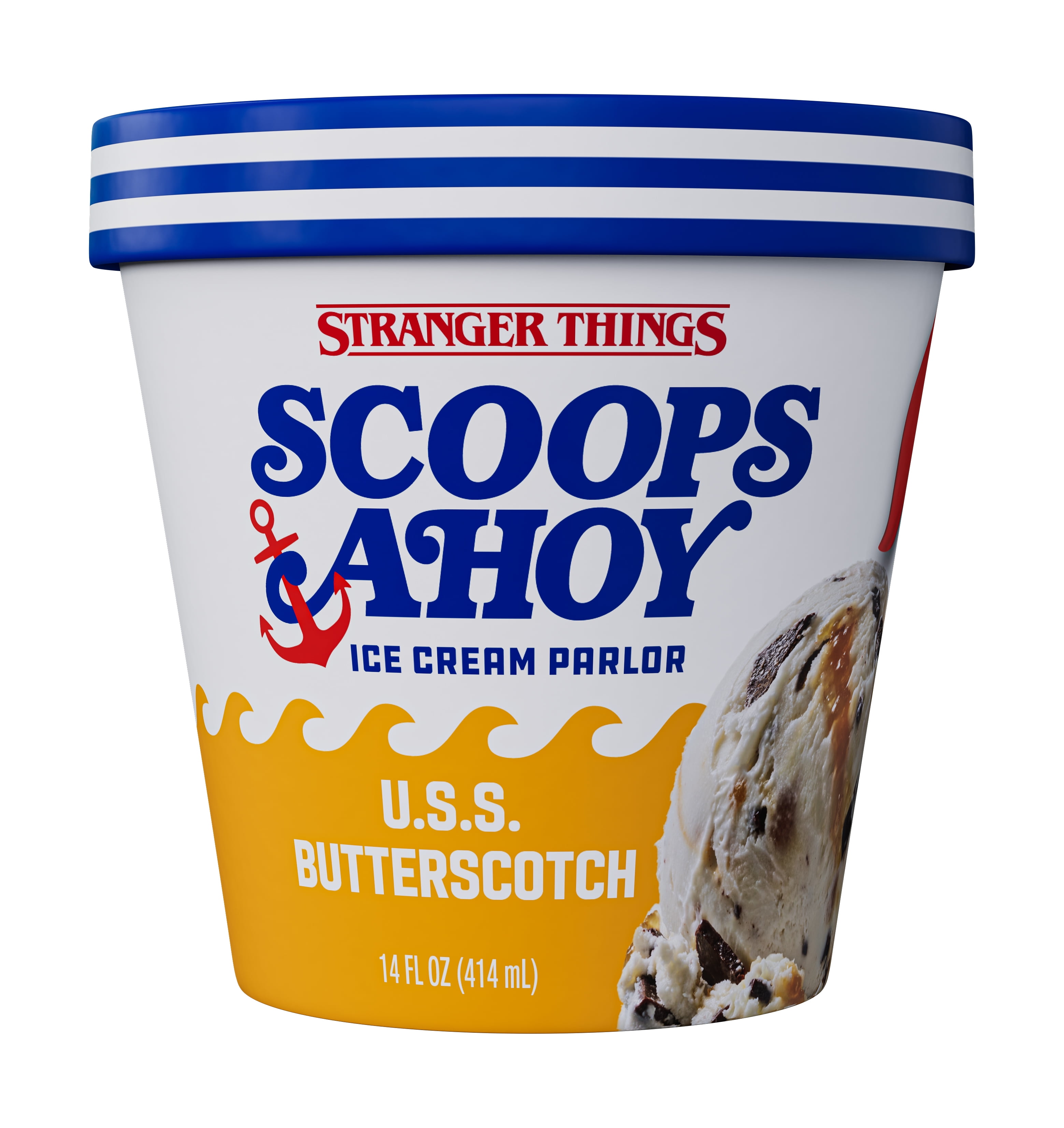
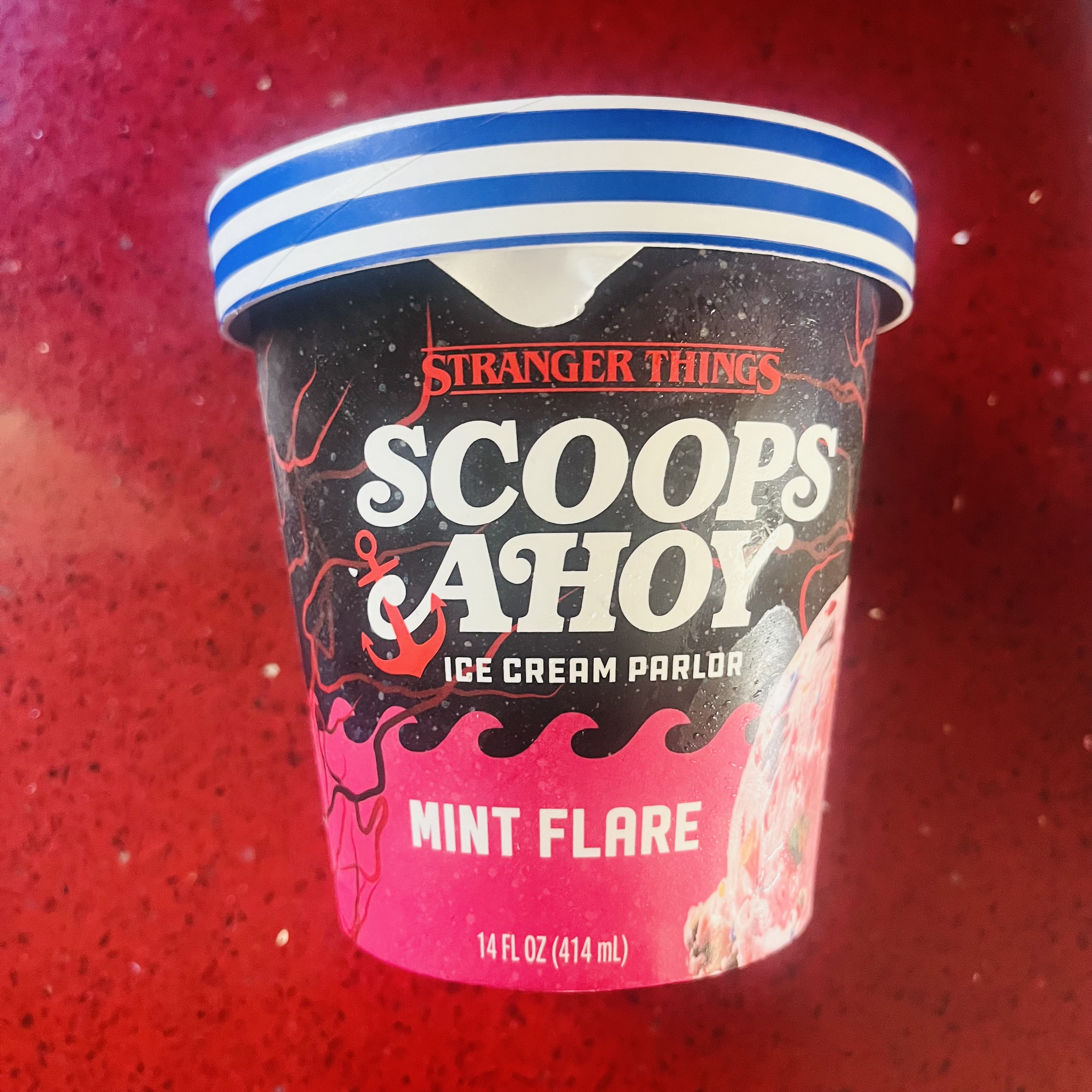
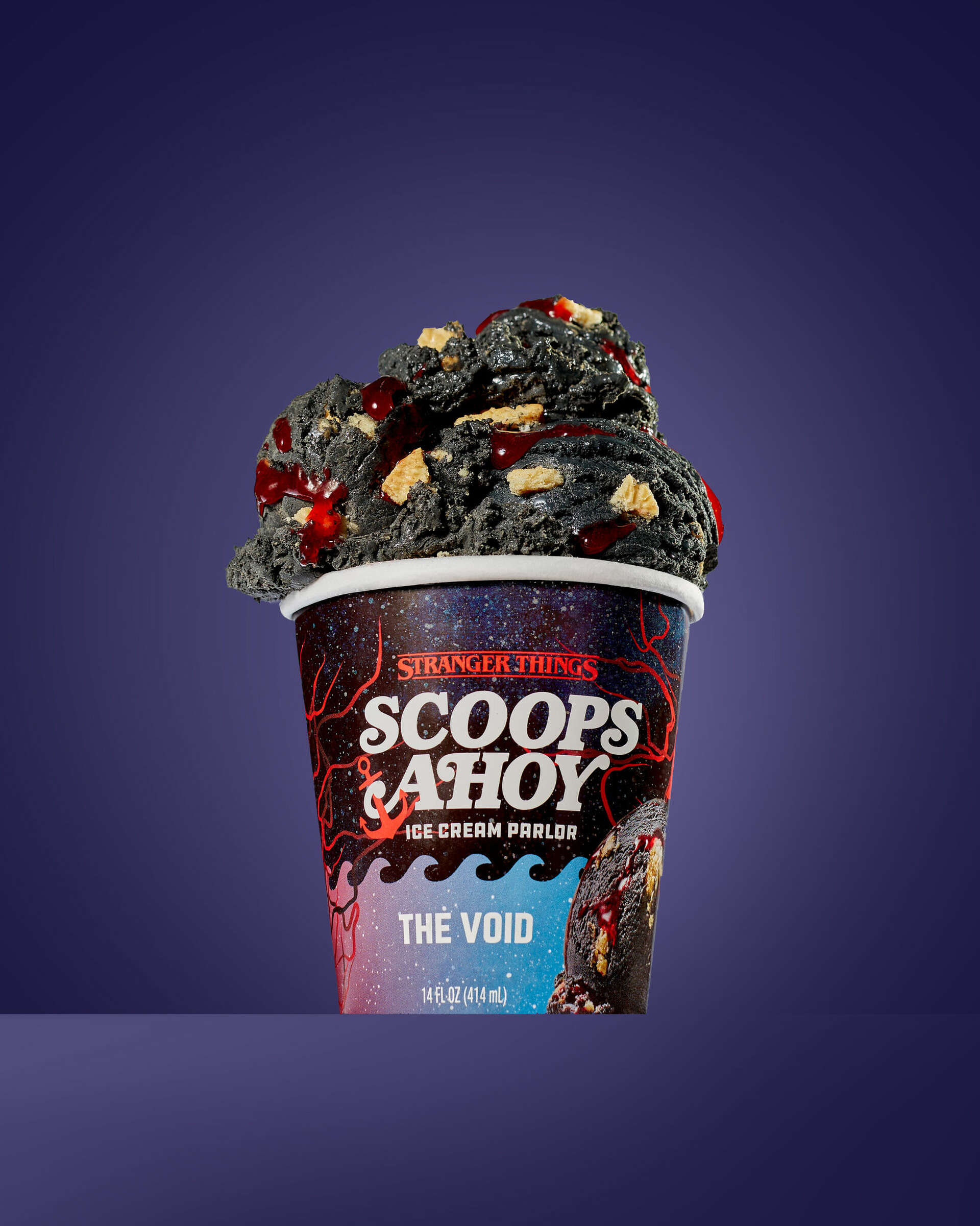
Following the success of Stranger Things season three, the Scoops Ahoy brand transcended the television medium. In the years following its debut, the branding was utilized for collaborative retail merchandise, pop-up experiences, and licensed frozen dessert products. This transition demonstrates the power of "Easter egg" marketing, where a specific, contained narrative element becomes a stand-alone product that fans can interact with in the real world.
While the show is set in 1985, the branding created for Scoops Ahoy utilizes a timeless design language that appeals to both modern viewers and those nostalgic for the mid-eighties. By maintaining a strict adherence to the visual identity—the specific shade of blue, the sailor hat emblem, and the distinct typeface—the production team created an entity that functions as a recognizable brand rather than just a movie prop.
Frequently Asked Questions (FAQ)
1. Was Scoops Ahoy a real ice cream parlor I could visit? No, Scoops Ahoy was a set constructed specifically for Stranger Things. While there have been temporary pop-up shops and branded activations in various cities since 2019, there is no permanent, authentic chain of Scoops Ahoy parlors.
2. What was the specific role of the "U.S.S. Butterscotch" flavor? The "U.S.S. Butterscotch" was a recurring flavor mentioned in the show as part of the menu. It became a signature reference point for fans, symbolizing the nautical theme of the parlor and the specific brand of whimsy that characterizes Steve and Dustin’s friendship.
3. Why was the parlor so important to the Russian plot? The parlor was the only storefront in the Starcourt Mall with direct access to the service corridors that the Russians utilized. The secret elevator located in the back of the shop was the primary artery for moving supplies and personnel between the mall surface and the underground facility.
4. Can I buy Scoops Ahoy merchandise in 2026? Yes, various licensed apparel and novelty items remain available through major online retailers and boutique pop-culture stores. Because the brand became a cult icon, production of themed merchandise has continued long after the initial broadcast of the season.
Practical Next Steps for Enthusiasts
If you are a fan looking to engage further with the legacy of Scoops Ahoy, focus your efforts on official licensed channels. Avoid unauthorized marketplaces, as these often carry poor-quality reproductions of the iconic uniform or logo. For those interested in the cinematography and production design, the official Stranger Things behind-the-scenes books and digital archives provide detailed diagrams of how the set was integrated into the mall environment, offering a deeper appreciation for how the show utilized physical spaces to tell a supernatural story.
Image Gallery