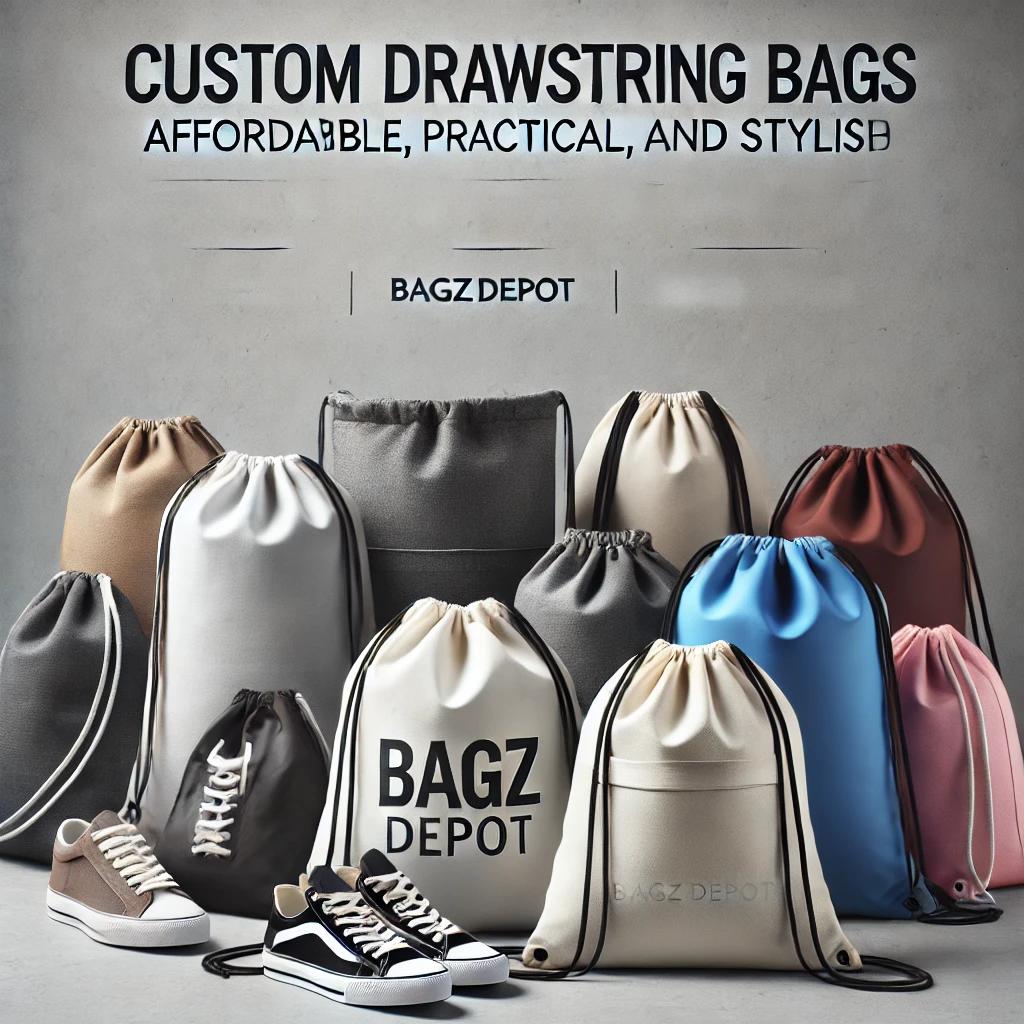
Corporate Drawstring Bags: A Practical Choice for Everyday Mobility
Corporate drawstring bags serve as a highly functional, cost-effective solution for professionals and organizations seeking to balance lightweight portability with branding visibility. By prioritizing high-tensile materials, reinforced...
Corporate drawstring bags serve as a highly functional, cost-effective solution for professionals and organizations seeking to balance lightweight portability with branding visibility. By prioritizing high-tensile materials, reinforced stress points, and customizable fabric surfaces, these bags address the need for a versatile accessory suitable for commuting, fitness activities, and corporate events without the bulk of traditional backpacks or briefcases.
Contents
The Evolution of Corporate Mobility Gear
The shift toward flexible workplace arrangements in 2026 has significantly influenced how professionals carry their essential gear. While structured briefcases remain standard for formal boardroom environments, there is a growing demand for "everyday carry" (EDC) solutions that transition seamlessly from a corporate office to a gym, a transit hub, or a casual weekend engagement.
Corporate drawstring bags have evolved from flimsy, promotional-only giveaways into sophisticated, durable accessories. Modern iterations now frequently incorporate high-denier polyester, water-resistant coatings, and specialized compartments that accommodate modern essentials such as tablets, charging cables, and hydration bottles. This transition marks a broader trend in corporate culture where mobility and utility are valued as highly as formal aesthetic presentations.
Analyzing Material Specifications and Durability
When selecting drawstring bags for corporate use, the distinction between entry-level promotional materials and high-performance, long-term gear is critical. Understanding the technical specifications ensures that the product aligns with the intended frequency of use and the weight of the intended cargo.
- Fabric Denier (D): This measurement indicates the linear mass density of fibers. A bag constructed with 210D polyester offers basic utility, while a 600D or higher polyester or nylon weave provides the abrasion resistance necessary for daily transit.
- Stress Point Reinforcement: The point where the drawstrings exit the bag is a common failure point. Look for metal grommets or reinforced webbing patches. Bags that lack these features are susceptible to tearing under the weight of even moderate loads.
- Cord Quality: Thin, unbraided ropes can become uncomfortable when digging into the shoulders under a heavy load. Braided or padded straps provide better weight distribution and are less likely to fray or slip.
- Water Resistance: Many corporate-grade bags now utilize polyurethane (PU) backings or DWR (Durable Water Repellent) finishes. This is a vital consideration for commuters who rely on public transportation or bicycle travel.
Strategic Branding and Customization Options
For organizations, the primary appeal of the drawstring bag is the surface area available for brand identity. Unlike structured bags, which may limit placement to a small logo on the front, drawstring bags offer a large, flat canvas.
To maintain a professional aesthetic, consider the following decoration methods:
- Screen Printing: The industry standard for high-contrast, bold logos. It is cost-effective for large-run orders and works well on most synthetic fabrics.
- Heat Transfer/Direct-to-Film (DTF): Best suited for complex, multicolored logos or gradients. In 2026, DTF technology allows for high-resolution graphics that remain flexible with the fabric, preventing the cracking often seen with older thermal transfer methods.
- Embroidery: While less common due to the risk of compromising the bag’s structural integrity or water resistance, embroidery offers a premium, tactile feel appropriate for executive gifts or high-end internal company merchandise.
Comparison of Mobility Solutions
Choosing the right bag depends on the specific mobility needs of the user. The table below outlines how drawstring bags compare to other common corporate carry options.
| Feature | Drawstring Bag | Laptop Backpack | Messenger Bag |
|---|---|---|---|
| Weight | Ultralight | Moderate | Moderate |
| Capacity | Low to Medium | High | Medium |
| Ergonomics | Minimal | High (Padded) | Moderate |
| Formality | Casual | Professional | Semi-Formal |
| Portability | High (Collapsible) | Moderate | Low |
| Primary Use | Fitness/Events | Daily Commute | Meetings/Travel |
Operational Considerations for Procurement
When procuring these items for a workforce or event, organizations must move beyond simple aesthetic choices to evaluate total cost of ownership and logistical factors.
Supply Chain and Sustainability In 2026, corporate procurement policies increasingly emphasize environmental impact. Look for suppliers offering bags made from rPET (recycled polyethylene terephthalate). These materials provide the same durability as virgin polyester while aligning with corporate sustainability targets.
Weight Management and Health While drawstring bags are inherently lightweight, they lack the sophisticated suspension systems of technical backpacks. Users should be cautioned against over-packing. A drawstring bag is ideal for a light jacket, a water bottle, a tablet, and a notebook. Once the load exceeds approximately 5–7 pounds, the lack of a sternum strap or waist belt makes the carry less comfortable than a structured alternative. For employees with long commutes or physical back issues, the drawstring bag should be marketed as a secondary bag for light, essential gear rather than a replacement for a primary workstation bag.
Lead Times and Inventory Custom-branded items often face seasonal demand spikes. Procurement teams should factor in 3–6 weeks for production and shipping, particularly when sourcing higher-spec materials or specialized custom colors. Always request a physical sample before committing to a bulk order, as fabric weight and strap texture are difficult to verify through digital proofs alone.
Common Mistakes to Avoid
- Ignoring Weight Distribution: Many organizations fill promotional bags with heavy items like ceramic mugs or thick manuals before distributing them. This creates a poor first impression and risks immediate damage to the product. Always package heavy items separately.
- Over-branding: A large, gaudy logo can reduce the likelihood that employees or clients will use the bag outside of office hours. A minimalist, sophisticated approach to design often leads to higher adoption rates for everyday use.
- Neglecting Hardware: The cheapest bags often use low-quality plastic sliders or flimsy cords. Even if the fabric is durable, these small components will cause the bag to fail, leading to frustration for the user and a poor association with the company brand.
Frequently Asked Questions
Are drawstring bags appropriate for carrying laptops? Generally, no. Unless a drawstring bag is specifically engineered with an integrated, padded sleeve, it provides no structural protection for electronic devices. If you must carry a laptop, use a dedicated tech sleeve inside the bag to provide impact protection and keep the device stable.
How do I clean a corporate drawstring bag? Most polyester and nylon bags should be spot-cleaned with a damp cloth and mild soap. Avoid machine washing and drying unless the manufacturer label explicitly states it is safe. High heat can damage the fabric's water-resistant coating and the integrity of the branding elements.
Can these bags be used as carry-on luggage? Yes, they are excellent for air travel as "personal items." Their collapsible nature allows them to fit easily under an airplane seat or inside a larger carry-on suitcase, making them perfect for holding items you need quick access to during a flight.
What is the standard size for these bags? The industry standard size is approximately 14 inches wide by 18 inches high. This dimension comfortably fits standard letter-sized documents, a 13-inch tablet, and miscellaneous personal items without being overly cumbersome.
Do drawstring bags provide security for personal items? Drawstring bags are generally less secure than zippered backpacks, as the top opening remains slightly accessible. They are suitable for general items like gym clothes or water bottles, but users should be advised not to store high-value items like passports or wallets in them while in high-traffic, crowded environments.
Final Recommendation
To maximize the value of corporate drawstring bags, prioritize mid-to-high-tier construction (600D fabric or higher) and use a subtle, tasteful design. These bags should be positioned as an auxiliary utility item—an "everyday mobility" tool—rather than a primary vessel for heavy equipment. By selecting a durable, well-branded product, companies can ensure their logo remains a part of their employees' and clients' daily routines for months or years to come.
Image Gallery