Finding the Most Comfortable Affordable Sectional in 2026
To find the most comfortable affordable sectional in 2026, prioritize models featuring high-density foam (at least 1.8 lbs/cu. ft.) or pocket-coil suspension paired with deep-seated modular frames. Top-value options typically range fro...
To find the most comfortable affordable sectional in 2026, prioritize models featuring high-density foam (at least 1.8 lbs/cu. ft.) or pocket-coil suspension paired with deep-seated modular frames. Top-value options typically range from $1,200 to $2,500, balancing durable performance fabrics with kiln-dried hardwood or reinforced plywood frames for long-term structural integrity.
Contents
The search for the perfect sectional often feels like a compromise between a high price tag and physical discomfort. In 2026, the furniture market has shifted significantly toward direct-to-consumer models that eliminate traditional showroom markups, making "affordable luxury" more accessible than ever. However, price is only one metric; true comfort is determined by the intersection of ergonomics, material science, and the specific ways a household utilizes its living space. Whether you are looking for a "cloud-like" sink-in feel or a structured, supportive seat for upright conversation, understanding the technical specifications of modern upholstery is essential to making a sound investment.
Defining Comfort and Affordability in the 2026 Market
In the current economic landscape, the term "affordable" has stabilized around the $1,200 to $2,500 range for a standard three-to-four-piece sectional. While "budget" options exist below $1,000, they often sacrifice the internal components that ensure long-term comfort, such as spring tension and foam resiliency.
Comfort is inherently subjective, but it can be quantified through three primary factors: seat depth, cushion composition, and back support. In 2026, we categorize comfort into two dominant profiles:
- Lounge Comfort: Characterized by seat depths of 24 inches or more, often utilizing down-alternative or memory foam toppers that allow the user to "sink" into the piece.
- Supportive Comfort: Characterized by seat depths of 20 to 22 inches, featuring high-resiliency (HR) foam and pocketed coils that provide a "bounce-back" feel and better lumbar support.
When evaluating affordability, it is crucial to consider the cost-per-use. A $1,500 sectional that remains comfortable for seven years is significantly more affordable than a $900 unit that loses its shape and support within eighteen months.
Technical Specifications: The Anatomy of Comfort
To identify a high-quality sectional without a luxury price tag, you must look beneath the fabric. The internal architecture determines whether a sofa will sag or remain supportive over time.
Frame Construction
The most durable affordable sectionals utilize kiln-dried hardwood (such as oak, maple, or poplar) or furniture-grade 7-ply plywood. Kiln-drying is a process that removes moisture from the wood, preventing it from warping or cracking as the humidity in your home changes. Avoid frames made of particleboard or thin veneers, as these lack the structural integrity to hold heavy-duty springs under constant use.
Suspension Systems
The suspension is the "engine" of the sectional. In the 2026 mid-range market, you will encounter two primary types:
- Sinuous Springs: These are "S" shaped wires that run from the front of the frame to the back. They provide a sleek profile and a comfortable, consistent feel. Look for "8-gauge" wires, which offer the best balance of flexibility and strength.
- Pocket Coils: Increasingly popular in affordable sectionals, these are individual springs wrapped in fabric, similar to a mattress. They offer excellent localized support and prevent the "hammock effect" where two people slide toward the center of the sofa.
Cushion Fill and Foam Density
The quality of the foam is the most common place where manufacturers cut costs. For a sectional to be considered truly comfortable and durable, look for High-Resiliency (HR) foam.
- Density: Measured in pounds per cubic foot. A density of 1.8 is the minimum for decent quality, while 2.2 or higher is preferred for heavy use.
- Compression (ILD): This measures how soft or firm the foam feels. An ILD (Indentation Load Deflection) of 25–30 is standard for a medium-firm seat that balances support with a soft initial touch.
Materials Comparison for High-Value Sectionals
Selecting the right materials involves balancing the tactile feel of the fabric with the mechanical support of the frame. The following table compares the most common configurations found in the 2026 market.
| Feature | Budget-Focused (Under $1,500) | Value-Leader ($1,500–$2,500) | Premium-Affordable ($2,500+) |
|---|---|---|---|
| Frame Material | Plywood / OSB | Kiln-dried Hardwood | Solid Ash or Walnut |
| Suspension | Webbing or Light Sinuous | Heavy-duty Sinuous / Pocket Coils | 8-Way Hand-Tied (Rare) |
| Foam Density | 1.5 - 1.8 lbs | 1.8 - 2.5 lbs | 2.5+ lbs with Down Wrap |
| Fabric Type | Standard Polyester | Performance Polyester / Chenille | Top-grain Leather / Belgian Linen |
| Typical Depth | 20" - 22" | 22" - 25" | 24" - 27" |
Strategic Buying Guide: How to Evaluate a Sectional
When shopping online or in-store, follow these steps to ensure you are getting the most comfortable unit for your budget.
1. Measure Your Space and Your Body
A sectional that is too small for your height will never be comfortable. Taller individuals should seek a "deep-seated" model (24"+), while those with shorter statures may find a standard depth (21") more supportive for their legs. Ensure the sectional leaves at least 30 inches of walking space around it to prevent the room from feeling cramped, which can subconsciously detract from the "comfort" of the environment.
2. Prioritize Performance Fabrics
In 2026, fabric technology has advanced to the point where "performance" covers are standard in the affordable segment. Fabrics like Olefin and solution-dyed polyester are resistant to stains, fading, and pilling. The Martindale rub test is a key metric here; a "heavy-duty" rating is typically 20,000 to 30,000 rubs or more. This ensures the fabric won't thin out and lose its soft texture after a year of use.
3. Modularity for Future-Proofing
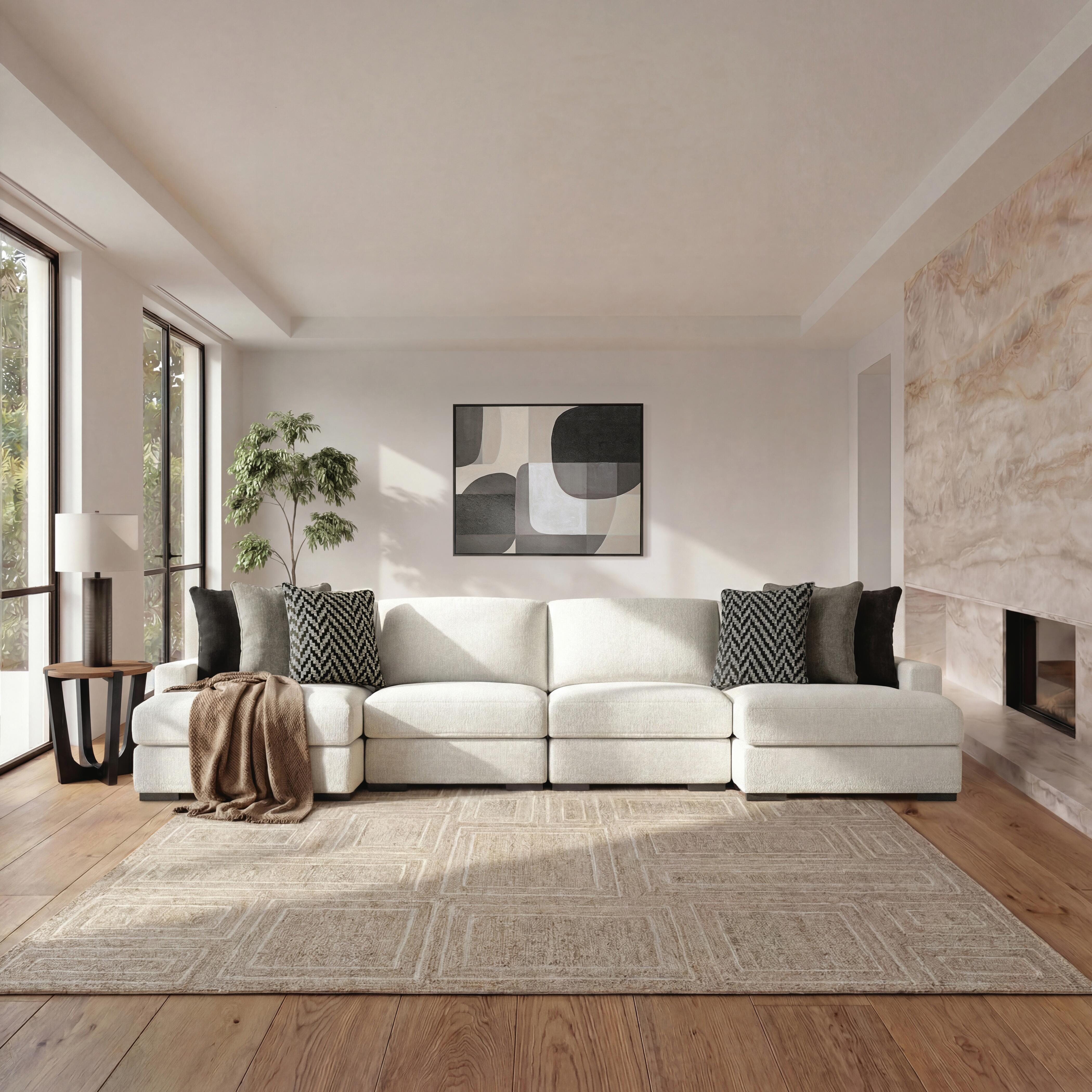
Many of the most comfortable affordable brands, such as Albany Park or IKEA, offer modular designs. This allows you to add or subtract "seats" or ottomans as your living situation changes. Modular sectionals are often easier to ship and move through narrow doorways, reducing the risk of structural damage during delivery—a common hidden cause of discomfort in low-cost furniture.
4. Check the "Return to Shape"
If testing a floor model, sit on the cushion for five minutes. When you stand up, the cushion should return to its original shape almost immediately. If a visible "butt print" remains, the foam is likely low-density and will bottom out within a few months of daily use.
Recommended Retailers and Models for 2026
While specific inventory changes, several brands consistently lead the market in the "comfortable yet affordable" category by leveraging efficient supply chains.
- IKEA (VIMLE and JÄTTEBO series): IKEA remains a powerhouse for affordability. The JÄTTEBO line, updated for the 2026 season, offers a low-profile, deep-seated modularity that mimics high-end Italian designs at a fraction of the cost.
- Albany Park (Kova Collection): Known specifically for the "cloud-like" feel, the Kova uses a feather-fiber blend that is exceptionally soft. It is widely considered one of the most comfortable "sink-in" sectionals for under $2,000.
- Article (Abisko and Sven): Article focuses on Mid-Century Modern aesthetics but maintains high comfort standards through the use of high-density foam and specialized "no-sag" spring systems.
- Wayfair Brands (AllModern, Joss & Main): These platforms offer a vast array of sectionals. The key is to filter by "Solid Wood" frames and "Pocket Coil" seating to find the gems among the mass-market options.
Maintaining Longevity and Comfort
An affordable sectional requires slightly more maintenance than a $10,000 heirloom piece to stay comfortable over time.
- Cushion Rotation: If your sectional has loose cushions, flip and rotate them every two weeks. This prevents "soft spots" from forming in the areas where you sit most frequently.
- Vacuuming: Dust and grit act like sandpaper on fabric fibers. Vacuuming the crevices and cushions once a month prevents the fabric from pilling and becoming scratchy.
- Steam Cleaning: Use a professional-grade steam cleaner annually to refresh the foam and fabric. For more information on safe upholstery cleaning, consult the American Home Furnishings Alliance (AHFA) guidelines.
Frequently Asked Questions
What is the best foam density for an affordable sectional?
For a balance of price and durability, look for a foam density of 1.8 to 2.2 lbs per cubic foot. This range is sufficient to prevent the cushions from "bottoming out" against the frame while keeping the overall cost of the sectional manageable.
Are "Sofa-in-a-Box" sectionals actually comfortable?
Yes, many 2026 "sofa-in-a-box" brands use compressed high-density memory foam that expands to full thickness once unpacked. The modular nature of these sofas often makes them more structurally sound than cheap, pre-assembled units because they are designed to be bolted together with heavy-duty steel hardware.
How much should I expect to spend on a good sectional in 2026?
A high-quality, comfortable sectional that will last 5–8 years typically costs between $1,500 and $2,200. While you can find units for under $1,000, they often use lower-quality webbing suspension and 1.5 lb density foam, which can lead to discomfort within the first year.
Is down-fill worth it in a budget sectional?
Down-fill provides an incredibly soft feel but requires constant "fluffing" to maintain its shape. In the affordable segment, a down-alternative or fiber-wrap over a foam core is usually better. It provides the initial softness of down without the high maintenance and the risk of feathers poking through the fabric.
Does seat depth affect comfort?
Absolutely. A seat depth of 21-22 inches is ideal for sitting upright and is generally better for your back. A depth of 24-26 inches is better for lounging, napping, and "cuddling," but may require extra throw pillows if you want to sit upright and have your feet touch the floor.
Practical Recommendation
When purchasing your sectional, prioritize the internal suspension over the aesthetic of the fabric. You can always add a slipcover or throw pillows to change the look, but you cannot easily fix a sagging spring system or low-quality foam. For the best "bang-for-your-buck" in 2026, look for a modular sectional with pocketed coils and performance chenille fabric. This combination offers the highest durability-to-comfort ratio available in the current market. Before finalizing your purchase, verify the manufacturer's warranty—a 10-year warranty on the frame and a 1-year warranty on the fabric/cushions is the industry standard for a quality affordable piece.
Image Gallery