Understanding and Navigating Air Pollution in South Korea in 2026
Air pollution in South Korea in 2026 remains a complex public health challenge defined by high concentrations of fine particulate matter (PM2.5) and seasonal "Yellow Dust." While aggressive domestic policies have significantly lowered...
Air pollution in South Korea in 2026 remains a complex public health challenge defined by high concentrations of fine particulate matter (PM2.5) and seasonal "Yellow Dust." While aggressive domestic policies have significantly lowered industrial emissions, the combination of transboundary pollutants from mainland Asia and stagnant meteorological conditions continues to necessitate daily monitoring and protective measures for residents.
Contents
The Current State of Air Quality in Korea (2026)
As of 2026, South Korea’s air quality profile is characterized by a distinct seasonal dichotomy. During the summer and autumn months, the country frequently enjoys clear skies with "Good" to "Moderate" readings on the Comprehensive Air-quality Index (CAI). However, the period from December to April—often referred to as the "Fine Dust Season"—regularly triggers emergency reduction measures.
The primary pollutant of concern is PM2.5, which consists of particles smaller than 2.5 micrometers in diameter. These particles are particularly hazardous because they can bypass the respiratory system’s natural filters, entering the lungs and even the bloodstream. In 2026, while the annual average concentration of PM2.5 in Seoul has decreased to approximately 16–18 μg/m³, this still sits above the World Health Organization’s (WHO) recommended annual limit of 5 μg/m³.
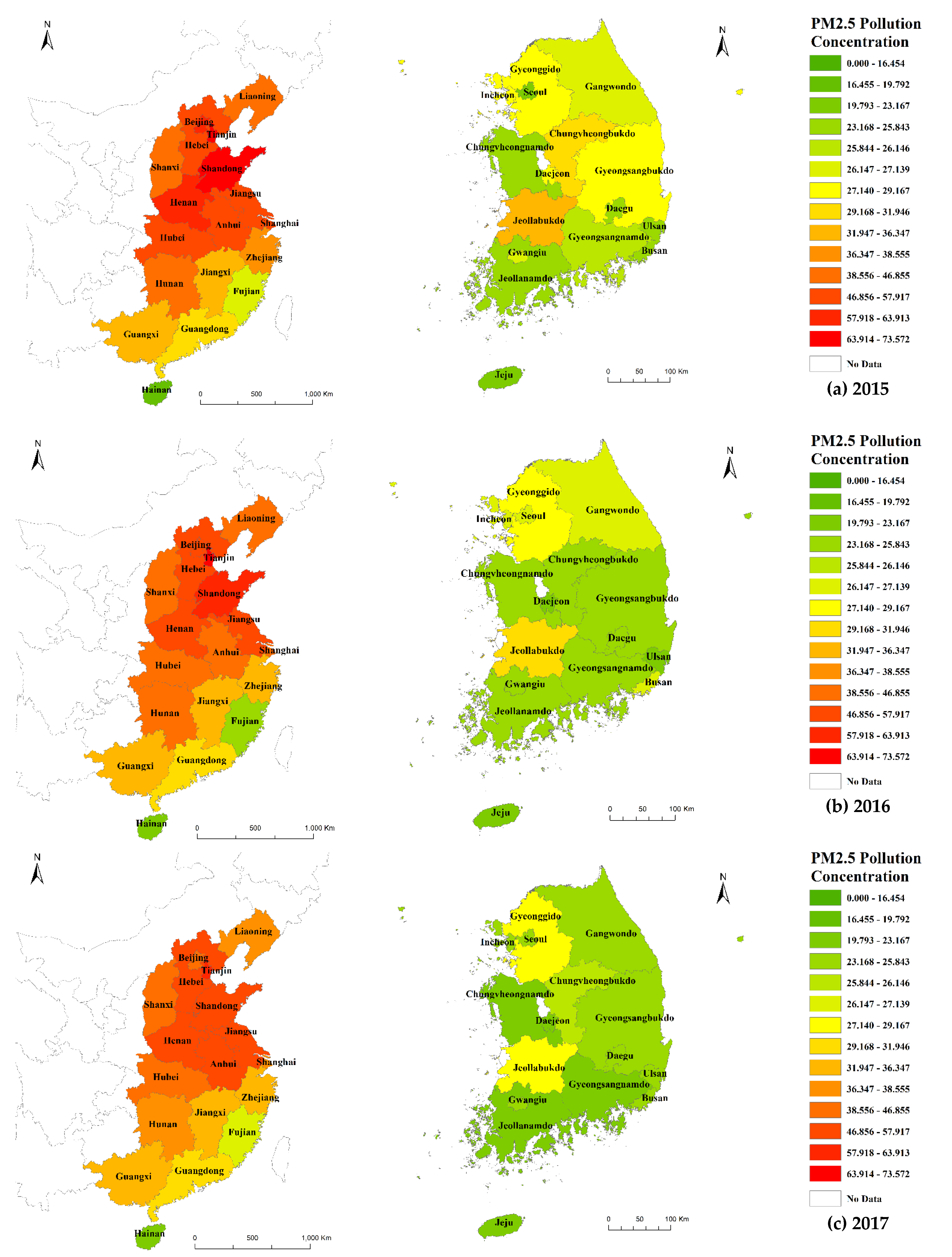
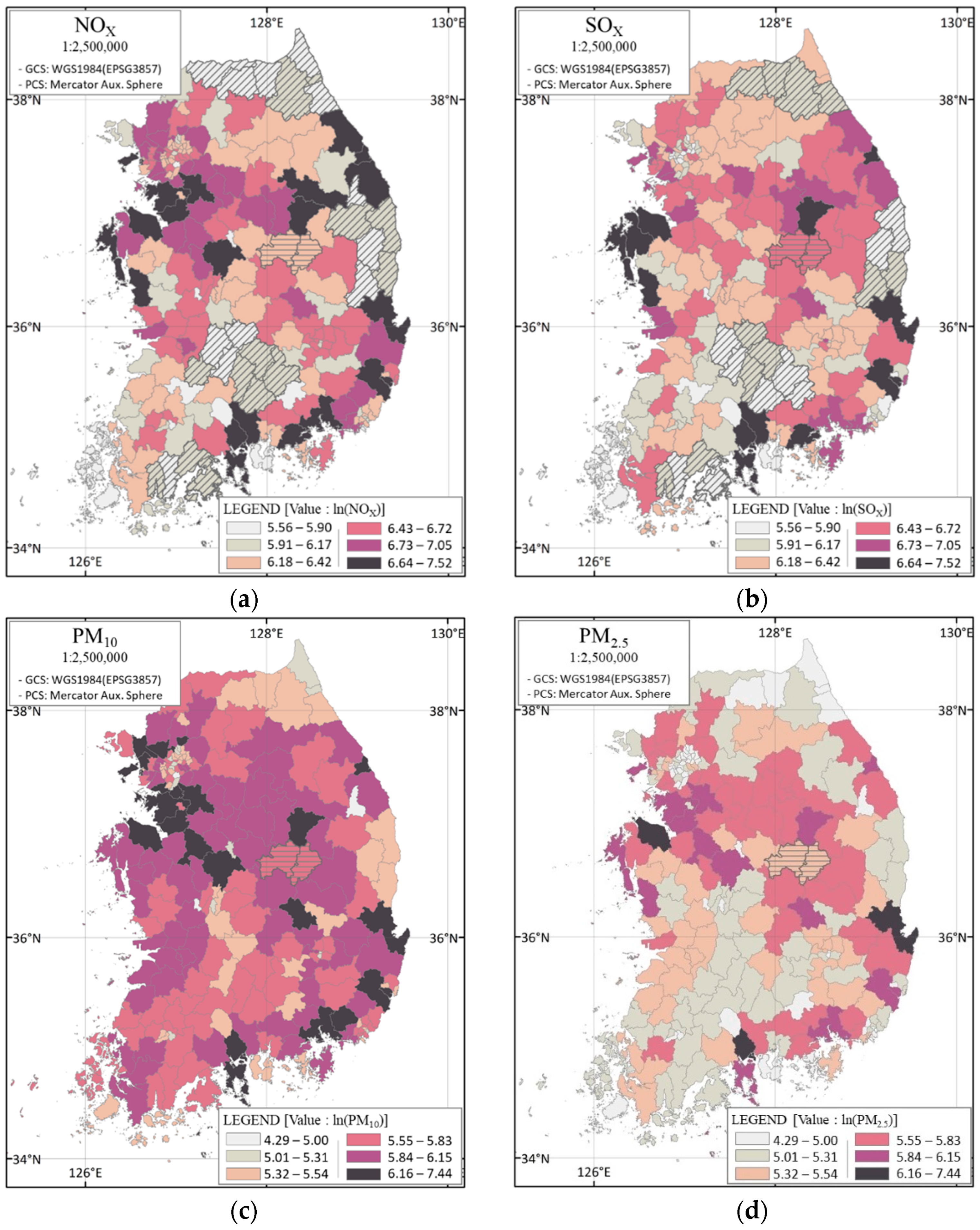
The pollution is not uniform across the peninsula. The Seoul Metropolitan Area (SMA) and industrial hubs like Ulsan and Incheon generally report higher concentrations due to population density and manufacturing output. Conversely, Jeju Island and the eastern mountainous regions of Gangwon Province typically maintain the highest air quality standards in the country.
Primary Sources: Domestic vs. Transboundary Contributions
One of the most persistent debates regarding air pollution in Korea is the origin of the pollutants. Scientific consensus in 2026, supported by the National Institute of Environmental Research (NIER), suggests a fluctuating ratio based on the time of year.
Domestic Emission Factors
During the late spring and summer, domestic sources account for the majority of local pollution. These include:
- Industrial Manufacturing: Large-scale steel mills, petrochemical plants, and cement factories remain significant contributors, though 2026 regulations now require real-time emission monitoring systems (TMS) connected directly to government enforcement agencies.
- Transportation: Although the transition to electric vehicles (EVs) has accelerated, older diesel "Grade 5" vehicles still contribute to nitrogen oxide (NOx) levels.
- Power Generation: South Korea has successfully decommissioned several aging coal-fired power plants as of 2026, replacing them with Liquefied Natural Gas (LNG) and renewable energy sources, which has measurably reduced sulfur dioxide (SO2) levels.
Transboundary Pollutants
During the winter and spring, the influence of the Westerlies (prevailing winds) brings pollutants from China and Mongolia into the Korean Peninsula. This includes "Yellow Dust" (Hwang-sa), a natural phenomenon where sand from the Gobi Desert and Inner Mongolia picks up industrial heavy metals as it passes over manufacturing hubs before reaching Korea. Estimates in 2026 suggest that during peak pollution events, up to 60–80% of the particulate matter in Seoul may originate from outside the country’s borders.
The 2026 Regulatory Landscape and Government Measures
To combat these challenges, the South Korean government operates under the "Special Act on Fine Dust Reduction and Management." In 2026, these regulations have reached a high level of technical sophistication.
The Fine Dust Season Management System
From December 1 to March 31, the government implements intensified protocols. During this window, Grade 5 emission vehicles are strictly prohibited from driving in Seoul, Incheon, and Gyeonggi Province. Furthermore, public sector parking lots are often restricted, and industrial plants are mandated to reduce their operating hours or switch to lower-emission fuels.
Emergency Reduction Measures
When PM2.5 levels are forecasted to exceed 50 μg/m³ for two consecutive days, the Ministry of Environment issues "Emergency Reduction Measures." These include:
- Compulsory shutdown or output reduction of coal-fired power plants.
- Mandatory dust suppression at construction sites.
- Increased frequency of road cleaning via specialized vacuum trucks.
- Strict enforcement of idling bans for commercial vehicles.
Health Impacts and Vulnerable Populations
The health implications of prolonged exposure to Korea’s air pollution are a major focus of the Korea Disease Control and Prevention Agency (KDCA). In 2026, the clinical understanding of PM2.5 has expanded beyond simple respiratory distress.
Respiratory and Cardiovascular Risks: Fine dust causes oxidative stress in the lungs, leading to chronic obstructive pulmonary disease (COPD) and asthma exacerbations. Furthermore, PM2.5 is linked to systemic inflammation, which increases the risk of stroke and myocardial infarction.
Neurological and Developmental Concerns: Recent studies highlighted by the World Health Organization indicate that ultrafine particles can reach the brain via the olfactory bulb, potentially contributing to neurodegenerative diseases. For children, exposure during critical developmental windows is associated with reduced lung capacity and cognitive developmental delays.
Practical Mitigation: How to Protect Yourself in Korea
Living in Korea in 2026 requires an active approach to air quality management. Residents rely on a combination of real-time data and physical barriers to minimize exposure.
Monitoring Tools
The most reliable source for data is AirKorea, managed by the Korea Environment Corporation. In 2026, the service provides localized data via an extensive network of over 500 monitoring stations. Users are encouraged to check the CAI (Comprehensive Air-quality Index), which categorizes air quality into four color-coded levels:
- Blue (Good): 0–15 μg/m³ PM2.5. No restrictions.
- Green (Normal): 16–35 μg/m³ PM2.5. Sensitive groups should monitor symptoms.
- Yellow (Bad): 36–75 μg/m³ PM2.5. Reduce prolonged outdoor activities.
- Red (Very Bad): 76+ μg/m³ PM2.5. Avoid all outdoor exertion; masks are mandatory for safety.
Mask Standards: Understanding KF94
When pollution hits the "Bad" or "Very Bad" threshold, standard surgical or cloth masks are insufficient. South Korea utilizes the "Korea Filter" (KF) rating system regulated by the Ministry of Food and Drug Safety.
- KF80: Filters 80% of fine particles; easier to breathe through but less protective against PM2.5.
- KF94: The gold standard in Korea, filtering 94% of particles as small as 0.4 microns. This is the equivalent of the N95 standard.
- KF99: Filters 99% of particles; provides maximum protection but may be uncomfortable for extended wear or exercise.
Indoor Air Management
Most modern Korean apartments (built after 2020) come equipped with built-in HEPA filtration systems. For older residences, air purifiers are considered essential appliances. Experts recommend purifiers with H13-grade HEPA filters, which are capable of removing 99.97% of airborne particles.
Comparative Air Quality Standards and Metrics
To understand the severity of the situation in Korea, it is helpful to compare local standards with international benchmarks.
| Metric / Standard | WHO Guidelines (Annual) | South Korea Standard (Annual) | US EPA Standard (Annual) |
|---|---|---|---|
| PM2.5 (Fine Dust) | 5 μg/m³ | 15 μg/m³ | 9–12 μg/m³ |
| PM10 (Coarse Dust) | 15 μg/m³ | 50 μg/m³ | 50 μg/m³ |
| Primary Sources | Combustion, Traffic | Industrial, Transboundary | Traffic, Wildfires |
| Public Alert Level | N/A | 75+ μg/m³ (Very Bad) | 150+ AQI (Unhealthy) |
Frequently Asked Questions
Is it safe to exercise outdoors when the air is "Normal"?
For the general population, exercising when the air is in the "Normal" range (16–35 μg/m³) is generally considered safe. However, individuals with pre-existing conditions like asthma or heart disease should monitor their breathing. If the index moves into the "Bad" (Yellow) category, it is highly recommended to move cardiovascular workouts indoors to facilities with air filtration.
Why is the air quality often worse in the morning?
This is due to a phenomenon called atmospheric inversion. Overnight, the ground cools faster than the air above it, trapping a layer of cold air (and pollutants) near the surface. As the sun warms the ground during the day, the air begins to circulate, often dispersing the concentrated morning pollution.
Do "Anti-Dust" cosmetics and sprays actually work?
While many products in 2026 market themselves as "dust-repellent," their efficacy is limited. Most of these products work by creating a smoother skin surface to prevent physical particles from adhering, or by using antioxidants to combat the skin inflammation caused by pollutants. They are a secondary defense and do not replace the need for masks or indoor air purification.
Does the rain wash away the fine dust?
Rain does have a "scrubbing" effect that can clear the air, especially of larger PM10 particles. However, light drizzle may not be enough to clear PM2.5. Additionally, the initial rainfall during a high-pollution event can be acidic and carry heavy metals, so it is best to avoid direct contact with rain during "Bad" air days.
Recommendations and Next Actions
To maintain health and productivity in Korea's 2026 environmental climate, you should prioritize a data-driven approach to your daily routine.
- Install the AirKorea App: Set up push notifications for your specific district (gu) to receive real-time alerts.
- Invest in KF94 Masks: Maintain a supply of certified KF94 masks, ensuring they are stored in a dry, cool place to preserve the electrostatic charge of the filter.
- Optimize Indoor Air: Use an air purifier with a CADR (Clean Air Delivery Rate) appropriate for your room size. Ensure you replace filters every 6 to 12 months, as clogged filters lose their ability to trap PM2.5.
- Practice "Fine Dust Hygiene": On high-pollution days, change your clothes and wash your hair immediately upon returning home to prevent tracking settled particles into your living or sleeping areas.
Image Gallery