Understanding Cash Value Life Insurance Policy Options
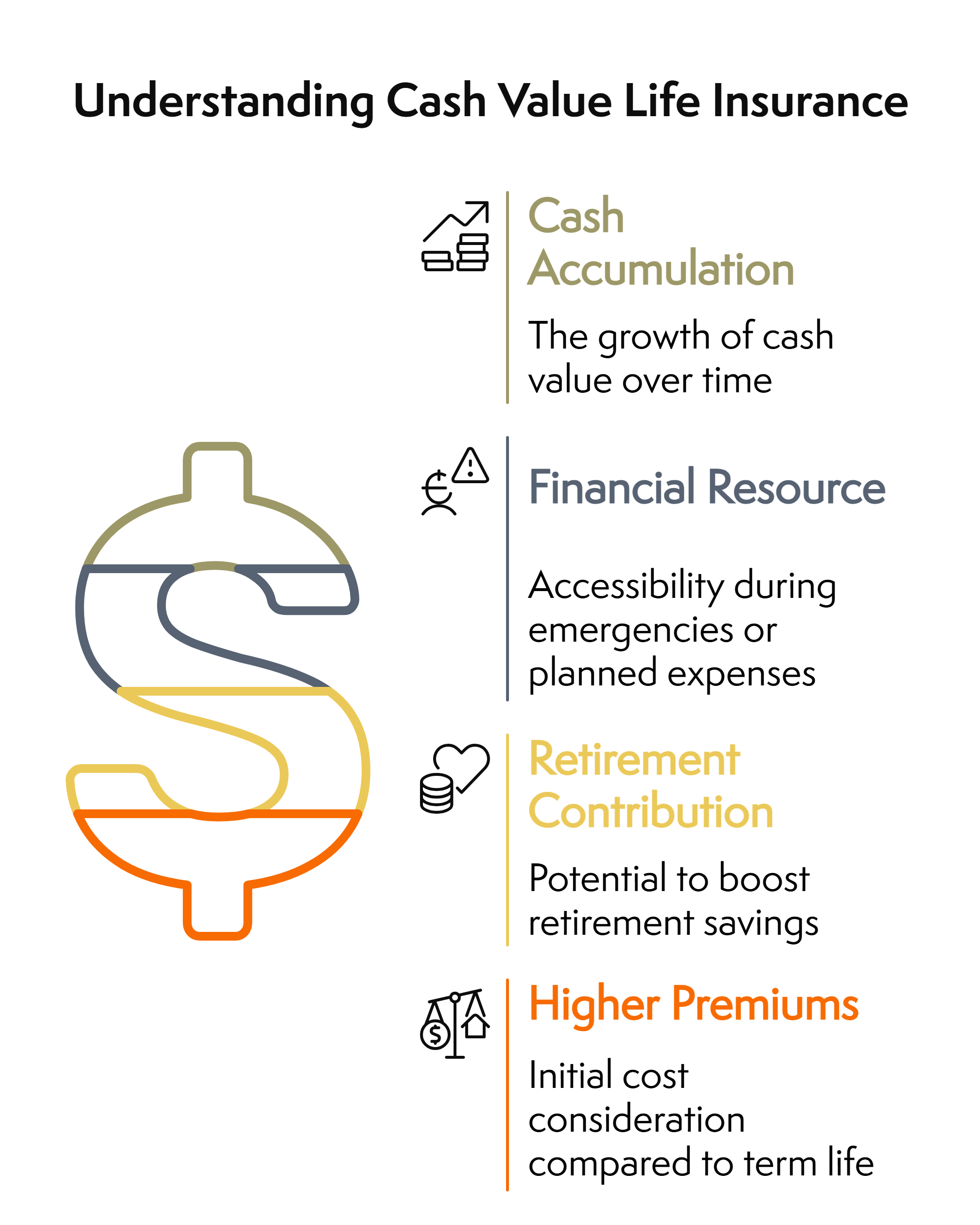
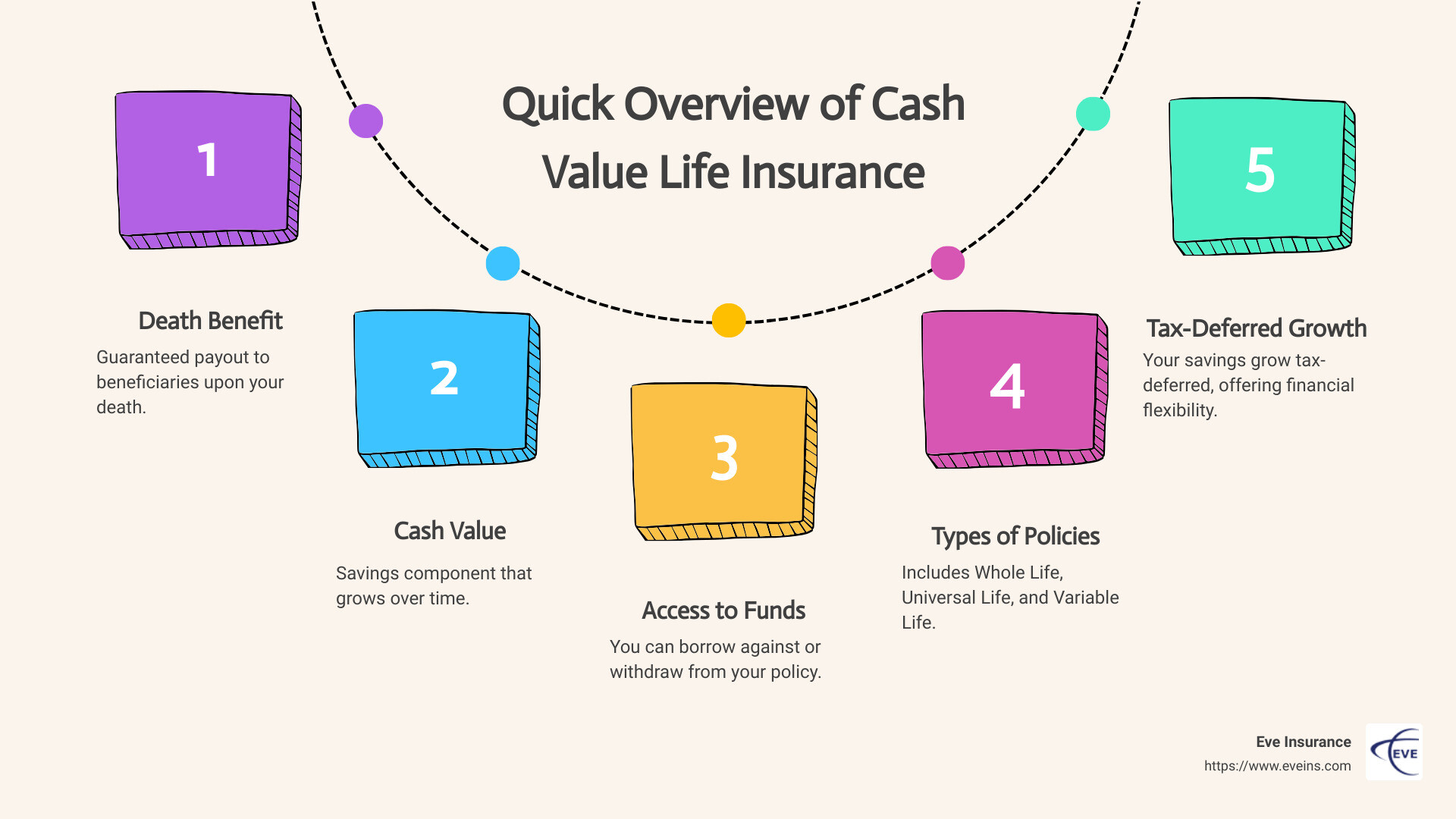
Cash value life insurance functions as a permanent life insurance policy that includes a built-in savings component. Unlike term life insurance, which only provides a death benefit for a specific period, cash value policies allow a por...
Cash value life insurance functions as a permanent life insurance policy that includes a built-in savings component. Unlike term life insurance, which only provides a death benefit for a specific period, cash value policies allow a portion of your premium to accumulate as equity that you can access during your lifetime for loans, withdrawals, or premium payments.
Contents
Permanent life insurance is often misunderstood as a singular product, but it encompasses a diverse range of financial instruments designed to balance protection and wealth accumulation. As of 2026, the landscape of these policies has evolved significantly, particularly following regulatory updates to IRS Section 7702, which redefined how much cash can be stored within a policy while maintaining its tax-advantaged status. To effectively utilize these "living benefits," a policyholder must understand how the cash accumulates, the specific risks associated with different policy types, and the tax implications of accessing those funds.
The Mechanism of Cash Value Accumulation
To understand your options, you must first understand how the "engine" of the policy works. When you pay a premium for a permanent life insurance policy, the payment is generally divided into three parts: the cost of insurance (COI), administrative fees, and the remaining balance, which flows into the cash value account.
In the early years of a policy, the cash value grows slowly because a higher percentage of the premium is allocated toward administrative costs and commissions. However, as the account matures, the power of tax-deferred compounding takes over. Because you do not pay annual taxes on the interest or investment gains within the policy, the cash value can grow more efficiently than a comparable taxable brokerage account.
By 2026, many policyholders utilize these accounts as "volatility buffers" or supplemental retirement vehicles. The cash value essentially acts as a reserve that the insurance company uses to offset its risk. As your cash value grows, the "net amount at risk" for the insurance company decreases, which is why older policies often remain sustainable even as the natural cost of insurance increases with age.
Primary Cash Value Policy Options
Choosing the right policy depends on your risk tolerance and how much control you want over the underlying investments.
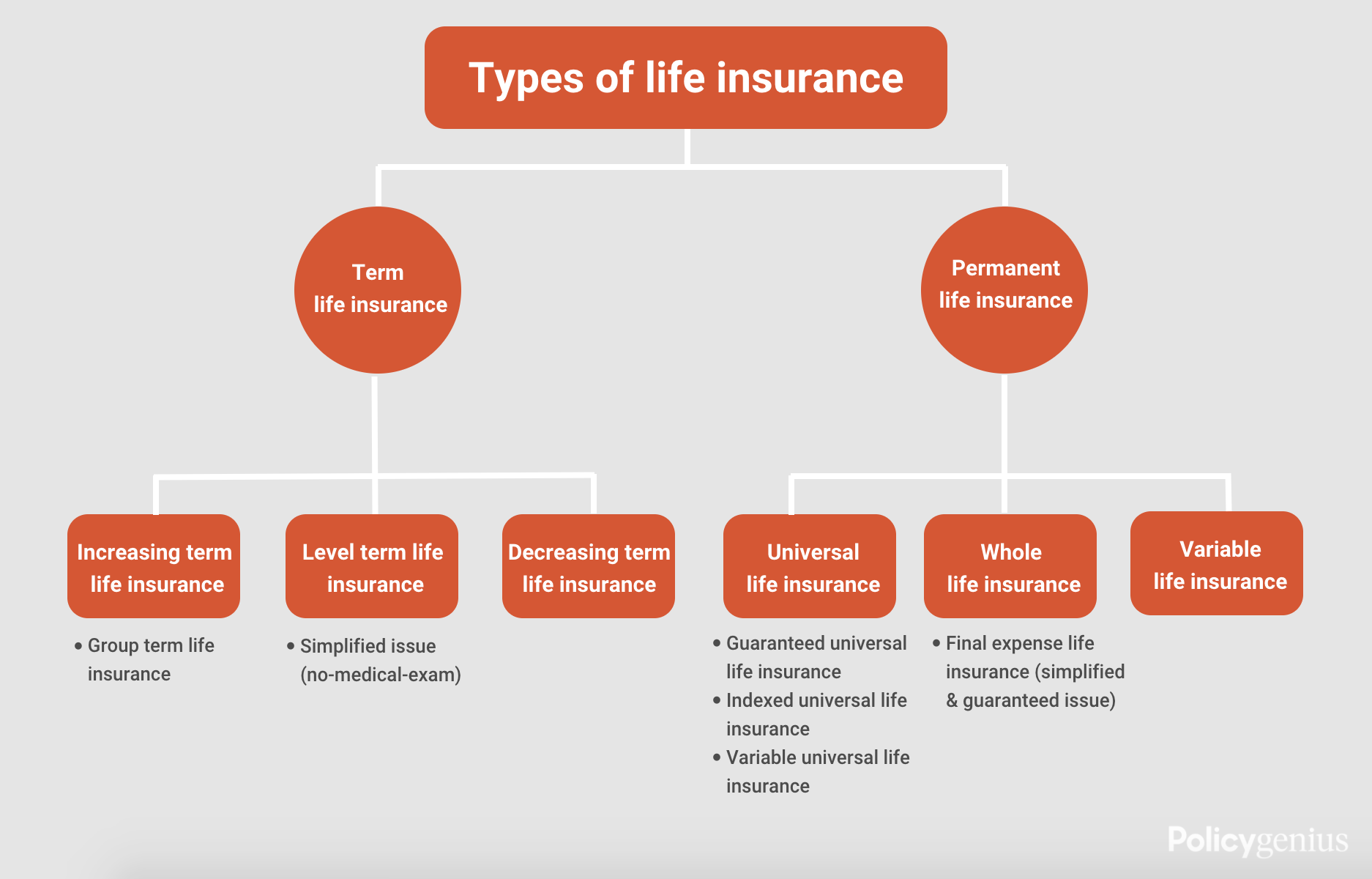
Whole Life Insurance
Whole life is the most traditional form of permanent coverage. It offers a guaranteed death benefit, fixed premiums, and a guaranteed rate of return on the cash value. Many whole life policies are "participating," meaning they are eligible to receive dividends from the insurance company's surplus. While dividends are not guaranteed, they can be used to purchase "paid-up additions," which exponentially increase both the death benefit and the cash value over time.
Universal Life (UL)
Universal life insurance offers more flexibility than whole life. Policyholders can adjust their premium payments and death benefits within certain limits. If the cash value account has grown sufficiently, it can even be used to cover the monthly cost of insurance, effectively allowing the policy to pay for itself. However, if interest rates drop or the cost of insurance rises too sharply, the policyholder may need to inject more capital to prevent the policy from lapsing.
Indexed Universal Life (IUL)
IUL policies link the growth of the cash value to a specific market index, such as the S&P 500. It offers a "floor" (usually 0%), which protects the principal against market losses, and a "cap" on the maximum potential gain. In the current 2026 financial environment, IULs remain popular for those seeking market-linked growth without the downside risk of a direct equity investment.
Variable Universal Life (VUL)
VUL is the most aggressive option. It allows the policyholder to invest the cash value directly into sub-accounts that function similarly to mutual funds. There are no guaranteed returns, and it is possible to lose principal if the underlying investments perform poorly. This option is typically reserved for high-net-worth individuals who have a high risk tolerance and have already maximized other tax-advantaged accounts like 401(k)s and IRAs.
Comparative Overview of Cash Value Options
The following table summarizes the key differences between the major types of cash value life insurance policies available in 2026.
| Policy Type | Growth Mechanism | Premium Flexibility | Risk Level | Best For |
|---|---|---|---|---|
| Whole Life | Fixed & Guaranteed + Dividends | None (Fixed) | Low | Conservative savers seeking guarantees. |
| Universal Life | Declared Interest Rate | High (Flexible) | Moderate | People needing flexible payment options. |
| Indexed UL | Market Index (Caps/Floors) | High (Flexible) | Moderate | Growth seekers with downside protection. |
| Variable UL | Direct Market Sub-accounts | High (Flexible) | High | Investors comfortable with market volatility. |
Strategic Ways to Access Cash Value
One of the primary reasons for choosing a cash value policy is the ability to use the money while you are still alive. There are four main ways to do this:
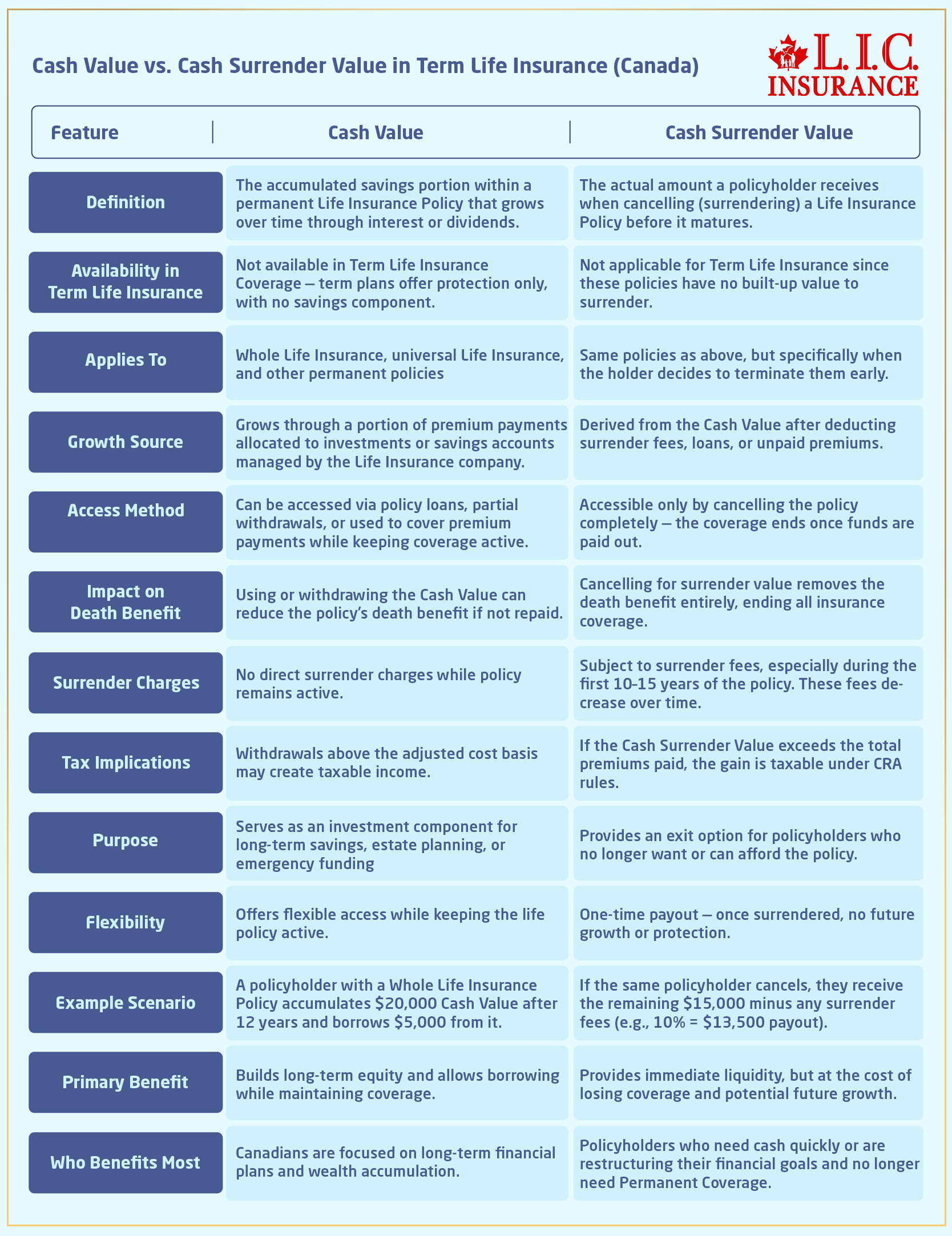
- Policy Loans: You can borrow against your cash value. Unlike a bank loan, there is no credit check, and you are not legally required to pay it back. However, interest will accrue, and if the loan balance exceeds the cash value, the policy will lapse. Any outstanding loan balance at the time of death is deducted from the death benefit.
- Partial Withdrawals: You can withdraw cash directly. Generally, withdrawals are tax-free up to the "basis" (the total amount of premiums you have paid). Any amount withdrawn above the basis is taxed as ordinary income.
- Surrendering the Policy: If you no longer need the coverage, you can cancel the policy and receive the "net cash surrender value." This is the total cash value minus any surrender charges or outstanding loans.
- Paying Premiums: As mentioned with Universal Life, you can direct the insurance company to use the accumulated cash value to pay the monthly premiums, which is a useful strategy during retirement or periods of financial hardship.
Important Regulatory and Tax Considerations
To maintain the tax-advantaged status of a life insurance policy, it must pass the 7-Pay Test as defined by the IRS. If you pay too much into the policy too quickly, it becomes a Modified Endowment Contract (MEC).
Once a policy is classified as a MEC, the tax advantages change significantly. Withdrawals and loans are taxed on a "last-in, first-out" (LIFO) basis, meaning the gains (taxable) come out before the basis (non-taxable). Additionally, if you are under age 59½, a 10% IRS penalty may apply to any gains withdrawn from a MEC. Professional guidance is essential when "overfunding" a policy to ensure it stays within the guidelines of the Internal Revenue Service (IRS).
Furthermore, the National Association of Insurance Commissioners (NAIC) provides updated guidelines on IUL illustrations. By 2026, these regulations have become stricter to ensure that insurers do not show overly optimistic growth projections that may mislead consumers regarding the future performance of their cash value.
Common Pitfalls to Avoid
The most significant risk with cash value life insurance is a policy lapse. This occurs when the cash value is insufficient to cover the internal costs of the policy, often due to high loan balances or underfunding. If a policy lapses while a loan is outstanding, the entire loan amount (minus the basis) may become immediately taxable as ordinary income.
Another common mistake is failing to account for the surrender period. Most policies have a surrender charge that lasts 10 to 15 years. If you try to take all your money out early, the insurance company will deduct a significant penalty. These are long-term financial commitments and are generally not suitable for "emergency funds" needed in the first few years.
FAQ
Does the beneficiary receive the cash value and the death benefit?
In most standard policies, the beneficiary only receives the face amount (death benefit). The insurance company keeps the cash value to offset the cost of the payout. However, you can purchase an "increasing death benefit" rider (often called Option B) that pays out both the face amount and the accumulated cash value, though this will significantly increase your premium costs.
Can I lose money in a cash value policy?
Yes, depending on the policy type. In Variable Universal Life (VUL), poor market performance can reduce your cash value to zero. In Indexed Universal Life (IUL), while you have a 0% floor against market losses, the internal "cost of insurance" still gets deducted every month. If the market stays flat and your gains are 0%, your cash value will actually decrease because it must cover those internal fees.
Is the cash value in a life insurance policy protected from creditors?
In many states, the cash value and death benefit of a life insurance policy are protected from creditors and legal judgments. This makes life insurance a popular asset protection tool for professionals in high-liability fields. However, laws vary by jurisdiction, so it is vital to check the specific statutes in your state.
How do I know if my policy is performing well?
You should request an "in-force illustration" from your insurance company annually. This document shows how the policy is actually performing compared to the original projections. It will account for current interest rates, dividend scales, and the actual cost of insurance being deducted.
Can I convert a term policy into a cash value policy?
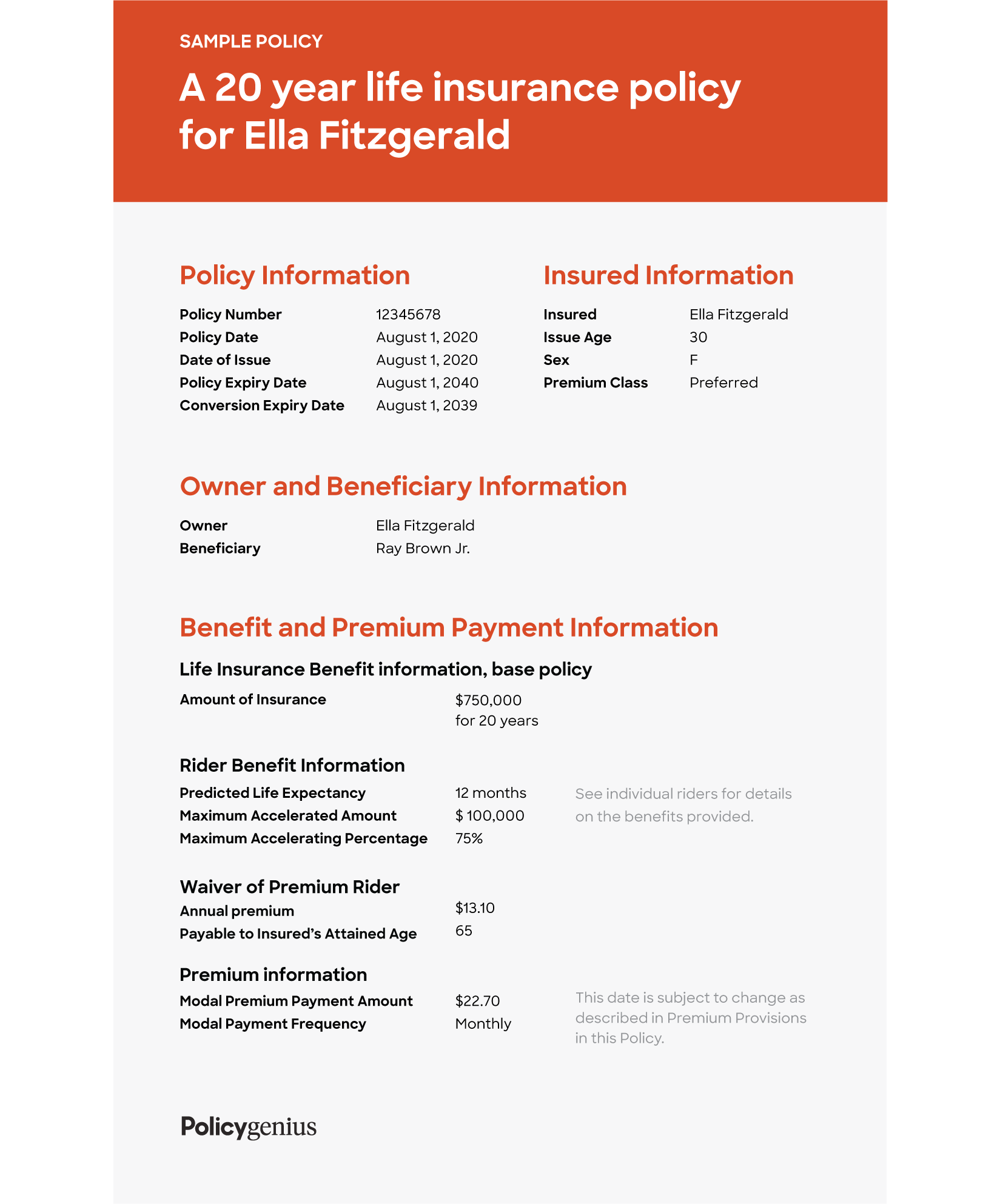
Many term life insurance policies include a conversion rider. This allows you to switch to a permanent cash value policy without undergoing a new medical exam. This is a valuable feature if your health has declined since you originally purchased the term policy, as it guarantees you can maintain coverage for life.
Practical Next Action
If you are considering a cash value policy or currently own one, your next step should be to request a comprehensive policy review from a fiduciary financial advisor or a licensed insurance professional. Review your "cost of insurance" schedule to see how it increases as you age, and ensure your current funding level is sufficient to keep the policy active into your 80s and 90s. If you own an IUL or VUL, verify that the current market projections are realistic in the 2026 economic environment to avoid a "lapse surprise" in the future.
Image Gallery