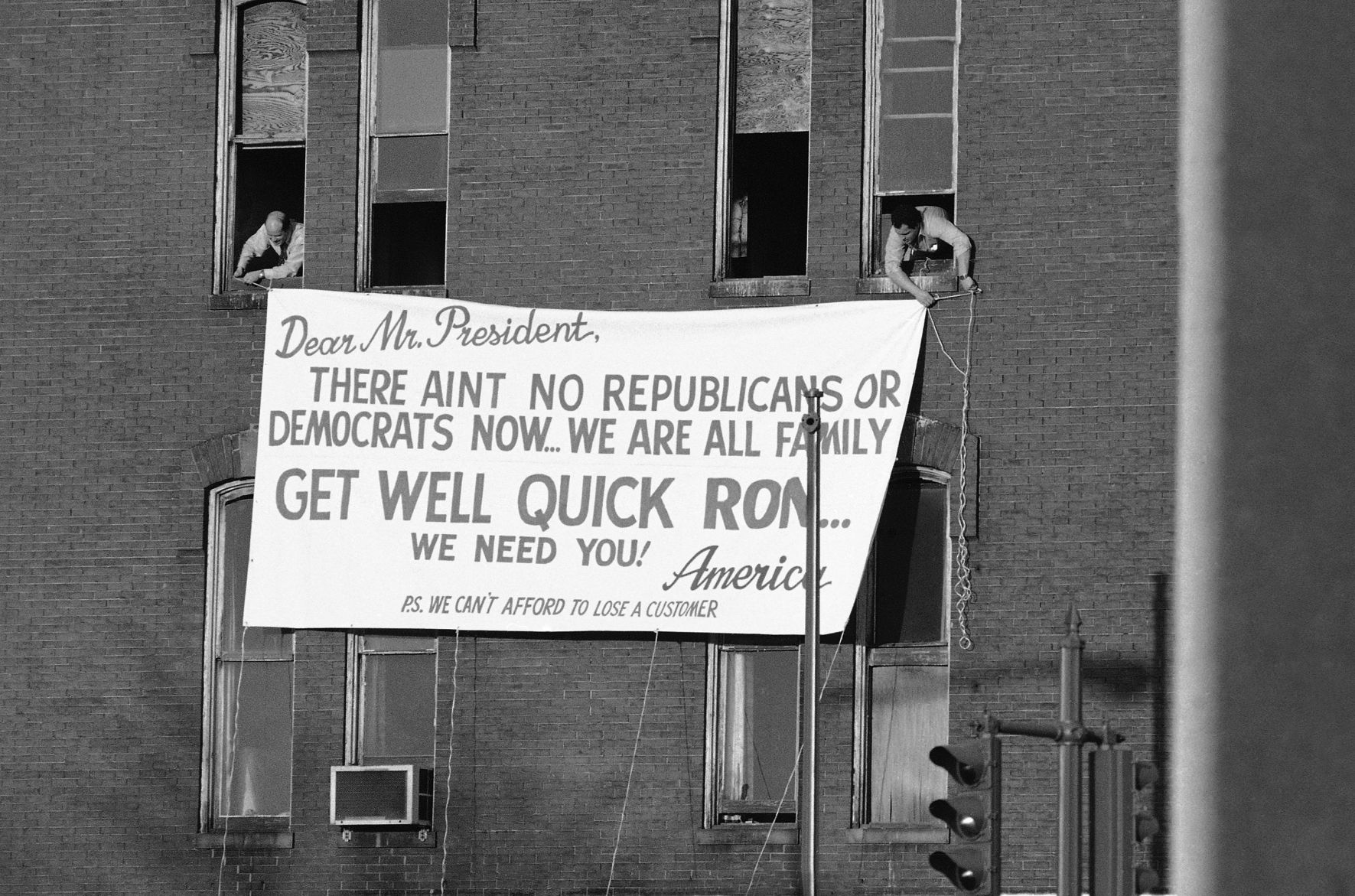
Who Shot Ronald Reagan in 1981? The Gunman, Motive, and Historical Aftermath
On March 30, 1981, 25-year-old John Hinckley Jr. shot U.S. President Ronald Reagan outside the Washington Hilton Hotel in Washington, D.C. Hinckley fired six bullets to impress actress Jodie Foster, gravely wounding Reagan, White House...
On March 30, 1981, 25-year-old John Hinckley Jr. shot U.S. President Ronald Reagan outside the Washington Hilton Hotel in Washington, D.C. Hinckley fired six bullets to impress actress Jodie Foster, gravely wounding Reagan, White House Press Secretary James Brady, Secret Service Agent Timothy McCarthy, and Washington D.C. Police Officer Thomas Delahanty.
Contents
The Assassination Attempt at the Washington Hilton
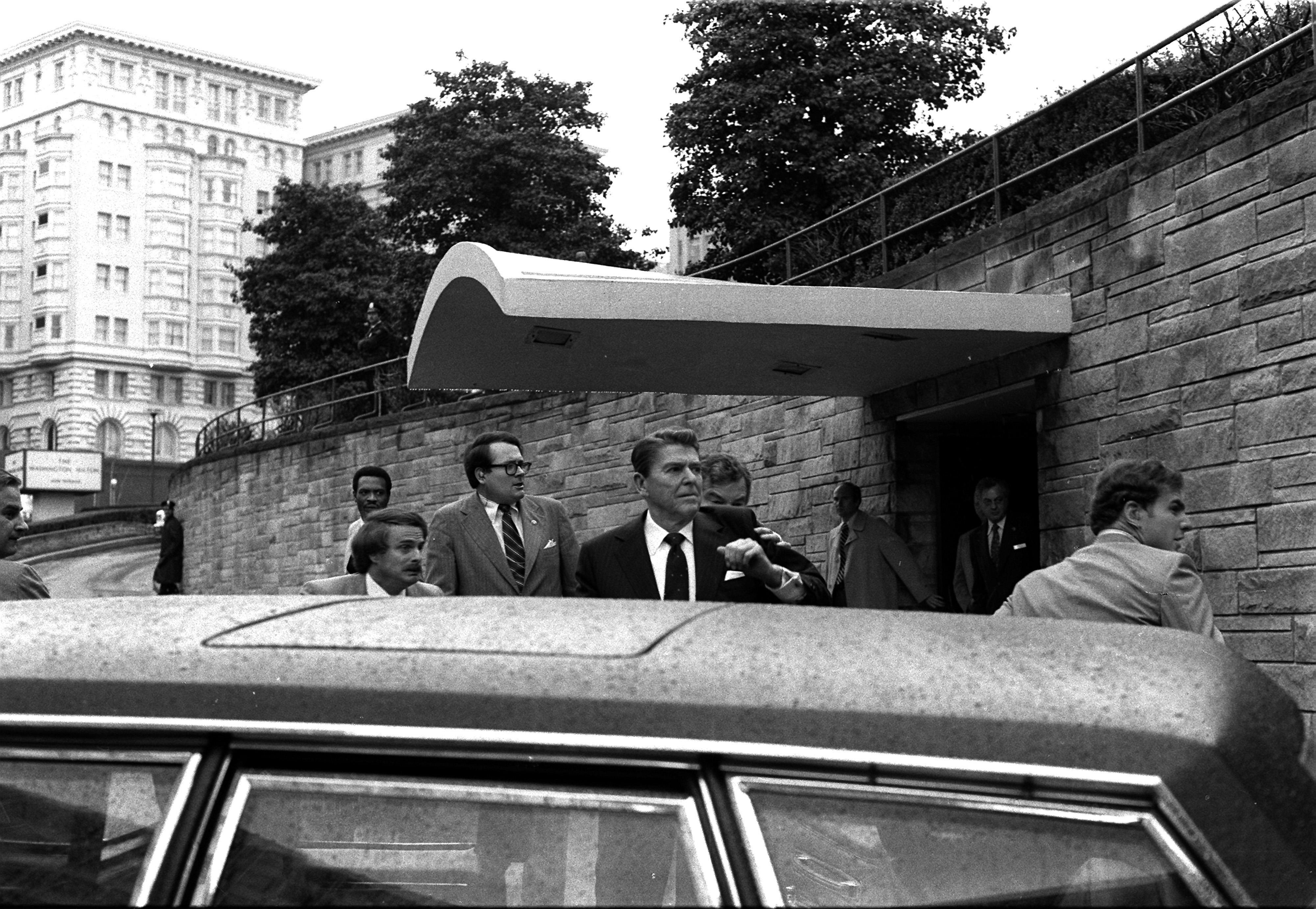
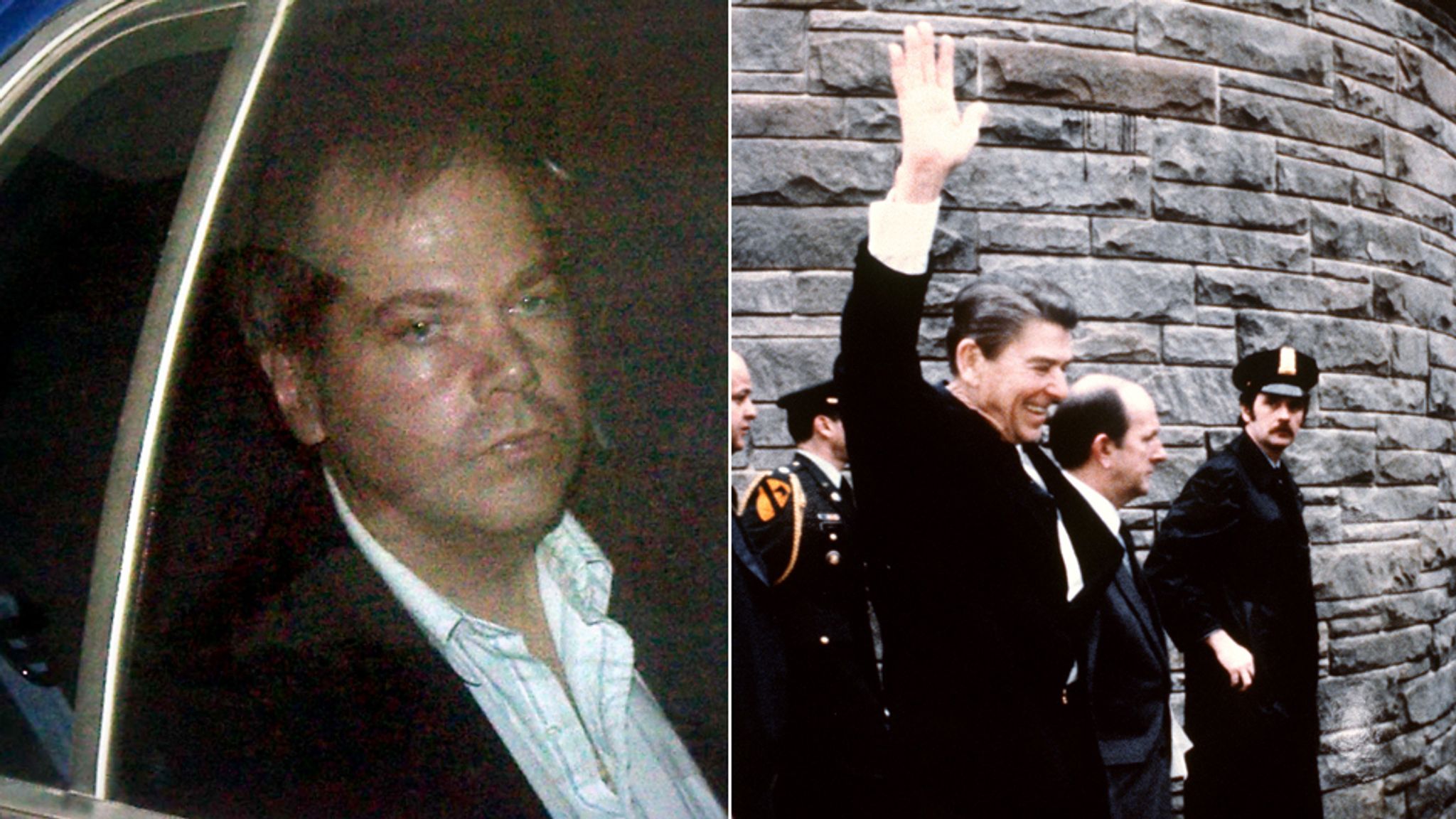
On the afternoon of March 30, 1981, President Ronald Reagan delivered an address to the AFL-CIO building trades council at the Washington Hilton Hotel on Connecticut Avenue in Washington, D.C. At approximately 2:27 p.m. EST, President Reagan exited the T Street NW entrance—a side entrance frequently used for presidential departures—and walked toward his waiting presidential limousine.
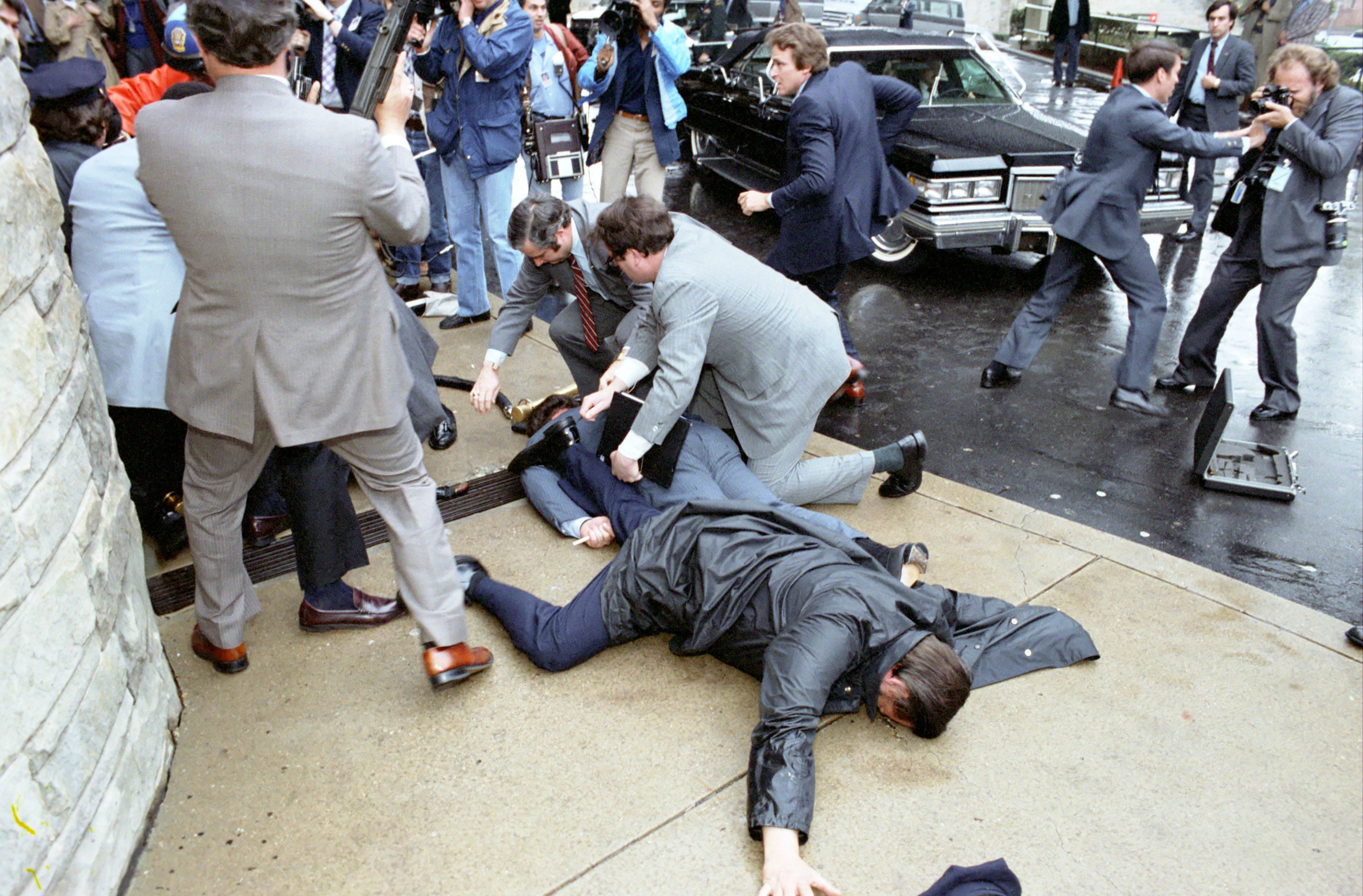
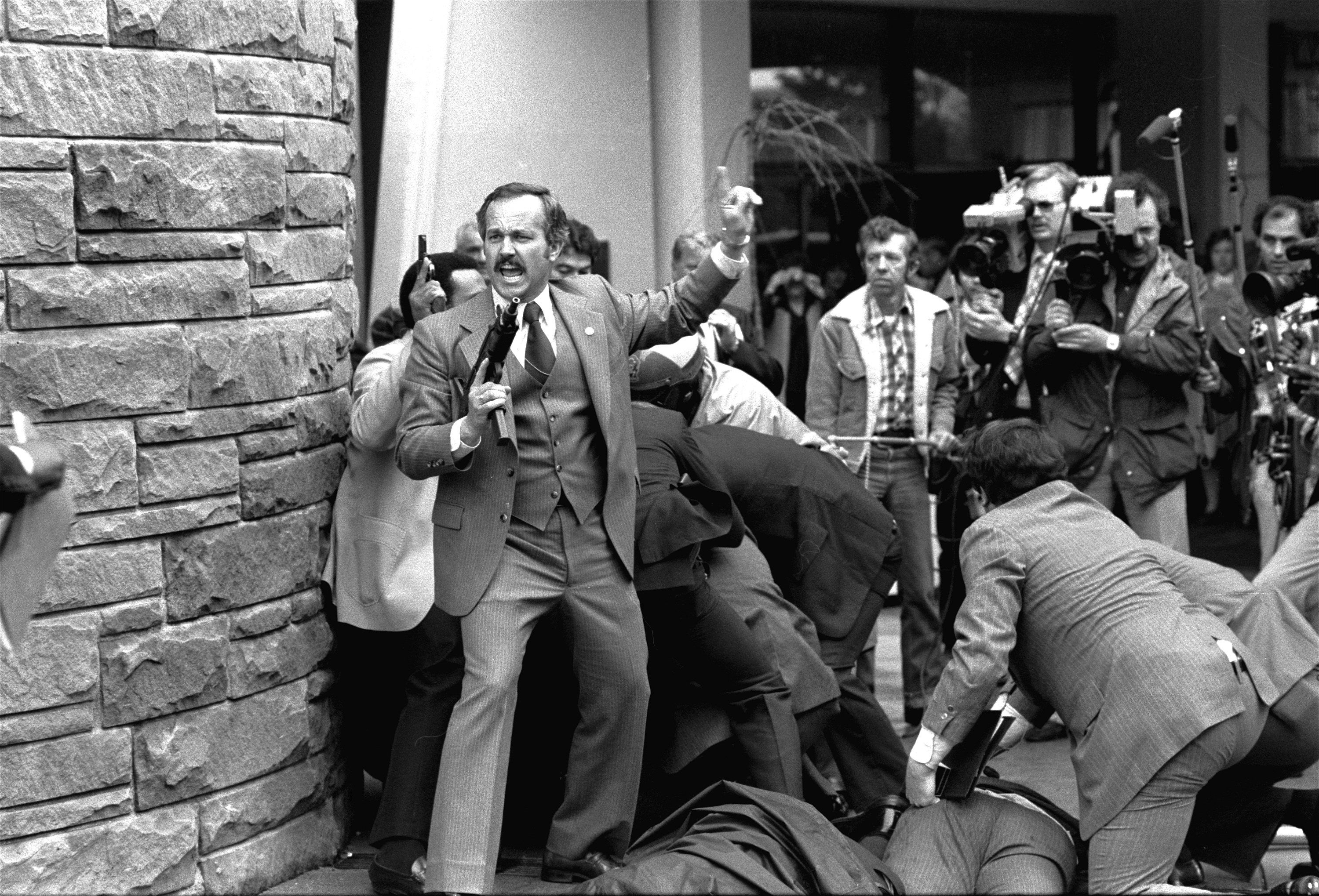
As Reagan acknowledged a gathering crowd of reporters and spectators, John W. Hinckley Jr. stepped forward from the crowd. Armed with a .22-caliber Röhm RG-14 revolver, Hinckley fired six shots in 1.7 seconds.
- Shot 1: Struck Press Secretary James Brady in the head.
- Shot 2: Struck D.C. Police Officer Thomas Delahanty in the neck.
- Shot 3: Overshot the limousine and hit a window across the street.
- Shot 4: Struck Secret Service Agent Timothy McCarthy in the abdomen.
- Shot 5: Struck the armored glass of the presidential limousine door.
- Shot 6: Ricocheted off the limousine's armor, entered Reagan's left armpit, and lodged in his lung.
Secret Service Special Agent in Charge Jerry Parr shoved President Reagan into the rear seat of the armored limousine and ordered driver Drew Lewis to speed away. Although initial reports suggested the President had escaped harm, Reagan began coughing up bright red, frothy blood inside the vehicle, indicating a punctured lung. Parr immediately redirected the motorcade from the White House to George Washington University Hospital.
Reagan suffered severe internal bleeding and a collapsed lung; the ricochet bullet stopped less than an inch from his heart. Surgeons successfully performed an emergency thoracotomy to extract the round and stabilize the President.
Profile and Motive of John Hinckley Jr.
John Wayne Hinckley Jr., born in Ardmore, Oklahoma, in 1955 and raised in Dallas, Texas, was a troubled young man with a history of severe psychiatric illness, social isolation, and erratic behavior. In the late 1970s, Hinckley developed an unhealthy obsession with the 1976 Martin Scorsese film Taxi Driver.
Hinckley fixated on the film's protagonist, Travis Bickle (played by Robert De Niro), a mentally unstable veteran who plots to assassinate a political candidate and violently rescues a teenage girl from prostitution. Hinckley also developed an intense erotomanic delusion regarding actress Jodie Foster, who portrayed the young girl in the film.
Hinckley's Behavioral Escalation (1976–1981):
- 1976: Watches Taxi Driver repeatedly; develops obsession with Jodie Foster.
- 1980: Enrolls briefly at Yale University to stalk Foster; leaves unwanted notes and phone calls.
- 1980 (Autumn): Shadowed President Jimmy Carter across multiple states; arrested in Nashville for weapons possession.
- 1981 (March): Travels to Washington, D.C., deciding to assassinate President Reagan to gain Foster's attention.
In the months leading up to the attack, Hinckley stalked Foster while she attended Yale University, leaving letters and poems at her dormitory and calling her room. Believing that a high-profile national tragedy was the only way to gain her attention and immortalize himself in her eyes, Hinckley decided to assassinate the sitting President of the United States.
Just hours before the attack on March 30, Hinckley wrote a letter to Foster in his room at the Park Central Hotel in Washington, D.C. The letter, which was never mailed but recovered by federal investigators, explicitly outlined his intention to sacrifice his freedom—and potentially his life—to prove his love for her through an unprecedented act of political violence.
Analysis of the Victims and Physical Injuries
The shooting resulted in severe injuries to four individuals. The casualties highlight both the protective responses of law enforcement personnel and the severe lethality of close-range gunfire.
| Victim | Role / Title | Physical Injury Sustained | Long-Term Health Impact |
|---|---|---|---|
| Ronald Reagan | 40th U.S. President | Bullet ricocheted into left armpit, fractured a rib, and punctured left lung. | Spent 12 days hospitalized; achieved full recovery and returned to executive duties. |
| James Brady | White House Press Secretary | Bullet entered above left eye, penetrating the frontal lobe of the brain. | Permanent partial paralysis, speech impairment, and lifelong reliance on a wheelchair. Died in 2014; death ruled a homicide. |
| Timothy McCarthy | U.S. Secret Service Agent | Bullet entered abdomen, damaging liver, lung, and diaphragm. | Full recovery after emergency surgery; awarded Secret Service Valor Award. |
| Thomas Delahanty | D.C. Metropolitan Police Officer | Bullet struck left shoulder/neck, damaging nerves near the spine. | Permanent nerve damage forcing medical retirement from police force. |
The Devastator Ammunition Factor
Hinckley loaded his revolver with six .22 Long Rifle "Devastator" rounds, which contained small aluminum canisters designed to explode upon impact. Five of the six rounds failed to detonate as engineered. The bullet that struck James Brady was the only round that exploded, causing severe skull fragmentation and catastrophic neurological damage.
Trial, Legal Defense, and Insanity Verdict
John Hinckley Jr. was indicted on 13 federal and local charges, including the attempted assassination of the President of the United States. His trial, United States v. John W. Hinckley Jr., began in May 1982 in the U.S. District Court for the District of Columbia.
The Psychiatric Evidence
The defense team, led by attorney Vincent Fuller, argued that Hinckley was legally insane at the time of the shooting. Psychiatric experts presented extensively on Hinckley's condition, diagnosing him with schizotypal personality disorder, major depressive disorder, and severe psychosis. Expert witnesses showed CAT scans of Hinckley's brain, arguing that atrophy in certain regions evidenced structural brain abnormalities associated with schizophrenia.
The prosecution countered that Hinckley was legally sane, asserting that his planning, travel, concealment of the weapon, and choice of timing demonstrated deliberate calculation and an ability to understand the criminality of his actions.
The Verdict and Public Outrage
On June 21, 1982, after seven days of deliberation, the jury returned a verdict of Not Guilty by Reason of Insanity (NGRI) on all charges.
Legal Outcome Timeline:
- June 1982: Jury finds Hinckley Not Guilty by Reason of Insanity (NGRI).
- August 1982: Remanded to St. Elizabeths Hospital in Washington, D.C., for psychiatric treatment.
- 2003–2016: Court approves gradual off-grounds visits and extended stays with his mother in Williamsburg, VA.
- September 2016: Convalescent leave granted; moves permanently to Williamsburg under strict conditions.
- June 2022: Federal court grants full, unconditional legal release.
The verdict caused widespread public outrage and intense criticism across the political spectrum. Many Americans viewed the NGRI verdict as a loophole that allowed a high-profile gunman to escape criminal accountability.
Legislative and Institutional Reforms
The aftermath of the 1981 assassination attempt sparked significant legal, law enforcement, and legislative changes across the United States.
Post-1981 Reforms:
- Legal Reform: Insanity Defense Reform Act of 1984 (shifted burden of proof to defense).
- Security Reform: Secret Service protocol upgrades (metal detectors, expanded perimeters).
- Legislative Reform: Brady Handgun Violence Prevention Act of 1993 (mandated national background checks).
1. Reforming the Legal Insanity Defense
In response to the Hinckley verdict, Congress passed the Insanity Defense Reform Act of 1984 (18 U.S.C. § 17). This federal law overhauled the insanity defense in four major ways:
- Shifted Burden of Proof: Previously, federal prosecutors had to prove beyond a reasonable doubt that the defendant was sane. The 1984 law required the defense to prove insanity by clear and convincing evidence.
- Narrowed Legal Standard: The law eliminated the "volitional prong" (whether the defendant lacked substantial capacity to conform their conduct to the law) and restricted the defense to the "cognitive prong" (proving severe mental disease or defect made the defendant unable to appreciate the nature and quality or wrongfulness of their acts).
- Restricted Expert Testimony: Federal Rule of Evidence 704(b) was enacted, prohibiting mental health experts from offering direct testimony on the ultimate legal issue of whether the defendant was legally sane or insane at the time of the offense.
- State-Level Revisions: Numerous U.S. states altered their own statutes, with several introducing "Guilty but Mentally Ill" (GBMI) verdicts or abolishing the insanity defense entirely.
2. The Brady Handgun Violence Prevention Act
Following the severe brain injury sustained by Press Secretary James Brady, his wife Sarah Brady became a prominent advocate for gun control. Their efforts led to the passage of the Brady Handgun Violence Prevention Act in 1993. The legislation instituted mandatory federal background checks on firearm purchasers through the creation of the National Instant Criminal Background Check System (NICS), managed by the FBI.
3. Secret Service Security Protocol Modifications
The assassination attempt exposed critical vulnerabilities in protective operations for high-ranking officials. Following internal investigations, the U.S. Secret Service instituted permanent operational changes:
- Mandatory Screening: Mandatory magnetometers (metal detectors) were required for all individuals entering secure presidential event perimeters.
- Secure Transit Enclosures: The Secret Service minimized open-air pedestrian walks between secure buildings and presidential vehicles.
- Enhanced Crowdsourcing Surveillance: Plainclothes agents were reassigned to monitor public crowds directly rather than focusing solely on the dignitary.
Frequently Asked Questions
Did John Hinckley Jr. go to prison for shooting Ronald Reagan?
No. John Hinckley Jr. was not sent to state or federal prison because the jury found him Not Guilty by Reason of Insanity (NGRI) at his trial in 1982. Instead of a correctional facility, he was committed to St. Elizabeths Hospital, a psychiatric facility in Washington, D.C., where he remained under court-ordered psychiatric care for over three decades.
What weapon did John Hinckley Jr. use during the shooting?
Hinckley used a .22-caliber Röhm RG-14 revolver, an inexpensive firearm often categorized as a "Saturday night special." He purchased the gun at a pawn shop in Dallas, Texas. He loaded the revolver with six .22 LR Devastator explosive-tip rounds, though five of the rounds failed to detonate.
Why did John Hinckley Jr. target President Ronald Reagan?
Hinckley shot President Reagan to gain national attention and impress actress Jodie Foster. Suffering from severe delusions and an unhealthy obsession with the film Taxi Driver, Hinckley believed that committing an assassination attempt would make him famous and forge a personal bond between him and Foster.
How did the shooting affect James Brady?
James Brady suffered catastrophic injuries when a bullet hit him above his left eye and exploded in his brain. The gunshot resulted in permanent paralysis on his left side, memory loss, and slurred speech. Despite his injuries, Brady became a leading advocate for gun control. When he died in 2014, the Virginia State Medical Examiner ruled his death a homicide directly resulting from the gunshot wound received in 1981.
Is John Hinckley Jr. still in custody today?
No. Beginning in 2003, federal courts granted Hinckley gradual privileges based on evaluations showing his psychiatric conditions were in stable remission. In 2016, he was permitted to leave St. Elizabeths Hospital and live full-time with his mother in Williamsburg, Virginia, under strict court supervision. On June 15, 2022, a federal judge granted Hinckley full, unconditional release, ending all court-ordered monitoring and travel restrictions.
Practical Takeaways and Historical Significance
Understanding who shot Ronald Reagan in 1981 requires evaluating both the individual crisis of a delusional gunman and the legal and structural consequences that followed:
- Primary Gunman: John W. Hinckley Jr., driven by erotomanic delusions surrounding actress Jodie Foster, acted alone during the attack on March 30, 1981.
- Legal Precedent: The trial's Not Guilty by Reason of Insanity (NGRI) verdict directly caused Congress to pass the Insanity Defense Reform Act of 1984, fundamentally altering how federal courts treat psychiatric claims by criminal defendants.
- Public Policy Impact: The injury sustained by Press Secretary James Brady launched a advocacy movement that resulted in the 1993 Brady Act, establishing nationwide background checks for handgun sales.
Researchers examining this event can access original court records through the U.S. National Archives and historical executive documents via the Ronald Reagan Presidential Library.
Image Gallery