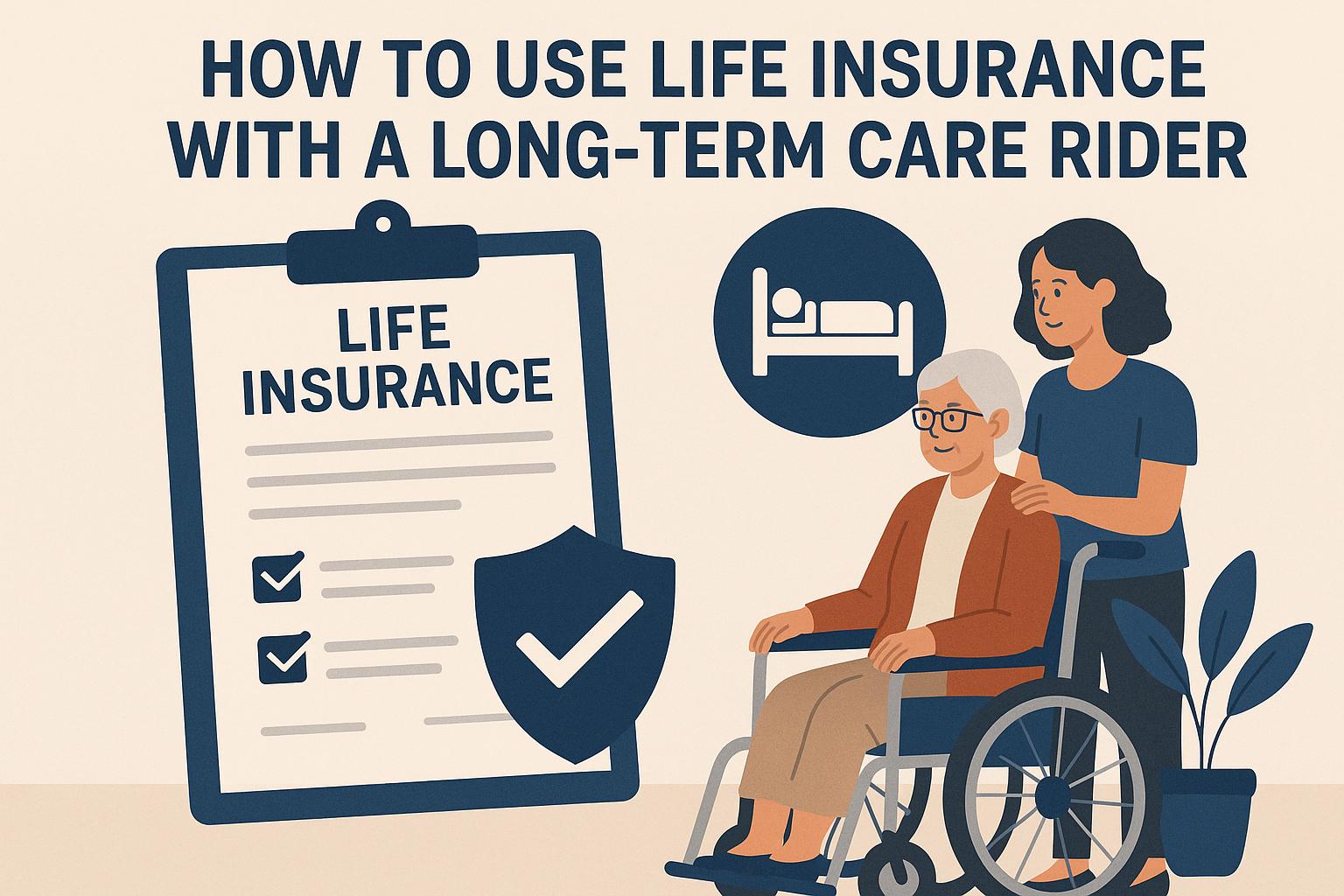
Understanding the State Life Long Term Care Insurance System
The State Life long-term care insurance system, primarily administered by State Life Insurance Company (a OneAmerica company), is a specialized framework of asset-based long-term care (LTC) solutions. Unlike traditional "use-it-or-lose...
The State Life long-term care insurance system, primarily administered by State Life Insurance Company (a OneAmerica company), is a specialized framework of asset-based long-term care (LTC) solutions. Unlike traditional "use-it-or-lose-it" policies, this system utilizes life insurance or annuities to provide LTC benefits, ensuring that if care is never needed, a death benefit or cash value remains for beneficiaries.
Contents
Long-term care planning has shifted dramatically as we move through 2026. With the aging population and the increasing cost of professional care, many individuals find themselves caught between the high premiums of traditional insurance and the restrictive eligibility of Medicaid. The State Life system addresses this gap by focusing on "asset-based" protection. This model allows policyholders to leverage existing assets—such as cash, IRAs, or existing life insurance—to create a pool of money specifically earmarked for home health care, assisted living, or nursing home expenses.
Understanding this system requires a look at how it differs from government programs and traditional insurance, the mechanics of its hybrid structure, and the specific ways it protects wealth from the catastrophic costs of chronic illness.
The Architecture of Asset-Based Long-Term Care
The State Life system is built on the principle of asset repositioning. Instead of paying an annual premium that could increase over time (a common complaint with traditional LTC insurance), the State Life system often utilizes single-premium or limited-pay structures. This provides premium stability, a critical factor for retirees on fixed incomes in 2026.
At its core, the system functions as a hybrid. It combines the mortality protection of a life insurance policy or the tax-deferred growth of an annuity with a long-term care rider. If the policyholder requires care, the policy "accelerates" the death benefit to pay for those costs. If the entire death benefit is exhausted, many State Life products offer an optional "Continuation of Benefits" rider, which extends coverage for a specified period or even for a lifetime.
Asset-Care: The Whole Life Foundation
Asset-Care is the flagship product within the State Life system. It is a whole life insurance policy that provides a death benefit, cash value growth, and long-term care benefits.
- Joint Coverage: One of the most unique features is the ability to cover two people (typically spouses) under a single policy. When one person needs care, they draw from the pool. If both need care simultaneously, they both have access to the benefits.
- Funding Options: Policyholders can fund Asset-Care with a single lump sum, or through 10-, 20-, or pay-to-age-95 installments. In 2026, the use of "qualified" funds (like 401k or IRA distributions) to fund these policies has become increasingly common through specific tax-efficient structures.
Annuity-Care: The Alternative for Transferring Risk
For those who may not qualify for life insurance due to health issues or who have existing annuities with significant tax gains, the Annuity-Care product line offers an alternative. This system allows individuals to exchange an existing annuity for a State Life LTC-focused annuity under Section 1035 of the Internal Revenue Code. This maneuver allows the policyholder to access the gain in the annuity tax-free for qualifying long-term care expenses, a major advantage provided by the Pension Protection Act.
The Lifetime Benefit Advantage
Perhaps the most significant differentiator of the State Life system in the 2026 insurance market is the availability of Lifetime Benefits. Most LTC providers have limited their benefit periods to three, four, or five years to mitigate risk. State Life remains one of the few entities offering a "Continuation of Benefits" rider that can provide coverage for the remainder of a policyholder's life.
This is particularly relevant for conditions like Alzheimer’s or other forms of dementia, where the need for care can extend well beyond the typical five-year window. By paying an additional premium for the Continuation of Benefits, the policyholder ensures that the "well" spouse’s assets are not depleted by a long-lasting cognitive impairment.
How the Claims Process Functions
Navigating the State Life system during a crisis requires an understanding of how benefits are triggered. Like most LTC policies, the State Life system uses a "benefit trigger" based on the policyholder's functional or cognitive status:
- Activities of Daily Living (ADLs): The inability to perform at least two of the six standard ADLs (bathing, dressing, toileting, transferring, continence, and eating).
- Cognitive Impairment: Requiring substantial supervision due to a severe cognitive impairment, such as Alzheimer's.
Once a trigger is met, there is typically an "Elimination Period"—a waiting period (often 90 days) during which the policyholder must pay for care out of pocket. After this period, State Life begins reimbursing for covered services or paying a monthly benefit, depending on the specific policy language.
Funding Strategies and Tax Efficiency
The State Life system is designed to integrate with a broader financial plan. In 2026, the tax implications of LTC insurance are a primary concern for high-net-worth individuals.
- The Pension Protection Act (PPA): State Life products are structured to be "PPA-compliant." This means that when the policy pays out for long-term care, the benefits are generally received income-tax-free, even if the funds come from an annuity that previously had deferred gains.
- 1035 Exchanges: If an individual has an underperforming life insurance policy or annuity, they can "swap" it for a State Life LTC policy without triggering a taxable event.
- Corporate-Owned LTC: For business owners, the State Life system allows for the purchase of LTC insurance using corporate dollars. Depending on the business structure (C-Corp, S-Corp, LLC), the premiums may be tax-deductible as a legitimate business expense.
| Feature | Traditional LTC Insurance | State Life Asset-Based System |
|---|---|---|
| Premiums | May increase over time | Generally guaranteed/fixed |
| Benefit Period | Usually 2–5 years | Can be Lifetime (Unlimited) |
| Death Benefit | None (Use-it-or-lose-it) | Yes (to beneficiaries if care is not used) |
| Couples Coverage | Two separate policies | Single joint policy option |
| Underwriting | Strict medical screening | Medical screening (Annuity-Care is more lenient) |
| Value | No cash value | Accumulates cash value over time |
Eligibility and Underwriting Protocols
While the State Life system offers more flexibility than traditional LTC, it is not a "guaranteed issue" system. Applicants must undergo medical underwriting.
For the Asset-Care (Life Insurance) side, underwriting includes a review of medical records, a cognitive screening (especially for those over age 65), and sometimes a phone interview. Conditions that might result in an automatic decline include current use of home health care, active cancer treatment, or advanced neurological disorders.
For the Annuity-Care side, underwriting is often more streamlined. Since the insurance company is taking on less risk (leveraging an existing annuity), they may accept individuals with more significant health challenges, though the long-term care "extension" portion of the policy will still require some level of health assessment.
Common Mistakes and System Limitations
Despite its robustness, the State Life system is not a universal solution. Consumers should be aware of several potential pitfalls:
- Opportunity Cost: Because asset-based LTC requires a significant upfront premium or the earmarking of a large asset, that money is no longer available for aggressive investment in the stock market.
- Inflation Protection: While State Life offers inflation protection riders (e.g., 3% or 5% compound growth), these riders significantly increase the cost of the policy. In a 2026 economy where healthcare costs continue to outpace general inflation, skipping this rider can be a costly mistake.
- Complexity: The combination of life insurance, annuities, and LTC riders creates a complex legal contract. It is essential to work with a specialist who understands the specific "riders" and "exclusions" of the State Life system.
For more information on general long-term care regulations, the National Association of Insurance Commissioners (NAIC) provides updated guidelines and consumer protections.
Frequently Asked Questions
Is State Life Insurance Company the same as OneAmerica?
State Life is a subsidiary of OneAmerica. While the products are often branded as OneAmerica, the legal entity issuing the long-term care insurance is the State Life Insurance Company. OneAmerica is a mutual insurance holding company, meaning it is owned by its policyholders rather than shareholders.
Can I use my 401(k) to pay for a State Life policy?
Yes. State Life has specific products that allow for "qualified" funding. This involves rolling over a portion of your 401(k) or IRA into a specialized annuity that then funds the life insurance or LTC benefits. However, the distributions used to pay for the insurance are generally taxable, though the LTC benefits themselves remain tax-free.
What happens if I want to cancel my policy?
Asset-based policies typically have a "surrender value." If you decide you no longer want the coverage, you can cancel the policy and receive the remaining cash value. This is a significant advantage over traditional LTC insurance, where canceling the policy results in the total loss of all premiums paid.
Does the State Life system cover home health care?
Yes. The system is designed to be comprehensive. It covers care in a variety of settings, including the policyholder's home, adult day care centers, assisted living facilities, and skilled nursing homes. Most policies in 2026 are "indemnity" or "reimbursement" based; State Life primarily uses a reimbursement model but offers some flexibility in how care is managed.
How does "Joint Coverage" work if one spouse dies?
In a joint State Life policy, if one spouse dies without ever using long-term care, the second spouse continues to be covered. Upon the second spouse's death, the remaining death benefit is paid out to the beneficiaries. If the first spouse uses care, the pool of money is reduced for the survivor, unless the "Continuation of Benefits" rider was purchased to ensure both have their own extended coverage.
Final Recommendation: Next Steps for Planning
If you are considering the State Life system in 2026, the first step is a comprehensive audit of your existing assets. Determine if you have "lazy money"—cash in low-interest accounts or old insurance policies—that could be more effectively used to leverage LTC coverage.
Consult with a financial advisor who specializes in asset-based long-term care. Request a side-by-side illustration comparing a single-pay whole life structure against a multi-pay option. Ensure you specifically ask about the Continuation of Benefits rider, as this is the primary feature that makes the State Life system a unique safeguard against the rising costs of chronic care.
For additional resources on how the federal government views these private insurance options, visit the Administration for Community Living (ACL) for independent guidance on long-term care planning.
Image Gallery