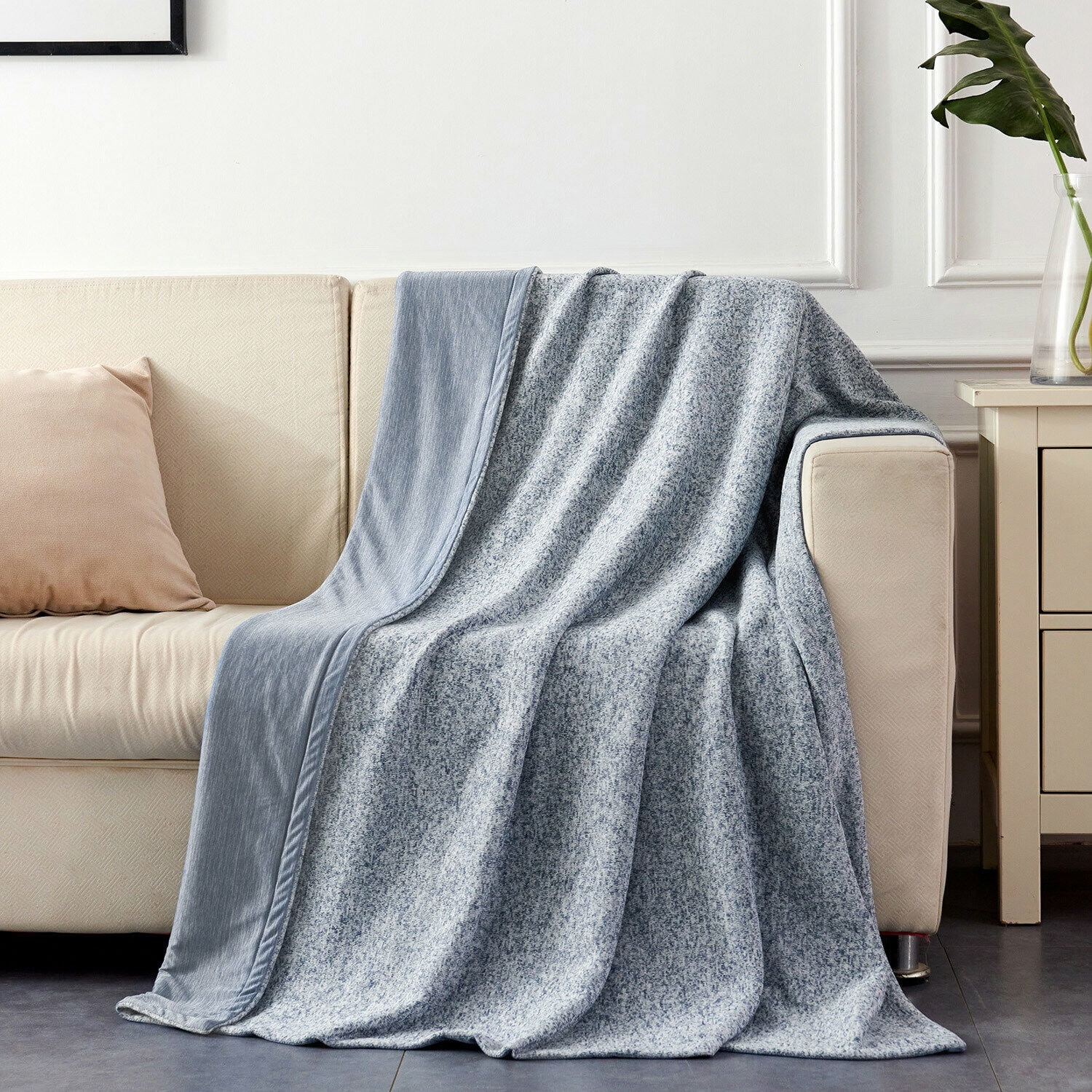
How to Choose the Best Blanket for Summer Sleeping
Selecting the best blanket for summer sleeping requires balancing breathability, thermal regulation, and moisture-wicking properties to ensure comfortable rest during warmer months. The ideal choice depends on your local climate, bedro...
Selecting the best blanket for summer sleeping requires balancing breathability, thermal regulation, and moisture-wicking properties to ensure comfortable rest during warmer months. The ideal choice depends on your local climate, bedroom humidity, and personal metabolic rate, focusing on natural fibers like cotton or bamboo that facilitate airflow rather than trapping body heat.
Contents
Understanding Thermal Regulation and Sleep Quality
The human body experiences a natural decline in core temperature to initiate and maintain deep sleep. When a sleeping environment is too warm, the body struggles to shed heat, leading to restlessness and frequent awakenings. Choosing a summer blanket is not merely about comfort; it is a tactical decision to support your body’s thermoregulation process.
Unlike winter bedding, which is designed for insulation and heat retention, summer blankets must prioritize thermal conductivity. This means the material should allow heat to pass through it easily rather than creating a pocket of warm air between the sleeper and the blanket.
Evaluating Key Material Properties
When shopping for summer bedding, the material composition is the single most important factor. The goal is to move moisture away from the skin and allow air to circulate freely.
- Cotton: Highly breathable and durable. Look for "percale" or "seersucker" weaves, which increase airflow. Cotton is excellent at moisture management, keeping the skin feeling dry even on humid nights.
- Bamboo Lyocell: Known for its silk-like texture and superior moisture-wicking capabilities. Bamboo fibers are naturally more porous than cotton, often providing a cooler touch that remains stable throughout the night.
- Linen: A perennial favorite for hot weather due to its high conductivity and ability to absorb significant moisture without feeling damp. Linen is highly textured, which keeps the fabric from clinging to the skin, encouraging ventilation.
- Silk: Offers a lightweight, temperature-regulating solution that is hypoallergenic. While higher in cost, silk provides a consistent temperature, preventing the "hot spots" often associated with synthetic blends.
- Synthetic Microfiber: Generally discouraged for summer sleeping. Most synthetic materials, such as standard polyester, are designed to insulate. Unless explicitly marketed as "cooling" or "moisture-wicking" with advanced weave technology, they tend to trap heat and moisture.
Comparing Summer Bedding Options
| Material | Breathability | Moisture Wicking | Durability | Typical Maintenance |
|---|---|---|---|---|
| Cotton (Percale) | High | Moderate | High | Machine wash |
| Bamboo Lyocell | Very High | High | Moderate | Gentle wash |
| Linen | Exceptional | High | Very High | Machine wash/Air dry |
| Silk | Moderate | Low | Low | Hand wash/Dry clean |
| Polyester | Low | Low | High | Machine wash |
Identifying Your Specific Sleep Needs
Before finalizing a purchase, consider how your environment and physiology influence your thermal requirements.
Climate and Humidity
If you live in a climate where high humidity is common, materials that wick moisture are non-negotiable. Humidity prevents sweat from evaporating, which is the body's primary cooling mechanism. In these environments, linen is often superior because it pulls moisture away from the body more effectively than cotton. In dry, hot climates, the breathability of cotton percale is often sufficient.
Metabolic Rate
Individuals who run "hot" during the night or experience night sweats require blankets with the highest possible airflow. If you find yourself pushing your covers off during the night, look for "open-weave" designs or coverlets that have a loose structure, which prevents heat buildup.
The Importance of Weave and Weight
Weight is often confused with warmth. While a heavy blanket usually implies warmth, a tightly woven thin blanket can be significantly hotter than a loosely woven heavier one.
For summer, prioritize the weave structure. An open or loose weave—such as that found in gauze, waffle weaves, or seersucker—physically creates more space for air to travel between the threads. When examining a product, hold it up to a light source. If you can see light clearly through the gaps in the weave, that fabric will provide superior airflow compared to a solid-weave sheet or coverlet.
Troubleshooting Overheating Issues
If you have already invested in a summer-appropriate blanket and still feel too warm, examine other variables in your sleep environment before replacing your bedding:
- Sleepwear: Ensure your pajamas are also made of breathable, natural fibers. Synthetic loungewear can negate the benefits of a cooling blanket.
- Mattress Toppers: Memory foam toppers are notorious for heat retention. If you use one, consider a cooling gel-infused mattress protector or a topper made of natural latex, which is naturally more breathable.
- Airflow: Proper bedroom ventilation is crucial. If stagnant air is an issue, a small oscillating fan can help break up the micro-climate of heat that forms around your body during sleep.
- Sheet Layers: During mid-summer, you may choose to remove your flat sheet entirely and use only a lightweight coverlet or a single, high-quality linen blanket.
Common Mistakes to Avoid
- Ignoring Thread Count: High thread counts often require tighter weaving, which reduces airflow. For summer sheets or blankets, a lower thread count (between 200 and 400) is often more breathable and cooler than a high thread count.
- Assuming "Cooling" Labels are Universal: Marketing terms like "cooling" are not regulated. Always verify the fiber content (bamboo, linen, cotton) rather than relying on a label that describes the feeling of the fabric.
- Neglecting Care Instructions: High-performance natural fabrics like bamboo or silk may require cold-water washing or line drying. Failing to follow these instructions can cause fibers to lose their cooling properties or structural integrity, leading to a breakdown in the material’s performance over time.
Next Steps for Selection
To choose the right blanket for your 2026 summer season, start by assessing your current bedding material. If you currently use a polyester-based comforter, moving to a 100% cotton percale or linen coverlet will provide an immediate, noticeable change in comfort. Determine your budget; while linen is often the most effective for cooling, it carries a higher initial investment. If you are on a tighter budget, look for cotton percale with a weight that feels substantial but airy. Test the breathability by draping the fabric over your hand; if you can feel air passing through when you blow on the material, it is likely a good candidate for summer use.
Frequently Asked Questions
Does a weighted blanket keep you cool in the summer? Standard weighted blankets are often made with heavy fabrics and poly-fill, which trap significant heat. While there are "cooling" weighted blankets available that use glass beads and breathable covers, they are generally warmer than a standard coverlet. If you require the sensory input of weight, seek out versions specifically marketed as "cooling" that utilize bamboo or moisture-wicking synthetic covers.
How often should a summer blanket be washed? Because summer blankets are in direct contact with your skin and often absorb more perspiration than winter layers, wash them weekly or bi-weekly. Always check the manufacturer's label, as high-heat drying can degrade the natural fibers that keep you cool.
Is thread count important for summer blankets? Yes, but in reverse of what many believe. For cooling purposes, a lower thread count is generally better. Excessive thread counts (above 500-600) create a denser fabric that restricts air movement. Aim for a thread count between 200 and 400 for maximum breathability.
Why does my bed feel hot even with a thin blanket? The heat may be trapped by your mattress or mattress protector. Many modern mattresses utilize memory foam, which reacts to body heat and softens, often enveloping the sleeper and preventing heat dissipation. If your blanket is breathable, investigate whether your mattress or mattress cover is the true culprit of heat retention.
Can I use a summer blanket year-round? Yes, particularly if you live in a temperate climate or prefer "layering." A high-quality linen or cotton coverlet can serve as your primary layer in the summer, and you can easily add a thicker duvet or quilt over it during colder months.
Image Gallery