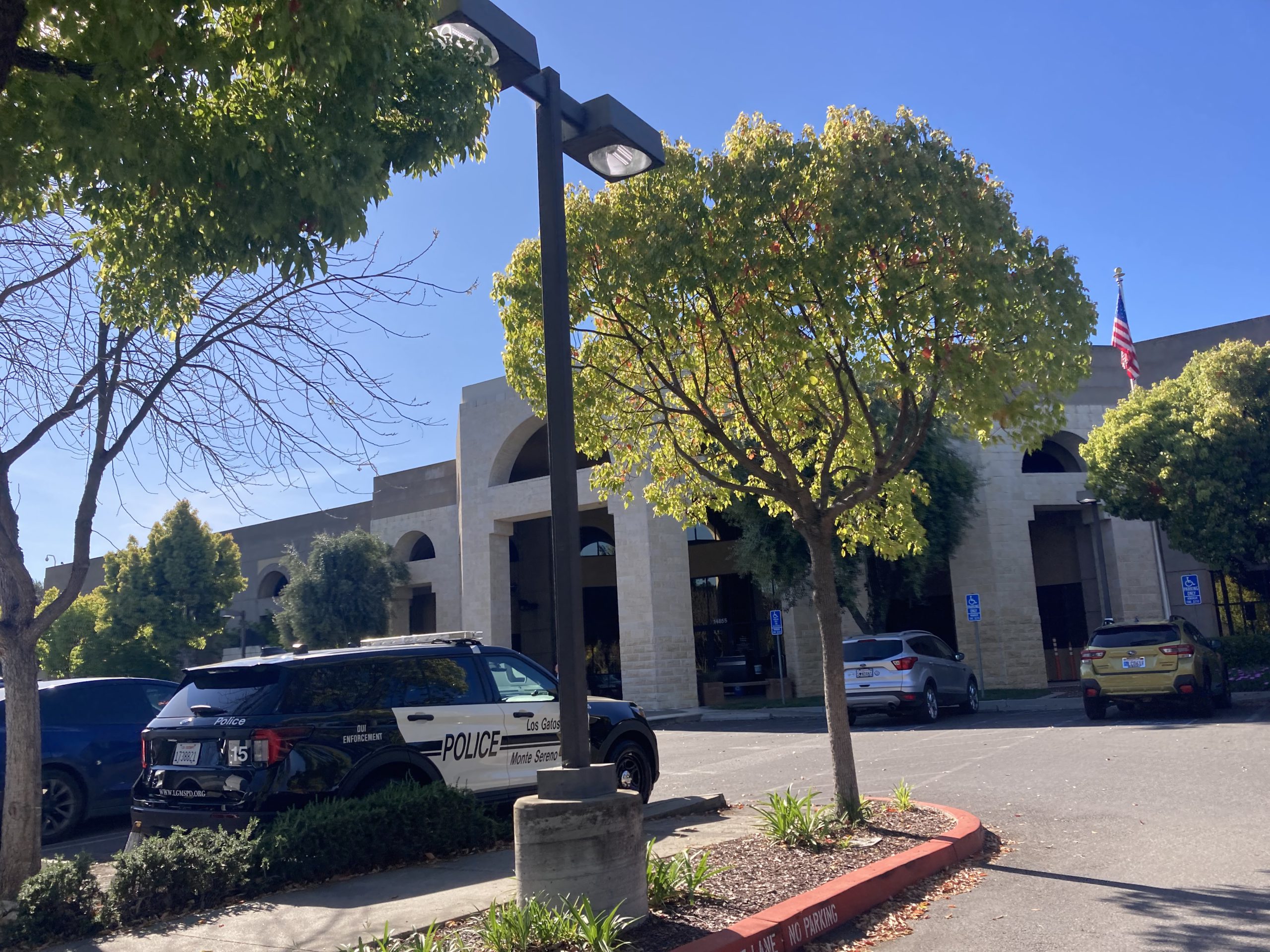
Navigating the Los Gatos, California Auto Insurance Landscape
Navigating the auto insurance landscape in Los Gatos, California requires balancing California’s legal minimum coverage rules with the high financial risks of driving in Silicon Valley. With high median vehicle values, mountain driving...
Navigating the auto insurance landscape in Los Gatos, California requires balancing California’s legal minimum coverage rules with the high financial risks of driving in Silicon Valley. With high median vehicle values, mountain driving risks along Highway 17, and statewide market shifts, securing adequate liability, collision, and comprehensive protection is vital for local drivers.
Contents
California Auto Insurance Requirements: Legal Mandates vs. Reality
To legally operate a private motor vehicle in California, vehicle owners must demonstrate financial responsibility. For decades, California maintained low mandatory liability limits. However, state law updated these baseline requirements under California Senate Bill 1107, establishing higher statutory minimums that remain in effect:
- Bodily Injury Liability (Per Person): $30,000
- Bodily Injury Liability (Per Accident): $60,000
- Property Damage Liability: $15,000
While these figures fulfill legal obligations verified by the California Department of Motor Vehicles, operating a vehicle with state minimum limits in Los Gatos presents significant financial exposure.
Los Gatos is characterized by high luxury vehicle density, including high-end electric vehicles (EVs), European sports cars, and premium SUVs. A minor multi-vehicle collision on Santa Cruz Avenue or a fender bender involving a modern luxury sedan can easily exceed the statutory $15,000 property damage cap. If your policy limits are exhausted during an at-fault accident, the remaining financial liabilities become your personal responsibility, exposing personal bank accounts, home equity, and future wages to legal judgments.
Local Risk Factors Shaping Auto Insurance in Los Gatos
Auto insurance premiums are determined using actuarial calculations based heavily on geographic risk factors. ZIP codes in Los Gatos—such as 95030, 95032, and the mountainous 95033 region—present a distinct mix of road conditions, terrain hazards, and regional vehicle demographics.
| Topographic & Commute Hazards | Vehicle Demographics & Repair |
|---|---|
| • State Route 17 commuter curves | • High EV & luxury market share |
| • Mountain terrain (ZIP 95033) | • Specialized local labor rates |
| • Wildland-Urban Interface fire and falling debris risks | • Advanced ADAS sensor calibration costs post-collision |
The Highway 17 Corridor Hazard
State Route 17 (Highway 17) connects Los Gatos to Santa Cruz, cutting through the Santa Cruz Mountains. Known for tight curves, changing elevation, blind turns, and frequent wet-weather slickness, this mountain pass sees frequent collisions. Insurers factor severe weather hazards, mudslides, falling trees, and high-frequency collision corridors into localized risk ratings for drivers living in or commuting through the foothill areas.
Electric and High-Value Vehicle Density
As part of the broader Silicon Valley economy, Los Gatos has high EV adoption rates. Advanced electric vehicles and luxury cars feature complex structural aluminum designs, sensor arrays for Advanced Driver Assistance Systems (ADAS), and costly battery modules. Repairing an damaged bumper on a modern vehicle often requires specialized labor and sensor recalibration, costing thousands of dollars more than traditional mechanical repairs. Insurers reflect these higher shop repair billing rates in localized comprehensive and collision premiums.
Wildland-Urban Interface (WUI) Exposure
Portions of upper Los Gatos sit directly within designated Wildland-Urban Interface zones. Vehicles parked outdoors in these foothill neighborhoods face risks beyond traffic accidents, including brushfires, falling oak or redwood branches during winter storms, and wildlife strikes. Comprehensive insurance coverage—which protects against fire, storm debris, theft, and animal damage—is crucial for residents in these localized micro-climates.
Understanding California’s Broader Auto Insurance Market Dynamics
The insurance ecosystem in California operates under strict regulatory frameworks that directly influence premium rates, underwriting guidelines, and policy availability.
Regulatory Oversight and Rate Approvals
Under Proposition 103, enacted by California voters in 1988, auto insurance carriers must submit proposed rate changes to the California Department of Insurance (CDI) for public review and formal approval before implementing rate hikes. Between 2020 and 2023, state review processes delayed requested rate adjustments relative to inflation, leading several major carriers to alter their underwriting standards in California.
While the CDI's Sustainable Insurance Strategy has worked to streamline regulatory approvals, insurers operating in Santa Clara County maintain selective underwriting criteria. Common underwriting operational adjustments include:
- Mandatory Payment Schedules: Requiring 100% upfront premium payment for annual or six-month terms, eliminating monthly installment plans for higher-risk applicants.
- Administrative Waiting Periods: Implementing 14- to 30-day processing holds between application submission and policy activation to manage new policy volume.
- Strict Inspection Protocols: Enforcing mandatory vehicle pre-inspections and historical verification of continuous prior coverage.
Home and Auto Bundling Interdependence
Historically, policyholders received substantial discounts by bundling auto insurance with homeowners policies. However, the high wildfire risk in the Santa Cruz Mountain foothills has led several property insurers to non-renew homeowners policies in parts of ZIP codes 95030 and 95033. When a homeowner loses traditional property coverage and shifts to the California FAIR Plan for fire risk, they frequently lose their auto bundling discount. Navigating this scenario requires working with independent agents capable of placing stand-alone auto policies that maintain multi-policy discounts through specialized umbrella packaging.
Recommended Coverage Strategies for Los Gatos Drivers
Relying on state minimum limits creates severe financial vulnerabilities. Asset protection strategy for Santa Clara County residents requires higher policy limits and broader coverage endorsements.
Policy Protection Layers:
- Personal Umbrella Policy ($1,000,000 - $5,000,000)
- High-Limit Primary Auto Liability (250k/500k/100k or 500k Combined Single Limit)
- Comprehensive & Collision Protection (OEM Parts, Loan/Lease Gap, Glass Endorsements)
- Uninsured / Underinsured Motorist (Matches Primary Bodily Injury Liability)
1. Elevated Liability Coverage
Financial advisors generally suggest liability limits far above California statutory minimums:
- Bodily Injury Liability: $250,000 per person / $500,000 per accident (or a $500,000 Combined Single Limit).
- Property Damage Liability: $100,000 minimum, with $250,000 preferred to cover multi-car incidents involving luxury vehicles.
2. Personal Umbrella Insurance Integration
For homeowners and high-earning professionals in Los Gatos, an umbrella policy provides liability protection above underlying auto policy limits. Most personal umbrella policies require primary auto liability limits of at least $250,000/$500,000/$100,000 before activating. An umbrella policy offers $1,000,000 to $5,000,000 in additional defense and indemnity coverage, protecting personal savings and property from major legal claims.
3. Uninsured and Underinsured Motorist Coverage (UM/UIM)
Despite mandatory insurance laws, a notable percentage of drivers on California roads carry either no insurance or minimal policies. Uninsured/Underinsured Motorist Coverage protects you and your passengers if you are struck by a hit-and-run driver or a motorist carrying insufficient liability coverage. Maintaining UM/UIM limits that match your primary bodily injury limits ($250,000/$500,000) prevents unexpected out-of-pocket medical expenses and lost income.
4. Comprehensive and Collision Endorsements
Vehicle owners should tailor physical damage coverage with specific policy riders:
- OEM Parts Endorsement: Ensures repairs use Original Equipment Manufacturer parts rather than aftermarket components—a critical protection for vehicles under warranty or lease contracts.
- Loan/Lease Gap Insurance: Pays the difference between a vehicle's actual cash value (ACV) and the remaining balance on an auto loan or lease following a total loss.
- Full Glass / Reduced Comprehensive Deductible: Protects against rock chips and windshield cracks common on Highway 17 and Interstate 880 without requiring full out-of-pocket deductibles.
Coverage Matrix: State Minimums vs. Recommended Protection
The following table compares California legal baseline insurance mandates against recommended coverage tiers tailored to the Los Gatos market.
| Coverage Type | Statutory CA Minimum (SB 1107) | Recommended Los Gatos Baseline | Key Regional Rationale |
|---|---|---|---|
| Bodily Injury Liability | $30,000 / $60,000 | $250,000 / $500,000 | Mitigates exposure to severe injuries on high-speed regional highways. |
| Property Damage Liability | $15,000 | $100,000 – $250,000 | Covers high repair costs for luxury cars, EVs, and multi-vehicle highway collisions. |
| Uninsured Motorist (UM/UIM) | Not legally required | $250,000 / $500,000 | Protects against underinsured drivers operating under minimum state policies. |
| Collision Coverage | Not legally required | Actual Cash Value (ACV) | Essential for high-value vehicles; covers single-vehicle mountain accidents. |
| Comprehensive Coverage | Not legally required | ACV (Low Deductible) | Covers wildfire, falling tree limbs, vandalism, and animal strikes in foothill areas. |
| Personal Umbrella Policy | Not available | $1,000,000+ | Shields overall net worth, real estate assets, and future wage earnings. |
Actionable Steps to Secure Auto Insurance in Los Gatos
Securing comprehensive, competitively priced auto insurance in Santa Clara County requires deliberate planning to avoid common administrative delays.
Step 1: Document Vehicle Details and Household Drivers
Collect exact details for all drivers and vehicles in your household. Be prepared to provide accurate commute distances, employment locations, vehicle identification numbers (VINs), and annual mileage estimates. Incorrect commute data can lead to claim denials if an accident occurs during an unlisted business commute.
Step 2: Evaluate Comprehensive Risk Profile
Determine your exposure to local hazards. If you live off Bear Creek Road or Highway 17 in ZIP 95033, prioritize comprehensive coverage with low deductibles for glass and falling debris. If you commute to tech campuses in Cupertino or Mountain View, prioritize higher collision and property damage limits for heavy highway traffic.
Step 3: Compare Independent and Direct Carrier Quotes
Obtain quotes from direct insurance carriers as well as local independent brokers. Independent agents based in Santa Clara County often maintain access to regional surplus line insurers and specialty carriers that accommodate complex home-and-auto bundling needs when standard markets restrict underwriting.
Step 4: Account for Market Binding Delays
Submit applications well ahead of policy renewal or new vehicle delivery dates. Because some insurers enforce 14- to 30-day underwriting review periods or require pre-binding vehicle inspections in California, waiting until your existing coverage expires can lead to unintended coverage gaps.
Common Auto Insurance Mistakes to Avoid
- Selecting Minimum Property Damage Coverage: Settling for $15,000 in property damage liability exposes you to personal financial liability if you collide with high-end luxury cars commonly driven across Santa Clara Valley.
- Failing to Report High Annual Mileage: Underreporting annual mileage to lower premiums can trigger material misrepresentation audits during claims investigations, potentially resulting in denied coverage.
- Misunderstanding Comprehensive Protection Limits: Assuming collision coverage handles non-traffic events leaves you exposed to losses caused by fallen trees, mudslides, or wildfire damage in foothill zones.
- Dropping Uninsured Motorist Coverage: Waiving UM/UIM protection to save small amounts on monthly premiums creates significant vulnerability to accidents involving hit-and-run or underinsured drivers.
Frequently Asked Questions
Why are auto insurance rates higher in Los Gatos than in other parts of California?
Los Gatos rates reflect local repair costs, high median vehicle values, and nearby traffic risks. Factors include specialized labor rates at local body shops, expensive structural repair procedures for modern electric vehicles, and accident rates along mountain routes like Highway 17.
What liability coverage limits should I carry if I own a home in Los Gatos?
Homeowners should carry at least $250,000/$500,000 in bodily injury liability and $100,000 in property damage liability, paired with a $1,000,000 personal umbrella policy. This structure prevents personal real estate assets and savings from being targeted to satisfy claims that exceed base auto policy limits.
Does auto insurance cover vehicle damage from California wildfires?
Yes. Damage caused by wildfire, ash, or heat distortion is covered under the comprehensive coverage portion of an auto insurance policy. Collision insurance does not cover fire-related losses.
How does driving on Highway 17 affect my insurance requirements?
Driving through challenging terrain like Highway 17 increases the risk of accidents caused by weather, falling rocks, mudslides, and sudden stops. Maintaining lower deductibles on collision and comprehensive coverage, along with emergency roadside assistance and rental car reimbursement, helps protect against unexpected incidents along mountain corridors.
What happens if I am hit by an underinsured driver in Santa Clara County?
If an at-fault driver's property damage or bodily injury limits are lower than your actual losses, your Uninsured/Underinsured Motorist (UM/UIM) policy covers remaining medical costs up to your policy limit. Without UM/UIM coverage, you must pay out-of-pocket or attempt to recover remaining balances through personal legal action.
Next Steps for Los Gatos Drivers
To ensure your vehicle and financial assets are properly protected, review your current insurance declarations page. Check your bodily injury and property damage limits against your home equity and overall financial assets. If your coverage reflects California's legal minimums ($30,000/$60,000/$15,000), contact a licensed insurance professional in Santa Clara County to request quotes for upgraded limits ($250,000/$500,000/$100,000) and evaluate your personal umbrella options.
Disclaimer: This article provides educational information about auto insurance trends and regulations in California. Insurance laws, underwriting criteria, and pricing vary based on individual circumstances. Consult a licensed California insurance broker or attorney for advice tailored to your personal situation.
Image Gallery