Mastering Short Hair Cuts From the Back View: The 2026 Comprehensive Styling and Maintenance Guide
Evaluating short hair cuts from the back view is the most critical yet frequently overlooked step in modern hairstyling. While clients and stylists spend hours perfecting the face-framing layers, bangs, and side profiles, the nape and...
Evaluating short hair cuts from the back view is the most critical yet frequently overlooked step in modern hairstyling. While clients and stylists spend hours perfecting the face-framing layers, bangs, and side profiles, the nape and crown structure ultimately dictate the true balance, cleanliness, and geometric integrity of a crop, bob, or pixie. Entering 2026, modern cosmetology emphasizes seamless nape tapering, precision texturizing, and bespoke crown shaping that accounts for natural head shape and hair density. Whether you are consulting with a master stylist or analyzing your own hair growth patterns in a three-way mirror, understanding the anatomy of the back view ensures your short haircut looks intentional, polished, and perfectly balanced from every angle.
Contents
Anatomy of the Nape: Structural Elements of Short Hairstyles
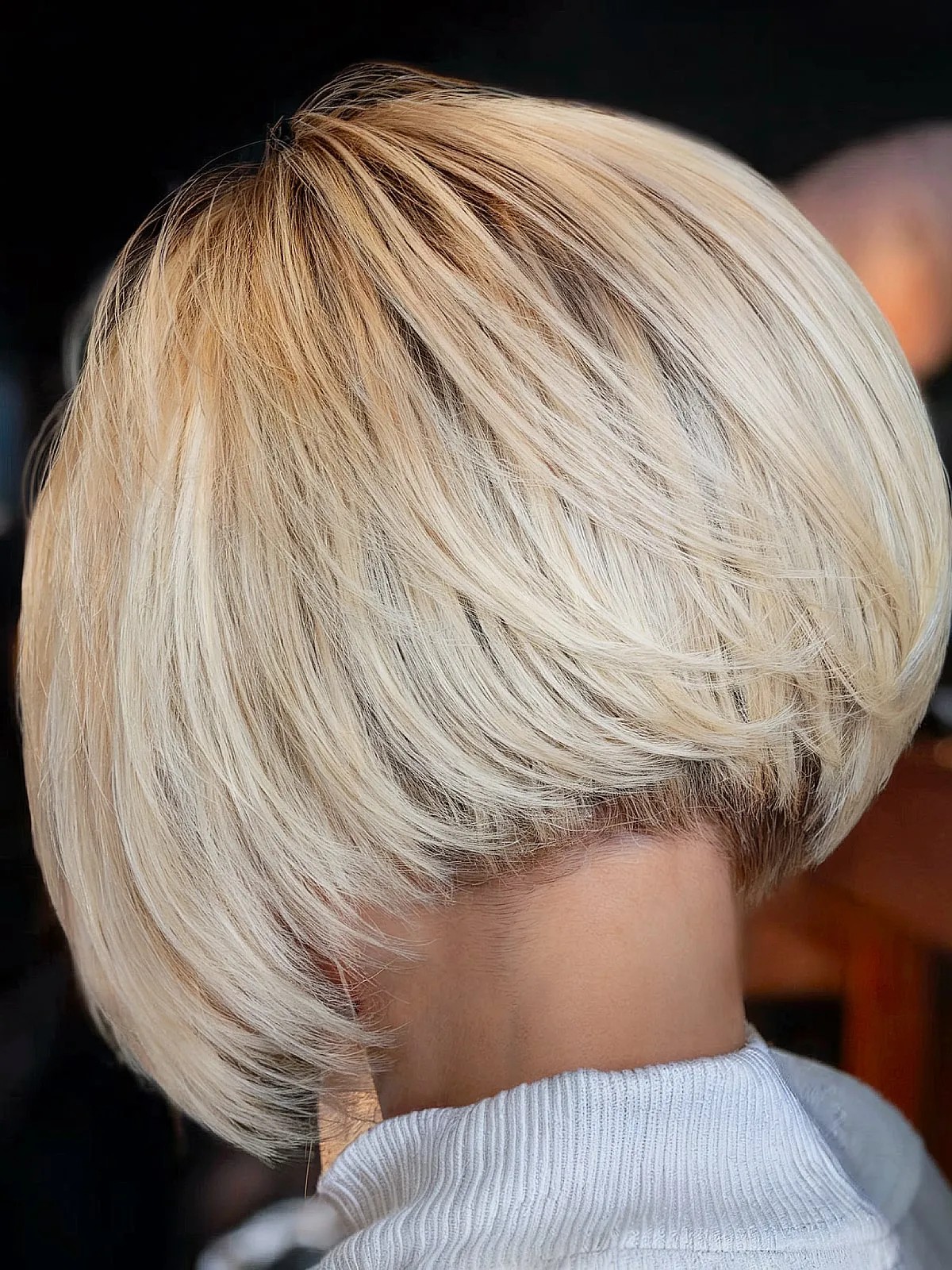
The back view of any short haircut relies entirely on how the hair interacts with the neckline, the occipital bone, and the crown. Precision cutting in these zones separates amateur cuts from high-end architectural styling. Stylists evaluate the growth patterns of the hairline—such as cowlicks, double crowns, and high or low hairlines—before deciding whether to execute a block cut, a tapered fade, or a graduated stack.
- The Occipital Ridge: This natural skull curve serves as the architectural shelf for stacked bobs and voluminous crops, determining where weight should accumulate versus where it should be removed.
- The Nape Line: The bottom perimeter can be cut square, rounded, or tapered into the skin, with each choice drastically altering the perceived length of the neck and the overall silhouette.
- Crown Density: Managing the density at the back prevents the dreaded "helmet head" effect, ensuring that hair lies flat or builds volume precisely where intended without puffiness.
Classification of Nape Finishes
Choosing the correct nape finish depends heavily on face shape, neck length, and maintenance commitment. The following breakdown outlines the primary back-view silhouettes utilized in contemporary styling.
| Nape Finish Style | Best Suited For | Maintenance Frequency | Visual Impact |
|---|---|---|---|
| Skin-Tapered Nape | Pixie cuts, modern crops, fades | Every 2 to 4 weeks | Creates an elongating effect on the neck and ultra-clean lines. |
| Blocked Square Nape | Traditional bobs, blunt chops | Every 4 to 6 weeks | Delivers a sharp, graphic, and structured perimeter. |
| Soft Feathered Nape | Shags, textured mullets, soft crops | Every 6 to 8 weeks | Blends seamlessly into the skin without harsh lines during grow-out. |
| Stacked Graduation | Classic inverted bobs, wedge cuts | Every 4 to 5 weeks | Builds maximum volume and weight concentration directly over the crown. |
Popular Short Haircuts Analyzed From Behind
Examining specific short hairstyles exclusively through the lens of their back profile reveals why certain cuts demand more technical execution than others.
The Graduated Bob (The Stacked Back)
The back view of a graduated bob features tightly controlled stacking below the occipital bone, transitioning into longer lengths around the sides. The precision lies in the graduation angle—typically ranging from 45 to 60 degrees. If the graduation is too heavy, it creates an outdated shelf; if it is too weak, the cut loses its signature architectural lift.
The Modern Textured Pixie
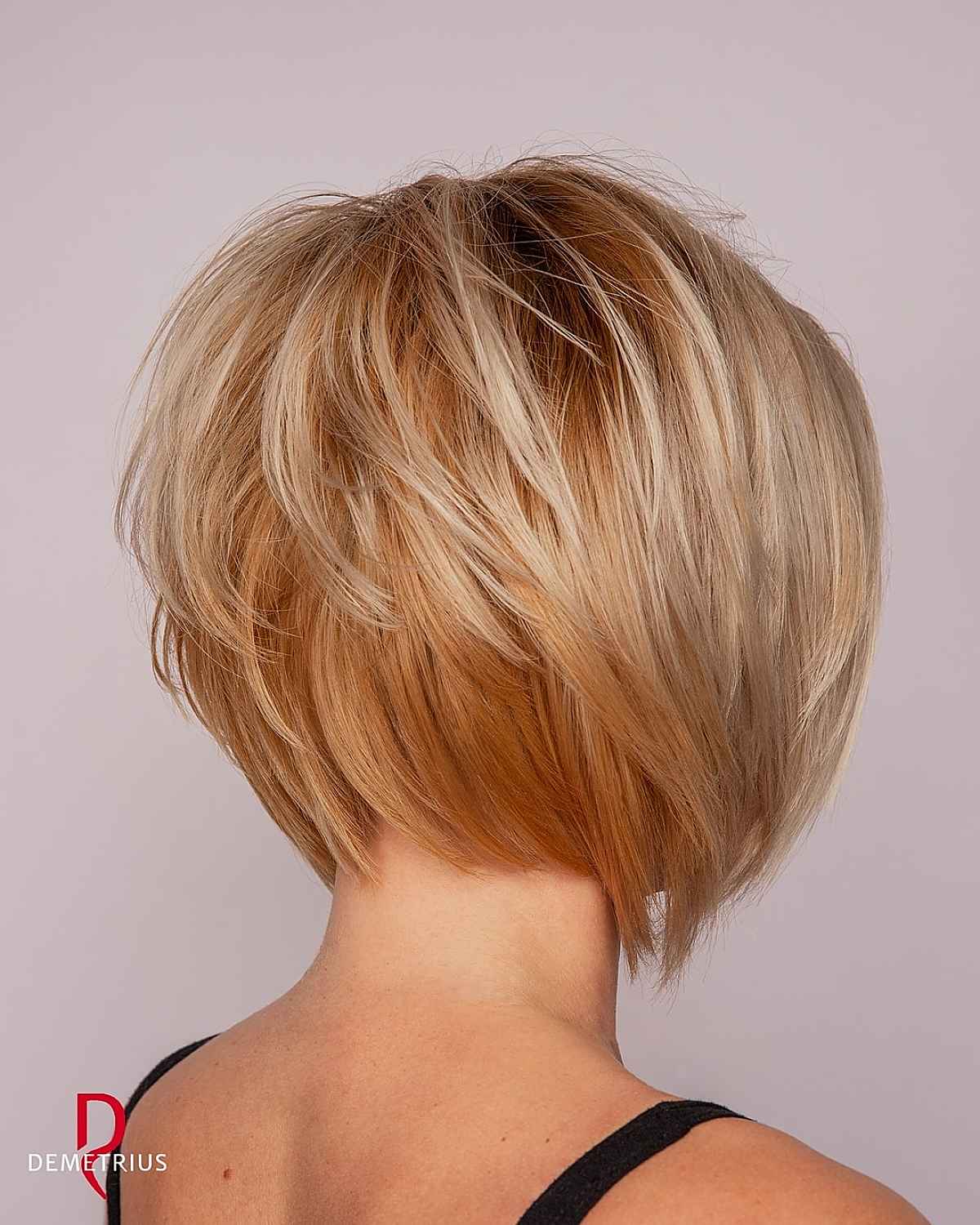
A high-impact short crop looks completely different from the rear than it does from the front. The back view should showcase micro-textured layers that radiate outward from the crown. Rather than a flat wedge, 2026 trends favor a piecy, feather-light finish where individual strands overlap naturally, eliminating bulk around the ears and collar.
The Undercut Crop
For those embracing bold architectural contrasts, the disconnected undercut exposes the lower occipital region and nape completely while leaving longer, textured movement on top. The transition zone—where the shaved or clipped lower section meets the longer top layers—requires expert blending or a deliberate, clean disconnection line.
Professional Step-by-Step Guide: Evaluating and Styling Your Back Profile
Achieving a flawless back view requires a combination of technical cutting strategies and daily styling habits. Because you cannot directly see the back of your head while styling, establishing a tactile and visual routine is essential.
- Assess Your Natural Growth Patterns: Wet the hair down and use a handheld mirror in conjunction with your bathroom vanity to locate any cowlicks or swirling growth patterns at the crown and nape.
- Select the Right Weight Line: Determine whether your head shape requires weight added at the occipital bone (via stacking) or weight removed (via texturizing shears and point-cutting) to prevent bulkiness.
- Apply Heat Protectant and Volumizer: Distribute a lightweight styling mousse or root-lifting spray evenly throughout the crown and nape area to support the desired lift before blow-drying.
- Directional Blow-Drying: Using a nozzle attachment on your blow dryer, direct airflow downward along the nape to keep the hairline flat and smooth, while lifting slightly upward at the crown for volume.
- Finishing and Texturizing: Apply a pea-sized amount of matte styling clay or styling paste, rubbing it between your palms and working it backward into the crown and nape to separate layers and define the silhouette.
Expert Styling Tip: Never use heavy, oil-based pomades on the crown or upper nape of short hair. These products weigh the hair down instantly, destroying the structural lift achieved during your blowout and causing the back profile to look flat and greasy.
Pros and Cons of Maintaining Short Haircuts
Before committing to a short cut that showcases a dramatic back profile, consider the lifestyle and upkeep requirements inherent to shorter lengths.
- Pros:
- Drastically reduced daily styling and drying time.
- Enhanced emphasis on the neck, shoulders, and facial bone structure.
- Exceptional comfort in warm climates and during physical activity.
- Versatility in transitioning between sleek, professional finishes and messy, textured looks.
- Cons:
- Frequent salon visits required (every 3 to 5 weeks) to keep the nape and sideburns looking crisp.
- Awkward transition phases when growing the hair out, particularly around the collar.
- Higher dependency on daily styling products to maintain shape and control cowlicks.
- Limited ability to pull the hair back into a quick ponytail on high-activity days.
Frequently Asked Questions
How often do short haircuts need neck cleanups?
Short haircuts featuring tapered or faded napes typically require a maintenance trim or cleanup every 2 to 4 weeks to maintain a sharp, intentional silhouette. Full structural recuts are generally needed every 5 to 7 weeks.
How can I check the back of my hair easily at home?
Use a dual-mirror setup—such as your primary bathroom mirror paired with a handheld mirror—or a three-way vanity mirror system to inspect the nape and crown under bright, direct lighting.
What is the best short haircut for a flat crown or back of the head?
A graduated bob or a stacked pixie cut with short, layered lengths built directly over the occipital bone provides the best natural volume and shape for a flatter head profile.
Can short haircuts work with strong cowlicks at the nape?
Yes, but the cut must be tailored specifically to the direction of the growth pattern. Stylists will either cut the hair short enough that the cowlick cannot flip up or leave enough weight to force the hair downward.
Will a short haircut make my neck look shorter or longer?
A tapered or skin-faded nape visually elongates the neck by exposing more skin, whereas a heavy, blunt-blocked line at the base of the neck can shorten the perceived length of the neck.
Schedule Your Precision Consultation Today
Achieving a flawless short haircut from every angle requires professional expertise tailored to your unique hair density, growth patterns, and cranial structure. Connect with our master styling team today to book your personalized consultation and discover the ideal short silhouette for your aesthetic.
Image Gallery