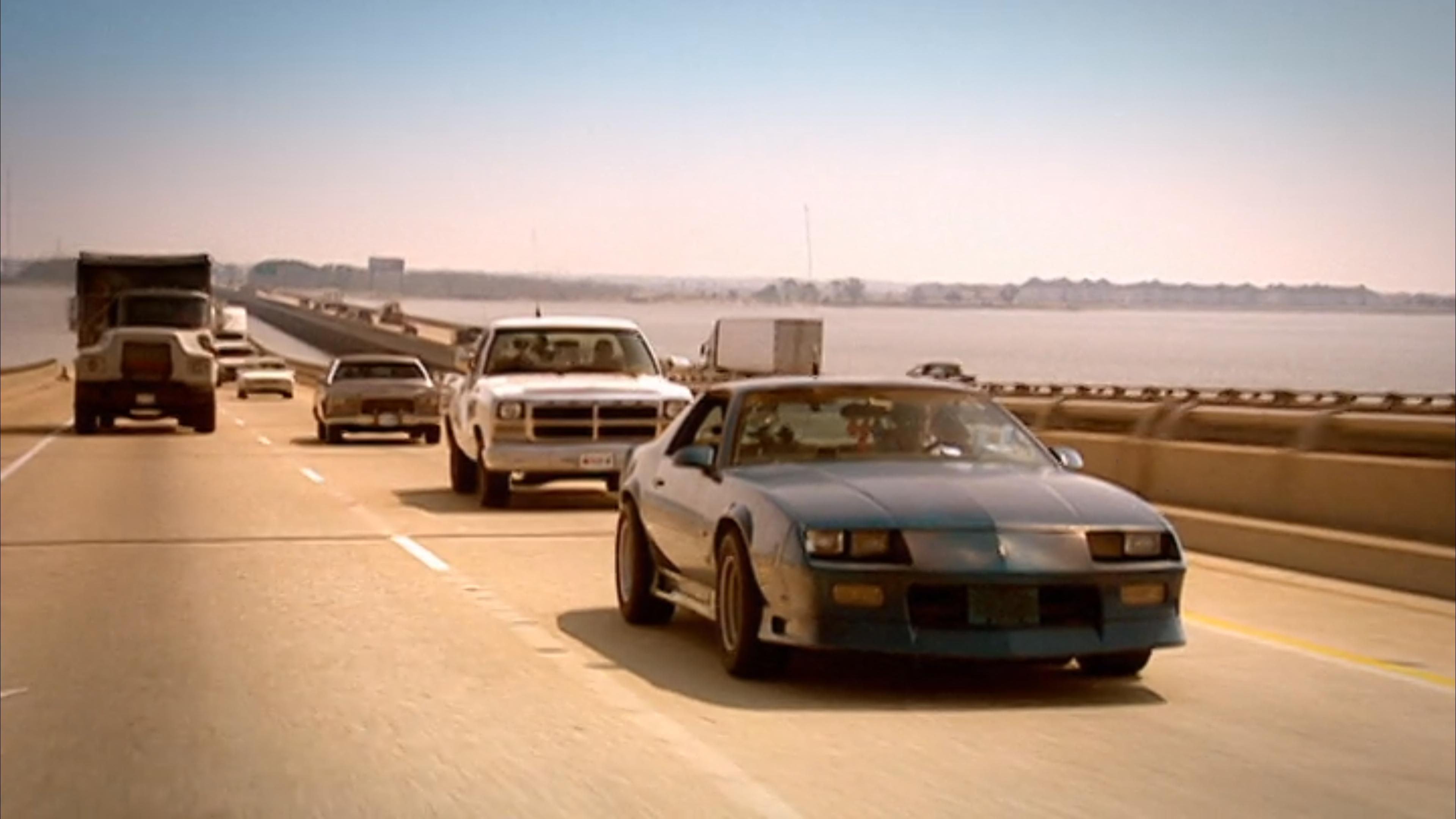
The Top Gear Canada Special: A Definitive Verdict for Automotive Enthusiasts
The Top Gear Canada Special stands as a seminal entry in the show’s storied history, offering an ambitious blend of challenging terrain, eccentric vehicular choices, and the signature camaraderie that defined the Clarkson, Hammond, and...
The Top Gear Canada Special stands as a seminal entry in the show’s storied history, offering an ambitious blend of challenging terrain, eccentric vehicular choices, and the signature camaraderie that defined the Clarkson, Hammond, and May era. For automotive enthusiasts, this episode is a masterclass in how to pair high-stakes endurance testing with the scenic grandeur of the North American wilderness.
Contents
When the iconic trio took on the rugged landscape of Canada, they were not merely filming a road trip; they were engaging in a deliberate test of mechanical resilience against one of the world’s most punishing environments. The production serves as a benchmark for automotive television, balancing genuine mechanical failures with high-budget cinematography. Whether you are revisiting the episode or watching it for the first time, understanding the nuances of their journey—from the specific terrain challenges to the limitations of their chosen transport—provides deep insight into why this special remains a touchstone for car culture.
The Philosophical Appeal of the Canada Special
At its core, the appeal of the Canada Special lies in the contrast between the fragility of luxury machinery and the unyielding force of nature. Automotive enthusiasts are often drawn to the theoretical limits of a car’s performance; however, Top Gear frequently demonstrated that reality rarely aligns with spec-sheet perfection. In the Canadian wilderness, the hosts encountered environmental variables that no manufacturer would account for in a standard owner’s manual.
The "verdict" for many viewers remains positive because the episode eschewed studio polish for raw, unfiltered friction. The special succeeded by forcing the hosts to confront the logistical realities of remote-area travel, turning the vehicles into characters themselves. For the viewer, it is not just about the technical prowess of the machines, but the endurance of the human spirit in the face of sub-zero temperatures and unforgiving geography.
Vehicular Performance Under Extreme Conditions
In this special, the selection of vehicles was calculated to provide maximum contrast. While the show is known for using supercars, the Canada adventure necessitated a different approach. The vehicles faced unique challenges that tested their drivetrain reliability, cold-start capabilities, and suspension durability.
Navigating Challenging Terrain
Canada’s vast, unpaved expanses provided a natural proving ground. Unlike a controlled circuit, the terrain offered unpredictable variables such as loose gravel, deep snow, and extreme elevation changes. These conditions pushed the limits of the vehicles' traction control systems and chassis rigidity. Enthusiasts noted that the footage captured the exact moment when traditional automotive engineering faltered, requiring the hosts to rely on ingenuity and unconventional driving techniques to keep the project moving forward.
Mechanical Hurdles and Reality
One of the most compelling aspects of the episode is the documentation of mechanical fatigue. Enthusiasts appreciate the transparency regarding the issues encountered—fuel line freezing, electrical shorts caused by moisture, and the eventual degradation of internal components due to intense vibration. Seeing how these vehicles were field-repaired is an essential part of the educational value for anyone interested in the mechanics of long-distance expedition driving.
Comparative Analysis of Expedition Vehicles
To understand why this special resonates, one must look at the specific challenges versus the performance realities. The following table illustrates the typical expectations of a high-performance vehicle versus the realities of the Canadian expedition.
| Factor | Standard Automotive Expectation | Canadian Expedition Reality |
|---|---|---|
| Drivetrain | Optimal power-to-weight ratio | Torque and low-gear reliability |
| Tires | High-grip summer compounds | All-terrain or dedicated winter winterized grip |
| Electrical | Consistent voltage/sensor data | Vulnerability to extreme cold cycles |
| Chassis | Balanced handling/track tuning | High impact resistance and frame flex |
| Support | Immediate dealership access | Self-reliance and field-expedient repair |
Why Enthusiasts Value the Narrative Arc
The Top Gear Canada Special works because it adheres to a classic narrative structure that favors the viewer’s curiosity. It does not simply show the cars moving from point A to point B. Instead, it invites the audience to consider the "What If?" scenarios that govern off-road and expedition travel.
The narrative provides a case study in mechanical empathy. As a viewer, you learn to listen to the engines, anticipate the strain on the transmission, and understand the necessity of preventative maintenance. When the cars inevitably fail or struggle, the audience is already invested in the "why," having witnessed the specific environmental stressor that led to the breakdown. This pedagogical layer elevates the content from mere entertainment to a broader exploration of automotive physics and engineering resilience.
Troubleshooting the Expedition Experience
For those who wish to replicate or understand the mechanics of such journeys, several key takeaways from the Canada Special serve as essential guidelines:
- Preparation is Fluid: Even with professional production support, the environment dictates the schedule. Understanding the limitations of your vehicle’s cooling and heating systems is the first step in avoiding catastrophic failure.
- Fluid Management: In extreme cold, standard fluids often perform outside their operating parameters. The special highlights the importance of using region-appropriate lubricants and coolants to prevent seizing.
- Redundancy: The hosts' struggles serve as a reminder that electronic systems are the first to fail when exposed to moisture and cold. Carrying manual backups or diagnostic tools is critical for long-term viability in remote zones.
- Weight Distribution: Navigating loose, uneven terrain requires a precise understanding of a vehicle’s center of gravity. Overloading a vehicle—a common sight during the special—can significantly alter the handling characteristics in a dangerous way.
Frequently Asked Questions
What made the Canada Special distinct from other Top Gear specials?
The Canada Special is defined by its focus on raw, natural isolation. While other specials often centered on high-speed city driving or exotic markets, the Canada episode prioritized the sheer scale of the wilderness, turning the environment into the primary antagonist.
Did the vehicles suffer permanent damage?
Yes. Throughout the production, the vehicles sustained damage that reflected the grueling nature of the route. This included both cosmetic wear and systemic mechanical failure, demonstrating that even high-performance machinery has a breaking point when pushed beyond its design intent.
Is the special a realistic guide for off-road travel?
While it provides an excellent look at the variables of extreme travel, it should be viewed as entertainment rather than an instructional manual. Professional logistics, support crews, and safety teams were involved in ways not always visible on camera.
What is the most important lesson for a car enthusiast?
The most valuable lesson is the necessity of adaptability. The show reinforces that a car’s technical specifications mean very little if the driver cannot adapt to the changing realities of the road, weather, and mechanical degradation.
Why does this episode still hold up in 2026?
The special remains relevant because it captures a timeless intersection of human ambition and mechanical engineering. Regardless of how vehicle technology evolves, the physical laws governing travel through extreme environments remain constant.
Final Recommendations for the Viewer
To gain the most from the Top Gear Canada Special, approach it as an analytical viewer. Pay close attention to the sound of the engines, the visual cues of the terrain, and the way the hosts manage their vehicles as conditions deteriorate. If you are a car enthusiast looking for a masterclass in the intersection of geography and automotive engineering, this episode remains a critical viewing requirement. The verdict is clear: it is not just a show about cars, but a document of the relationship between machine and wilderness.
Image Gallery