How Long is Cooked Corn Good in the Fridge? Shelf Life Basics
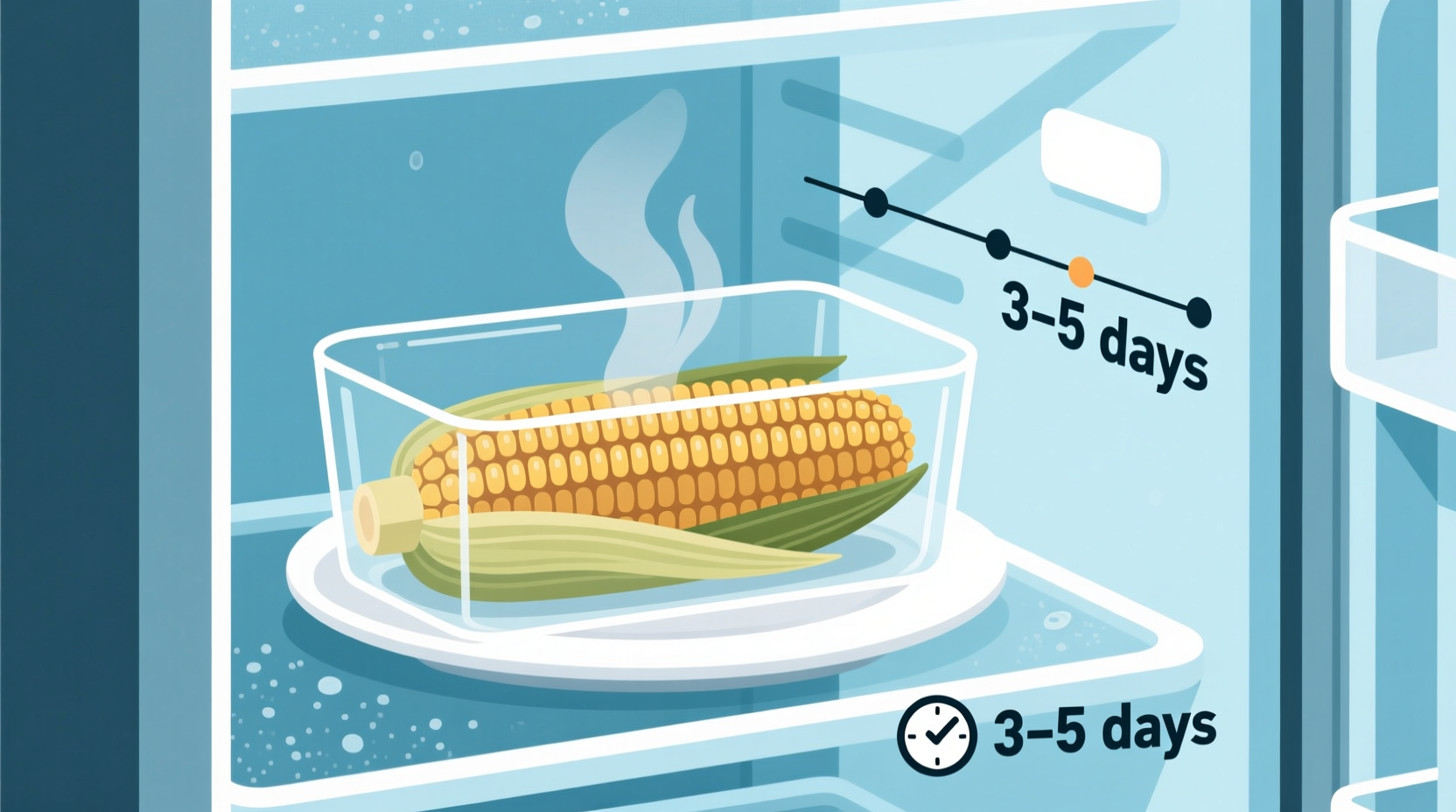
Cooked corn typically remains safe and flavorful for 3 to 5 days when stored in a refrigerator maintained at or below 40°F (4°C). To ensure maximum shelf life, the corn must be placed in an airtight container or wrapped tightly in foil...
Cooked corn typically remains safe and flavorful for 3 to 5 days when stored in a refrigerator maintained at or below 40°F (4°C). To ensure maximum shelf life, the corn must be placed in an airtight container or wrapped tightly in foil within two hours of cooking to prevent bacterial growth and moisture loss.
Contents
Whether you have leftover corn on the cob from a summer barbecue or loose kernels from a meal prep session, understanding the science of food preservation is essential for both flavor and safety. As of 2026, food safety guidelines emphasize the importance of the "cold chain"—maintaining consistent temperatures from the stove to the storage shelf—to mitigate the risk of foodborne illnesses.
Understanding the Shelf Life of Cooked Corn
The shelf life of cooked corn is determined by several biological and environmental factors. Once corn is harvested, its natural sugars begin converting into starches, a process that continues even after cooking, albeit at a slower rate when refrigerated.
The Role of Moisture and Nutrients
Corn is a high-moisture, high-starch vegetable. These characteristics make it an ideal breeding ground for microorganisms if not handled correctly. When corn is cooked, the heat breaks down the cellular structure, making the nutrients more accessible to bacteria like Bacillus cereus or Listeria monocytogenes. While the cooking process kills many initial bacteria, the corn becomes a "clean slate" for re-contamination from the air or storage surfaces.
The "Danger Zone" and Bacterial Growth
The USDA and food safety experts in 2026 continue to highlight the "Danger Zone," which is the temperature range between 40°F and 140°F. In this range, bacteria can double in number in as little as 20 minutes. If cooked corn sits on a counter for more than two hours (or one hour if the ambient temperature is above 90°F), it should be discarded. Rapidly cooling the corn before refrigeration helps bypass this window of risk.
Proper Storage Techniques for Maximum Freshness
How you store your corn is just as important as how long you store it. Proper insulation from the fridge's drying air and protection against cross-contamination are the pillars of effective storage.
Choosing the Right Container
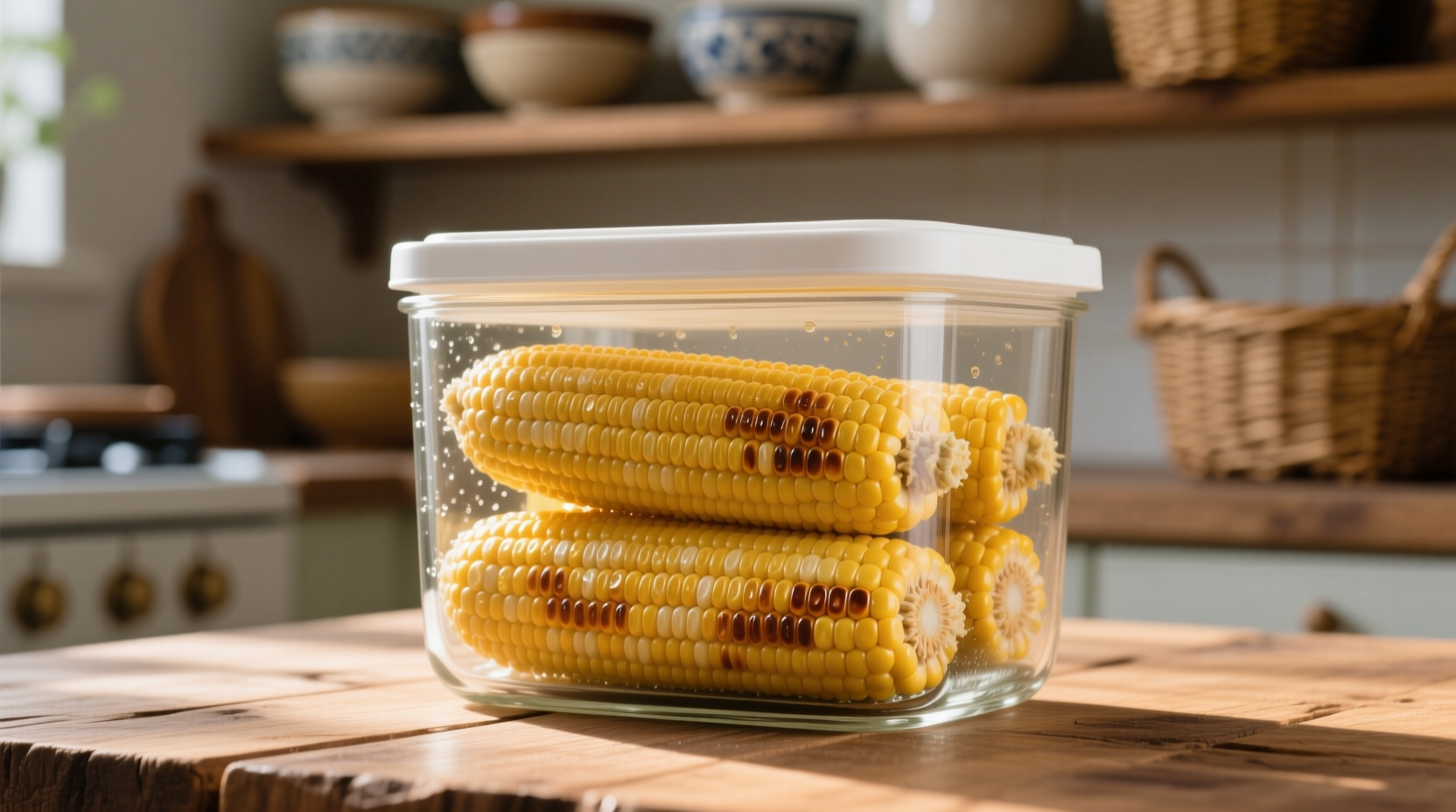
- Airtight Plastic or Glass Containers: These are the gold standard. They prevent the corn from absorbing odors from other foods (like onions or fish) and keep the kernels from drying out.
- Heavy-Duty Aluminum Foil: If you are storing corn on the cob, wrapping each ear tightly in foil provides a physical barrier against air. However, for long-term fridge storage (beyond 2 days), placing the wrapped cobs inside a secondary zip-top bag is recommended.
- Vacuum Sealing: For those looking to push the 5-day limit while maintaining peak texture, vacuum sealing removes almost all oxygen, significantly slowing down the oxidation process.
Refrigerator Placement
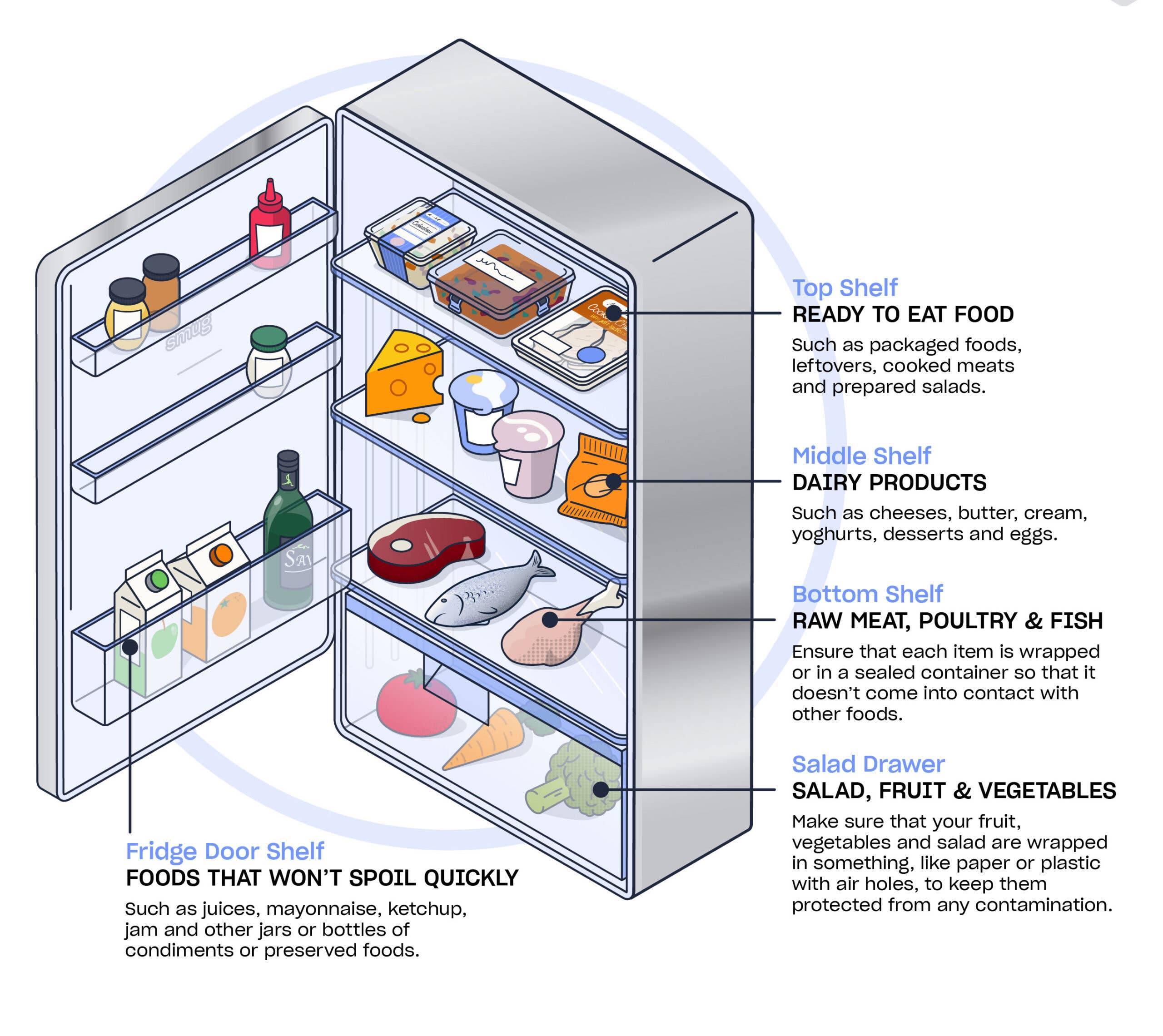
Not all areas of the refrigerator are created equal. To maximize the 3-to-5-day window, store cooked corn on the middle or lower shelves toward the back. Avoid the refrigerator door, as the temperature fluctuates every time the door is opened, which can accelerate spoilage. Ensure your refrigerator is calibrated to 37°F–38°F to provide a safety buffer.
Signs of Spoilage: How to Tell if Cooked Corn is Bad
Consuming spoiled corn can lead to severe gastrointestinal distress. It is vital to use your senses—sight, smell, and touch—to evaluate the quality of leftovers before reheating.
Visual Cues
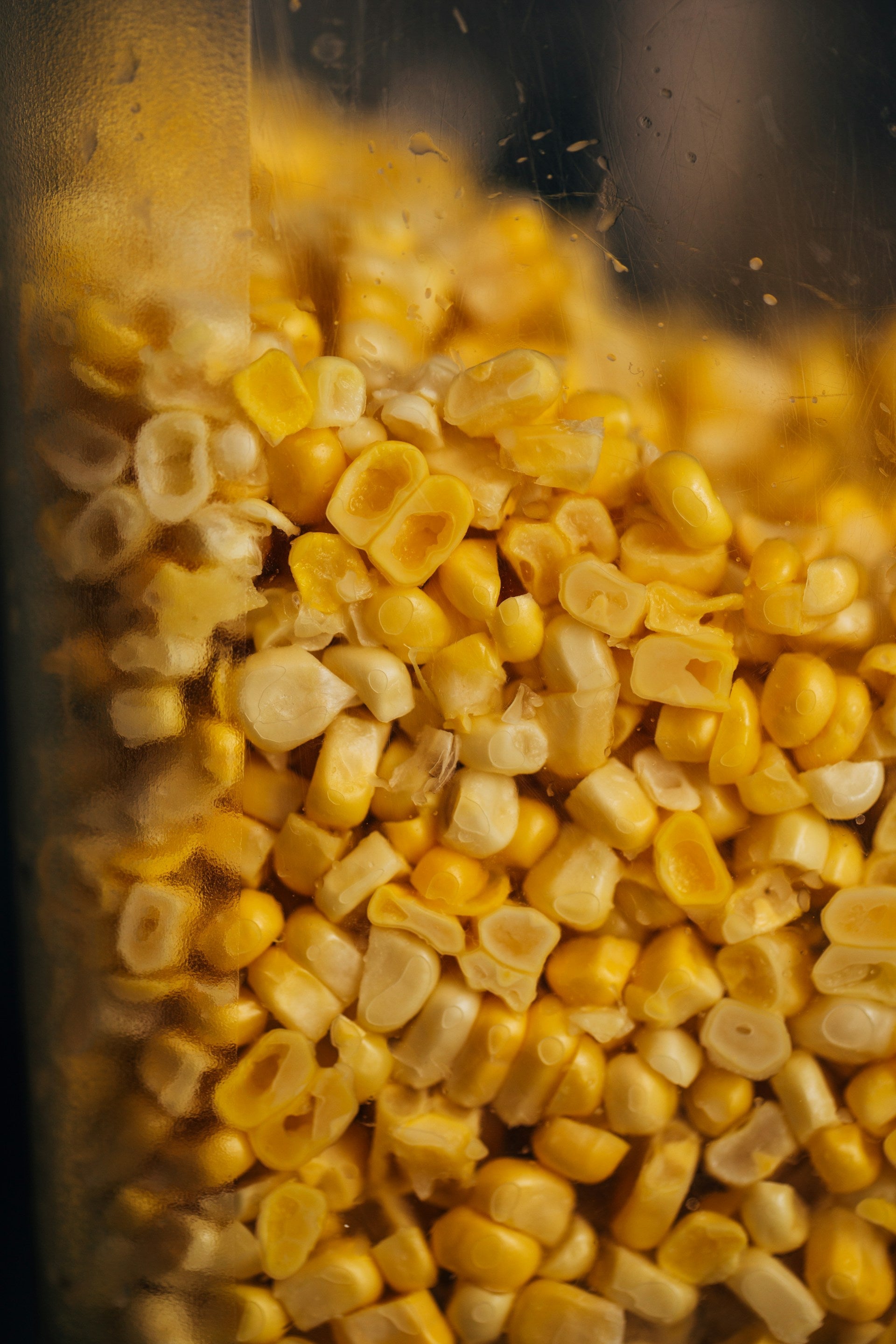
Check for the presence of mold, which may appear as white, fuzzy patches or dark spots. Additionally, if the kernels appear shriveled, discolored (turning a brownish-grey), or if the liquid at the bottom of the container has become cloudy or milky, the corn is no longer safe to eat.
Olfactory and Tactile Changes
- The Smell Test: Freshly cooked corn has a sweet, earthy aroma. Spoiled corn will emit a sour, fermented, or "funky" odor. This is often caused by yeast or bacterial activity breaking down the sugars.
- The Sliminess Factor: One of the most common signs of spoilage in cooked vegetables is a slimy or tacky film on the surface. If the corn feels slippery or produces "strings" of mucus when touched, discard it immediately. This slime is often a biofilm created by colonies of bacteria.
Comparison of Storage Methods
| Storage Method | Estimated Shelf Life | Quality Retention | Best Used For |
|---|---|---|---|
| Airtight Container (Kernels) | 4–5 Days | High | Salads, Salsas, Soups |
| Foil Wrap (On the Cob) | 3 Days | Medium | Re-grilling, Side dishes |
| Vacuum Sealed | 6–7 Days | Very High | Meal Prep, Sous-vide reheating |
| Freezer (Standard Bag) | 8–10 Months | Medium-High | Casseroles, Stews |
| Freezer (Vacuum Sealed) | 12–14 Months | High | Long-term preservation |
Freezing Cooked Corn for Long-Term Storage
If you realize you cannot finish your cooked corn within the 5-day window, the freezer is your best ally. Freezing effectively pauses bacterial growth, though it does eventually affect the texture of the corn due to ice crystal formation.
Preparation for Freezing
- Cool Completely: Never put hot corn in the freezer, as it will raise the internal temperature of the freezer and potentially thaw neighboring items.
- Flash Freezing (for Kernels): Spread loose kernels on a baking sheet in a single layer and freeze for 2 hours. This prevents them from clumping together into a solid block, allowing you to scoop out only what you need.
- Double Wrapping (for Cobs): Wrap each ear in plastic wrap, then place them into a heavy-duty freezer bag. Squeeze out as much air as possible.
Thawing and Quality
For the best results, thaw frozen cooked corn in the refrigerator overnight. While you can cook it directly from frozen in soups or stews, the texture will be closer to the original if it undergoes a slow thaw. Note that frozen corn may lose some of its "snap," becoming slightly softer upon reheating.
Safety and Reheating Guidelines
Reheating is not just about making the food palatable; it is a final safety step. According to FoodSafety.gov, leftovers should be reheated to an internal temperature of 165°F (74°C).
Best Methods for Reheating
- Microwave: Place kernels in a microwave-safe dish with a tablespoon of water and cover. This creates steam, which prevents the corn from becoming rubbery.
- Steaming: This is the preferred method for corn on the cob. Steaming for 3–5 minutes restores moisture to the kernels without overcooking the interior.
- Oven/Grill: If you want to restore a charred flavor, wrap the cob in foil with a pat of butter and heat at 350°F for 10 minutes.
Avoid Multiple Reheats
Each time food is cooled and reheated, it passes through the "Danger Zone." To maintain safety and quality, only reheat the portion of corn you intend to eat immediately. Repeatedly reheating and cooling the same batch of corn significantly increases the risk of bacterial contamination and degrades the nutritional value.
Common Mistakes and Troubleshooting
Even with the best intentions, storage errors occur. Addressing these common pitfalls can extend the life of your produce.
- Leaving the Husk On: Some people store cooked corn in the fridge with the husk still attached. This is a mistake; the husk traps moisture and organic debris, which can accelerate mold growth. Always shuck the corn before refrigerating.
- Storing in an Overcrowded Fridge: For a refrigerator to stay at 40°F, air must be able to circulate. If the fridge is stuffed to capacity, "warm spots" can develop, and your 5-day corn might only last 2 days.
- Ignoring the "Two-Hour Rule": The most frequent cause of food poisoning from leftovers is leaving food on the dining table too long after the meal. In 2026, with higher awareness of domestic food safety, the two-hour rule remains the non-negotiable standard for perishables.
FAQ
Can I eat cooked corn after 7 days if it smells okay? No. While it might smell fine, certain pathogens like Listeria do not always produce a noticeable odor or change in appearance. Stick to the 5-day maximum for safety.
Does it matter if the corn was boiled, grilled, or roasted? Generally, the storage timeframe remains the same (3–5 days). However, grilled or roasted corn may dry out faster than boiled corn because the initial cooking process involves more moisture loss.
Why did my corn turn slimy in only 2 days? This usually indicates either the corn was not cooled quickly enough before being put in the fridge, or your refrigerator temperature is set too high (above 40°F). It could also be due to cross-contamination from unwashed hands or dirty containers.
Can I freeze corn that has already been in the fridge for 4 days? Technically yes, but the quality will be lower. It is always better to freeze corn as soon as you know you won't eat it, preferably within the first 24 hours of cooking, to "lock in" the freshness.
Is the "milky" liquid in the container always a sign of spoilage? If the liquid was clear when you put it in and turned cloudy or milky over time, it is likely bacterial growth. However, if you are storing freshly cut raw corn, the "milk" is simply the natural juice of the kernel. For cooked corn, cloudiness is almost always a sign of spoilage.
Recommendation for Next Actions
To ensure you get the most out of your cooked corn, label your storage containers with the date it was cooked. If you find yourself frequently throwing away corn on the fifth day, consider shucking the kernels off the cob immediately after dinner and freezing them in small, recipe-sized portions. This minimizes waste and ensures you have high-quality ingredients ready for future meals. For the best culinary experience, aim to consume refrigerated corn within 48 hours, as this is the window where the texture and sweetness remain most similar to the freshly cooked product.
Image Gallery