Why Michael Jackson's Hair Caught on Fire Matters: Cultural Impact, Media Scrutiny, and Industry Transformation
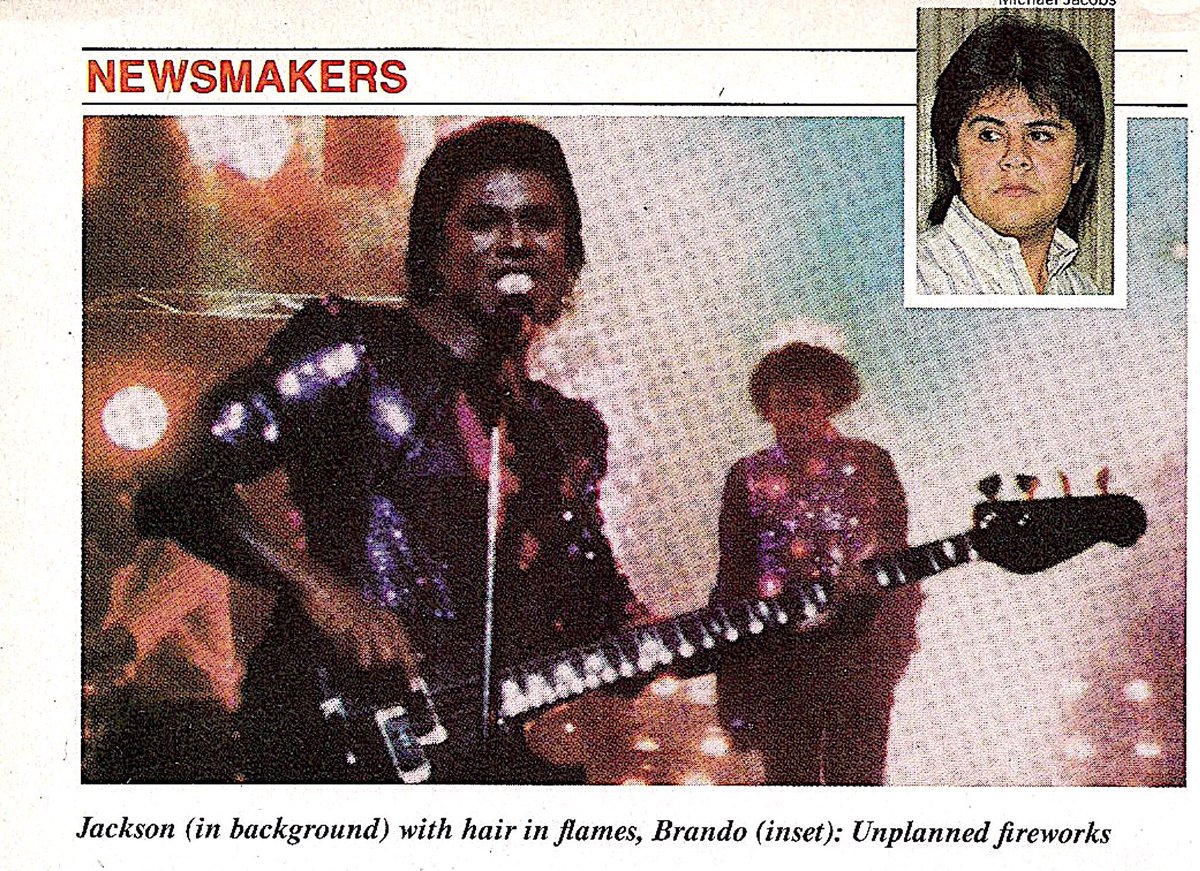
When Michael Jackson’s hair caught on fire on January 27, 1989, during the filming of a Pepsi commercial at the Shrine Auditorium in Los Angeles, the incident transcended a simple production accident to become a defining turning point...
When Michael Jackson’s hair caught on fire on January 27, 1989, during the filming of a Pepsi commercial at the Shrine Auditorium in Los Angeles, the incident transcended a simple production accident to become a defining turning point in modern pop culture, celebrity journalism, and music history. The pyrotechnic mishap, which resulted in second- and third-degree scalp burns, altered Jackson's physical health regimen, accelerated his reliance on prescription painkillers, and fundamentally shifted the relationship between global megastars, corporate sponsors, and the relentless tabloid media.
Contents
Examining this event beyond its sensationalist headlines reveals a complex convergence of high-stakes corporate entertainment, evolving broadcast media norms, and the profound personal vulnerability of a singular cultural icon. Understanding why this moment matters requires looking past the smoke and pyrotechnics to analyze its enduring legacy on safety standards, public sympathy, and the anatomy of modern celebrity surveillance.
The Production Accident and Immediate Aftermath
The incident occurred during the second leg of Pepsi-Cola's multi-million dollar promotional campaign featuring Jackson, which had commenced in 1983. While simulating a live concert performance surrounded by pyrotechnics, a premature explosion of stage fireworks ignited Jackson's hair. Due to the heavy application of styling gel and hairspray common for high-definition television production at the time, the flames consumed his hair rapidly before production crew members and security staff smothered the fire.
Sequence of Events on Set
- Rehearsal Execution: The crew conducted multiple practice runs with pyrotechnic charges to time the camera angles and Jackson's choreography.
- The Premature Detonation: During the final take before a live-audience extra contingent, the spark charges ignited prematurely, directly targeting the rear crown of Jackson's head.
- Immediate Response: Director and crew members rushed the stage, utilizing jackets and fire-retardant blankets to extinguish the flames while Jackson remained conscious.
- Hospital Transfer: Jackson was immediately transported via ambulance to Cedars-Sinai Medical Center, where physicians confirmed severe thermal burns requiring surgical intervention.
The physical injuries required extensive medical treatment, skin grafts, and long-term dermatological care. More critically, the pain management protocols initiated following the accident introduced Jackson to powerful opioid analgesics and sedatives, setting a precedent of pharmaceutical reliance that would shadow the remainder of his life and career.
Cultural and Industry Repercussions
The Pepsi commercial accident fundamentally reshaped safety protocols within the live-action entertainment and commercial production industries. Prior to 1989, pyrotechnic and special effects standards on commercial sets were less rigorously scrutinized than those on feature film productions governed by studio safety unions.
Industry-Wide Safety Transformations
- Rigorous Pre-Production Audits: Commercial production houses adopted mandatory pyrotechnic clearance certificates and third-party safety inspections.
- Actor Protection Mandates: Talent contracts began incorporating strict clauses regarding proximity to explosives, open flames, and chemical styling products.
- On-Set Medical Readiness: Insurance underwriters required dedicated paramedics and burn-treatment units on standby whenever live flame effects were utilized near talent.
Furthermore, the incident marked a critical juncture in Jackson's public narrative. Up to this point, media coverage of Jackson had focused primarily on his unprecedented musical achievements, eccentric public appearances, and the commercial dominance of the Thriller and Bad eras. The accident forced a rare moment of widespread public sympathy, humanizing an artist who was increasingly viewed through the distorted lens of tabloid mythology.
Media Scrutiny and the Tabloid Turning Point
The publication of the exclusive photographs showing Jackson's smoking scalp—reportedly sold to tabloid media outlets for significant sums—ushered in a predatory era of celebrity journalism. This event demonstrated the immense financial value attached to capturing a megastar in a state of physical trauma or distress.
| Media Shift Dimension | Pre-1989 Landscape | Post-1989 Landscape |
|---|---|---|
| Paparazzi Aggression | Moderate; focused on public appearances and staged events. | Aggressive; high-bounty market for compromising, sensational, or medical distress imagery. |
| Public Empathy vs. Ridicule | Balanced coverage centered on artistic output and chart milestones. | Growing polarization between supportive fans and sensationalist tabloid mockery. |
| Corporate PR Management | Reactive crisis communication with limited digital turnaround speed. | Proactive, highly guarded media isolation and aggressive legal protection of privacy. |
This intense media spotlight exacerbated Jackson's growing isolation. The physical transformation of his appearance, driven in part by vitiligo and subsequent reconstructive treatments necessitated by the burn recovery process, became fodder for relentless tabloid speculation. The fire thus serves as a catalyst for the complex, often adversarial dynamic between Jackson and the global press that persisted until his passing in 2009.
Long-Term Impact on Jackson's Career and Personal Life
While Jackson publicly accepted an out-of-court settlement from Pepsi—donating the proceeds to the Brotman Medical Center in Culver City, California, where he was treated—the private fallout was profound. The incident accelerated a perceptible shift in his artistic output, physical health, and personal relationships.
As the physical pain from the scalp burns persisted, Jackson's dependence on medical professionals for pain relief intensified. Biographers and legal proceedings years later identified the 1989 accident as a primary milestone in his vulnerability to prescription drug dependency. The psychological trauma of the event also heightened his distrust of large crowds, corporate partners, and media entities, reinforcing a lifestyle defined by insular protection and fortress-like estates.
Frequently Asked Questions
When and where did Michael Jackson's hair catch on fire?
The accident occurred on January 27, 1989, during a Pepsi commercial shoot at the Shrine Auditorium in Los Angeles, California.
What caused the pyrotechnic failure on set?
A premature detonation of stage fireworks ignited hairspray and styling products on Jackson's head as he walked down a flight of stairs amid a crowd of extras.
What medical complications arose from the accident?
Jackson sustained second- and third-degree burns to his scalp, requiring surgical debridement, skin grafts, and long-term pain management that introduced him to prescription analgesics.
How did Pepsi respond to the incident?
Pepsi issued formal apologies, halted the broadcast of the troubled commercial concepts, and settled out of court with Jackson, who donated the financial compensation to burn treatment facilities.
Why is this event considered a turning point in media history?
The sale and publication of the accident's behind-the-scenes photographs marked a significant escalation in predatory tabloid journalism and paparazzi intrusion targeting high-profile celebrities.
Conclusion
Michael Jackson's hair catching on fire matters because it operates as a micro-cosm of the perils of modern celebrity. It bridges the gap between high-production corporate entertainment and profound personal vulnerability, illustrating how a single production failure can alter an artist's health, legal standing, and relationship with the public. By forcing a reevaluation of set safety while simultaneously fueling the invasive media apparatus that shadowed his later years, the 1989 Pepsi commercial accident remains an indelible milestone in pop culture history.
Image Gallery