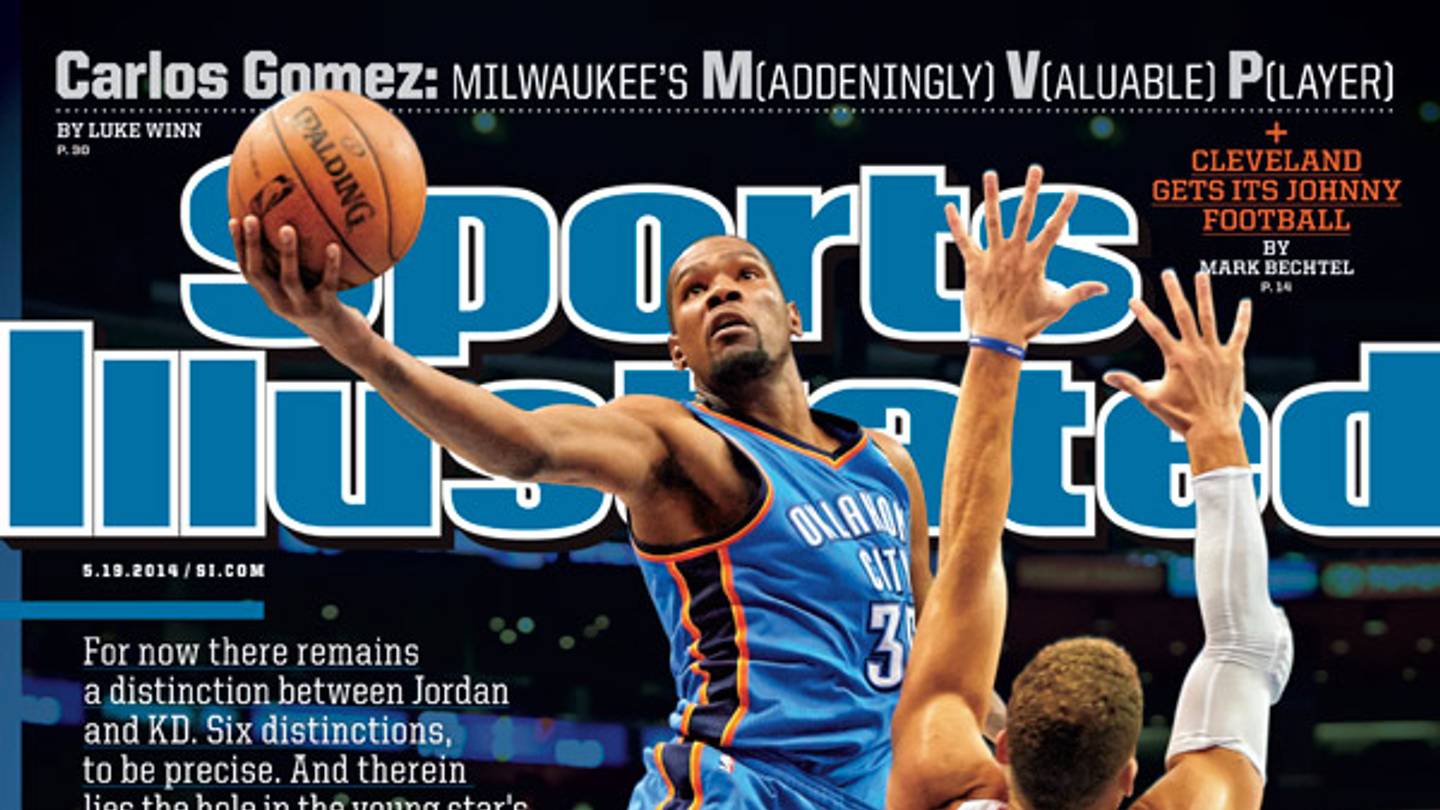
The Legacy and Significance of the Sports Illustrated Kevin Love Cover
The Sports Illustrated Kevin Love cover, published in February 2012, remains a landmark moment in sports journalism, marking the transition of the Minnesota Timberwolves star into a legitimate NBA superstar. This iconic cover helped so...
The Sports Illustrated Kevin Love cover, published in February 2012, remains a landmark moment in sports journalism, marking the transition of the Minnesota Timberwolves star into a legitimate NBA superstar. This iconic cover helped solidify Love’s status as a premier power forward, highlighting his statistical dominance, physical maturation, and his role as the face of a rebuilding franchise.
Contents
The Context of the 2012 NBA Landscape
To understand the significance of the Sports Illustrated Kevin Love cover, one must examine the state of the NBA during the 2011-2012 season. Following the shortened lockout year, the league was dominated by the rising "Big Three" era, particularly in Miami. Amidst the focus on superstar duos and trios, the Minnesota Timberwolves were laboring to establish an identity. Kevin Love, who had been drafted in 2008, was beginning to post historic statistical lines that challenged traditional notions of a power forward.
The cover, which featured an image of Love accompanied by the headline "The NBA's Most Dangerous Man," served as a national declaration. It was not merely a magazine feature; it was a verification by the most prominent sports publication in the United States that Love was performing at a level that transcended small-market anonymity.
Why the Cover Mattered for the Franchise
For the Minnesota Timberwolves organization, the Sports Illustrated cover provided a psychological boost. The franchise had been reeling since the departure of Kevin Garnett years prior. Having a player featured on the cover of Sports Illustrated indicated that the Timberwolves were no longer just a struggling team, but a destination for high-level talent.
The cover centered on Love’s dual threat: his elite rebounding—often leading the league—and his development as a high-volume, high-accuracy three-point shooter. This was a tactical anomaly in 2012, a time when the modern "stretch four" was only just becoming a solidified archetype in NBA offensive systems.
Analyzing the "Most Dangerous Man" Narrative
The editorial choice to label Love as the "Most Dangerous Man" was a calculated move by the magazine’s staff. It reflected a shift in how analytical observers viewed the game. While traditional superstars like LeBron James or Kobe Bryant dominated the headlines through sheer athleticism or scoring volume, Love was dominating through efficiency and specialized statistical production.
The article accompanying the cover detailed:
- The Evolution of the Big Man: How Love expanded his range beyond the arc.
- Statistical Efficiency: His league-leading double-doubles and rebounding percentages.
- Physical Conditioning: His commitment to changing his body to handle the rigors of an 82-game season.
By framing him as "dangerous," the narrative suggested that opposing coaches could not scheme against him using traditional post-defense tactics. If they stayed in the paint to guard his rebounding, he would shoot from the perimeter. If they chased him to the perimeter, he would destroy them on the glass.
Comparison of Statistical Profile During the Era
The following table provides a breakdown of how Love’s production during his peak Timberwolves seasons (2011-2014) compared to the standard expectations for an elite power forward at the time.
| Statistic | Love’s 2011-12 Average | League Leader (Avg) | Contextual Significance |
|---|---|---|---|
| Points Per Game | 26.0 | 28.0 | Elite scoring for a PF |
| Rebounds Per Game | 13.3 | 13.3 | Led the league |
| 3-Point Percentage | 37.2% | 40.0% | High volume for a big man |
| Double-Doubles | 49 | N/A | Led the league |
Challenges and Limitations of the Era
Despite the prestige of the Sports Illustrated cover, the period was not without its challenges. The primary criticism of Love during his time in Minnesota was the team's inability to secure a playoff berth. Critics frequently argued that his gaudy statistics were "empty numbers"—an unfair assessment in retrospect, as the roster around him suffered from injuries and inconsistent veteran support.
The Sports Illustrated piece served to validate his individual brilliance even when the team results were lacking. It placed the onus on the front office to build a competitive roster around his unique skill set, as it became clear that he was an offensive engine capable of leading a top-tier attack.
Legacy of the Magazine Feature
In the years since the 2012 cover, the perception of "star power" in the NBA has shifted significantly. The archetype Love represented—the big man who creates spacing—has become the standard for every contending team in the league. When looking back, the 2012 cover acts as a time capsule for this transition. It captured a moment when the league was beginning to value floor-spacing above traditional interior brawn.
The cover is also frequently cited by collectors and basketball historians as a prime example of sports media identifying a "rising star" before they attained universal household recognition. While Love would later find championship success with the Cleveland Cavaliers, the Sports Illustrated cover is the definitive document of his emergence as an individual force.
Frequently Asked Questions
What issue of Sports Illustrated featured Kevin Love? Kevin Love was featured on the cover of the February 20, 2012, issue of Sports Illustrated. The issue highlighted his emergence as one of the NBA's most dominant and versatile players.
Why was Kevin Love considered an anomaly in 2012? In 2012, most power forwards were expected to play exclusively in the post and mid-range areas. Love was unique because he maintained league-leading rebounding numbers while simultaneously shooting three-pointers at a high volume, effectively creating the "stretch four" blueprint.
Did the Sports Illustrated cover influence his career? While the cover did not change his on-court performance, it elevated his national profile significantly. It brought broader attention to his statistical achievements in Minnesota, which helped bolster his standing in All-Star and All-NBA voting discussions.
What was the tone of the article accompanying the cover? The article was analytical and appreciative. It moved away from superficial praise and instead focused on the technical evolution of Love’s game, particularly his offensive versatility and his rebounding mechanics.
Is the 2012 Kevin Love Sports Illustrated issue rare? As with many sports magazines from that era, the issue is not exceptionally rare, but it is highly valued by Timberwolves fans and basketball collectors who curate collections based on defining moments of NBA players.
Next Steps for Collectors and Fans
If you are interested in acquiring a copy of this issue, the most reliable approach is to search secondary market platforms that specialize in vintage sports memorabilia. Ensure you are purchasing a copy that includes the original mailing label or a "newsstand" copy, as condition—specifically spine integrity and page yellowing—will determine the long-term value of the item. For those interested in the history of the game, re-reading the original reporting provides deep insight into how tactical analysis has evolved over the past decade.
Image Gallery