Emmanuel Yarbrough: A Legacy in Sumo and Combat Sports
Emmanuel Yarbrough was a pioneering American athlete, actor, and martial artist who left an indelible mark on combat sports history by bringing amateur sumo wrestling to a global audience. Standing at 6'8" and weighing over 800 pounds...
Emmanuel Yarbrough was a pioneering American athlete, actor, and martial artist who left an indelible mark on combat sports history by bringing amateur sumo wrestling to a global audience. Standing at 6'8" and weighing over 800 pounds at his peak, Yarbrough remains one of the heaviest athletes in recorded history, serving as a defining figure in the early, experimental years of mixed martial arts (MMA).
Contents
The Early Life and Athletic Foundation
Born on September 5, 1964, in Rahway, New Jersey, Emmanuel Yarbrough’s path toward his singular physical stature began early. His high school years were defined by excellence in competitive wrestling, a sport that provided the fundamental leverage and center-of-gravity awareness that would later define his sumo career. Following high school, Yarbrough attended Morgan State University, where he continued to compete in wrestling and gained recognition for his immense physical presence.
It was during his time as an amateur athlete that he began exploring the discipline of sumo. At the time, sumo was almost exclusively the domain of Japanese professionals, with very little international exposure. Yarbrough’s decision to pursue the sport in a formal, competitive capacity was revolutionary for a Western athlete in the 1980s and early 1990s. His training required not just immense physical mass but a deep understanding of mawashi techniques, stance maintenance, and the explosive starts required in the dohyo (sumo ring).
Sumo Career and International Recognition
Yarbrough’s most significant achievement in his primary discipline was becoming the 1995 World Amateur Sumo Champion. This victory was a milestone in international sports; it signaled that non-Japanese athletes could compete at the highest levels of the traditional Japanese art. His success was not merely a result of his weight, but of the technical application of leverage and displacement tactics.
He was instrumental in popularizing amateur sumo in the United States, acting as an ambassador for the Japan Sumo Association’s efforts to expand the sport’s reach. By participating in exhibitions and high-profile tournaments, Yarbrough helped normalize the inclusion of international athletes, effectively bridging a cultural gap that had existed for centuries.
Transition into Mixed Martial Arts
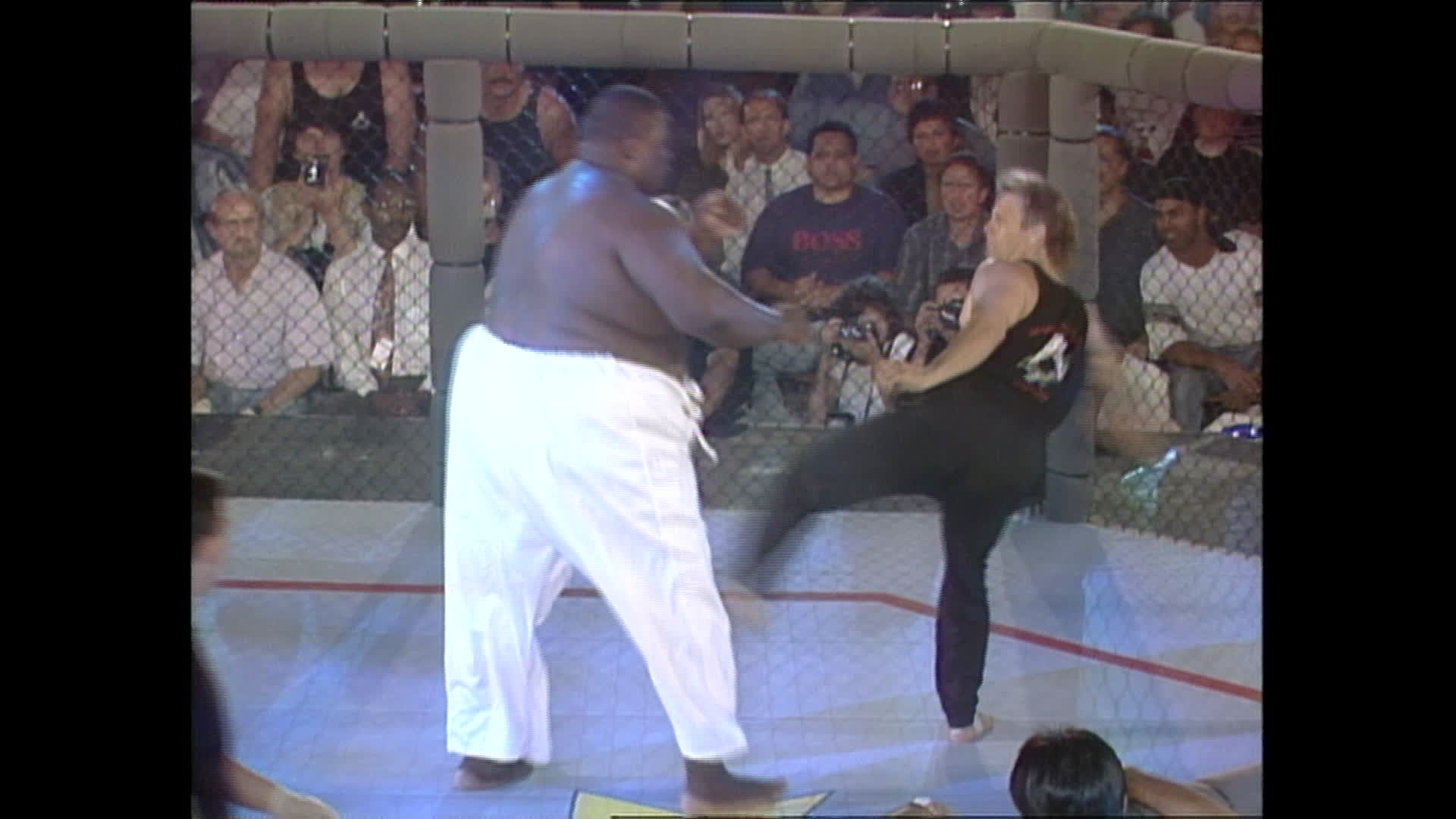
In 1994, the landscape of combat sports was fundamentally altered by the creation of the Ultimate Fighting Championship (UFC). Yarbrough was invited to participate in UFC 3, held in Charlotte, North Carolina. At the time, the promotion was an experimental venue designed to answer the question of which martial art was superior in a real-world, rules-light environment.
His debut against Keith Hackney remains one of the most iconic images from early MMA history. The visual contrast between Yarbrough’s immense size and his opponent’s typical fighter build highlighted the unpredictability of early UFC events. While Yarbrough did not go on to have a long career in professional MMA, his presence provided a crucial test for the sport: the challenge of maneuvering around and neutralizing a high-mass opponent. This experience forced trainers and fighters to consider weight-class distribution and conditioning in ways that directly influenced the evolution of modern MMA training methodologies.
Career in Film and Entertainment
Beyond the ring, Emmanuel Yarbrough utilized his unique physique to build a career in television and film. He appeared in various advertisements, often playing on his recognizable stature, and took on roles that highlighted his physical presence. Notably, he appeared in the 1997 film The Night We Never Met and made guest appearances on television shows like Oz. His ability to navigate the entertainment industry as a character actor allowed him to maintain a public profile long after his competitive career in sumo had concluded.
Health Advocacy and Later Years
The extreme physiological demands of maintaining a body of such significant mass took a toll on Yarbrough’s health as he entered his later years. In the 2010s, he became a vocal advocate for weight management and heart health, speaking openly about the risks associated with obesity. He shifted his focus toward inspiring others to take control of their health, providing a cautionary yet hopeful narrative for athletes and fans alike.
Emmanuel Yarbrough passed away on December 21, 2015, in Richmond, Virginia. His death at the age of 51 served as a sobering reminder of the long-term health implications for those who push their bodies to physical extremes. His legacy, however, remains tied to his pioneering spirit and his status as a trailblazer who defied conventional boundaries in sport and media.
Technical Comparison of Combat Disciplines
To understand Yarbrough’s competitive transition, it is helpful to compare the requirements of the disciplines he practiced.
| Feature | Amateur Sumo | Mixed Martial Arts |
|---|---|---|
| Primary Goal | Force opponent out of ring or to touch floor | Submission or knockout |
| Duration | Typically seconds | Multiple 5-minute rounds |
| Weight Classes | Open/Unlimited | Strict weight limits (in modern eras) |
| Ground Tactics | Grappling/Slapping | Grappling/Striking/Ground-and-pound |
| Endurance Need | Anaerobic/Explosive | High aerobic and anaerobic threshold |
Frequently Asked Questions
What was Emmanuel Yarbrough’s most significant athletic achievement? His most significant achievement was winning the 1995 World Amateur Sumo Championship. This victory validated his years of training and remains the pinnacle of his competitive career, establishing him as the preeminent international sumo wrestler of his generation.
How did Yarbrough influence early UFC events? Yarbrough served as a "human puzzle" for early mixed martial artists. By competing in UFC 3, he forced opponents to abandon conventional stand-up striking in favor of specialized grappling tactics. His appearance highlighted the need for weight-based categorization in later, regulated eras of MMA.
Why is Yarbrough considered a pioneer? He was a pioneer because he successfully integrated himself into the traditional, insular world of Japanese sumo at a time when such a path was virtually closed to Americans. He successfully transitioned from traditional martial arts into the burgeoning world of professional MMA, helping define the "style vs. style" era of fighting.
What was the primary health challenge he faced? Throughout his adult life, Yarbrough struggled with weight-related health issues, including heart strain and mobility challenges. In his final years, he transitioned from a competitive athlete to a public advocate, using his platform to educate others on the importance of metabolic health and proactive medical care.
Did Yarbrough hold any records for his size? Yes, for several years, Yarbrough was recognized by various publications and record-keeping organizations as one of the world’s heaviest living athletes. While record-holding for weight is difficult to verify due to fluctuating stats, his documented weight at his peak exceeded 800 pounds, placing him in a category occupied by very few individuals in modern history.
Next Steps for Fans and Researchers
For those interested in exploring the history of sumo in the United States or the early development of MMA, the following steps are recommended:
- Archive Review: Access historical footage of early UFC events available through official streaming platforms to observe the evolution of fighter strategy.
- Sumo Documentation: Research the International Sumo Federation to understand how the amateur sport has evolved since Yarbrough’s tenure.
- Health Awareness: If you are interested in the medical challenges associated with extreme athletics, consult resources from the American Heart Association regarding the long-term effects of high-intensity, heavy-weight training on cardiovascular function.
Image Gallery