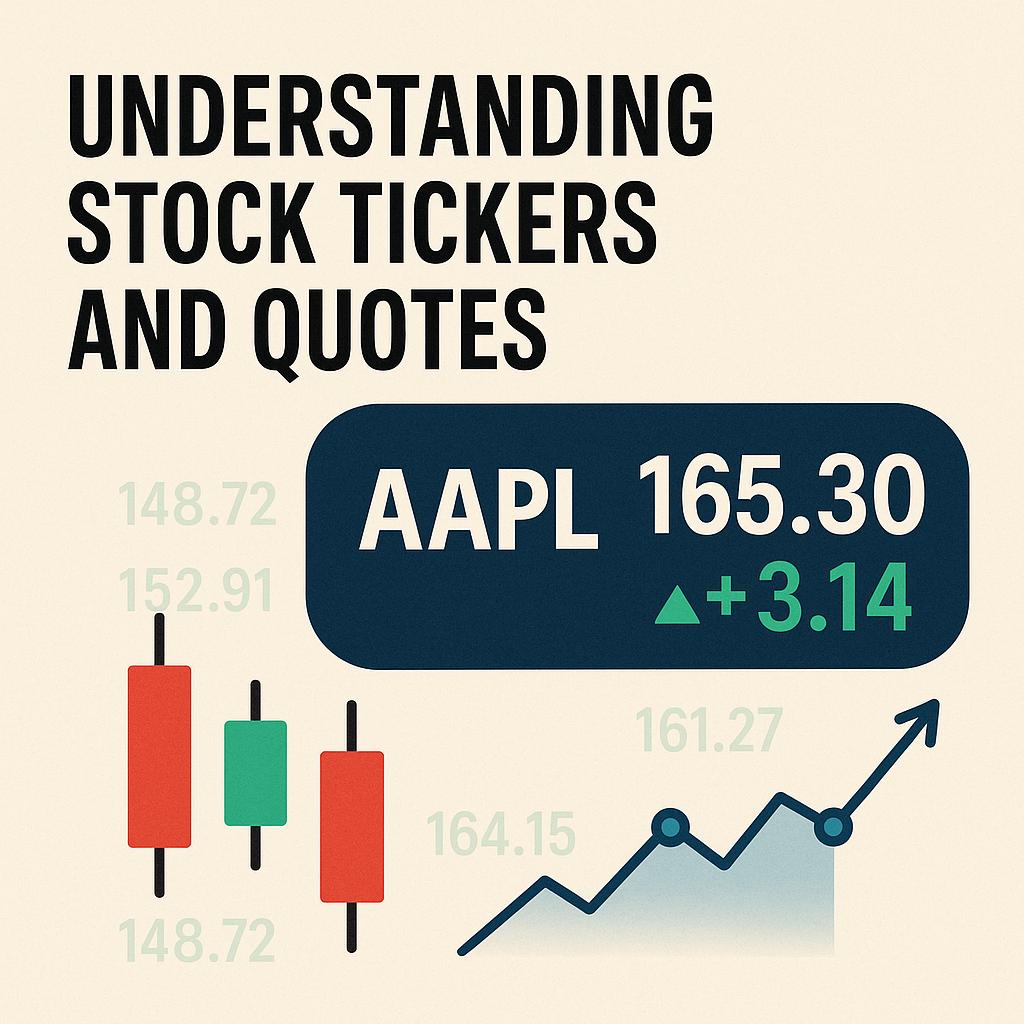
Understanding the RPSIX Stock Quote Today: A Comprehensive Guide to the Royce Pennsylvania Mutual Fund
The RPSIX stock quote represents the Net Asset Value (NAV) of the Royce Pennsylvania Mutual Fund - Institutional Class. As of 2026, this fund continues to be a cornerstone for institutional and high-net-worth investors seeking exposure...
The RPSIX stock quote represents the Net Asset Value (NAV) of the Royce Pennsylvania Mutual Fund - Institutional Class. As of 2026, this fund continues to be a cornerstone for institutional and high-net-worth investors seeking exposure to small-cap value equities. Unlike individual stocks that trade throughout the day on an exchange, RPSIX is priced once daily after the market closes, reflecting the total value of its underlying portfolio of small-company stocks.
Contents
What is RPSIX? Defining the Royce Pennsylvania Mutual Fund Institutional Class
RPSIX is the ticker symbol for the Institutional Class shares of the Royce Pennsylvania Mutual Fund, one of the oldest and most respected small-cap value funds in the United States. Established by Chuck Royce in the early 1970s, the fund focuses on a "quality-first" investment philosophy. It targets companies with market capitalizations typically under $3 billion that demonstrate strong balance sheets, high returns on invested capital, and sustainable business models.
The "Institutional Class" designation is significant for investors. In the landscape of 2026, where fee transparency is paramount, RPSIX offers a lower expense ratio compared to its retail counterpart (PENNX), but it generally requires a higher minimum initial investment, often starting at $1,000,000. This share class is designed for pension funds, endowments, and individual investors utilizing sophisticated brokerage platforms or fee-based advisory services.
The Core Philosophy: Small-Cap Value and Quality
The Royce Pennsylvania Mutual Fund does not simply buy "cheap" stocks. Instead, the management team looks for companies that are undervalued relative to their enterprise value and cash flow, but which also possess a competitive "moat." This focus on quality value is intended to provide a measure of downside protection during market volatility, a characteristic that has historically distinguished RPSIX from more speculative small-cap growth funds.
Analyzing the RPSIX Stock Quote: Key Metrics to Monitor
When you look up the RPSIX quote today, you are seeing more than just a number. Understanding the components of the quote is essential for evaluating whether the fund is meeting your financial objectives in the current 2026 market environment.
Net Asset Value (NAV)
The NAV is the "price" per share of the mutual fund. It is calculated by taking the total value of all securities in the portfolio, subtracting liabilities, and dividing by the number of shares outstanding. Because RPSIX is an open-end mutual fund, you buy and sell at the NAV. If you place an order during the trading day, your transaction will be executed at the NAV calculated at 4:00 PM Eastern Time.
Expense Ratio and Total Returns
The expense ratio for RPSIX is a critical figure in the quote. Historically, Royce has maintained a competitive fee structure for its institutional shares, often hovering around 0.85% to 0.95%. In 2026, as passive ETFs continue to pressure active managers, the value proposition of RPSIX rests on its ability to generate "Alpha"—returns in excess of its benchmark, the Russell 2000 Index.
Dividend Yield and Distributions
Small-cap value funds like RPSIX often hold companies that pay modest dividends or are in the process of returning capital to shareholders. The quote will typically display a "Trailing Twelve Months" (TTM) yield. For investors in 2026, these distributions are an important component of total return, especially in a cooling or sideways-moving market.
Investment Strategy and Portfolio Composition in 2026
The performance of the RPSIX quote is driven entirely by the selection of its underlying assets. The fund typically holds between 150 and 250 positions, providing broad diversification across various sectors of the economy.
Sector Weightings
While weightings shift based on market opportunities, the Royce Pennsylvania Mutual Fund generally maintains significant exposure to the following sectors:
- Industrials: Precision manufacturing, aerospace, and specialized equipment companies that benefit from infrastructure cycles.
- Financials: Regional banks and niche insurance providers with strong capital ratios.
- Information Technology: Specialized software-as-a-service (SaaS) providers and electronic component manufacturers that serve industrial niches.
- Consumer Discretionary: Resilient brands with pricing power in the small-cap space.
The "Royce" Approach to Risk
Management focuses on absolute risk, meaning they are more concerned with the permanent loss of capital than they are with tracking error against the Russell 2000. This means that during a speculative "meme stock" rally, RPSIX might underperform the benchmark. Conversely, when the market penalizes low-quality, high-debt companies, the RPSIX NAV has historically shown greater resilience.
Comparing Share Classes: RPSIX vs. Alternatives
Investors often confuse RPSIX with other share classes of the same fund. It is vital to ensure you are looking at the correct ticker to understand the fees and requirements associated with your investment.
| Feature | RPSIX (Institutional) | PENNX (Investment) | RYPFX (Service) |
|---|---|---|---|
| Minimum Investment | $1,000,000 (typical) | $2,000 | $2,500 |
| Expense Ratio | Lowest (~0.92%) | Moderate (~1.18%) | Highest (~1.43%) |
| Target Audience | Institutions / HNWIs | Individual Investors | Retirement Plans |
| 12b-1 Fees | None | Low | High |
| Transaction Fee | Usually No-Load | Usually No-Load | May vary |
Note: Expense ratios and minimums are based on 2026 estimates and historical averages; check the current prospectus for exact figures.
Performance Evaluation and Benchmarking
To understand if the RPSIX stock quote today represents a "good" value, you must compare its performance against its primary benchmark: the Russell 2000 Index.
Long-Term Performance vs. Short-Term Volatility
Small-cap stocks are inherently more volatile than large-cap stocks (like those in the S&P 500). However, over decades, small-cap value has been one of the highest-performing asset classes. When reviewing the RPSIX quote, look at the 5-year and 10-year annualized returns. A "quality" manager like Royce aims to capture the majority of the market's upside while participating in significantly less of the downside.
The Role of Alpha and Beta
- Alpha: This measures the manager's contribution to returns. A positive alpha suggests that the fund's management is successfully picking stocks that beat the market.
- Beta: This measures the fund's sensitivity to market movements. A beta of 1.0 means the fund moves in sync with the Russell 2000. RPSIX often carries a beta slightly below 1.0, indicating it is less volatile than the broader small-cap market.
How to Access and Trade RPSIX
Because it is a mutual fund ticker, you cannot "day trade" RPSIX on an app like you would a stock or an ETF. Accessing the Institutional Class requires specific pathways:
- Directly through Royce: Investors meeting the $1 million threshold can often open accounts directly with Royce Investment Partners.
- Brokerage Platforms: Large custodians such as Fidelity, Charles Schwab, and Vanguard offer RPSIX. On these platforms, the minimum investment may be waived if you are using a registered investment advisor (RIA) or a fee-based account.
- Qualified Retirement Plans: Many 401(k) and 403(b) plans offer the institutional class of funds to their participants regardless of individual balance sizes, as the plan's total assets meet the institutional threshold.
Is RPSIX Right for Your Portfolio?
Investing in the Royce Pennsylvania Mutual Fund should be viewed as a long-term commitment. In 2026, the fund is best suited for investors who:
- Seek Diversification: You already have exposure to large-cap stocks and want to benefit from the growth potential of smaller companies.
- Value Stability: You prefer a "quality" approach that avoids highly leveraged or unprofitable firms.
- Have a Long Time Horizon: Small-cap value can go through multi-year periods of underperformance relative to growth stocks. Patience is required.
- Are Cost-Conscious: If you have the capital to meet the institutional minimum, the lower expense ratio of RPSIX provides a significant advantage over time through the power of compounding.
Common Pitfalls and Troubleshooting
When tracking the RPSIX stock quote, be aware of "stale pricing." If you are looking at a finance portal at 2:00 PM, the price you see is likely from the previous business day's close. Unlike the S&P 500 ETFs, mutual fund quotes do not update in real-time.
Furthermore, consider the Tax-Cost Ratio. Because RPSIX is an actively managed fund, the managers buy and sell stocks, which can trigger capital gains distributions. If you hold RPSIX in a taxable account, you may owe taxes on these distributions even if you didn't sell your shares. In 2026, holding such funds in tax-advantaged accounts like IRAs or 401(k)s remains a standard recommendation for tax efficiency.
Frequently Asked Questions
What is the current NAV of RPSIX?
The NAV of RPSIX is calculated at the end of every trading day (usually 4:00 PM ET). It is the total value of the fund's assets minus its liabilities, divided by the number of outstanding shares. You can find the most recent price on the official Royce Investment Partners website or major financial news outlets.
Why is the RPSIX quote different from PENNX?
RPSIX and PENNX represent the same underlying portfolio of stocks. The difference in their quotes and performance comes from their expense ratios. RPSIX (Institutional Class) has lower internal management fees than PENNX (Investment Class), which generally leads to a slightly higher NAV and better total returns over time.
Does RPSIX pay dividends?
Yes, RPSIX typically pays dividends and capital gains distributions annually, usually in December. These distributions are either paid out in cash to the investor or reinvested to purchase more shares of the fund.
What is the minimum investment for RPSIX?
Generally, the minimum initial investment for the Institutional Class (RPSIX) is $1,000,000. However, this minimum is often waived for investors using financial advisors or those participating in certain employer-sponsored retirement plans.
Is RPSIX an ETF?
No, RPSIX is a traditional open-end mutual fund. Unlike an ETF (Exchange-Traded Fund), it does not trade on an exchange throughout the day and can only be bought or sold at the end-of-day NAV price.
Final Recommendation
To effectively use the RPSIX stock quote today, investors must look beyond the daily price fluctuation and focus on the fund’s long-term "quality value" metrics. If you are an institutional investor or have access to this share class through an advisor, RPSIX remains a premier vehicle for small-cap exposure. For those starting with smaller amounts, the PENNX ticker offers the same strategy but with a higher fee structure. Always review the most recent prospectus and consider the fund's sector concentrations before making a significant allocation in 2026.
This article is for informational purposes only and does not constitute financial, legal, or tax advice. Investing involves risk, including the possible loss of principal. Past performance is not indicative of future results.
Image Gallery