The Ultimate Guide to the 2026 NFL Mock Draft Simulator: Strategy, AI Metrics, and Draft Day Domination
Navigating the complex ecosystem of football talent evaluation requires more than just casually watching Saturday afternoon games. For enthusiasts, dynasty league commissioners, and analytical front office hobbyists, a mock draft simul...
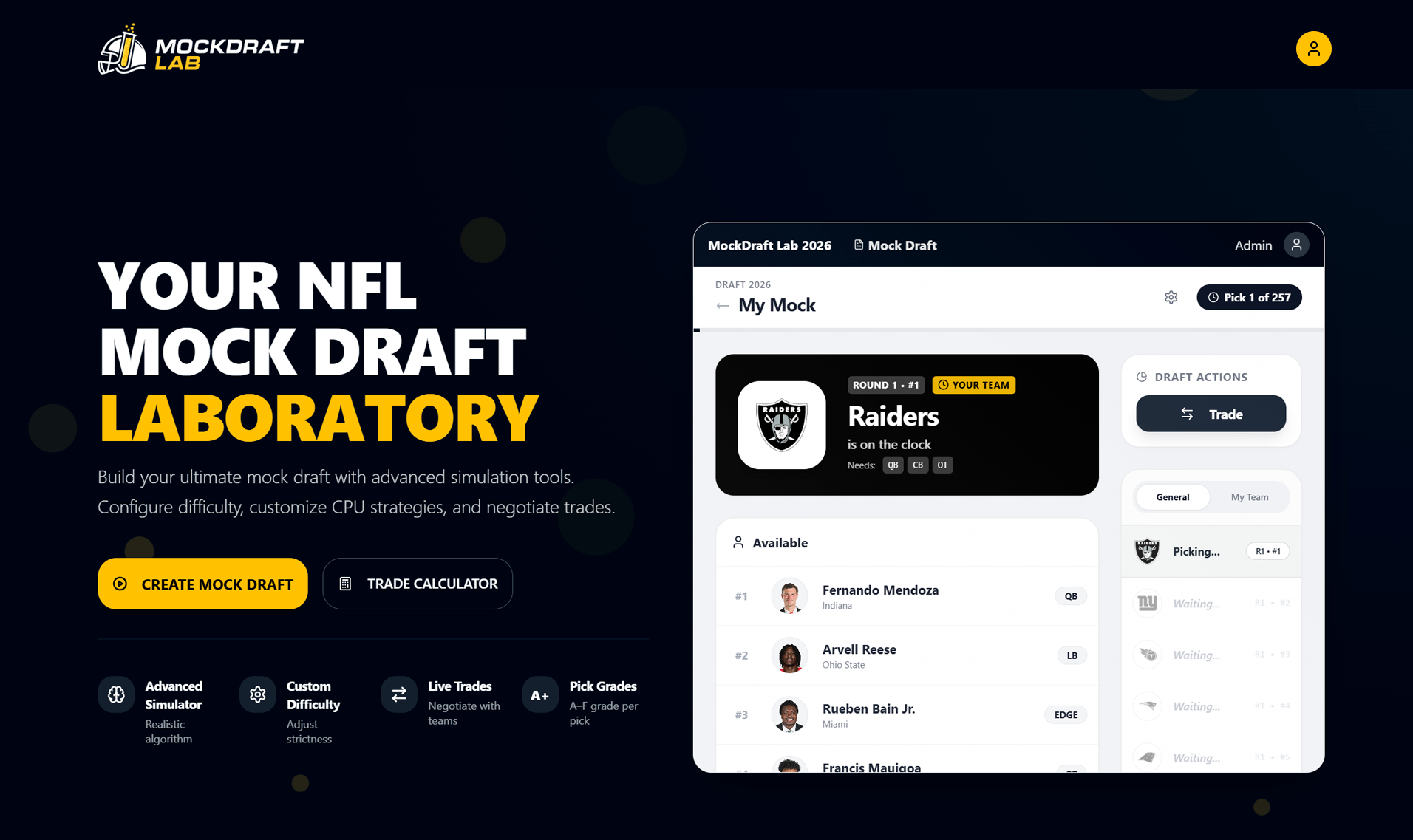
Navigating the complex ecosystem of football talent evaluation requires more than just casually watching Saturday afternoon games. For enthusiasts, dynasty league commissioners, and analytical front office hobbyists, a mock draft simulator serves as the definitive testing ground for draft theories. As the 2026 NFL Draft cycle reaches peak intensity, understanding how to maximize these simulation platforms has evolved into a fine art. Modern tools leverage advanced computational engines, consensus big boards, and dynamic trade logic to replicate the chaotic war room experience from the comfort of a home screen.
Contents
Anatomy of a Modern Mock Draft Engine
The architecture behind contemporary draft simulation software relies on complex algorithms rather than simple random selection. Platforms ingest thousands of data points, including athletic testing from the Scouting Combine, Pro Day metrics, positional value weighting, and real-time team needs.
When configuring a simulation for the 2026 draft class, users interact with several core components:
- Consensus Big Boards: Aggregated rankings compiled from top draft analysts, ensuring players are selected within a realistic range of their true draft capital.
- Team Need Matrices: Algorithmic weighting that prevents franchises from drafting redundant positions early, though customizable settings allow users to test aggressive "Best Player Available" (BPA) strategies.
- Trade Valuation Models: Mathematical formulas—often based on historical draft trade charts—that dictate how much capital a computer-controlled general manager will demand to move up or down the board.
- AI Tendency Profiles: Advanced options that simulate specific front-office behaviors, such as aggressive trading up for elite quarterbacks or hoarding future draft capital.
Core Simulation Strategies for 2026 Draft Enthusiasts
Executing a successful simulation requires adapting to the specific landscape of the current prospect pool. The 2026 class presents unique architectural challenges, particularly regarding early-round blue-chip talent distribution across offensive tackle, edge rusher, and elite passing prospects.
The BPA Versus Team Need Dilemma
One of the most common pitfalls in simulation strategy is drafting strictly for need while ignoring the stark cliff in prospect tier values. A disciplined approach involves establishing a personal draft board before initiating the simulation. If a franchise holding a top-five selection finds themselves staring at a generational wide receiver while needing a defensive lineman, the optimal long-term play is almost universally securing the elite asset and leveraging future draft capital or positional trades later.
Mastering the Trade-Down Calculus
Moving down the draft board is a favored tactic among analytical simulators looking to accumulate volume. However, computer algorithms often undervalue future picks unless adjusted in the settings. To maintain realism, users should establish strict baseline value thresholds:
- Never accept a trade offer that fails to return at least 90 percent of the standard value chart equivalent.
- Target teams with glaring roster holes and multiple Day 2 picks when trading out of the first round.
- Balance immediate starter needs with future flexibility by targeting mid-round picks in the following year's draft.
Feature Comparison of Leading Draft Simulation Platforms
Choosing the right platform depends entirely on the desired depth of customization, user interface fluidity, and the accuracy of the underlying big boards.
| Platform Name | Custom Big Board Support | Advanced Trade Logic | Multi-User Multiplayer Capability | Scouting & Progression Tracking |
|---|---|---|---|---|
| Pro Football Focus (PFF) Simulator | Full Import/Export Options | Highly Dynamic, Multi-Team | Supported via League Lobbies | Deep Analytics & Grade Matching |
| The Draft Network (TDN) | Native Customization Suite | Standard Value Curves | Solo and Group Lobbies | Prospect Profiling & Notes |
| NFL Mock Draft Database | Consensus-Driven Only | Moderate Flexibility | Solo Focus | Real-Time Media Consensus Tracking |
| First-Pick | Franchise Mode Focus | Financial & Cap-Centric | Extended Multi-Year Modes | Player Development Tracking |
Step-by-Step Guide to Executing a Full-Draft Simulation
To get the most accurate and rewarding experience out of a 2026 mock draft simulator, follow this structured procedural workflow.
- Step 1: Define the Simulation Parameters. Select the correct draft year (2026), choose the pick order based on the latest projected standings, and determine whether you are controlling a single team, multiple teams, or the entire league.
- Step 2: Import or Select the Big Board. Choose between the platform's default consensus rankings or upload a customized big board to test how specific positional valuations alter the draft board.
- Step 3: Adjust Difficulty and Trade Frequency Settings. Turn trade difficulty to hard if you want to prevent unrealistic lopsided trades, and increase the CPU aggressiveness setting to test how other teams react to your target players sliding.
- Step 4: Execute the First Round with Discipline. Monitor the live draft ticker, watch for unexpected runs on premium positions like quarterbacks or offensive tackles, and remain adaptable if your primary target is sniped one pick prior.
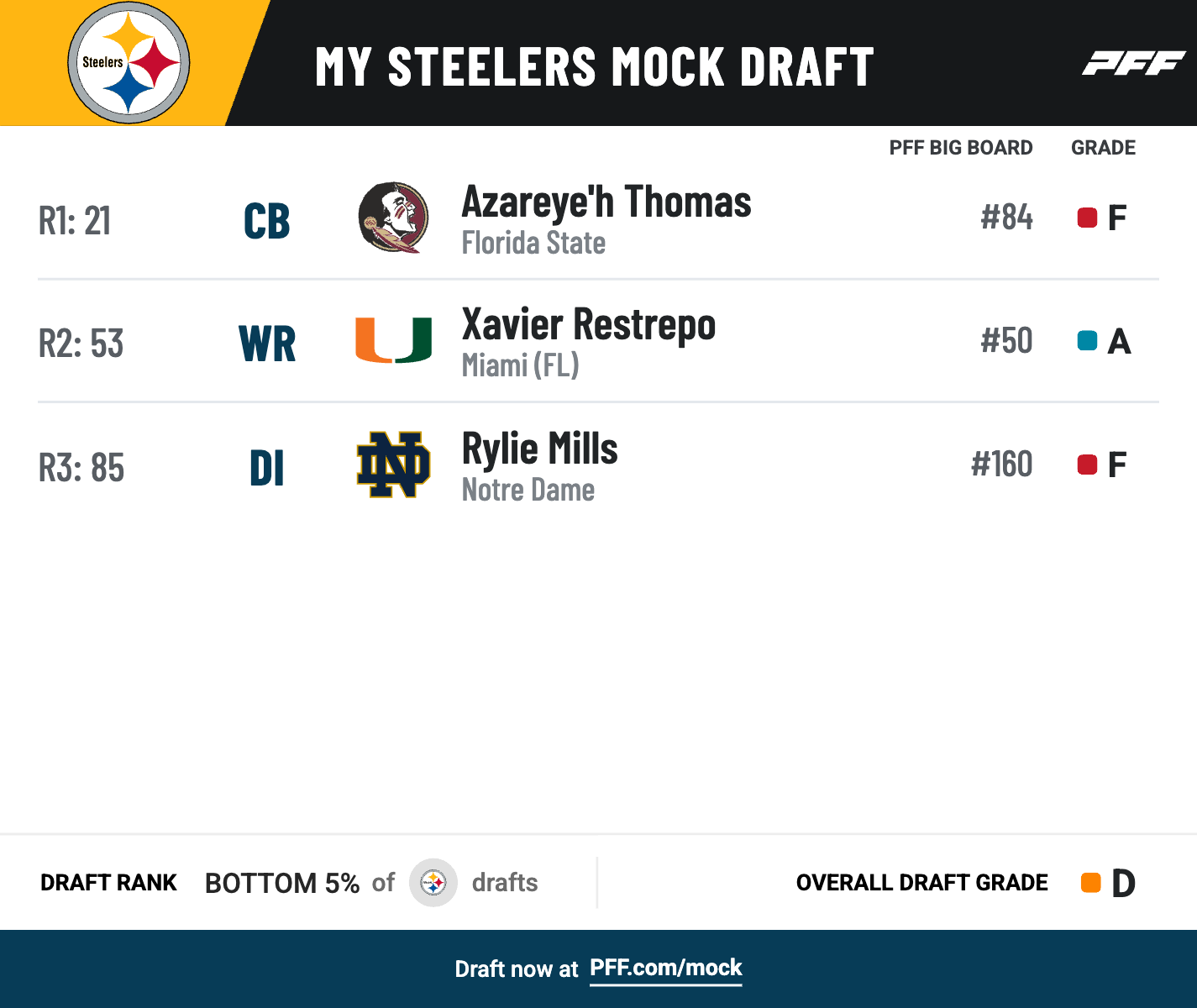
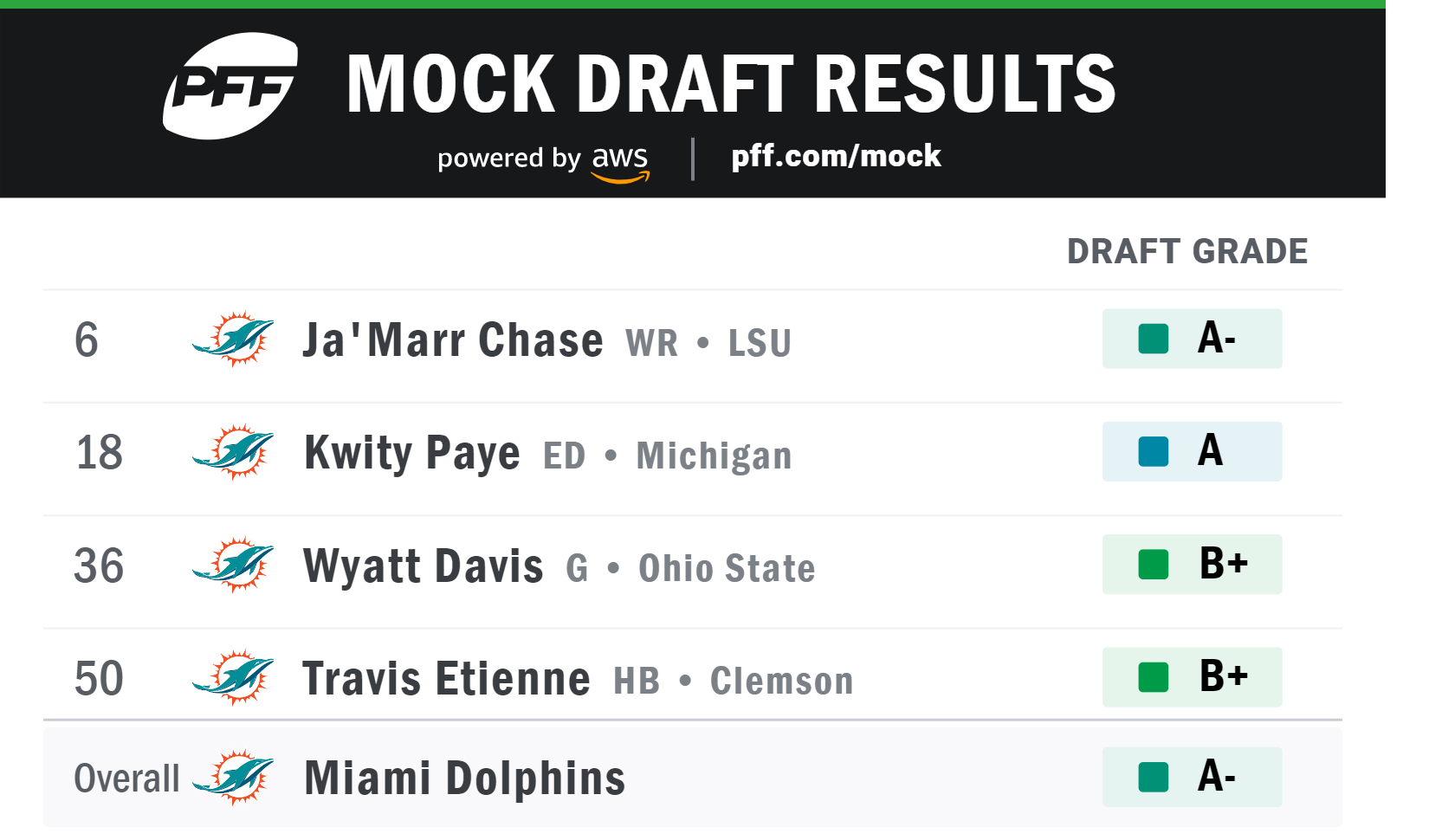
- Step 5: Review and Analyze the Draft Haul. Evaluate the final grade provided by the simulator, review the projected rookie impact scores, and save the results for comparison against actual draft outcomes.
Expert Insights and Common Troubleshooting Pitfalls
Even the most sophisticated simulators are bound by software limitations. Understanding these boundaries prevents frustration and helps users extract valuable insights rather than meaningless high-score validation.
Algorithmic Blind Spots: Computer-controlled general managers occasionally suffer from predictable positional runs, leaving elite prospects at secondary positions sliding deep into the second round. Savvy users should recognize these artificial intelligence quirks and avoid treating anomalous slides as realistic market expectations.
Another frequent issue involves unrealistic trade demands from AI teams during draft day. If a simulation engine consistently rejects fair-value packages, lowering the trade aggressiveness slider or executing multi-team trades manually via commissioner tools can restore realism. Furthermore, keeping prospect rankings updated via community patches ensures that late-risers and post-combine workout warriors are properly slotted into their true valuation tiers.
Frequently Asked Questions
What is a mock draft simulator?
A mock draft simulator is an interactive software tool that allows users to play the role of an NFL general manager, making selections and trades to simulate an upcoming draft event. These platforms use advanced algorithms, prospect big boards, and team-need matrices to generate realistic draft outcomes.
How are computer-controlled trade offers calculated?
Computer trade offers rely on numerical draft value charts that assign point values to every draft slot. Simulators use these values to ensure trades are balanced, adjusting demands based on team needs, positional scarcity, and AI aggression settings.
Can I use my own custom player rankings in a simulator?
Most professional simulation platforms feature robust import tools that allow users to upload, edit, and save custom big boards. This lets you test specific draft strategies based entirely on your personal scouting evaluations rather than media consensus.
Why do some elite prospects slide unexpectedly in simulations?
Simulators operate on specific positional need weights and big board rankings, which can occasionally create artificial runs on certain positions. When a computer-controlled team drafts for absolute need over best player available, highly ranked prospects can slide further than they typically would in reality.
Are mock draft simulators free to use?
Most foundational simulation engines are entirely free with web-based access, though advanced features such as multi-year franchise modes, deep analytics tracking, and custom trade logic overrides may require a premium subscription.
How do 2026 mock draft simulators handle future draft picks?
Advanced simulators incorporate future draft capital into multi-year franchise modes, discounting future picks based on projected team performance to mirror real NFL front office valuations.
Maximizing the utility of a mock draft simulator requires patience, a strong grasp of positional value, and an understanding of how algorithmic tendencies shape the virtual board. By refining your strategy, experimenting with multi-team controls, and evaluating your hauls critically, you can transform a simple gaming pastime into an advanced masterclass in football roster construction. Dive into your preferred platform today, test your boldest trade theories, and prepare to master the nuances of the 2026 draft cycle.
Image Gallery