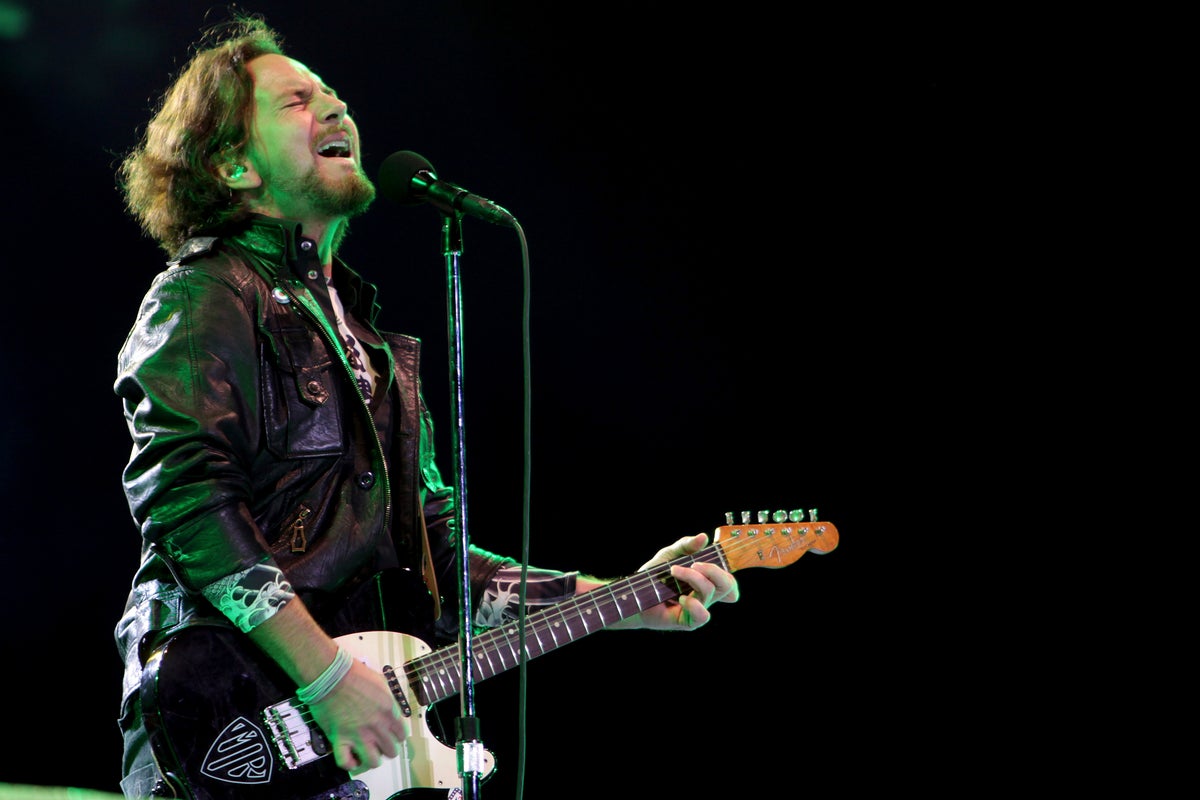
Why the Pearl Jam Frontman Matters Today: Eddie Vedder’s Enduring Impact
In 2026, Eddie Vedder remains a pivotal figure because he represents a rare bridge between the raw authenticity of the 1990s and the socially conscious activism of the modern era. As a survivor of the Seattle grunge movement, his commi...
In 2026, Eddie Vedder remains a pivotal figure because he represents a rare bridge between the raw authenticity of the 1990s and the socially conscious activism of the modern era. As a survivor of the Seattle grunge movement, his commitment to ethical touring, environmental advocacy, and vocal integrity offers a blueprint for sustainable artistic longevity in a fragmented media landscape.
Contents
The Last Torchbearer of the Seattle Sound
As we move through 2026, the historical weight of Eddie Vedder’s position in rock history has only intensified. Of the "Big Four" Seattle grunge bands that redefined music in the early 1990s—Nirvana, Soundgarden, Alice in Chains, and Pearl Jam—Vedder stands as the final original frontman still actively recording and touring with his founding lineup. This is not merely a matter of survival; it is a matter of stewardship. Vedder has become the de facto curator of a specific brand of American rock that prioritizes emotional vulnerability over artifice.
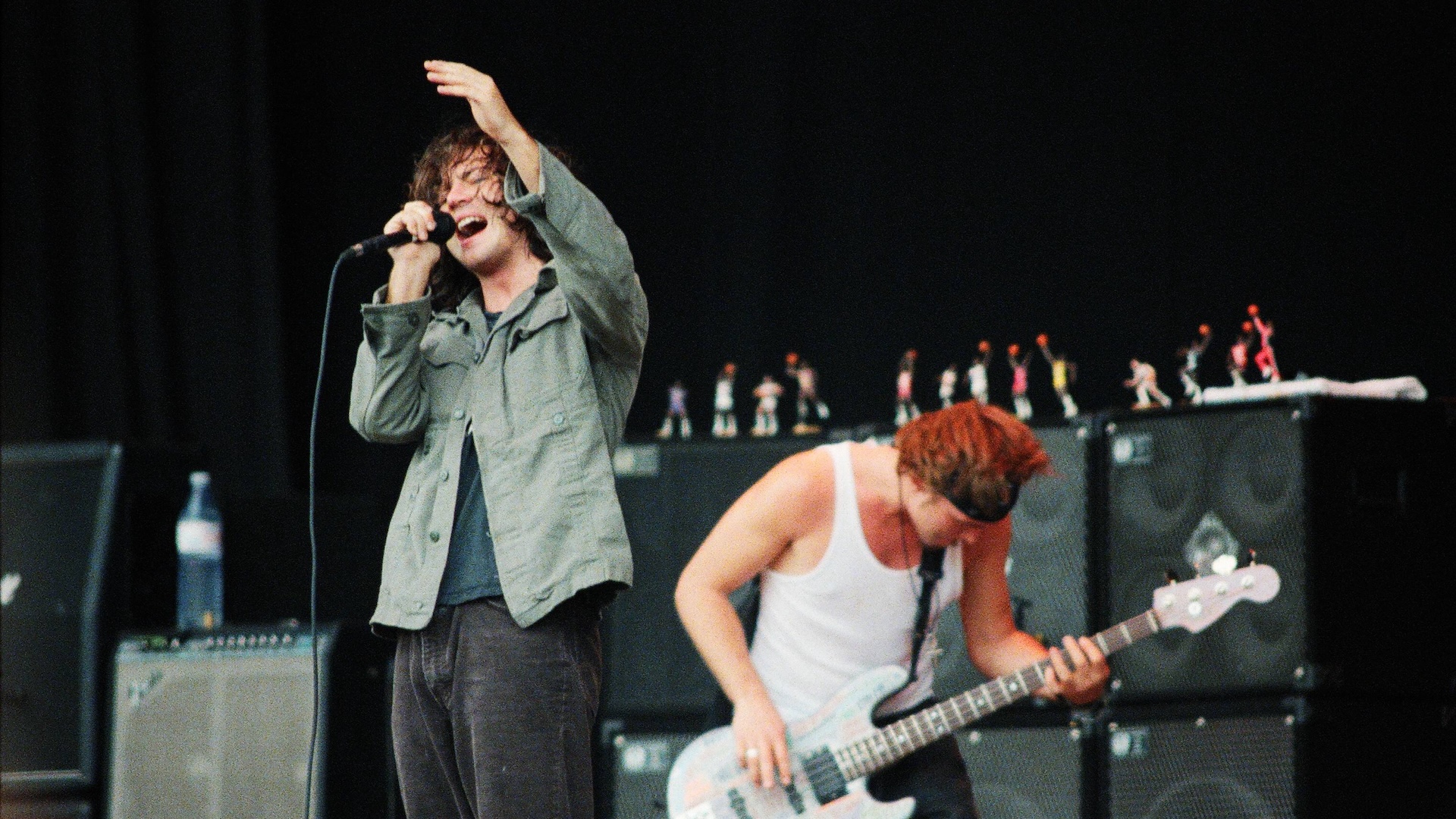
His relevance today is rooted in how he handled the "survivor" narrative. Rather than retreating into nostalgia or becoming a parody of his younger self, Vedder has utilized his platform to honor his fallen peers—Chris Cornell, Kurt Cobain, and Layne Staley—while pushing the genre forward. In 2026, his performances are viewed not just as concerts, but as communal rituals that connect multi-generational audiences to a period of music that valued sincerity above all else. This continuity provides a sense of stability in a music industry often criticized for its fleeting trends and AI-generated content.
A Blueprint for Ethical Industry Engagement
One of the primary reasons the Pearl Jam frontman matters today is his historical and ongoing resistance to predatory industry practices. Decades after Pearl Jam’s famous 1994 battle with Ticketmaster, the conversation around ticket monopolies, dynamic pricing, and "junk fees" has reached a fever pitch in 2026. Vedder’s early stance against centralized control of the live music experience has proven prophetic.
Pearl Jam’s "Ten Club" remains one of the most effective examples of a fan-first ecosystem. By prioritizing direct-to-fan communication and localized ticket distributions, Vedder and his bandmates have insulated their core audience from some of the more aggressive fluctuations of the secondary market. For younger artists entering the industry, Vedder serves as a technical and ethical case study in how to maintain a massive global footprint without sacrificing the trust of the consumer. This model of "ethical rock" is increasingly relevant as fans demand more transparency from the entities managing their favorite creators.
Philanthropic Leadership and the EB Research Partnership
Beyond the microphone, Vedder’s contemporary importance is deeply tied to his work with the EB Research Partnership (EBRP). Epidermolysis Bullosa (EB) is a rare, devastating genetic skin disorder, and Vedder, along with his wife Jill, has been instrumental in raising tens of millions of dollars for a cure.
In 2026, the EBRP is recognized as a leader in "venture philanthropy." Rather than simply donating to existing structures, the organization funds research with a model where any commercial success from treatments is reinvested into further research. Vedder’s active involvement—using his celebrity to host the "Venture Into Cures" events and leveraging his global fanbase—has accelerated the development of gene therapies that were previously decades away. This highlights why he matters today: he has transitioned from a musician who sings about pain to a leader who actively seeks to alleviate it through sophisticated, results-oriented philanthropy.
Musical Evolution: From Grunge Icon to Elder Statesman
Musically, Vedder’s relevance in 2026 is bolstered by his willingness to evolve. The release of Dark Matter in 2024 marked a significant shift in the band's sonic profile, embracing a high-energy, collaborative approach with producer Andrew Watt. This move demonstrated that Vedder was not content to settle into the "heritage act" circuit.
His solo work, particularly the Earthling project and subsequent collaborations, shows a musician interested in the intersection of classic rock, folk, and punk. By collaborating with younger producers and artists, Vedder has maintained his sonic freshness. In a 2026 landscape where rock music often struggles for mainstream airplay, Vedder’s ability to sell out stadiums while releasing critically acclaimed new material is a testament to his adaptability. He has mastered the art of aging gracefully in a genre that historically rewards youth, proving that the "grunge" ethos of authenticity is timeless.
Comparison of Vedder’s Influence Areas in 2026
| Category | Primary Impact | Long-term Relevance |
|---|---|---|
| Musical Legacy | Survival of the Seattle Sound | Bridges 90s alt-rock with modern production techniques. |
| Industry Ethics | Fan-first ticketing models | Precedent for artist-led resistance against monopolies. |
| Philanthropy | EB Research Partnership | Pioneer of the "venture philanthropy" model in healthcare. |
| Social Activism | Environmental & Voting Rights | Consistent advocacy for the Vitalogy Foundation. |
| Vocal Artistry | Baritone influence | Defined the vocal style for two generations of rock singers. |
The "Vedder Effect" on Modern Performance
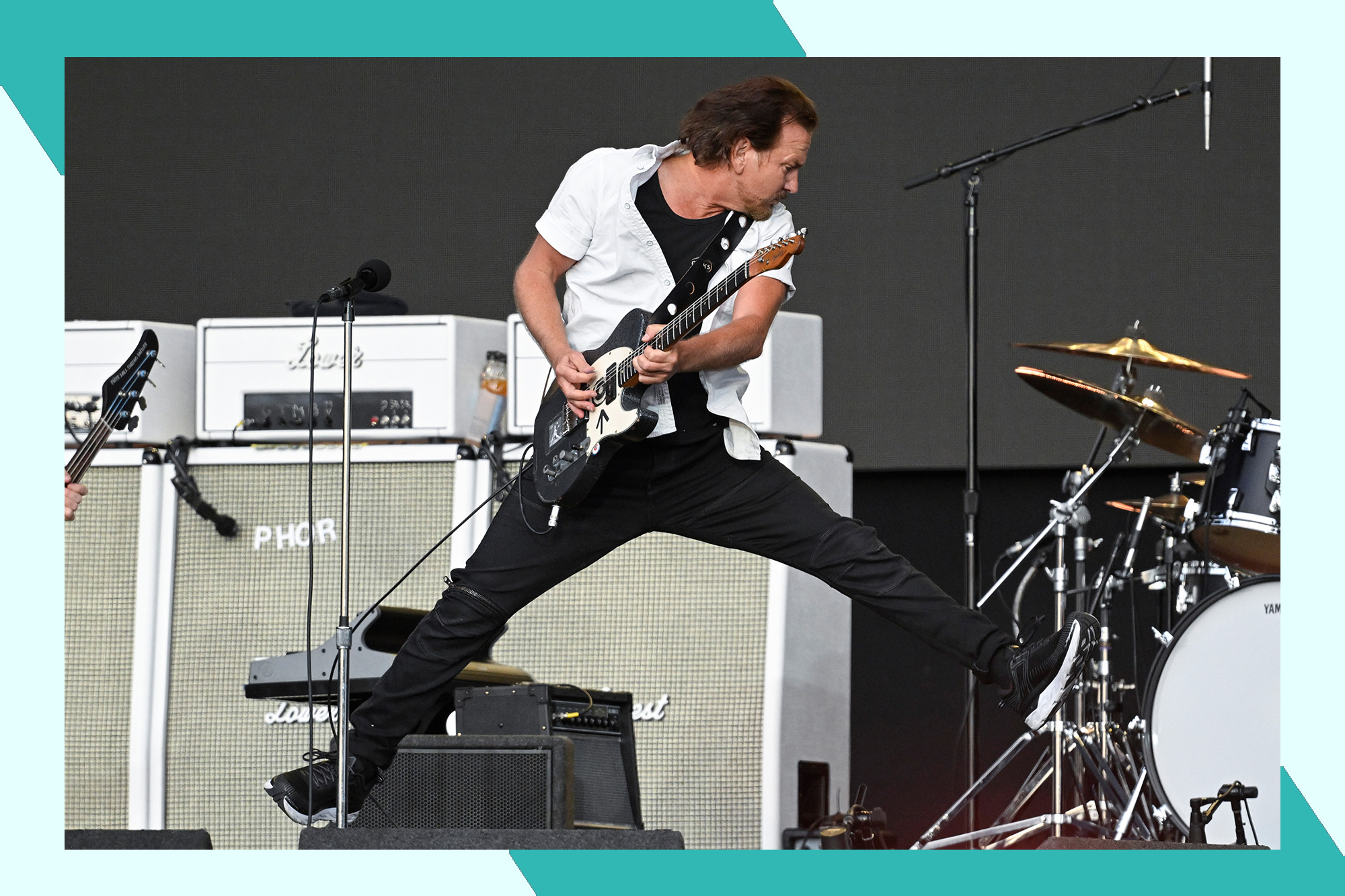
In an era dominated by backing tracks and highly choreographed pop spectacles, the raw, unpredictable nature of a Vedder-led performance is more valuable than ever. Pearl Jam’s "no setlist is the same" policy continues to be a major draw in 2026. This technical commitment to spontaneity requires a high level of musicianship and a deep connection between the frontman and his audience.
Vedder’s voice, which has naturally deepened and weathered over the years, is now appreciated for its "granitic" quality—a term often used by critics to describe its grounded, sturdy resonance. He has moved away from the intense vocal gymnastics of the Ten era toward a more nuanced, storytelling approach. This shift ensures that his performances remain sustainable into his 60s, providing a template for how rock vocalists can preserve their instruments while maintaining emotional intensity.
Mentorship and the New Generation
Vedder’s relevance is also visible in his role as a mentor. He has frequently shared the stage with younger artists, ranging from Post Malone to Olivia Rodrigo, bridging the gap between the 90s vanguard and Gen Z superstars. By validating newer artists, he helps maintain a lineage of rock and alternative music.
These interactions are not merely PR exercises; they are rooted in a shared philosophy of songwriting. When Vedder advocates for a younger artist, he is often highlighting their lyrical depth or their commitment to live instrumentation. In the algorithmic music environment of 2026, this "human curation" by a respected elder statesman helps guide fans toward meaningful content that might otherwise be buried by the sheer volume of digital releases.
Environmental Advocacy and the Vitalogy Foundation
The Vitalogy Foundation, Pearl Jam’s non-profit organization, continues to be a major force in 2026. Under Vedder’s influence, the foundation has directed millions toward environmental conservation, homelessness, and community health. Vedder’s specific focus on the climate crisis—often woven into his stage banter and song lyrics—resonates with a younger demographic that views environmental stewardship as a non-negotiable trait for their icons.
Unlike "slacktivism," Vedder’s approach is localized and tangible. Whether it is supporting the restoration of Puget Sound or funding carbon mitigation efforts for the band’s global tours, the actions are measurable. This commitment to "walking the talk" is why his voice continues to carry weight in political and social spheres; he has decades of consistent, documented activism that predates the era of social media performance.
FAQ
Is Pearl Jam still touring in 2026?
Yes, Pearl Jam remains one of the world's premier touring acts. While they have shifted toward more "residency" style dates and fewer back-to-back shows to preserve their health and performance quality, their 2025-2026 schedule saw them headlining major festivals and stadiums globally.
What is Eddie Vedder’s current vocal health like?
Vedder has adapted his singing style to accommodate the natural aging of his vocal cords. By leaning into his lower register and utilizing more diaphragmatic support, he has maintained a powerful live presence. He is often cited by vocal coaches as an example of how to transition from a "belter" to a more sustainable "crooner-rocker" style.
How has Eddie Vedder influenced the ticketing industry lately?
While he hasn't single-handedly dismantled monopolies, his continued use of the Ten Club for fan-verified ticketing has served as a primary model for the "Fair Ticketing Act" discussions in various legislative bodies. His 30-year track record provides the "technical proof" that artist-led distribution is viable.
Does Eddie Vedder have a recent solo album?
Following the success of Earthling in 2022, Vedder has focused largely on Pearl Jam’s Dark Matter and its subsequent cycles. However, he continues to contribute to soundtracks and collaborative singles, maintaining his presence as a solo artist alongside his band duties.
What is the significance of the EB Research Partnership?
Founded by the Vedders and other families, the EBRP is significant because it uses a business-minded approach to curing a rare disease. It doesn't just fund research; it takes equity in the companies it funds, ensuring that if a drug is successful, the profits go back into finding more cures rather than just to shareholders.
Summary Recommendation
To truly understand why the Pearl Jam frontman matters today, one should look beyond the hits of the 1990s and examine his current output and advocacy. For fans and music historians alike, the next step is to engage with the Vitalogy Foundation or the EB Research Partnership to see how artistic fame can be converted into tangible social progress. Attending a live performance remains the most direct way to experience the communal and ethical atmosphere Vedder has spent 35 years cultivating. As a survivor, activist, and evolving artist, Vedder remains the gold standard for what a long-term career in rock and roll can—and should—look like.
Image Gallery