Analysis of the Highest Yield Funds for 2024: A Retrospective Review
In 2024, the highest yield funds primarily consisted of money market funds, covered call ETFs, and Business Development Companies (BDCs). Driven by the Federal Reserve's "higher for longer" interest rate policy, many cash-equivalent fu...
In 2024, the highest yield funds primarily consisted of money market funds, covered call ETFs, and Business Development Companies (BDCs). Driven by the Federal Reserve's "higher for longer" interest rate policy, many cash-equivalent funds maintained yields above 5%, while specialized equity-income funds leveraged market volatility to deliver double-digit distributions to income-focused investors.
Contents
The investment landscape of 2024 was defined by a transition from aggressive monetary tightening to the first signs of a rate-cutting cycle. For income investors, this created a unique window where low-risk instruments competed directly with traditionally high-risk assets for yield dominance. Now, from our vantage point in 2024’s aftermath, we can analyze which funds successfully captured these returns and how they managed the shifting economic headwinds.
The Economic Drivers of 2024 Yields
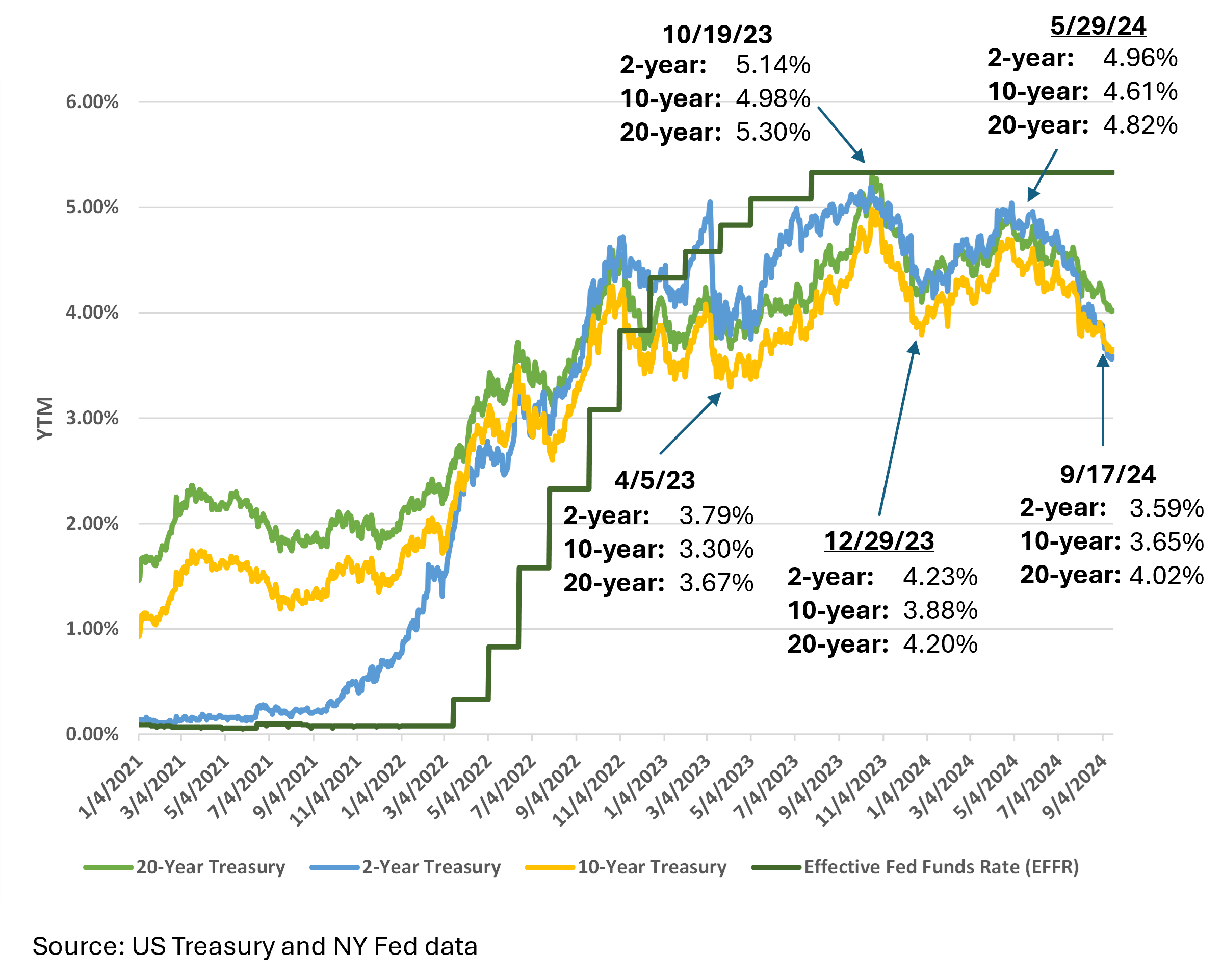
To understand the performance of the highest yield funds for 2024, one must look at the macroeconomic environment of that year. The Federal Reserve maintained the federal funds rate at a 22-year high of 5.25% to 5.50% for the first three quarters of the year. This kept the "risk-free" rate exceptionally high, which in turn set a high floor for all other yield-bearing instruments.
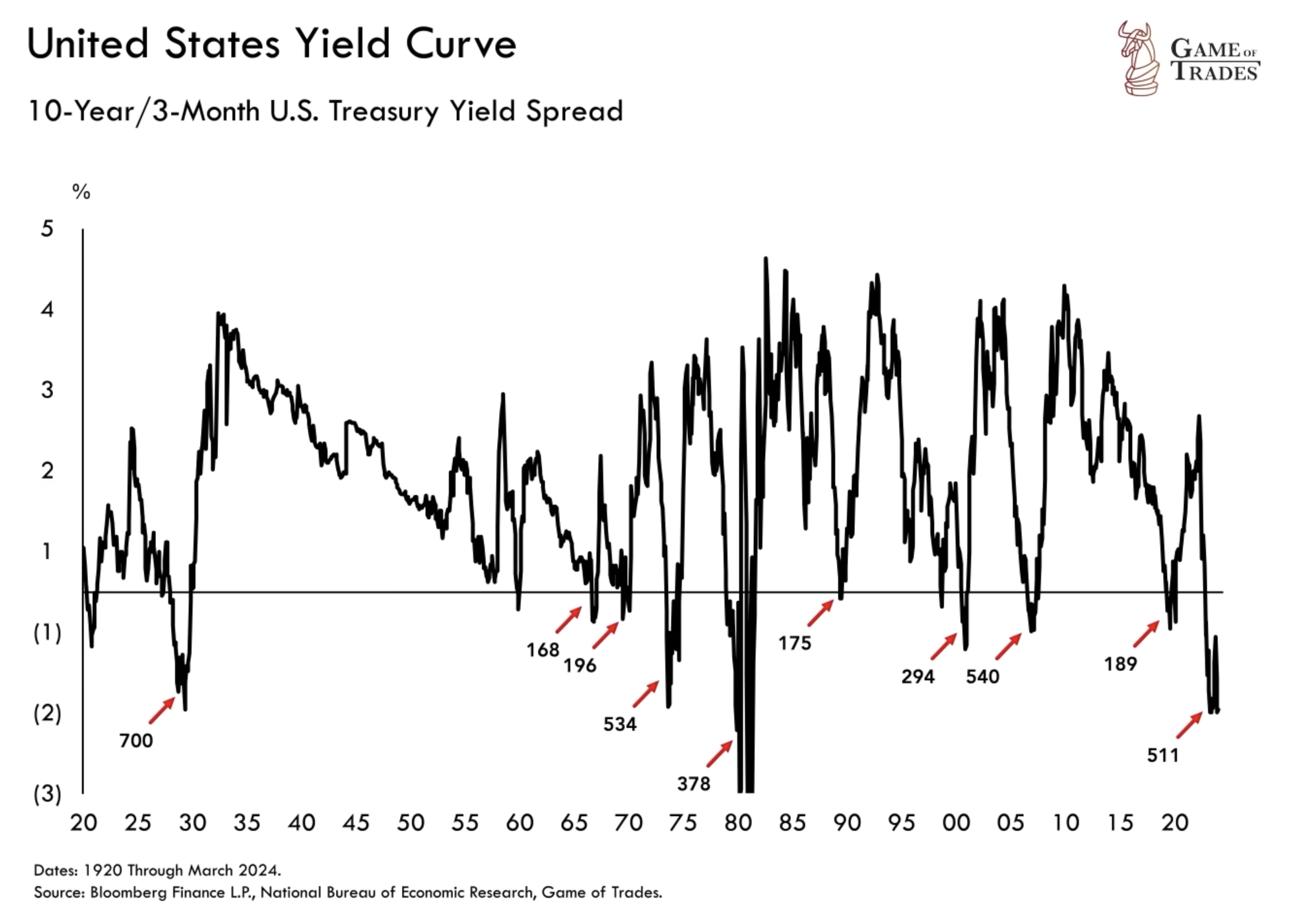
The "yield curve inversion"—where short-term debt yields more than long-term debt—persisted through much of 2024. This phenomenon incentivized investors to stay in short-duration funds, such as money markets and short-term Treasury ETFs, which offered yields that often outperformed riskier corporate bonds without the same level of interest rate risk.
The Federal Reserve’s September Pivot
A critical turning point occurred in September 2024, when the Federal Open Market Committee (FOMC) implemented a 50-basis-point rate cut. This shift signaled the end of the peak yield era for cash-like instruments. Funds that had locked in longer-duration high-yield debt prior to this pivot saw significant capital appreciation in addition to their yield, while the yields on floating-rate instruments began a gradual decline.
Primary Categories of High-Yield Funds in 2024
High-yield seeking behavior in 2024 generally fell into three distinct categories: safety-first cash equivalents, derivative-enhanced equity funds, and private-credit focused vehicles.
1. Money Market Funds and Cash Equivalents
For the majority of 2024, money market funds were the "gold standard" for risk-adjusted yield. Funds like the Vanguard Federal Money Market Fund (VMFXX) and the Fidelity Government Money Market Fund (SPAXX) consistently offered 7-day yields north of 5%. These funds were primary beneficiaries of the high interest rate environment, providing liquidity and safety while outperforming the historical average returns of the S&P 500's dividend yield by a factor of three.
2. Covered Call and Derivative-Income ETFs
As traditional equity yields remained low (the S&P 500 dividend yield hovered around 1.3%), many investors turned to "synthetic" yield. Covered call ETFs, such as the JPMorgan Equity Premium Income ETF (JEPI) and the Global X NASDAQ 100 Covered Call ETF (QYLD), used option-writing strategies to generate monthly cash flow.
These funds perform best in sideways or mildly bullish markets. In 2024, the volatility in the tech sector allowed funds like JEPQ (JPMorgan Nasdaq Equity Premium Income ETF) to distribute yields often exceeding 9-10%. However, the trade-off for these high yields was a cap on the fund's potential capital appreciation during the aggressive AI-driven bull runs seen in the first half of the year.
3. Business Development Companies (BDCs)
BDCs functioned as one of the highest-yielding sectors in 2024. These entities lend to small and mid-sized private companies. Because they are required by law to distribute at least 90% of their taxable income to shareholders, their yields are naturally elevated.
Funds like Ares Capital Corporation (ARCC) and the VanEck BDC Income ETF (BIZD) capitalized on the fact that most of their loans were floating-rate. As the Fed kept rates high, the interest income these BDCs collected from borrowers increased, leading to massive dividend payouts, often ranging from 9% to 12%.
Comparative Performance of Top Yielding Funds in 2024
The following table outlines the performance characteristics of representative high-yield funds during the 2024 calendar year.
| Fund Name (Ticker) | Primary Asset Class | 2024 Average Yield | Risk Profile | Primary Yield Source |
|---|---|---|---|---|
| Vanguard Federal Money Market (VMFXX) | Cash/Short-term Govt | 5.2% - 5.4% | Very Low | Interest on Treasuries |
| JPMorgan Equity Premium Income (JEPI) | Covered Call/Equities | 7.5% - 8.5% | Moderate | Option Premiums + Dividends |
| VanEck BDC Income ETF (BIZD) | Private Credit (BDCs) | 10.5% - 11.5% | High | Floating-rate Loan Interest |
| iShares iBoxx $ High Yield Corp Bond (HYG) | Junk Bonds | 5.8% - 6.5% | Moderate-High | Corporate Debt Interest |
| Alerian MLP ETF (AMLP) | Energy Infrastructure | 7.2% - 7.8% | Moderate | Energy Transport Fees |
| Schwab US Dividend Equity (SCHD) | Value Equities | 3.4% - 3.8% | Moderate | Corporate Dividends |
Technical Depth: SEC Yield vs. Distribution Yield
When evaluating the highest yield funds for 2024, investors often encountered two different yield figures: the SEC Yield and the Distribution Yield. Understanding the difference was vital for accurate performance expectations.
- SEC Yield: This is a standardized calculation required by the Securities and Exchange Commission. It is based on a 30-day period and reflects the net income earned by the fund after expenses. It provides the most "current" look at what the underlying assets are generating.
- Distribution Yield: This is calculated by taking the most recent distribution (dividend or interest payment) and annualizing it based on the fund's current share price. In 2024, many covered call ETFs showed high distribution yields that were higher than their SEC yields because the distributions included capital gains or "return of capital," which are not considered "earned income" in the SEC's formula.
Investors who relied solely on distribution yields were sometimes surprised by "yield decay," where the net asset value (NAV) of the fund eroded over time because the fund was paying out more than it was actually earning from its holdings.
Risks and Limitations of High-Yield Investing in 2024
While the yields were attractive, 2024 presented several specific risks that challenged high-yield portfolios.
Interest Rate Sensitivity (Duration Risk)
Fixed-income funds with long durations were highly sensitive to the Fed's rhetoric. When the market anticipated earlier rate cuts in early 2024, these funds rallied. When the Fed signaled "higher for longer" in April, bond prices plummeted, often wiping out the yield gains with capital losses.
Credit Spreads and Economic Cooling
For high-yield corporate bonds (Junk Bonds), the primary risk was the narrowing of credit spreads. In 2024, despite high interest rates, default rates remained relatively low. However, investors in funds like HYG had to weigh the 6% yield against the risk that a potential recession would cause corporate defaults to spike, leading to a collapse in the bond's principal value.
The "Yield Trap" in Value Stocks
Many traditional dividend-paying sectors, particularly Utilities and Real Estate Investment Trusts (REITs), struggled through much of 2024. Because these sectors often carry significant debt, the high interest rate environment increased their borrowing costs and pressured their profit margins. Investors chasing the highest yields in these sectors sometimes found themselves in "yield traps"—stocks where the yield looked high only because the stock price had fallen significantly due to poor fundamental outlooks.
Tax Considerations for 2024 Distributions
The tax treatment of high-yield funds in 2024 significantly impacted the "net" yield realized by investors.
- Qualified vs. Ordinary Dividends: Standard equity funds like SCHD offered qualified dividends, taxed at the lower long-term capital gains rate (0%, 15%, or 20%). In contrast, money market funds and BDCs paid out "ordinary dividends" or interest, which was taxed at the investor's standard income tax rate (up to 37%).
- Return of Capital (ROC): Some high-yield funds, particularly MLPs and certain covered call ETFs, categorized a portion of their payments as Return of Capital. This was not immediately taxable but instead lowered the investor’s cost basis in the fund, deferring taxes until the asset was sold.
- State Tax Exemptions: Investors in Treasury-heavy money market funds (like VMFXX) benefited from the fact that interest from U.S. Government obligations is generally exempt from state and local income taxes—a major advantage for residents of high-tax states like California or New York.
FAQs
What was the safest high-yield fund in 2024?
The safest options were U.S. Treasury-based money market funds, such as the Vanguard Federal Money Market Fund (VMFXX). These funds provided yields exceeding 5% for most of the year with virtually no risk of principal loss, as they invested in short-term government debt backed by the full faith and credit of the U.S. government.
Why did covered call ETFs like JEPI have lower yields in 2024 than in previous years?
Yields on covered call ETFs are partially derived from market volatility (the VIX). In 2024, despite economic uncertainty, the equity markets were relatively "calm" during the sustained AI bull run. Lower volatility results in lower option premiums, which meant funds like JEPI distributed closer to 7-8% rather than the double-digit yields seen during the more volatile 2022-2023 period.
Were REITs considered high-yield funds in 2024?
Yes, Real Estate Investment Trusts (REITs) remained a staple of high-yield portfolios, but they were highly volatile. High interest rates made it expensive for REITs to refinance debt, leading to underperformance in the first half of 2024. However, they saw a significant "relief rally" in late 2024 as the Federal Reserve began cutting rates.
Can I still get 5% yields in money market funds today?
As we progress through 2026, the 5% yields seen in 2024 have largely dissipated following the Federal Reserve's rate-cutting cycle that began in late 2024. Current yields on cash equivalents have normalized to lower levels, making the 2024 period a historical "high-water mark" for low-risk income.
Is the VanEck BDC Income ETF (BIZD) diversified?
While BIZD provides exposure to a broad basket of Business Development Companies, the underlying assets are all "private credit." This means that while you are diversified across many lenders, you are still heavily exposed to the credit health of small-to-mid-sized American businesses and the overall interest rate environment.
Final Recommendation for Income Portfolios
When looking back at the highest yield funds for 2024, the most successful investors were those who employed a "barbell strategy." This involved balancing the high, safe yields of money market funds (the short end) with the aggressive income potential of BDCs or covered call ETFs (the yield-enhanced end).
For those analyzing their portfolios in 2026, the lesson of 2024 remains clear: Yield should never be viewed in isolation from its source. The 5% "risk-free" return was a product of a specific monetary era. As rates fluctuate, the most resilient income portfolios are those that diversify their yield sources across interest income, option premiums, and corporate dividends, ensuring that no single shift in Federal Reserve policy can eliminate the portfolio’s cash flow.
If you are currently seeking yield, your next step should be to audit your current holdings for "duration risk" and ensure that your asset allocation aligns with the current 2026 interest rate trajectory rather than chasing the historical peaks of 2024.
Image Gallery