James Brown Vocal Range Explained: The Technical Mastery of the Godfather of Soul
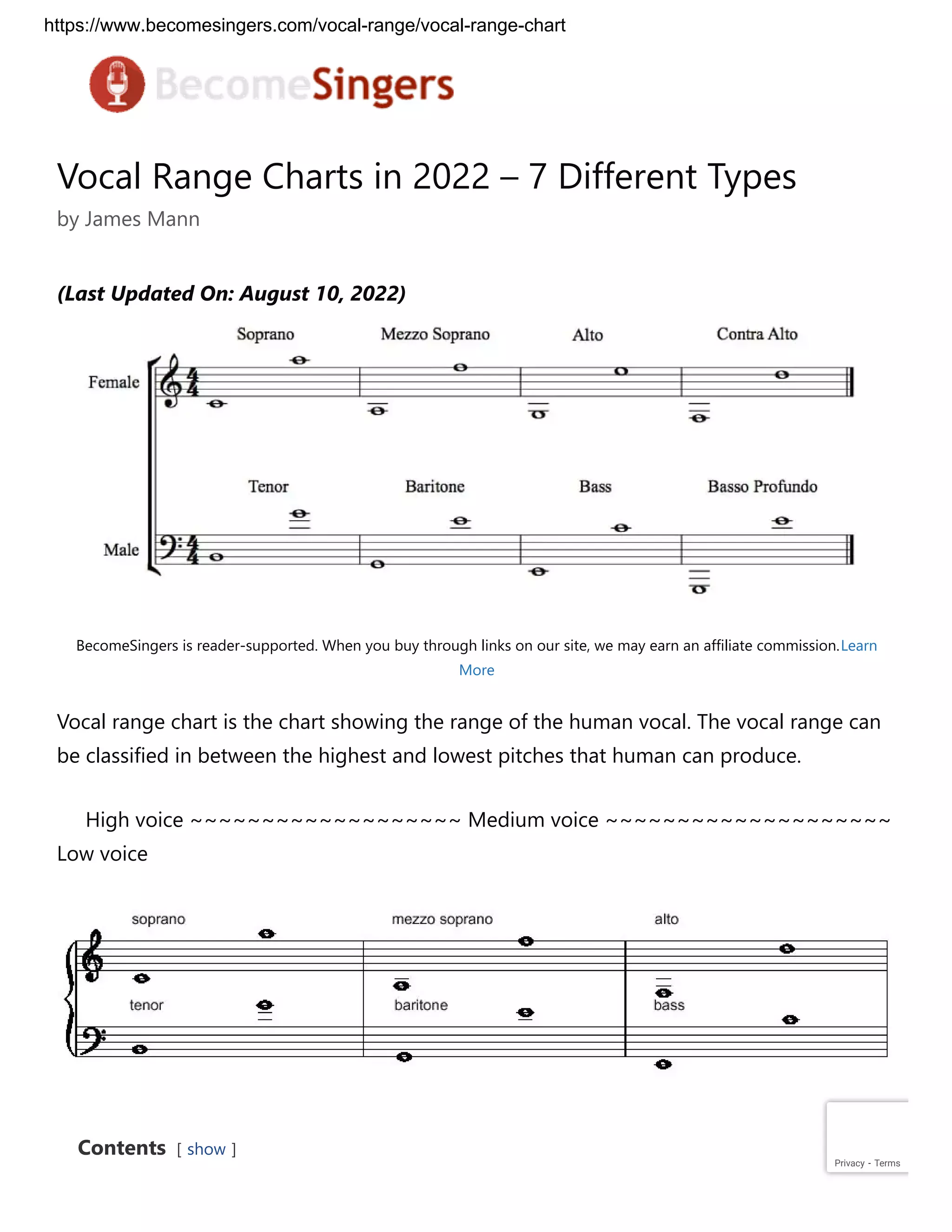
James Brown possessed a versatile vocal range spanning approximately three and a half octaves, typically measured from E2 to C6. While classified as a baritenor, his legendary status relied less on traditional melodic phrasing and more...
James Brown possessed a versatile vocal range spanning approximately three and a half octaves, typically measured from E2 to C6. While classified as a baritenor, his legendary status relied less on traditional melodic phrasing and more on his revolutionary use of percussive screams, rhythmic grunts, and a highly controlled falsetto register.
Contents
James Brown’s impact on music is often measured by his choreography and his role in inventing funk, but his vocal architecture was the foundation of his "Hardest Working Man in Show Business" persona. To understand the James Brown vocal range, one must look beyond simple note-counting and examine the physiological and technical ways he manipulated his voice to act as a rhythmic instrument.
In 2026, musicologists and vocal coaches continue to study Brown’s recordings as a masterclass in vocal endurance and "grit" technique. His ability to transition from a gravelly, low-end baritone growl to a piercing, glass-shattering soprano scream without damaging his vocal cords for decades remains a subject of intense interest.
Defining the Range: The Octaves of a Legend
James Brown’s vocal range is most accurately described as a baritenor. This means his natural speaking voice and comfortable singing "tessitura" sat between the baritone and tenor ranges. However, his functional range—the notes he could actually perform on stage—was significantly wider than a standard choral singer.
The Low Register (E2 - G3)
While many associate Brown with high-energy shouting, his early gospel-influenced work and later "spoken-word" funk tracks showcased a resonant low-end. In tracks like "It's a Man's Man's Man's World," Brown utilizes the lower third of his range to provide a somber, weighty foundation. His ability to hit notes as low as E2 allowed him to deliver a sense of authority and gravitas, which served as a necessary contrast to the explosive highs that usually followed.
The Mid-Range and "The Soul Bark" (A3 - A4)
The middle of Brown's range is where his most iconic rhythmic work occurred. This is the area of the "Soul Bark"—a percussive, staccato delivery where he would truncate words to emphasize the "one" (the first beat of a measure). In this register, Brown employed significant vocal distortion or "grit." Unlike untrained singers who might strain their larynx to achieve this sound, Brown used a technique involving the false vocal folds, allowing him to sound "raspy" without losing his ability to hit clean notes later in the set.
The Upper Register and Falsetto (B4 - C6)
This is the "shriek" territory that defined the Godfather of Soul. James Brown’s ability to reach into the 5th and 6th octaves was not merely a feat of pitch but of power. His famous scream in "I Got You (I Feel Good)" hits a high B4/C5 with incredible chest-voice resonance, while his higher-frequency "howls" often broke into a reinforced falsetto that could reach as high as C6.
Technical Breakdown of Iconic Vocal Performances
To see the James Brown vocal range explained in practice, one must look at specific recordings that highlight his transitions between registers.
| Song Title | Key Vocal Feat | Estimated Range Used |
|---|---|---|
| "Please, Please, Please" | Gospel-style melisma and triplet phrasing | G2 - A4 |
| "I Got You (I Feel Good)" | The iconic opening scream and staccato delivery | D3 - B4 |
| "It's a Man's Man's Man's World" | Wide dynamic shifts from whisper to roar | E2 - C5 |
| "Cold Sweat" | Rhythmic grunting and "the scream" | G3 - A5 |
| "Get Up (I Feel Like Being a) Sex Machine" | Percussive ad-libs and call-and-response | F3 - G4 |
The Mechanics of "The Scream"
The most analyzed aspect of James Brown’s voice is undoubtedly his scream. Technically, these were often glottal attacks—sudden bursts of air that created a sharp, immediate sound. In many cases, Brown was utilizing a "head voice" or "reinforced falsetto."
What made his screams different from those of rock singers like Ian Gillan or Robert Plant was the rhythmic placement. Brown’s screams were rarely melodic flourishes; they were punctuations. He used his vocal cords as if they were a snare drum or a brass section. By rapidly constricting and releasing his throat muscles, he could produce "stabs" of sound that perfectly aligned with the horn sections of the J.B.'s.
According to research into African-American vocal traditions, this style draws heavily from "the holler," a vocal technique used in field songs and gospel music to project over long distances or loud instruments. Brown modernized this, turning the holler into a high-fidelity funk tool.
Vocal Endurance and Technique Longevity
One of the most remarkable aspects of James Brown’s vocal history is the longevity of his instrument. Throughout the 1960s and 70s, Brown performed hundreds of shows a year, often doing multiple sets a night. Most singers who utilize that much rasp and high-frequency screaming would develop vocal nodules within years.
Brown’s secret lay in his breath control. He was an athlete on stage. His dance moves required a high level of cardiovascular fitness, which in turn supported his diaphragm. By maintaining a strong "column of air," he was able to take the pressure off his delicate vocal folds. Even as he aged into the 1990s and 2000s, while his upper range narrowed slightly, the "grit" and power of his mid-range remained largely intact.
Influence on Other Vocalists
James Brown’s vocal range and style paved the way for several generations of singers. His influence is a straight line to:
- Michael Jackson: Jackson famously emulated Brown’s rhythmic "hiccups" and percussive grunts, though Jackson’s voice was naturally higher and lighter (a lyric tenor).
- Prince: Prince took Brown’s falsetto screams and integrated them into a wider, more experimental multi-octave range.
- Mick Jagger: Jagger has frequently cited Brown as his primary influence for stage presence and vocal "attitude" rather than pure melodic singing.
- Modern Soul Artists: Singers like Anderson .Paak and Bruno Mars continue to use Brown’s "staccato" vocal style to drive modern funk arrangements.
Common Myths About James Brown's Voice
There is a common misconception that James Brown "couldn't sing" in the traditional sense. This is often fueled by his later funk hits, which are almost entirely rhythmic. However, early recordings like "Try Me" (1958) prove that he had a rich, velvety baritone-tenor voice capable of smooth, intricate crooning.
Another myth is that his screams were random. On the contrary, if you listen to live recordings, such as the legendary Live at the Apollo (1963), you can hear that his vocal ad-libs were meticulously rehearsed. He knew exactly which note he was going to hit to match the key of the band, even when it sounded like a wild, spontaneous outburst.
Frequently Asked Questions
What was James Brown's highest recorded note?
James Brown frequently hit notes in the 5th octave (C5 to C6). While some live recordings feature "whistle-tone" style shrieks that may technically register higher on a tuner, his highest controlled musical notes generally peaked around C6.
Was James Brown a tenor or a baritone?
Technically, he is classified as a baritenor. He had the depth and weight of a baritone (demonstrated in his spoken-word segments and low-range ballads) but the "tessitura" or comfortable singing zone of a tenor.
How did James Brown scream without losing his voice?
Brown used "false cord" activation and significant diaphragmatic support. This allowed him to create the sound of vocal distress (rasp/screaming) without actually causing the physical friction that leads to vocal fold damage.
Did James Brown have a 4-octave range?
While a 4-octave range is often claimed by fans, his functional musical range was closer to 3.5 octaves. To reach 4 octaves, a singer usually needs a very developed sub-bass or a whistle register, neither of which were primary features of Brown's recorded output.
How did his vocal range change as he got older?
Like most singers, Brown's voice deepened as he aged. In the 1980s and 90s, he relied more on his "husky" baritone qualities and used his high screams more sparingly. However, his rhythmic timing—his "vocal pocket"—never diminished.
Recommended Next Actions for Aspiring Vocalists
If you are looking to emulate the James Brown style, do not start with the screams. Focus on his rhythmic timing first.
- Practice Rhythmic Breathing: Learn to "grunt" from the diaphragm, not the throat. If your throat feels sore, you are doing it incorrectly.
- Study the "One": Listen to "Papa's Got a Brand New Bag" and practice hitting the first beat of every measure with a vocal "stab."
- Vocal Distortion Training: Work with a vocal coach who specializes in "extreme vocals" or soul grit to learn how to add rasp safely using your false vocal folds.
- Listen to the Roots: Study the gospel singers of the 1940s and 50s, such as Claude Jeter or Archie Brownlee, to see where James Brown learned his high-register "shouting" technique.
Image Gallery