Why Glen Powell’s Vanity Fair Feature Signaled a New Era for Hollywood
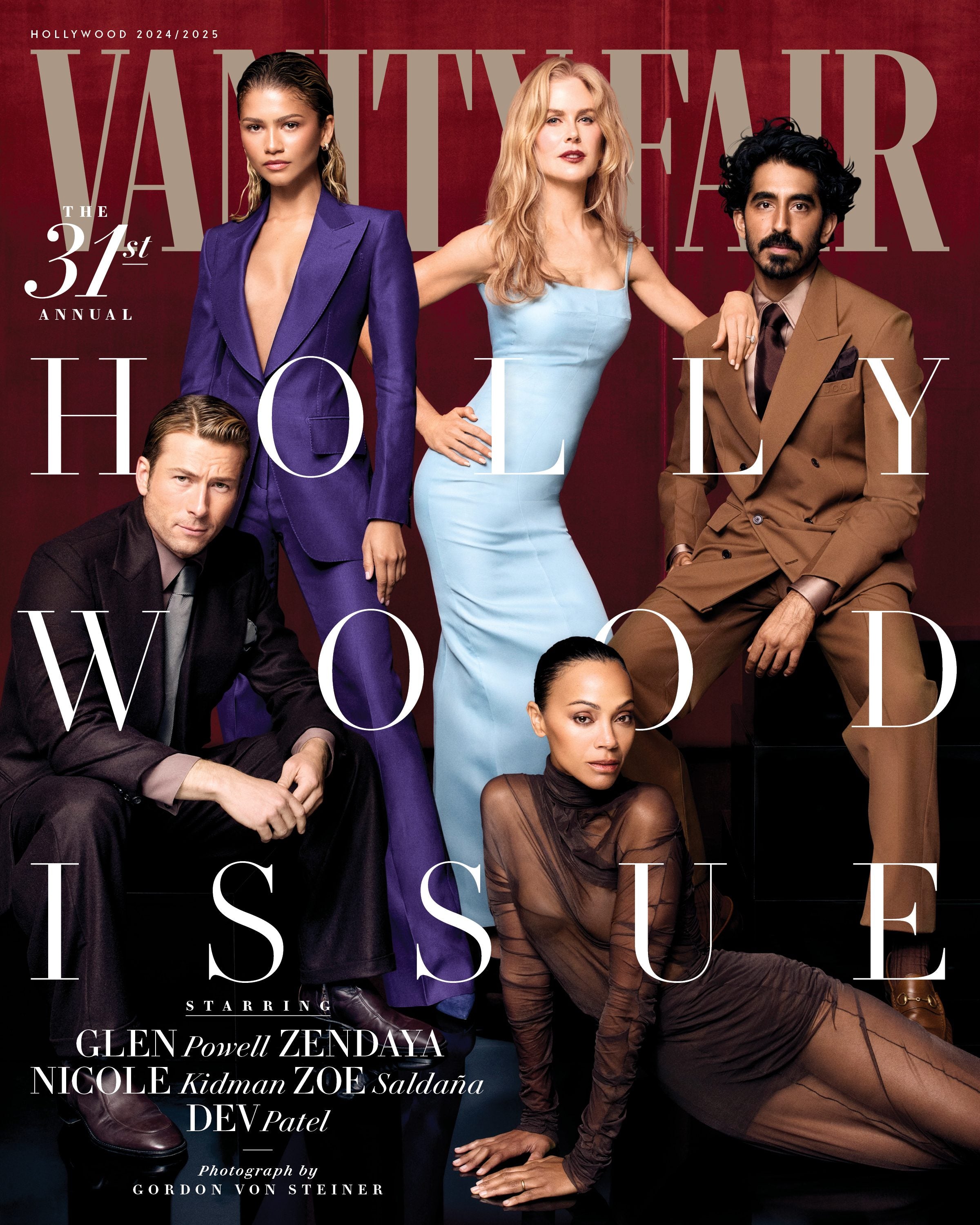
Glen Powell’s prominence in the 2024 Vanity Fair Hollywood Issue, and his subsequent solo features, marked a critical turning point in the industry’s search for the "next great movie star." It validated a shift away from franchise-excl...
Glen Powell’s prominence in the 2024 Vanity Fair Hollywood Issue, and his subsequent solo features, marked a critical turning point in the industry’s search for the "next great movie star." It validated a shift away from franchise-exclusive fame toward charismatic, personality-driven leading men capable of anchoring original theatrical releases.
Contents
The Cultural Significance of the Vanity Fair "Anointment"
In the landscape of entertainment journalism, a featured spot in Vanity Fair—specifically within the annual Hollywood Issue—is more than a standard press junket. It functions as an industry-wide "anointment." For Glen Powell, the 2024 feature arrived at a moment when the film industry was grappling with a perceived vacuum of leading men who could command a box office without the help of a superhero mask or a pre-existing intellectual property (IP).
The feature mattered because it codified Powell’s transition from a reliable supporting player in films like Hidden Figures and Top Gun: Maverick to a definitive A-list protagonist. Historically, Vanity Fair has used its high-fashion editorial lens to identify the actors who will define the next decade of cinema. By positioning Powell alongside established titans and the most promising newcomers, the publication signaled to studios and audiences alike that the "Texan Charmer" archetype was once again a viable commercial engine.
Looking back from 2026, we can see that this feature was the "proof of concept" for the industry. It allowed Powell to articulate a specific philosophy of stardom: one rooted in old-school professionalism, a deep respect for the theatrical experience, and a willingness to engage in the "spectacle" of being a celebrity. This transparency about his ambitions helped bridge the gap between the elusive stars of the 1990s and the hyper-accessible influencers of the current era.
Reclaiming the "Movie Star" Title in a Franchise World
For the better part of the 2010s and early 2020s, Hollywood struggled with the "Death of the Movie Star." The prevailing wisdom suggested that the character (Spider-Man, Batman, James Bond) was the draw, not the actor playing them. Glen Powell’s Vanity Fair coverage directly challenged this narrative by emphasizing his individual magnetism and "everyman" appeal.
The feature highlighted a specific trajectory that had become rare. Unlike many of his peers who climbed the ranks through the Marvel Cinematic Universe or high-fantasy television, Powell’s rise was built on mid-budget successes and high-concept originals. The success of Anyone But You—a film that defied the "streaming-only" fate of modern rom-coms—was a primary focus of the discourse surrounding his feature. It proved that a star’s chemistry and public persona could still drive millions of people to physical theaters.
By the time the feature circulated, Powell had already demonstrated a unique ability to collaborate with legendary directors like Richard Linklater (Hit Man) and Joseph Kosinski. Vanity Fair captured the essence of this "director’s actor" quality, showing that Powell wasn't just a face, but a producer and writer who understood the mechanics of storytelling. This multifaceted approach to the craft is what the 2024 feature truly celebrated, marking him as a successor to the likes of Tom Cruise and Matthew McConaughey.
The "Texas to Hollywood" Narrative and Relatability
A significant portion of Powell’s Vanity Fair profile focused on his decision to move back to Texas, a move that would have been considered "career suicide" in previous decades. This narrative choice was pivotal for his brand and the broader industry's understanding of celebrity in 2026. It framed him as an outsider who succeeded on his own terms, rather than a product of the Hollywood "bubble."
The feature delved into his family life and his upbringing in Austin, grounding the high-fashion imagery with a sense of grounded realism. This juxtaposition is a hallmark of the Vanity Fair style: placing the subject in an aspirational, almost unreachable aesthetic while extracting a humanizing, relatable story. For Powell, this meant leaning into his "Golden Retriever energy"—a term often used by fans and journalists to describe his earnest, upbeat demeanor.
This relatability was not just a personality trait; it was a strategic asset. In an era where audiences often feel disconnected from wealthy elites, Powell’s Texas-centric narrative offered a refreshing alternative. It suggested that one could be a massive global star while maintaining a sense of regional identity and normalcy. This "modern traditionalist" persona became the blueprint for how stars would navigate the mid-2020s media landscape.
Analyzing the Impact on Genre Recovery
One of the most profound reasons the feature mattered was its timing relative to the "death" of the romantic comedy and the mid-budget thriller. The Vanity Fair coverage frequently cited Powell as the catalyst for the revival of these genres. By treating him with the gravity usually reserved for "serious" dramatic actors, the publication elevated the genres he championed.
| Milestone | Impact on Career & Industry | Role of Media Coverage |
|---|---|---|
| Top Gun: Maverick (2022) | Established him as a high-tier supporting actor. | Focused on physical transformation and "Hangman" charisma. |
| Anyone But You (2023) | Proven box office draw in the Rom-Com genre. | Focused on chemistry and the "return of the leading man." |
| Vanity Fair Hollywood Issue (2024) | Formal entry into the A-list "Inner Circle." | Validated his status as a multi-hyphenate (Actor/Writer/Producer). |
| Hit Man & Twisters (2024) | Cemented leading man status in action and indie-crossover. | Shifted focus to his creative control and storytelling instincts. |
| The Running Man (2025/2026) | Reimagining iconic IP through a personal lens. | Highlights his ability to carry legacy franchises without being eclipsed. |
As shown in the table above, the 2024 Vanity Fair feature acted as the connective tissue between being a "breakout star" and an "industry staple." It provided the intellectual framework for why he was succeeding: he wasn't just lucky; he was filling a specific structural need in the movie business for reliable, genre-fluid talent.
The Chemistry Factor and Modern PR
The 2024 feature also navigated the complex waters of modern PR, particularly the intense speculation surrounding his chemistry with co-stars. Rather than shying away from the "spectacle" of fame, Powell and the feature’s authors embraced it as part of the job. This honesty about the "PR machine" was revolutionary.
Powell’s willingness to discuss how he and Sydney Sweeney leaned into the rumors to promote their film showed a high level of media literacy. It signaled to the audience that he was a partner in their entertainment, not just a passive participant. This transparency actually served to strengthen his bond with fans, who appreciated being "in on the joke." Vanity Fair captured this intelligence, presenting a star who was savvy enough to manipulate the spotlight without being consumed by it.
The Evolution of the "Hollywood Issue" Legacy
To understand why this specific feature mattered, one must look at the history of the Vanity Fair Hollywood Issue. For thirty years, this issue has attempted to predict the future of the industry. In the years preceding 2024, the covers were often criticized for being too safe or for focusing on actors who lacked staying power outside of a single hit series.
Glen Powell’s inclusion—and his dominance in the editorial's internal pages—was a return to form for the magazine. It featured an actor who had "paid his dues" over a decade of work. This resonated with an audience that was tired of "overnight sensations" born from viral moments. The feature mattered because it celebrated longevity and craft over fleeting relevance. It reminded the industry that true movie stars are built through a series of intentional choices and a diverse body of work.
Long-Term Industry Implications by 2026
From our current vantage point in 2026, the ripple effects of that Vanity Fair feature are evident. It paved the way for a "New Hollywood" that values theatrical-first stars. Since then, we have seen a rise in "star-driven" marketing campaigns reminiscent of the 1990s, where the name above the title is the primary selling point.
Furthermore, Powell’s success, as highlighted by Vanity Fair, encouraged other actors to take more creative control. By discussing his writing process for Hit Man and his producing roles, he inspired a generation of talent to view themselves as entrepreneurs rather than just performers. The feature wasn't just a profile; it was a manifesto for the modern actor-producer.
FAQs
Why was Glen Powell on the 2024 Vanity Fair Hollywood Issue cover? He was selected because 2023-2024 marked his definitive ascent into the A-list. Following the massive success of Top Gun: Maverick and the unexpected box office dominance of Anyone But You, Powell became the face of the "theatrical revival," making him an essential inclusion for the magazine’s annual look at industry leaders.
How did the Vanity Fair feature change public perception of Glen Powell? It transitioned him from a "supporting actor" or "the guy from Top Gun" into a singular brand. The high-fashion photography combined with stories about his Texan roots and his creative writing process helped the public see him as a sophisticated, multi-dimensional talent rather than just a comedic or action archetype.
Did the Vanity Fair feature address the rumors about his personal life? Yes, indirectly and directly. The feature explored the nature of modern celebrity and how Powell navigates the "shipping" culture of social media. It highlighted his awareness of how chemistry is used as a marketing tool, framing him as a savvy participant in the Hollywood ecosystem.
What makes a Vanity Fair "Hollywood Issue" feature more important than other magazines? Vanity Fair’s Hollywood Issue is considered the "record of truth" for the film industry. It features world-class photography (often by Annie Leibovitz or Greg Williams) and long-form journalism that focuses on the business and legacy of cinema. Being included is seen as a permanent mark of prestige that affects an actor's "quote" (their salary per film) and their standing with top-tier directors.
Is Glen Powell considered the "last movie star"? While that title is often debated, the Vanity Fair feature made a strong case that he is one of the first movie stars of a new era. Rather than being the "last" of the old guard, he represents a hybrid model: someone who uses old-school charm and theatrical commitment combined with modern media savvy and creative entrepreneurship.
Practical Takeaway for Media Observers
For those tracking the trajectory of modern celebrity, Glen Powell’s Vanity Fair feature serves as a case study in intentional brand building. It demonstrates that even in an era of fragmented media, a single, well-executed legacy media feature can still unify a narrative and propel a career to the next level.
If you are looking to understand the current state of Hollywood, study the 2024/2025 output of Glen Powell. It represents a successful pivot back to "personality-led" cinema. The next action for fans and industry students is to observe how Powell uses this "Vanity Fair-validated" status to shepherd smaller, original projects into the mainstream—a feat that defines the true power of a movie star in 2026.
Image Gallery