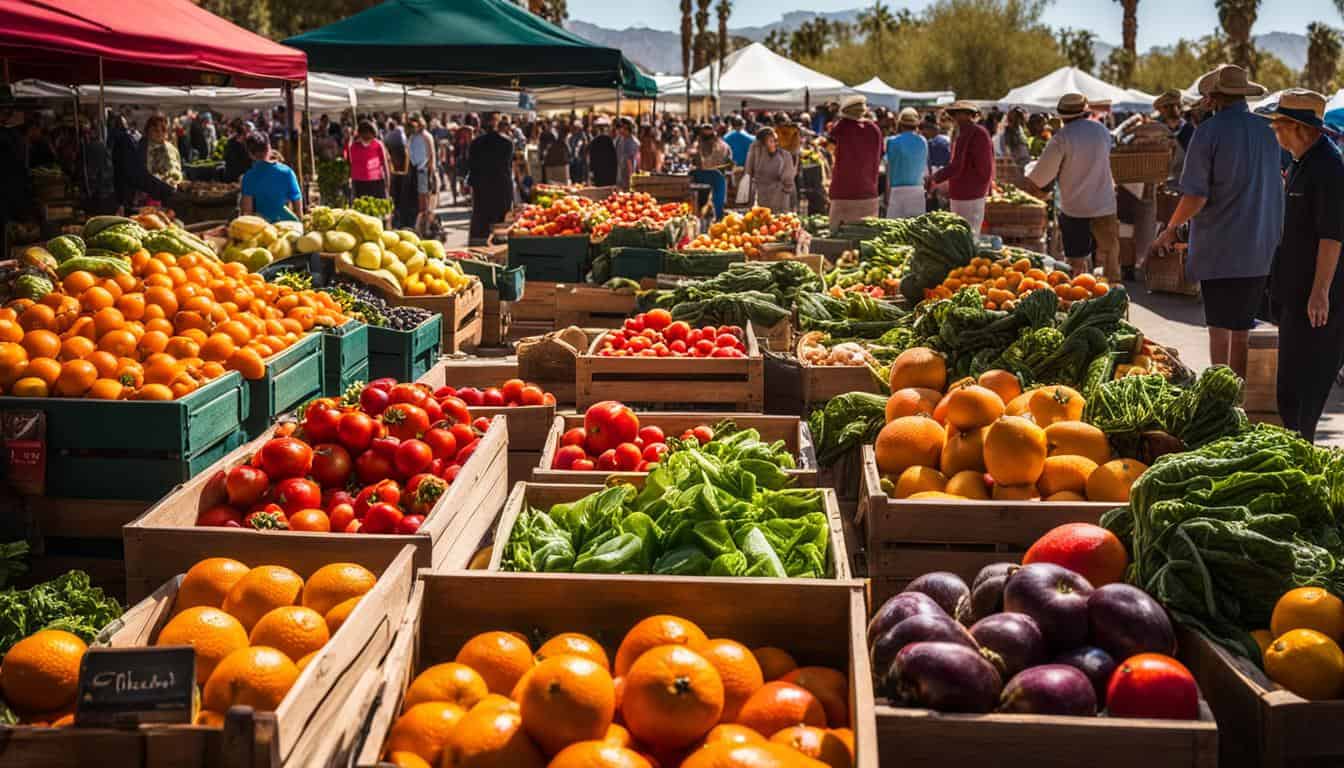
Hometown Tour: An Overview of Local Market Exploration
A hometown tour focused on local market exploration is a structured approach to discovering the economic, cultural, and social fabric of a specific community. By analyzing small business ecosystems, historical commerce districts, and c...
A hometown tour focused on local market exploration is a structured approach to discovering the economic, cultural, and social fabric of a specific community. By analyzing small business ecosystems, historical commerce districts, and community-driven marketplaces, participants gain a deeper understanding of a region’s unique identity and its capacity for future economic resilience and growth.
Contents
Defining the Scope of Local Market Exploration
To conduct a successful hometown tour, one must look beyond the surface-level aesthetics of a neighborhood and examine the underlying mechanics of its marketplace. In 2026, local market exploration has evolved into a sophisticated blend of data-driven research and boots-on-the-ground observation. It is no longer just about where to find the best coffee; it is about understanding why a specific café thrives, how it supports local supply chains, and what its presence indicates about the surrounding demographic.
The "hometown" element signifies a shift toward hyper-localism. For residents, this process involves rediscovering their environment through the lens of a visitor or an investor. For visitors, it offers an authentic deep dive into the "soul" of a place that traditional tourism often misses. The primary objective is to map the interdependencies between businesses, consumers, and the physical infrastructure that supports them.
The Economic and Social Pillars of Hometown Tours
Local market exploration rests on two primary pillars: economic vitality and social cohesion. Understanding these pillars is essential for anyone looking to engage with a community, whether they are entrepreneurs, urban planners, or curious citizens.
Economic Vitality and Micro-Economies
Local markets are the heartbeat of a town’s economy. When we explore these markets, we are looking at the "velocity of money"—how quickly currency circulates within the community before "leaking" out to global corporations. A healthy local market features a high density of independent retailers, service providers, and artisanal producers who source materials locally.
In 2026, many towns have implemented "circular economy" initiatives. Exploring these markets allows observers to see how waste from one business (like a brewery) becomes an input for another (like a local bakery using spent grain). Documenting these connections is a core component of a professional market overview.
Social Cohesion and Third Places
Markets are historically "third places"—spaces that are neither home (the first place) nor work (the second place). They are where social capital is built. During a hometown tour, an explorer should observe how people interact in these spaces. Is the market a place for quick transactions, or does it encourage lingering and conversation?
The social health of a local market often predicts its economic longevity. Markets that serve as community hubs are more resilient to digital disruption because they offer an experiential value that e-commerce cannot replicate.
A Step-by-Step Methodology for Market Exploration
A comprehensive overview of a local market requires more than a casual walk. It requires a methodology that ensures all facets of the marketplace are accounted for.
Phase 1: Digital Pre-Scouting and Data Gathering
Before setting foot on the pavement, use digital tools to understand the landscape.
- Business Density Mapping: Use geographic information systems (GIS) or modern map overlays to identify clusters of commercial activity.
- Sentiment Analysis: Review digital forums and social media to see which businesses are discussed most frequently and what the community values.
- Economic Indicators: Look at local chamber of commerce reports regarding vacancy rates and new business licenses issued in the last 12 months.
Phase 2: Physical Exploration (The Walk-Through)
The physical tour should be conducted at different times of the day and week. A market that is bustling on a Saturday morning may be a "food desert" on a Tuesday afternoon.
- Accessibility and Walkability: Note the quality of sidewalks, bike lanes, and public transit access. Markets that are difficult to reach often struggle to maintain diverse customer bases.
- Visual Merchandising and Identity: Observe the "curb appeal" of the district. Are the shopfronts maintained? Is there a cohesive aesthetic, or is it a vibrant, eclectic mix?
- Sensory Mapping: What are the sounds and smells? High-quality local markets often have a distinct sensory profile, from the smell of roasting nuts to the sound of local street performers.
Phase 3: Stakeholder Engagement
The most valuable data comes from the people who live and work in the market.
- Interviews with Business Owners: Ask about their biggest challenges and why they chose this specific location.
- Conversations with Patrons: Discover if they are locals or if they traveled specifically to visit the market. This helps define the market’s "pull factor."
Categorizing Different Types of Local Markets
Not all local markets serve the same purpose. Identifying the category of a market helps in setting expectations for the tour.
| Market Type | Primary Focus | Key Stakeholders | Typical Characteristics |
|---|---|---|---|
| Traditional Farmers' Market | Agricultural products and fresh food | Local farmers, residents, health enthusiasts | Seasonal, outdoor or semi-permanent, high morning foot traffic. |
| Historical Commercial District | Heritage, specialty retail, and tourism | Preservation societies, boutique owners | Located in older "Main Street" areas, focuses on architecture and storytelling. |
| Innovation/Maker Hubs | Artisanal goods and tech-integrated retail | Crafters, startups, young professionals | Often located in repurposed industrial spaces (warehouses), focuses on "how it's made." |
| Community Service Markets | Essential goods and public services | Government agencies, non-profits, everyday shoppers | Functional, proximity to transit, includes libraries or clinics alongside retail. |
Assessing Market Health: Red Flags and Green Lights
When providing an overview of a local market, it is important to be objective about its current status. A hometown tour should identify both strengths and areas needing improvement.
Green Lights (Positive Indicators)
- Diverse Business Mix: A healthy market doesn't rely on a single type of business (e.g., only coffee shops). It provides a mix of "need" and "want" services.
- Public Seating and Shaded Areas: These indicate that the community encourages people to stay and interact, rather than just pass through.
- Local Signage and Wayfinding: High-quality maps and signs suggest a town that is proud of its market and wants to help visitors navigate it.
Red Flags (Negative Indicators)
- High Vacancy Rates: "Toothless" streets with every other shopfront boarded up suggest high rents or low consumer confidence.
- Lack of Nighttime Activity: If a market shuts down completely at 5:00 PM, it is missing out on the evening economy and can feel unsafe or deserted.
- Over-Reliance on Chains: If the "hometown" feel is dominated by national franchises, the unique identity of the local market is at risk of being lost.
The Role of Infrastructure and Urban Planning
A hometown tour often reveals the invisible hand of urban planning. The success of local market exploration is frequently tied to how well the city supports its physical spaces. In 2026, the integration of "smart city" features—such as real-time parking availability apps and public Wi-Fi—has become a standard part of market infrastructure.
Furthermore, the concept of "tactical urbanism" is often visible during these tours. This includes temporary parklets, pop-up markets, and street closures for pedestrian-only hours. These initiatives allow a town to test how a market functions without committing to expensive, permanent changes immediately. Observing these temporary fixtures provides insight into the town's willingness to innovate and adapt to changing consumer behaviors.
Common Mistakes in Local Market Exploration
To provide a truly technical and high-value overview, one must avoid common pitfalls that lead to biased or incomplete conclusions.
- Ignoring the "Back-of-House" Operations: Don't just look at the storefront. Observe where the delivery trucks go and how waste is managed. This tells you about the logistical efficiency of the market area.
- Visiting Only During Peak Hours: As mentioned, a Saturday-only view is a skewed view. To understand the market's role in the lives of residents, you must see it during the "lull" periods.
- Overlooking Minorities and Niche Markets: Sometimes the most vibrant part of a hometown's economy is tucked away in an ethnic enclave or a side street that isn't featured on the main tourism brochure.
- Confirming Pre-existing Biases: Go into the exploration with an open mind. You might think a certain neighborhood is "declining," only to find a thriving underground art market that is actually the area's new economic engine.
Frequently Asked Questions
What is the primary goal of a local market exploration?
The primary goal is to assess the economic and social health of a community’s commerce zones. It aims to identify the unique strengths of local businesses, understand consumer patterns, and find opportunities for community engagement or investment. By taking a structured tour, one moves beyond simple consumption to active observation and analysis of the town’s functional identity.
How can small businesses benefit from being included in a hometown tour?
Small businesses benefit through increased visibility and "storytelling." When a business is highlighted as part of a market overview, its history, values, and contribution to the local economy are shared with a wider audience. This builds brand loyalty and encourages "conscious consumerism," where patrons choose to spend money at a specific location because they understand its positive impact on the community.
What tools are recommended for documenting a hometown tour in 2026?
Modern explorers use a combination of digital and physical tools. Recommended assets include mobile GIS apps for tagging locations, high-resolution cameras for documenting visual merchandising, and digital journals for recording interviews. Many also use local economic dashboards provided by municipalities to compare their real-world observations with official data on foot traffic and sales tax revenue.
How often should a local market exploration be conducted?
For the most accurate overview, an exploration should be conducted annually or bi-annually. Local markets are dynamic; they change with the seasons and shifting economic climates. Regular tours allow one to track the "evolution of place," noting which businesses have survived, which have adapted, and what new trends are emerging in the local ecosystem.
Is local market exploration suitable for tourism, or is it strictly for business?
It is highly suitable for both. While businesses use it for market research and site selection, "market tourism" has become a major trend for travelers seeking authentic experiences. Tourists today often prefer exploring a working marketplace over visiting a static museum because it provides a living, breathing look at how the local culture expresses itself through food, craft, and daily interaction.
Practical Recommendation for Your Next Tour
For those ready to embark on a hometown tour, start with a "single-street deep dive." Choose one commercial corridor in your town and spend three hours there. Divide your time: the first hour for silent observation of foot traffic, the second hour for visiting three different types of shops, and the third hour for speaking with a long-term resident or shopkeeper. This focused approach will yield more actionable insights than a broad, shallow scan of the entire city. Document your findings in a structured report to identify patterns that can help you better understand or improve your local economic landscape.
Image Gallery