The Financial Evolution of Zinedine Zidane’s Real Madrid Coaching Salary
During his tenure as the head coach of Real Madrid, Zinedine Zidane’s salary underwent significant adjustments that reflected his rising status as one of football’s most successful managers. Initially earning approximately €2.5 million...
During his tenure as the head coach of Real Madrid, Zinedine Zidane’s salary underwent significant adjustments that reflected his rising status as one of football’s most successful managers. Initially earning approximately €2.5 million per season when he transitioned from the Castilla side in 2016, his compensation climbed steadily through contract renewals. By his final stint at the Santiago Bernabéu, reports indicated his annual earnings reached between €10 million and €12 million, placing him among the highest-paid coaches in European football during that period.
Contents
The Trajectory of Zidane’s Compensation at Real Madrid
Zinedine Zidane’s managerial career at Real Madrid was defined by two distinct periods: his initial appointment in January 2016 to replace Rafael Benítez, and his return in March 2019 following the brief tenures of Julen Lopetegui and Santiago Solari. These two periods were governed by different contractual realities.
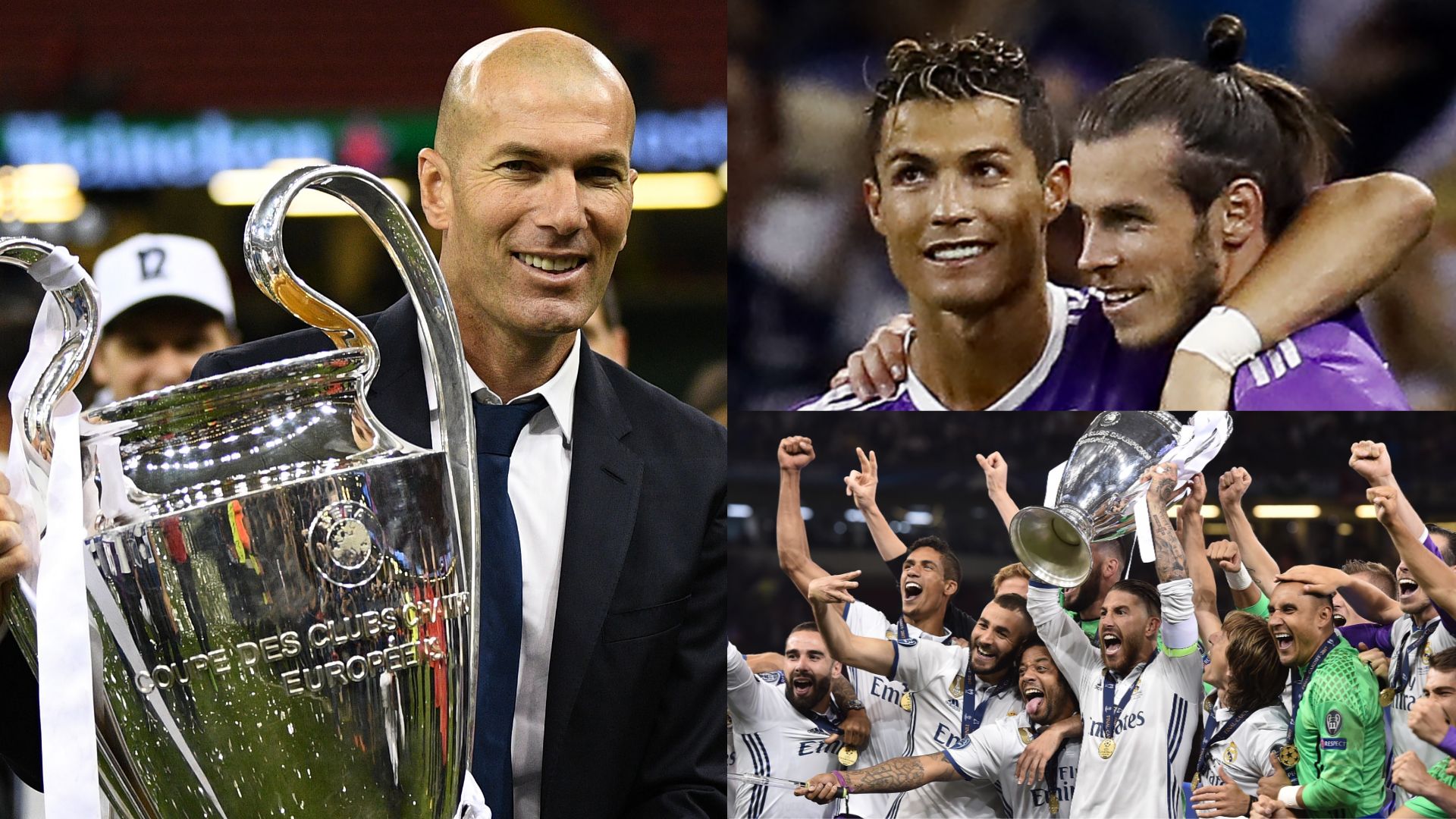
When Zidane took over the first team in 2016, he was relatively unproven at the elite senior level despite his legendary status as a player. Consequently, his starting salary was modest by the standards of a club like Real Madrid, estimated at around €2.5 million per annum. This figure was a "starter" salary that prioritized the opportunity to prove himself. As he secured unprecedented success—including three consecutive UEFA Champions League titles between 2016 and 2018—the club board, led by Florentino Pérez, renegotiated his terms to align his salary with the top tier of European managerial pay.
By the time he returned to the club in 2019, his leverage in negotiations had shifted entirely. No longer a novice, he was a proven winner. His second contract was structured to reflect his dual role as a coach and a central figure in the club’s strategic vision, resulting in a base salary that reportedly peaked in the double-digit millions.
Factors Influencing Managerial Salaries in Professional Football
The salary of a manager at a club like Real Madrid is rarely a simple fixed-wage arrangement. It is typically a complex package influenced by various performance-based incentives and market conditions. Understanding why Zidane’s salary moved from €2.5 million to over €10 million involves examining the broader economic model of elite football.
Performance Bonuses
In elite sports management, base salary is often just the starting point. Managers frequently negotiate significant bonuses tied to specific achievements. At Real Madrid, these would traditionally include:
- La Liga Title: A substantial payout for winning the domestic league.
- UEFA Champions League Qualification/Victory: Given the immense prize money involved in European competitions, managers receive "success fees" for progressing through rounds and winning the trophy.
- Domestic Cups: While often less lucrative than the league or Champions League, winning the Copa del Rey contributes to the overall compensation structure.
Commercial Value and Brand Equity
Zinedine Zidane was not just a coach; he was the primary face of the Real Madrid brand. His ability to attract high-profile talent, maintain harmony in the locker room, and represent the club in global marketing efforts provided intrinsic value to the organization. This "brand equity" grants managers like Zidane significant bargaining power. Clubs are often willing to pay a premium on base salary to ensure the retention of a manager who serves as a cultural and commercial icon for their global fanbase.
Comparison with Contemporary Peers
During the late 2010s and early 2020s, the market for top-tier managers became increasingly competitive. Figures like Pep Guardiola at Manchester City and Diego Simeone at Atlético Madrid set new benchmarks for managerial salaries, often earning well in excess of €15 million to €20 million. Zidane’s salary, while high, remained within a range that allowed Real Madrid to balance its wage bill against the constraints of Financial Fair Play (FFP) regulations while still rewarding a manager who provided consistent trophy returns.
Economic Structure of Elite Coaching Contracts
| Period | Role Context | Estimated Annual Base Salary |
|---|---|---|
| 2016–2017 | Initial Appointment (Castilla transition) | €2.5 million |
| 2017–2018 | After 1st Champions League Success | €5.5 million |
| 2019–2021 | Second Stint (Post-return) | €10 million – €12 million |
Note: Figures represent estimated annual base salaries derived from industry reports and media disclosures. Actual totals including performance bonuses may vary significantly based on contract clauses.
Technical Considerations and Contractual Complexity
When analyzing the salary of a coach like Zidane, it is important to distinguish between gross and net figures. In Spain, professional football salaries are subject to high tax brackets, often exceeding 45%. When media reports quote a "salary," it is often unclear whether the amount refers to the gross (pre-tax) or net (post-tax) earnings. For a manager at the level of Real Madrid, the gross salary is the primary figure used by the club for accounting purposes and FFP reporting.
Furthermore, these contracts often involve "image rights" components. Coaches of Zidane’s stature often have separate agreements for their likeness to be used in club-related commercial campaigns. These payments can be structured separately from the employment contract, adding another layer of complexity to determining an exact, unified "salary" figure.
Potential Challenges in Salary Estimation
Obtaining an exact figure for a private employment contract in professional football is inherently difficult. Clubs do not publicly disclose individual coaching salaries, and information often comes from "leaks" to sports media outlets. These sources may have biases or may be privy to only specific portions of a contract, such as the base salary, while overlooking supplemental income or deferred payments. Therefore, all figures regarding Zidane’s salary during his coaching years should be treated as professional estimates based on market trends rather than verified internal payroll data.
Frequently Asked Questions
Was Zinedine Zidane the highest-paid coach during his time at Real Madrid? While he was among the highest-paid, he was not consistently the absolute leader in salary globally. Managers at clubs with different ownership structures or those in the English Premier League often commanded similar or higher base salaries during the same timeframe.
Did Zidane’s salary include bonuses? Yes, standard managerial contracts at Real Madrid almost exclusively feature bonus structures. These are contingent upon winning domestic titles and progressing deep into the UEFA Champions League, which historically formed a significant portion of his total annual earnings.
Why did his salary increase so dramatically between his first and second stints? His increase was driven by his proven record of success. When he joined in 2016, he was an unproven commodity as a senior manager. By 2019, he had already secured multiple Champions League titles, shifting the negotiation balance in his favor as a world-class manager in high demand.
How does Spanish tax law affect reported coaching salaries? Spanish tax law significantly impacts the net amount a manager takes home. Because of the high top-tier tax rates, clubs often have to pay a higher gross salary to ensure the coach receives a competitive net figure, which complicates comparisons with coaches working in countries with lower tax burdens.
Next Steps for Researching Managerial Finances
For those interested in the financial side of football management, the best approach is to cross-reference data from reputable sports journalism outlets that specialize in business and finance, such as The Athletic, Forbes (for sports business profiles), and specialized European football publications like L'Équipe or Marca. These sources provide the most reliable context regarding the shifting landscape of coaching compensation and the financial health of top European clubs. Always ensure that the data is cited from reports spanning the years of the manager's actual tenure to maintain accuracy regarding the economic climate of that specific period.
Image Gallery