The Shifting Landscape of Lima Neighborhoods: Urban Evolution and Real Estate Dynamics
Lima’s urban landscape is undergoing a profound transformation, driven by shifting demographics, infrastructure expansion, and a surging demand for vertical living. From the historic core of the downtown district to coastal hubs like M...
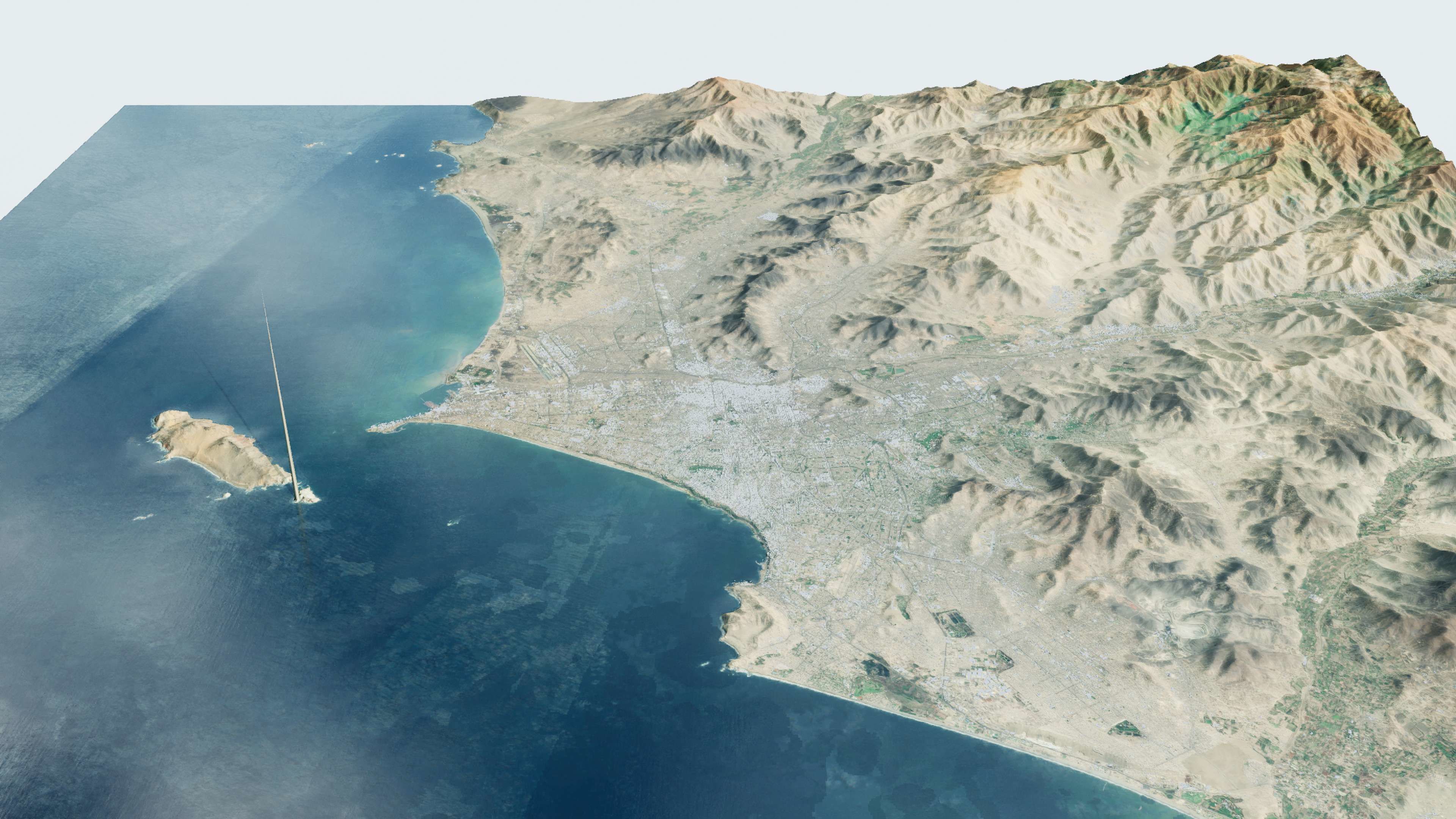
Lima’s urban landscape is undergoing a profound transformation, driven by shifting demographics, infrastructure expansion, and a surging demand for vertical living. From the historic core of the downtown district to coastal hubs like Miraflores and San Isidro, and up-and-coming zones like Surquillo and Pueblo Libre, the Peruvian capital is redefining its identity, balancing heritage preservation with modern high-density development.
Contents
Understanding the shifting landscape of Lima neighborhoods requires a close look at how zoning laws, transportation investments, and lifestyle preferences are reshaping real estate values, commercial corridors, and community structures across the metropolitan area.
The Evolution of Lima’s Urban Core and Historic Center
The historic center of Lima, designated a UNESCO World Heritage site, presents a complex picture of urban change. For decades, the central district faced challenges related to commercial congestion, infrastructural decay, and a steady out-migration of residents toward coastal suburbs. However, recent municipal initiatives and private investments have sparked renewed interest in historic regeneration.
Urban planners and heritage conservationists continually debate the balance between modernization and the preservation of colonial architecture. Mixed-use retrofitting of historic mansions into cultural spaces, apartments, and artisanal markets has brought new life into the old city center. At the same time, pedestrianization projects along historic thoroughfares like Jirón de la Unión have improved walkability and localized commerce, though the district still grapples with security and traffic management hurdles.
Traditional Coastal Hubs: Consolidation and Verticalization
The traditional high-demand coastal districts—namely Miraflores, San Isidro, and Barranco—represent the economic and social core of modern Lima. Over the past decade, these neighborhoods have experienced intense verticalization. Single-family homes on large plots are increasingly rare, replaced by boutique apartment buildings and mixed-use towers designed to accommodate young professionals, expatriates, and downsizing families.
San Isidro: The Financial and Residential Equilibrium
San Isidro remains Lima’s premier financial district, anchored by the corporate towers of Avenida Camino Real and Avenida República de Panamá. Concurrently, its residential sectors, such as Bosque El Olivar, maintain strict zoning protections that preserve green spaces and lower building heights. This creates a distinct micro-market where real estate prices command a significant premium due to the scarcity of developable land and proximity to executive hubs.
Miraflores: Tourism, Gastronomy, and Walkability
Miraflores continues to function as the epicenter of Lima’s tourism and culinary scene. The shifting landscape here is characterized by the integration of smart-city technologies, expanded bicycle infrastructure along the Malecón, and micro-apartments tailored to short-term rental markets and digital nomads. This density has boosted local retail and restaurant revenues but has also introduced challenges related to vehicular congestion and rising property acquisition costs.
Barranco: Bohemian Identity Facing Gentrification Pressures
Barranco retains its reputation as Lima’s bohemian and artistic quarter, celebrated for its colorful colonial facades, art galleries, and live music venues. However, the district faces acute gentrification pressures. Real estate developers target Barranco for high-end residential projects, driving up rental rates and displacing long-standing residents. Preserving the district's creative soul while accommodating modern infrastructure remains one of Lima's most contentious urban planning debates.
The Rise of Middle-Class and Emerging Districts
As prime coastal land becomes cost-prohibitive, growth has accelerated outward and inward into established middle-class districts. Neighborhoods such as Pueblo Libre, Jesús María, Lince, and Surquillo are experiencing a massive influx of real estate investment, transforming them into high-density residential zones.
| District | Primary Urban Driver | Typical Housing Typology | Market Appeal |
|---|---|---|---|
| Jesús María | Central location, parks, and hospital proximity | High-rise apartments (15–20 floors) | Young families and medical professionals |
| Pueblo Libre | Traditional community feel, museums, and universities | Mid-rise developments and remodeled houses | Families seeking neighborhood stability and moderate pricing |
| Surquillo | Proximity to San Isidro and Miraflores (spillover effect) | Compact apartments and repurposed commercial lots | First-time homebuyers and investors |
| Lince | Central geographic connectivity and transit access | High-density vertical towers | Commuters and urban professionals |
Surquillo: The Quintessential Spillover Market
Surquillo exemplifies the shifting dynamics of Lima's secondary real estate markets. Historically viewed as an industrial and working-class district adjacent to affluent San Isidro and Miraflores, Surquillo has transformed into a prime target for real estate developers. Buyers priced out of coastal districts find Surquillo attractive due to its strategic location. This transition has revitalized commercial streets like Calle Tnte. A. Ruiz and modernized traditional markets, though it has also accelerated property tax increases for legacy residents.
Pueblo Libre and Jesús María: The Family-Centric Vertical Boom
Pueblo Libre and Jesús María offer a different trajectory, blending abundant green spaces, established educational institutions, and civic amenities. Municipal regulations in these districts have encouraged medium-to-high density residential projects that appeal to middle-class families. The development of parks, bike lanes, and commercial strip malls has enhanced the walkability and livability of these areas, making them reliable indicators of broader metropolitan economic health.
Infrastructure as a Catalyst for Neighborhood Transformation
Urban mobility projects play a decisive role in reshaping Lima's real estate map. The ongoing expansion of the Lima Metro—specifically Line 2 and the construction extensions for future lines—is fundamentally altering accessibility across the city. Neighborhoods situated near planned metro stations are seeing increased developer interest and rising land values, as transit-oriented development (TOD) becomes a central focus of municipal planning.
Furthermore, the expansion of the Metropolitano bus rapid transit system and dedicated cycling networks has reduced transit times from northern and southern Conos into the central employment hubs. However, disparities in municipal budgets and infrastructure quality between formal districts and outer peripheral zones continue to highlight structural inequalities in Lima’s urban development.
Real Estate Investment Strategies in a Changing Market
Navigating Lima’s property market requires an understanding of regulatory frameworks, zoning laws enforced by municipal governments, and macroeconomic indicators managed by the Central Reserve Bank of Peru (BCRP). Investors and homebuyers must evaluate several critical factors:
- Zoning Restrictions: Municipalities enforce strict height and land-use regulations. Verification of urban parameters (certificado de parámetros urbanísticos y edificatorios) is mandatory before purchasing land or older properties for redevelopment.
- Rental Yields vs. Capital Appreciation: Coastal districts like Miraflores offer strong short-term rental yields driven by tourism, whereas emerging districts like Pueblo Libre and Surquillo often present better long-term capital appreciation potential due to urban renewal.
- Financing Conditions: Mortgage rates denominated in both Peruvian Soles (PEN) and US Dollars (USD) fluctuate according to domestic and international monetary policies. Buyers must assess currency risk if earning in soles while taking on dollar-denominated debt.
Frequently Asked Questions
Which Lima neighborhoods are currently seeing the fastest real estate growth?
Surquillo, Jesús María, and parts of Pueblo Libre are experiencing the fastest growth in residential density and construction volume. This is primarily driven by their strategic locations near traditional business centers and more accessible price points per square meter compared to Miraflores or San Isidro.
How is the Lima Metro influencing property values?
The expansion of the Lima Metro infrastructure significantly boosts land values and commercial demand within walking distance of designated stations. Transit-oriented development policies are encouraging high-rise residential projects near major transit hubs, reducing reliance on private vehicular transport.
Is it better to invest in coastal districts or emerging middle-class zones?
Coastal districts offer stability, high liquidity, and robust tourism-driven rental demand, but require higher initial capital. Emerging middle-class zones offer lower entry costs and higher potential for capital appreciation as urban renewal projects improve local infrastructure and safety.
What are the main challenges facing Lima’s urban development?
Key challenges include traffic congestion, inadequate public transport integration outside major corridors, seismic vulnerability, and the informal expansion of housing in peripheral hillsides lacking basic water and sanitation services.
How do municipal regulations affect property redevelopment in historic areas?
Historic districts like Lima's Cercado and parts of Barranco are subject to strict oversight by the Ministry of Culture and municipal heritage boards. Renovating or rebuilding properties requires specialized permits to preserve original facades and architectural integrity, which can extend project timelines and increase construction costs.
Conclusion and Next Actions
Lima’s shifting neighborhood landscape reflects a city in transition, balancing the pressures of modernization, population growth, and housing demand. For prospective homeowners, real estate investors, and urban researchers, success in this market depends on careful analysis of municipal zoning laws, transit access, and neighborhood-specific economic trends. Before committing capital, consult official municipal urban planning offices, verify property titles through SUNARP (Superintendencia Nacional de Registros Públicos), and assess long-term infrastructure plans to align your real estate strategy with Lima's ongoing metropolitan evolution.
Image Gallery