Frozen Juice Discontinuation Explained: Why Concentrate Is Vanishing from Aisles
The widespread discontinuation of frozen juice concentrates is driven by a fundamental shift in consumer preference toward refrigerated "Not From Concentrate" (NFC) options, the high energy costs of maintaining retail freezer space, an...
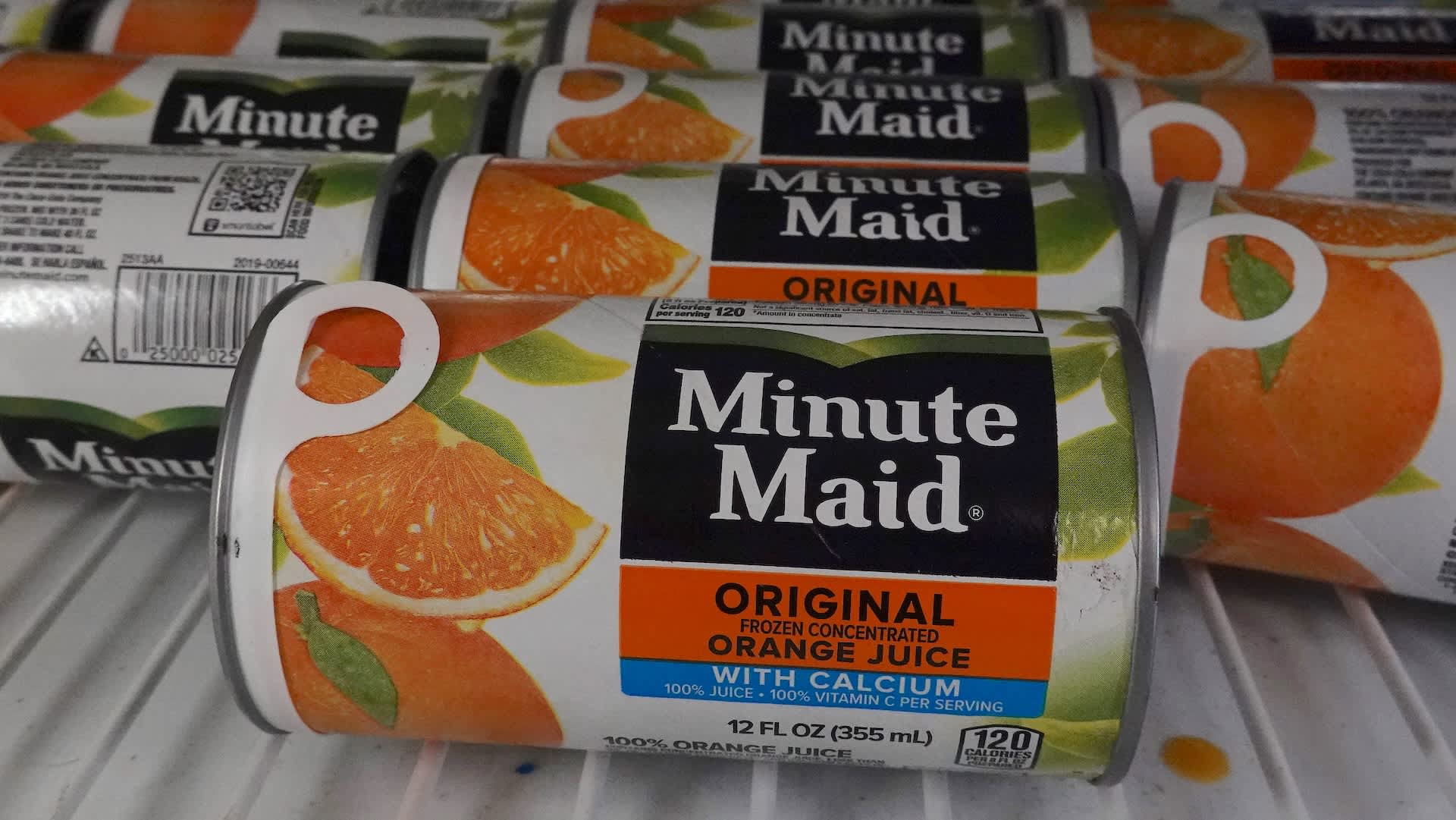
The widespread discontinuation of frozen juice concentrates is driven by a fundamental shift in consumer preference toward refrigerated "Not From Concentrate" (NFC) options, the high energy costs of maintaining retail freezer space, and a logistical move by major brands like Minute Maid and Welch’s to prioritize ready-to-drink formats.
Contents
For over half a century, the frozen juice canister was a ubiquitous symbol of the American breakfast table. However, as we move through 2026, many shoppers find the once-crowded freezer sections of their local supermarkets nearly devoid of the classic 12-ounce cylinders. This shift did not happen overnight; it is the result of a multi-decade transformation in food technology, retail economics, and changing definitions of "freshness." Understanding why frozen juice has been largely discontinued requires looking at the intersection of supply chain logistics, consumer psychology, and the competitive landscape of the beverage industry.
The Evolution of Juice Processing: From Freezer to Fridge
To understand the discontinuation, one must first understand what frozen concentrate is. Developed in the 1940s as a way to provide Vitamin C to troops during World War II, the process involves evaporating the water from juice under a vacuum, leaving a thick, syrupy concentrate that is then flash-frozen. This method significantly reduced shipping weights and extended shelf life, making juice an affordable staple for the middle class.
By the early 2000s, the market began to pivot. The rise of "Not From Concentrate" (NFC) technology allowed brands like Tropicana and Simply Orange to pasteurize juice and store it in massive aseptic tanks without removing the water content. Although NFC juice is often more expensive to ship due to its weight, consumers began to perceive it as a "premium" and "fresher" product compared to the "processed" nature of frozen concentrate.
The Consumer Preference Shift
Modern consumers prioritize convenience and perceived health. Reconstituting a frozen can—finding a pitcher, measuring the water, and stirring—is increasingly seen as a "friction point" in busy morning routines. Ready-to-drink (RTD) cartons can be poured directly into a glass, fitting the "grab-and-go" lifestyle that has dominated the 2020s.
Furthermore, the "clean label" movement has penalized frozen concentrates. While many frozen juices contain no added sugars, the word "concentrate" itself became associated with "ultra-processed foods" in the minds of many shoppers. This branding hurdle made it difficult for legacy brands to maintain the same price premiums they could command for refrigerated carafes.
Retail Economics and the Battle for Freezer Space
In the grocery industry, "slotting" is the practice of manufacturers paying for shelf space. In 2026, the economics of the frozen food aisle are more competitive than ever. Freezer real estate is the most expensive square footage in a grocery store due to the electricity costs required to maintain sub-zero temperatures.
Retailers constantly analyze "velocity"—how fast a product moves off the shelf. As sales of frozen juice began to dwindle, grocery chains began reallocating that freezer space to high-growth categories like plant-based meat alternatives, high-protein frozen breakfasts, and premium ice creams. When a product’s velocity drops below a certain threshold, it is discontinued to make room for more profitable items.
The Impact of Private Labels
As major national brands like Welch's and Minute Maid scaled back their frozen production, many retailers replaced them with private-label (store brand) versions. However, even these are disappearing. The manufacturing plants required to produce the specific spiral-wound cardboard or plastic canisters are aging, and many companies are choosing to decommission these lines rather than invest millions in upgrading technology for a shrinking market.
Major Brand Discontinuations: A Timeline of Change
Several key industry moves have defined the decline of the frozen juice category. While some products remain available in limited regions or through specific outlets, the national presence of these giants has shifted fundamentally.
- Welch’s Strategic Pivot: In the early 2020s, Welch’s began a multi-year transition to focus on shelf-stable bottled juices and refrigerated sparkling varieties. The iconic frozen grape juice concentrate, once a brand cornerstone, saw its distribution reduced to core "legacy markets" and high-volume discount retailers.
- Minute Maid’s Portfolio Optimization: Owned by The Coca-Cola Company, Minute Maid underwent a massive rebranding and portfolio optimization. The company leaned heavily into the "Simply" brand (NFC) and modernized its own refrigerated line, while quietly de-emphasizing the frozen canisters that were once its flagship.
- The Rise of Niche and Organic: While the "Big Three" juice brands moved away from frozen, smaller organic brands initially tried to fill the gap. However, by 2026, even these brands have largely transitioned to liquid "superfood" concentrates sold in the shelf-stable health food aisle, which do not require the expensive cold chain for shipping.
Comparative Analysis: Frozen vs. Refrigerated Juice
The following table outlines the key differences that have led to the current market dominance of refrigerated juices over their frozen counterparts.
| Feature | Frozen Concentrate | Refrigerated (NFC) | Shelf-Stable (Bottled) |
|---|---|---|---|
| Preparation | Requires mixing with water | Ready to drink | Ready to drink |
| Price per Ounce | Lowest (typically) | Highest | Moderate |
| Shelf Life (Unopened) | 6–12 months (frozen) | 30–60 days (chilled) | 6–9 months (ambient) |
| Perceived Quality | Moderate/Budget | Premium/Fresh | Moderate |
| Environmental Impact | Low (minimal packaging) | High (heavier shipping weight) | Moderate (plastic/glass waste) |
| Ingredient Integrity | High (frozen at peak) | Moderate (stored in tanks) | Lower (high-heat pasteurization) |
Environmental and Logistical Considerations
One of the ironies of the frozen juice discontinuation is that, from an environmental standpoint, concentrate is actually superior. Shipping concentrate means shipping significantly less water, which reduces the carbon footprint of transportation. The packaging—usually a mix of cardboard and thin metal or plastic caps—is often more efficient than heavy plastic carafes.
However, the "cold chain" requirements (keeping the product at -10°F from the factory to the store) negate some of these benefits. The energy required to keep a freezer running 24/7 in a retail environment is significantly higher than that of a standard refrigerator. As energy prices rose throughout the early 2020s, the "hidden cost" of frozen juice became a burden that many retailers were no longer willing to bear for a low-margin product.
Where to Find Frozen Juice in 2026
If you are a loyalist seeking frozen concentrate, your options are more limited than in years past, but they have not disappeared entirely. The product has moved from a "mass-market" item to a "niche" or "budget-specific" item.
- Discount Wholesalers: Stores like Costco or Sam's Club occasionally carry multi-packs of frozen juice, though they have largely shifted to shelf-stable organic juices in recent years.
- Budget Grocers: Regional budget chains (such as Aldi or Lidl) often maintain a small selection of private-label frozen concentrates because they can offer them at a price point significantly lower than refrigerated cartons.
- Institutional Sales: Frozen concentrate remains popular in hospitals, schools, and prisons because of its ease of storage and low cost per serving.
- Online Specialty Retailers: Some high-end fruit growers (particularly in Florida and the Pacific Northwest) sell flash-frozen, 100% pure concentrates directly to consumers online, though these are marketed as "gourmet" products rather than grocery staples.
Alternatives to Frozen Juice Concentrates
With the discontinuation of many traditional frozen lines, consumers have shifted to other formats that offer similar benefits without the freezer requirement.
Liquid Water Enhancers and Concentrates
Small, shelf-stable squeeze bottles (like Mio or Crystal Light) have taken over the "concentrate" market. While often containing artificial sweeteners, they provide the convenience of making a single glass of "juice" at a time. Brands like Ocean Spray have also introduced "liquid juice enhancers" made with real fruit juice but formulated to be shelf-stable after opening.
Powdered Drink Mixes
The powdered category has seen a resurgence, particularly those fortified with electrolytes or "superfood" powders like acai and pomegranate. These offer the longest shelf life and the lowest shipping impact, though the flavor profile differs significantly from traditional frozen orange or grape juice.
The Rise of "Fresh-Pressed" Subscriptions
For those who valued frozen juice for its quality, fresh-pressed juice delivery services have become a popular, albeit more expensive, alternative. These juices are often treated with High-Pressure Processing (HPP) rather than heat, preserving more of the natural enzymes and vitamins without the need for freezing.
Frequently Asked Questions
Is frozen juice healthier than refrigerated juice?
Nutritionally, frozen concentrate and refrigerated (Not From Concentrate) juices are very similar. The freezing process is an excellent way to preserve Vitamin C and antioxidants. In some cases, frozen juice may actually be "fresher" than refrigerated juice, which can be stored in aseptic tanks for months before being bottled. However, the perceived health benefits often favor refrigerated juice due to marketing.
Why did Minute Maid stop making some frozen flavors?
Minute Maid, under Coca-Cola, has optimized its portfolio to focus on high-velocity products. Flavors like Lemonade and Limeade remain popular in the frozen section because they are often used as ingredients for cocktails or recipes, whereas traditional breakfast juices like Orange and Grape have been moved to refrigerated carafes to match consumer buying habits.
Can I still find frozen orange juice concentrate in 2026?
Yes, but you may need to look at store brands (private labels) rather than national brands. Most major grocery chains still carry a "house brand" of frozen orange juice concentrate because it appeals to budget-conscious shoppers, even if they have removed the national brand equivalent.
Does frozen juice have more sugar?
Frozen concentrate does not inherently have more sugar, provided it is 100% juice. However, "frozen juice blends" or "punches" often contain added high-fructose corn syrup or sugar. Always check the label for "100% Juice" to ensure no added sweeteners are present. The sugar content in 100% concentrate, once reconstituted with the proper amount of water, is identical to that of fresh juice.
Is the packaging of frozen juice recyclable?
Recyclability depends on the construction of the canister. Older canisters made of spiral-wound cardboard with metal ends are notoriously difficult to recycle because they are "composite" materials. Many modern frozen juice containers have moved to all-plastic designs, which are more easily processed in standard recycling streams, depending on local municipal rules.
Practical Recommendation for Consumers
If you are struggling to find your preferred frozen juice, the most effective next step is to check the bottom shelf of the frozen fruit section rather than the dedicated juice aisle. Retailers have begun integrating the remaining juice concentrates with frozen smoothies and whole fruits. Alternatively, consider switching to shelf-stable liquid concentrates that use "cold-press" technology; these offer a similar flavor profile and space-saving benefit without the risk of being discontinued due to freezer-aisle economics. For the highest nutritional value, look for products labeled as HPP (High-Pressure Processed) in the refrigerated section, as these maintain the "fresh" taste that originally made frozen concentrate popular.
Image Gallery