Northwestern Mutual Pushes Life Insurance: Understanding the Strategy, Products, and Market Context
When financial services institutions pivot their sales focus toward permanent and term coverage, consumers often look to understand the underlying incentives, product structures, and strategic implications. Northwestern Mutual’s emphas...
When financial services institutions pivot their sales focus toward permanent and term coverage, consumers often look to understand the underlying incentives, product structures, and strategic implications. Northwestern Mutual’s emphasis on life insurance reflects a traditional mutual company model that prioritizes policyholder-owned insurance products as foundational tools for long-term wealth accumulation and risk management.
Contents
The Mutual Company Model and Product Focus
To understand why a major financial institution emphasizes life insurance, it is essential to examine its corporate structure. Northwestern Mutual operates as a mutual company, meaning it is owned by its policyowners rather than public shareholders. This ownership structure profoundly influences how products are developed, marketed, and serviced.
Ownership Structure and Distribution
Unlike publicly traded financial firms that must answer to quarterly earnings expectations from shareholders, a mutual company measures success through policyowner dividends and surplus retention. The distribution model relies heavily on a captive agency force—financial advisors who are contractually bound to offer Northwestern Mutual products as their primary suite of solutions.
This captive distribution network plays a direct role in how life insurance is positioned during financial planning sessions. Advisors are trained to frame life insurance not merely as a death benefit, but as a multipurpose financial asset. By integrating permanent life insurance into comprehensive plans, the institution secures long-term capital retention, which in turn supports its general investment portfolio.
Permanent Versus Term Offerings
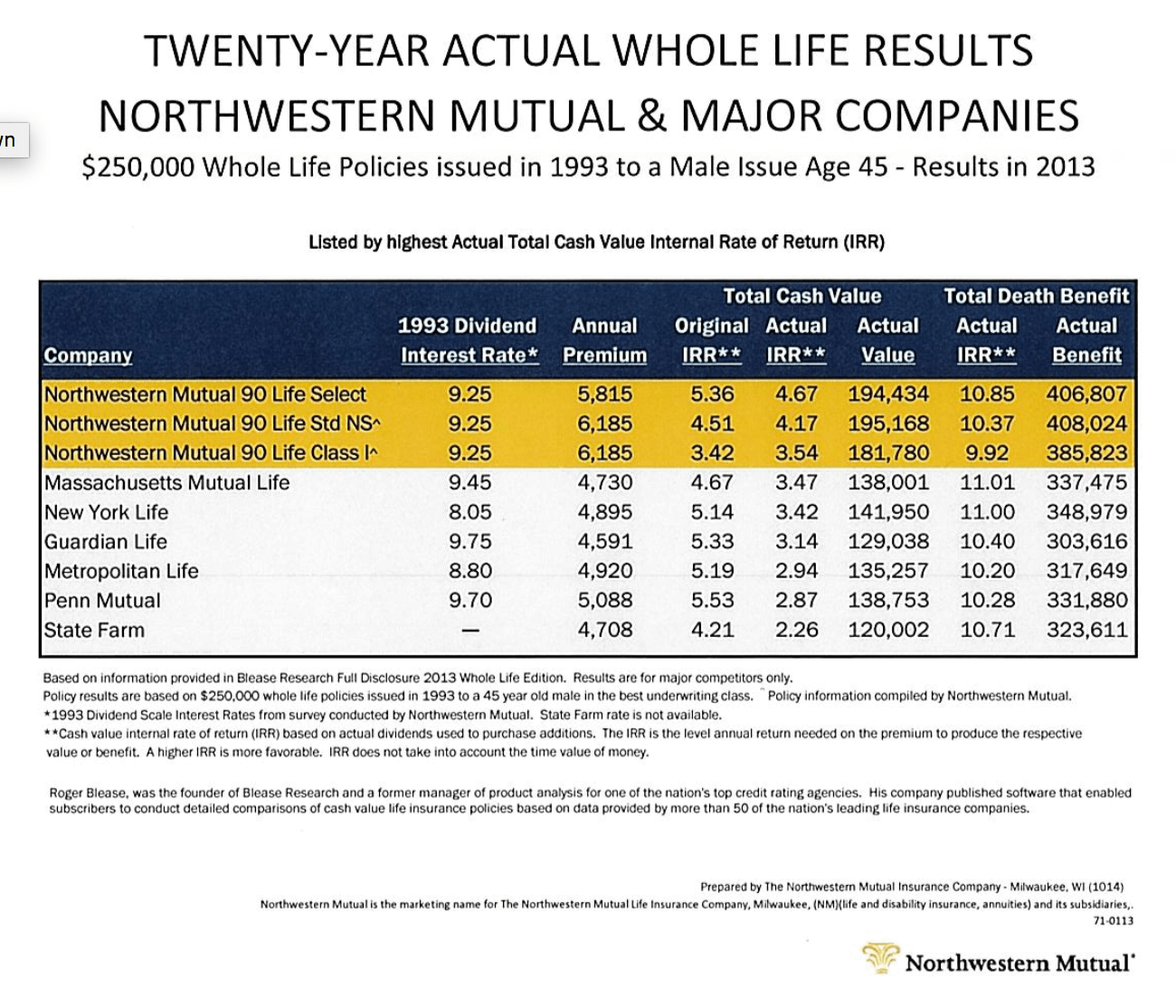
While term life insurance provides temporary coverage for a specific period at a lower initial cost, Northwestern Mutual heavily promotes permanent insurance options, such as whole life and universal life. Whole life insurance combines a guaranteed death benefit with a cash value component that grows at a guaranteed rate, supplemented by non-guaranteed dividends.
The emphasis on permanent insurance stems from several operational and consumer-facing factors:
- Capital Accumulation: Permanent policies build cash value that policyowners can access via loans or withdrawals.
- Dividend Eligibility: As participating policies, whole life contracts allow owners to share in the company’s divisible surplus through annual dividends.
- Long-Term Retention: Because whole life policies are designed to last a lifetime, they foster multi-decade relationships between the policyholder and the institution.
Financial Planning Integration
Life insurance rarely exists in a vacuum within Northwestern Mutual’s advisory framework. Instead, it is frequently integrated into holistic financial planning models that encompass retirement income, estate planning, and asset protection.
The Role of Cash Value in Wealth Management
In many comprehensive financial plans, the cash value of a permanent life insurance policy is treated as an alternative asset class. Advisors often point to the following characteristics when recommending these products:
- Tax Advantages: Cash value grows on a tax-deferred basis, and policy loans can typically be taken tax-free under current tax laws, provided the policy remains in force.
- Market Independence: Unlike equities or mutual funds, traditional whole life cash value is insulated from stock market downturns, offering a guaranteed floor for growth.
- Liquidity Options: Policyowners can tap into accumulated cash value for emergencies, business opportunities, or supplemental retirement income.
Criticisms and Alternative Perspectives
Despite the strategic integration promoted by the company, financial planners outside the mutual insurance ecosystem often debate the universal applicability of permanent life insurance. Critics frequently point out several trade-offs:
- High Initial Costs: Premiums for whole life insurance are significantly higher than term insurance for the same death benefit amount, which can strain short-end cash flow for younger buyers.
- Opportunity Cost: The returns credited to traditional life insurance cash value may underperform a disciplined, diversified portfolio of low-cost index funds over a long investment horizon.
- Complexity: Understanding the internal fees, cost of insurance charges, and dividend scale adjustments requires a high degree of financial literacy.
Evaluating Life Insurance Options
Choosing the right coverage requires weighing individual financial goals against product features. The following table compares term life insurance with the permanent options typically promoted by mutual insurers.
| Feature | Term Life Insurance | Whole Life Insurance | Universal Life Insurance |
|---|---|---|---|
| Duration | Specific term (e.g., 10, 20, 30 years) | Lifetime | Lifetime (flexible structure) |
| Cash Value | None | Yes, guaranteed growth plus dividends | Yes, tied to interest crediting or indices |
| Premium Structure | Level during term, increases upon renewal | Fixed and level for life | Flexible within contractual limits |
| Primary Purpose | Income replacement during working years | Estate planning, forced savings, lifelong protection | Flexible lifelong coverage with variable cash accumulation |
Regulatory and Consumer Considerations
When purchasing life insurance through a major mutual insurer, consumers must navigate various regulatory frameworks and contractual disclosures. State insurance commissioners regulate policy forms, solvency requirements, and agent licensing to ensure consumer protection.
Financial Strength Ratings
Because life insurance contracts are long-term promises, a company's financial stability is paramount. Independent rating agencies—such as A.M. Best, Moody's, Standard & Poor's, and Fitch—evaluate insurers based on their balance sheet strength, operating performance, and business profile. Northwestern Mutual consistently maintains high financial strength ratings from these agencies, which serves as a primary marketing point when advisors pitch permanent policies to risk-averse clients.
Professional Advice Limitations
Disclaimer: Life insurance products involve complex legal and financial commitments. Consumers should consult with independent financial advisors, tax professionals, and estate planning attorneys before purchasing permanent life insurance or altering existing coverage strategies.
Frequently Asked Questions
Why does Northwestern Mutual focus so heavily on whole life insurance?
Whole life insurance aligns with the mutual company structure, allowing the institution to build long-term capital while providing policyholders with guaranteed cash value growth and potential dividend distributions. This product also fosters long-term client relationships managed through their captive agency force.
Is the cash value in a whole life policy guaranteed?
Yes, the foundational cash value growth in a traditional whole life policy is guaranteed by the insurance carrier. However, total cash value often includes non-guaranteed elements, such as annual dividends declared by the company's board of trustees based on investment performance, mortality experience, and operational expenses.
How does permanent life insurance fit into retirement planning?
Proponents argue that permanent life insurance provides a tax-advantaged source of liquidity and an alternative asset class that is insulated from market volatility. It can be used to supplement retirement income through policy loans or withdrawals, though doing so can reduce the ultimate death benefit.
What are the main drawbacks of buying permanent insurance instead of term?
The primary drawbacks include significantly higher initial premiums, lower historical returns compared to broad-based equity markets over long horizons, and complex fee structures that can reduce early-year cash accumulation.
Can I change my term policy to a permanent policy later?
Many term policies issued by major carriers include a conversion privilege, allowing policyholders to convert all or part of their term coverage into a permanent life insurance policy without undergoing a new medical underwriting exam, subject to specific contractual timeframes.
Next Actions for Consumers
For individuals evaluating life insurance proposals, the most effective next step is to request a comprehensive policy illustration that clearly separates guaranteed values from projected non-guaranteed dividends. Comparing these projections against standalone term insurance paired with independent investment accounts can clarify whether a permanent policy aligns with your broader financial objectives.
Image Gallery