The Rise of the Belly Prom Dress: Fashion Evolution, Style Guide, and Dress Code Rules
The belly prom dress—encompassing two-piece crop-top sets, strategic midriff cutouts, and illusion sheer panels—has become one of the most significant shifts in modern formalwear. Driven by red-carpet influences, Y2K fashion revivals,...
The belly prom dress—encompassing two-piece crop-top sets, strategic midriff cutouts, and illusion sheer panels—has become one of the most significant shifts in modern formalwear. Driven by red-carpet influences, Y2K fashion revivals, and flexible tailoring, this silhouette offers high school students a customizable, fashion-forward alternative to traditional ballgowns while navigating event dress code guidelines.
Contents
Defining the Belly Prom Dress: Silhouettes and Design Variations
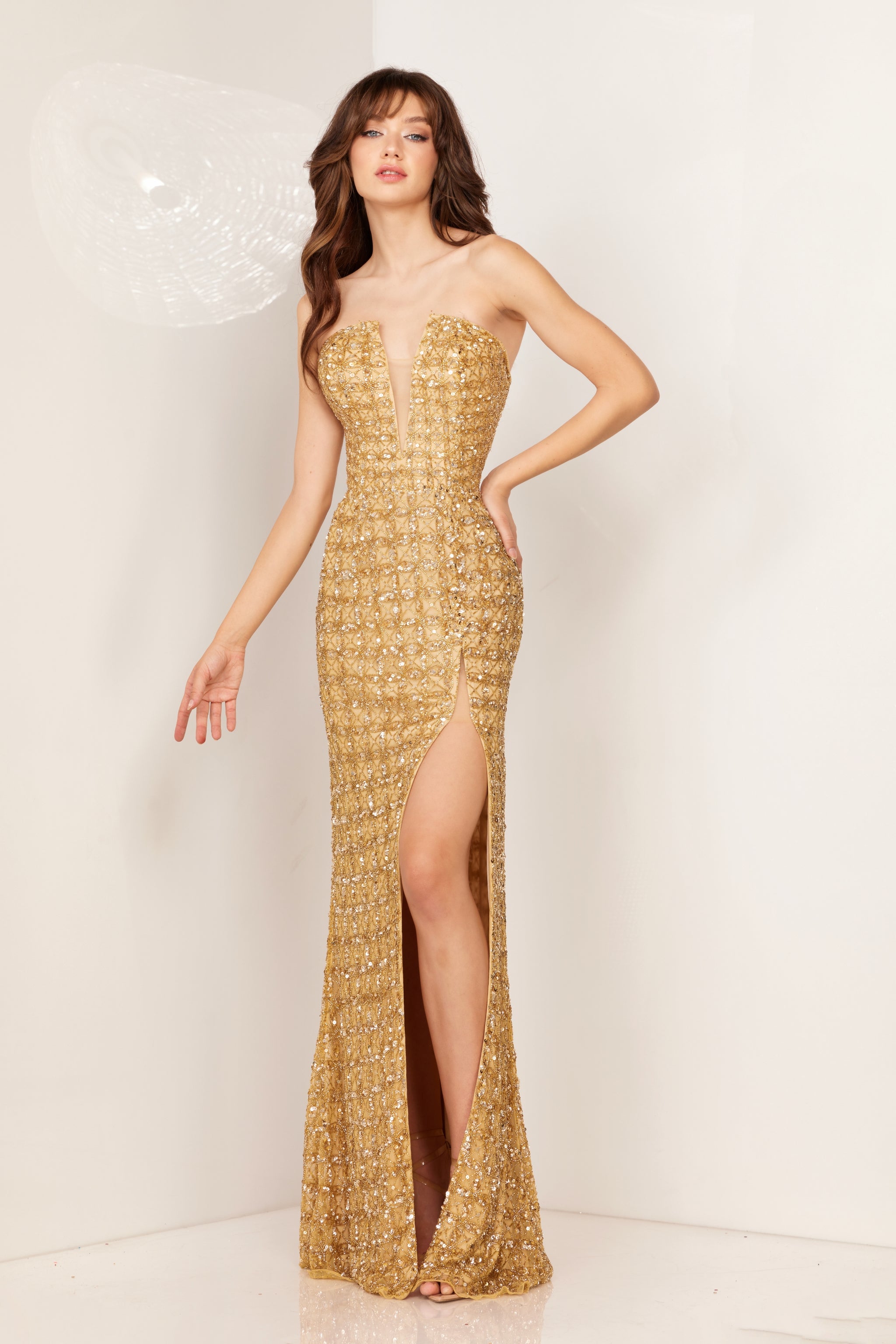
The term "belly prom dress" describes any formal gown that intentionally exposes, highlights, or frames the midriff area. Rather than a single uniform style, the aesthetic spans several distinct garment constructions, ranging from fully separated top-and-skirt combinations to structural gowns with sheer mesh windows.
- Prom Midriff Silhouettes
- Two-Piece (Crop + Skirt)
- Cutout Gown (Side/Center)
- Illusion Panel (Mesh/Tulle)
Two-Piece Prom Sets (Crop Top and Skirt)
The two-piece prom dress features a distinct separation between an embellished top—ranging from halter tops and off-the-shoulder corsets to long-sleeve crop tops—and a separate high-waisted or low-rise skirt. Because the pieces are independent, wearers can mix sizes, adjust waistband height, and customize tailoring to fit unique proportions.
Midriff Cutouts and Underbust Accents
Single-piece cutout gowns feature geometric openings around the ribs, stomach, or lower abdomen. Common variations include:
- Side-Waist Cutouts: Oval or triangular openings at the lateral waist that create an hourglass silhouette.
- Underbust Keyholes: Small windows positioned directly beneath the bustline, keeping the lower stomach covered.
- Diamond and Wrap Cutouts: Crisscross straps that wrap around the waist, exposing diamond-shaped sections of the midriff.
Illusion Mesh and Sheer Abdominal Panels
For shoppers seeking the aesthetic of an exposed midriff without bare skin, designers use skin-tone illusion tulle or sheer organza across the stomach. These panels support complex beadwork, rhinestones, or lace appliqués while securing the bodice to the skirt, satisfying strict dress code rules without sacrificing the modern look.
The Cultural and Fashion Evolution Behind Exposed Midriffs
The adoption of midriff-exposing gowns in high school formalwear represents a broader shift in youth culture, eveningwear design, and retail manufacturing.
- 1990s - 2000s: Pop Icon Red Carpets (Britney, Destiny's Child)
- 2010s: Designer Prom Launch (Sherri Hill, Jovani)
- 2020s - Present: Y2K Revival & Inclusive Sizing (Customizable 2-Piece Sets)
Red-Carpet and Music Industry Influence
The origin of belly-baring formalwear traces back to late-1990s and early-2000s music awards and gala red carpets. Iconography from pop music stars wearing matching embellishments on two-piece sets established the midriff as a centerpiece for formal glamour. Prom designers adapted these high-fashion celebrity looks for consumer production lines, replacing conservative A-line dresses with crop-top gowns.
Social Media and Digital Self-Expression
Visual platforms such as Instagram, TikTok, and Pinterest accelerated the demand for distinct, photo-ready prom attire. Two-piece sets and cutout dresses photograph with strong architectural lines, contrasting with monochrome traditional gowns. The ability to style the top and bottom separately also allowed teens to create personalized formal looks shared across digital channels.
Customization and Fit Flexibility
Traditional one-piece dresses present sizing challenges when a buyer's bust, waist, and hips align with different size chart tiers. A student with a size 4 torso and size 8 hips often faces extensive tailoring costs to alter a standard gown. Two-piece dresses solved this structural mismatch by allowing shoppers to buy separate top and bottom sizes, lowering alteration expenses and improving overall fit comfort.
Navigating High School Dress Codes and Venue Rules
While belly prom dresses remain popular, school administrators frequently enforce dress codes to regulate formal event attire. Reviewing school policies before purchasing prevents costly last-minute dress alterations or event rejection.
- Common School Dress Code Rules
- Exposed Skin Gap Maximum (e.g., 1 to 2 inches max gap)
- Navel Coverage Requirement (Navel must remain fully covered)
- Opacity Standard (Illusion panels must be opaque, not sheer)
Common Prom Dress Code Standard Policies
- The Two-Inch Rule: Many high schools restrict two-piece dress separations to a maximum gap of one to two inches of visible skin.
- The Navel Prohibition: School guidelines often state that the belly button (navel) must remain fully covered by the skirt waistband or an opaque panel.
- Backless and Cutout Limits: Some venues restrict side cutouts that extend past the mid-axillary line (the middle of the armpit down to the hip).
Practical Modesty Modifications
If a dress violates school rules, fashion tailors can modify midriff-exposing gowns using standard techniques:
- Adding Skin-Tone Lining: Sew an opaque satin or lining fabric under sheer illusion tulle to eliminate bare skin exposure.
- Attaching Modesty Panels: Insert matching lace or fabric panels between the crop top hem and the skirt waistband.
- Raising the Skirt Waistband: Add a high-waisted elastic or structured band to the skirt top to raise the waistline above the navel.
- Tacking Top to Skirt: Temporarily stitch the crop top hem to the skirt waistline to create a single-piece dress for the event, which can be unstitched later.
Fabric Selection, Garment Structure, and Tailoring
Exposing the stomach alters how a formal gown carries weight. Without a continuous center fabric panel, the top and bottom pieces rely on different structural elements to remain secure during movement.
- Two-Piece Garment Engineering
- Crop Top Stability
- Internal Boning
- Silicone Grip Strip
- Hook-and-Eye Closures
- Skirt Waist Stability
- Rigid Waistband Core
- Reinforced Hook-and-Eye
- Concealed Zipper
- Crop Top Stability
Bodice Construction and Support
Because two-piece tops cannot anchor to a full skirt, they require internal structural reinforcement:
- Flexible Boning: Vertical plastic or spiral steel boning channels prevent the top from rolling upward when seated.
- Silicone Gripper Strips: Clear silicone lining running along the interior bottom hem prevents strap-free or off-the-shoulder tops from sliding upward.
- Underbust Bands: A wide, rigid inner elastic band under the bust provides weight distribution, reducing neck strap strain on halter tops.
Skirt Engineering and Anchoring
High-waisted skirts in midriff-baring sets must hold their position without sliding down the hips:
- Non-Stretch Waistbands: Unlike everyday wear, formal midriff skirts utilize non-stretch gross-grain or canvas-lined waistbands secured with heavy-duty metal hook-and-eye closures above the zipper.
- Structural Slits: High side slits relieve tension on the waistline when sitting or dancing, preventing the waistband from digging into the stomach.
Fabric Characteristics for Midriff Designs
| Fabric Type | Stretch Level | Structure & Support | Tailoring Difficulty | Best Used For |
|---|---|---|---|---|
| Stretch Jersey | High | Low | Low | Fitted mermaid skirts, bodycon cutouts |
| Satin / Micado | Low | High | Medium to High | Structured A-line skirts, structured corset tops |
| Scuba / Neoprene | Medium | High | Low | Sculpted, smoothing crop tops and geometric cutouts |
| Lace with Illusion Tulle | Low to Medium | Moderate | High | Intricate sheer belly panels, beaded crop tops |
| Sequined Mesh | Low | Low (Requires lining) | High | Glamour two-piece sets, glittering side cutouts |
Evaluating Midriff-Baring Prom Silhouettes
Choosing the right belly prom dress depends on personal comfort, venue rules, body proportions, and movement needs.
| Silhouette Style | Midriff Exposure | Dress Code Compliance Risk | Tailoring Complexity | Ideal Body Type / Fit Need |
|---|---|---|---|---|
| High-Waist Two-Piece | Minimal (1–2 inches) | Low | Moderate (Separate sizing) | Great for long torsos and mix-and-match sizing |
| Low-Rise Two-Piece | High (3–5 inches) | High | High | Best for shorter torsos seeking an elongated look |
| Side-Waist Cutout Gown | Moderate (Sides only) | Medium | High | Creates an hourglass appearance on straight frames |
| Underbust Keyhole | Low (Upper stomach) | Low to Medium | Low | Suitable for strict dress codes wanting a subtle cutout |
| Illusion Mesh Belly Panel | Zero (Sheer coverage) | Low | High | Provides a belly-baring look with complete skin coverage |
Undergarments, Accessories, and Styling
Midriff-exposing dresses require specific undergarments and accessories to preserve clean lines and avoid visible straps.
- Midriff Styling Ecosystem
- Undergarments
- Convertible / Adhesive Bra
- High-Waist Seamless Briefs
- Body Tape / Garment Grips
- Accessories
- Delicate Necklaces / Earrings
- Minimalist Clutch
- Ankle-Strap Heels
- Undergarments
Undergarments and Shapewear Selection
- Bra Selection: Backless cutouts and sheer panels often exclude standard bras. Opt for sticky adhesive silicone cups, sewn-in bra cups, or convertible plunge bras.
- Shapewear Limits: Traditional high-waisted shapewear often extends past the midriff region, making it visible through cutouts or crop gaps. Select low-rise seamless briefs or cut-out-specific body shapers designed with low waistlines.
- Garment Tape: Professional double-sided fabric tape secures crop hems to skin, preventing unwanted shifting during dancing.
Accessory and Jewelry Balance
Because midriff cutouts and two-piece gaps create horizontal visually focal points across the midsection, accessories should remain balanced:
- Keep Torso Jewelry Minimal: Avoid long pendant necklaces that swing into the exposed midriff gap, as they can tangle or create a cluttered visual effect.
- Focus on Earrings and Bracelets: Accentuate the upper body with statement chandelier earrings, ear cuffs, or stacked bracelets.
- Shoe Selection: Pair floor-length high-waisted two-piece skirts with platform heels to prevent the skirt hem from dragging, keeping the proportion ratio balanced between upper torso, exposed waist, and skirt length.
Common Fit Issues and Troubleshooting
| Problem | Root Cause | Immediate Fix / Prevention |
|---|---|---|
| Crop Top Riding Up | Lack of inner boning or tight armholes pulling fabric upward. | Apply medical-grade double-sided garment tape along the underbust hem; sew silicone grip tape inside the lower hem. |
| Skirt Waistband Slipping Down | Skirt relies solely on stretch fabric without a rigid inner waistband. | Have a tailor add an interior non-stretch grosgrain ribbon band with a metal hook-and-eye fastener. |
| Fabric Pinching at Cutout Edges | Cutout openings are cut too small or elastic edges are too tight. | Have a tailor release the elastic seam binding around the cutout or insert a thin nude illusion panel to soften pressure. |
| Illusion Mesh Wrinkling | Sheer mesh panel is too long for the wearer's torso height. | Alter the shoulder seams upward to lift and smooth out excess mesh across the abdominal area. |
Frequently Asked Questions
Are two-piece or belly-baring prom dresses allowed at most high schools?
Rules vary by school district. Many schools permit two-piece dresses provided the gap between the top and skirt does not exceed one to two inches and the navel is fully covered by the waistband. Always consult your school's official prom dress code policy before buying.
How do I stop a two-piece prom dress top from riding up while dancing?
Use double-sided fabric tape along the inner hem of the top to attach it securely to your skin. Additionally, ensure the top includes internal boning or a silicone grip strip along the inside edge to hold it in place.
Can petite students wear a belly prom dress without looking shorter?
Yes. High-waisted two-piece skirts paired with a short crop top elevate the visual waistline, making legs appear longer. Petite wearers should avoid wide bare-midriff gaps over three inches, as large gaps can visually bisect the frame and reduce height proportions.
What shapewear works with a midriff-baring or cutout prom gown?
Standard high-waisted shapewear is usually visible under midriff cutouts. Instead, use seamless low-rise briefs, thongs, or specialized open-waist bodysuits that feature side or front cutouts tailored to match your gown's specific openings.
How much does it cost to alter a two-piece prom dress compared to a traditional gown?
Alteration costs depend on fabric type and beadwork. Two-piece dresses often cost slightly less to alter overall because hem adjustments on the skirt do not require unpicking waist seams, though hem caps and bodice bust darts can still cost between $50 and $150 depending on complexity.
Final Recommendation: Selecting the Right Midriff Design
When choosing a belly prom dress, balance your personal style preference with your school’s formalwear rules and event comfort:
- Check Dress Guidelines First: Obtain written dress code rules from your school’s event coordinator before shopping.
- Match Style to Torso Proportions: Choose high-waisted two-piece sets for a classic, leg-lengthening profile, or side cutouts for a modern hourglass silhouette.
- Prioritize Interior Construction: Look for tops with built-in cups and boning, along with skirts that feature rigid, hook-and-eye waist closures.
- Schedule Tailoring Early: Budget time for professional alterations to secure crop hems, adjust skirt waistlines, or insert modesty panels where needed.
Image Gallery