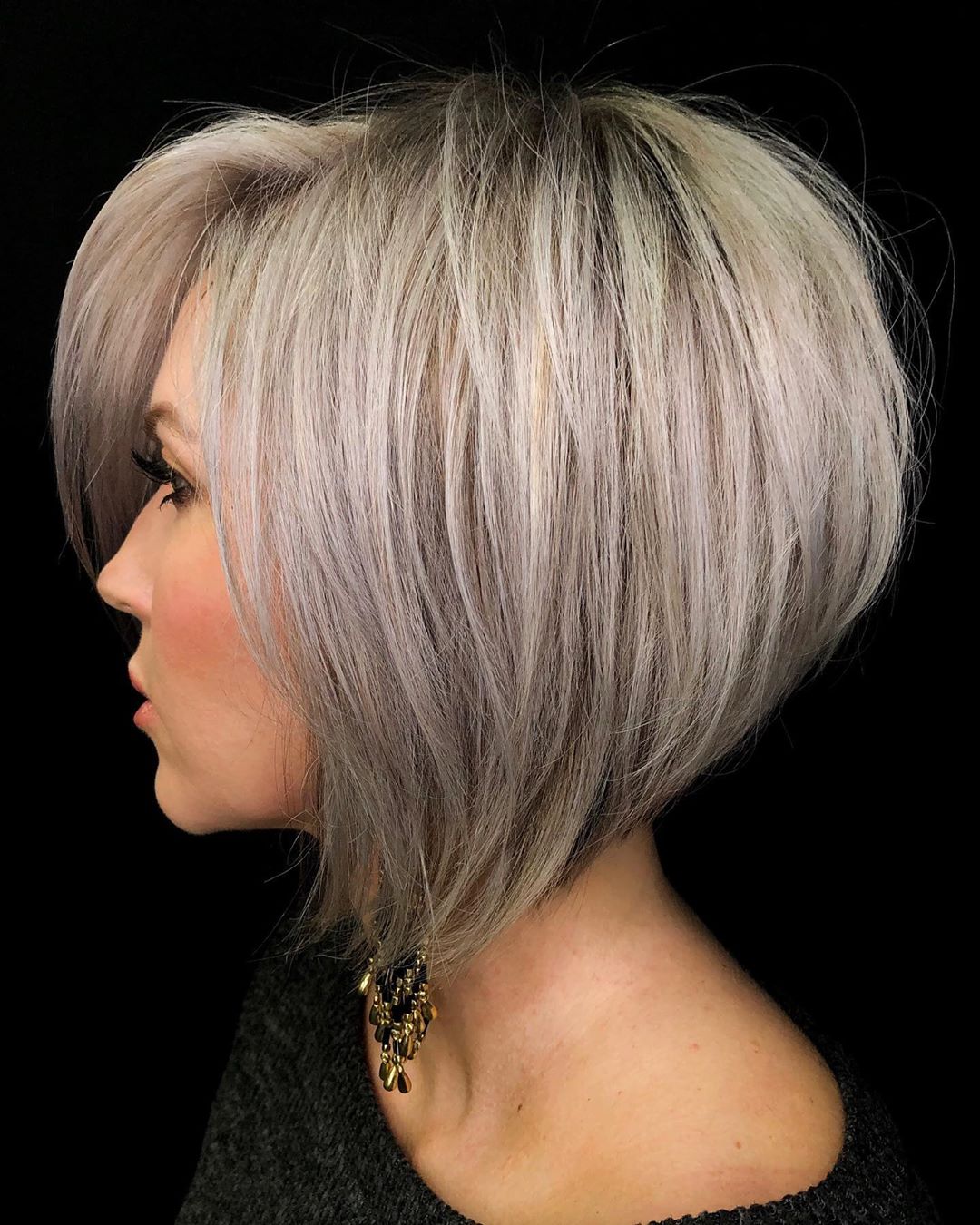
Short Layered Bob Back View: The 2026 Ultimate Styling and Cutting Guide
The short layered bob back view remains one of the most requested architectural cuts in modern hair salons for 2026. Understanding the structural geometry of the back view is essential because a short layered bob is fundamentally defin...
The short layered bob back view remains one of the most requested architectural cuts in modern hair salons for 2026. Understanding the structural geometry of the back view is essential because a short layered bob is fundamentally defined by how the nape, crown, and neckline interact. When executing or requesting this hairstyle, visualizing the back ensures proper graduation, weight line placement, and seamless blending. This comprehensive technical guide analyzes the mechanics, variations, maintenance protocols, and styling techniques required to achieve a flawless short layered bob back view.
Contents
Anatomical Breakdown of the Short Layered Bob Back View
Achieving an immaculate short layered bob requires precise control over three distinct zones in the back of the head: the nape, the occipital bone, and the crown. Each zone serves a specific structural purpose in creating volume, movement, and shape.
- The Nape Line: This is the lowest boundary of the haircut, sitting at the hairline. In a classic or stacked bob, the nape is often closely cropped or tapered to create a clean, sharp contrast with the fuller volume above. In softer, modern 2026 iterations, the nape may feature slight texturizing to prevent a harsh line of demarcation.
- The Occipital Build-Up (Stacking): Situated right at the curve of the skull, the occipital bone is where graduation is concentrated. Stylists use elevation—typically between 45 and 90 degrees—to build internal weight and stack the hair. This creates the signature rounded, voluminous profile characteristic of the classic stacked bob back view.
- The Crown and Upper Layers: Moving up toward the crown, the layers become longer or are blended seamlessly to eliminate bulk while maintaining natural movement. This prevents the haircut from looking like a helmet and introduces airy texture that responds well to modern styling products.
Popular Variations of the Back View Structure
Not all short layered bobs are constructed the same way. The chosen technique drastically alters the back silhouette, ranging from sharp and dramatic to soft and textured.
| Variation Name | Nape Treatment | Occipital Volume | Ideal Hair Texture | Primary Maintenance Requirement |
|---|---|---|---|---|
| Stacked & Inverted | Closely clipped or tapered | High, dramatic stack | Straight to Wavy | Salon trim every 4 to 6 weeks |
| Tousled Layered Bob | Softly textured and natural | Medium, diffused volume | Fine to Medium | Texturizing spray and root lift |
| Inverted Wedge Bob | Sharp, precise angle | Dense weight line | Straight and Thick | Flat ironing for sleek finish |
| Curly Stacked Bob | Natural hairline contour | Rounded and bouncy | Curly and Coily | Moisture control and diffuser styling |
Step-by-Step Cutting Technique for Stylists
Mastering the back view of a short layered bob requires a systematic approach to sectioning and elevation. Precision in the initial stages dictates how the finished shape falls against the neck and shoulders.
- Sectioning the Head: Begin by dividing clean, damp hair into a standard four-section parting. Create a center-back parting from the forehead down to the center of the nape, followed by a radial parting from ear to ear across the crown.
- Establishing the Nape Guide: Isolate a thin horizontal subsection at the nape. Comb the hair down with zero elevation and cut a straight or slightly curved guideline depending on the desired neckline finish.
- Building the Graduation: Take subsequent horizontal subsections above the nape, elevating each section progressively higher (starting at 45 degrees and increasing up to 90 degrees as you approach the occipital bone). This creates the stacked weight line that defines the back profile.
- Cross-Checking and Refining: Once the graduation reaches the crown, pull vertical sections outward and cross-check for symmetry. Point-cut the ends to soften any blunt lines, ensuring the layers melt into one another without leaving shelves or heavy ridges.
Essential Maintenance and Styling Protocols
Maintaining the crisp, clean look of a short layered bob back view requires a dedicated home-care routine. Because the back of the head is prone to cowlicks and flattening during sleep, specific styling steps are non-negotiable.
Nighttime Protection: Always sleep on a satin or silk pillowcase to minimize friction against the nape and crown. Cotton pillowcases cause rough cuticle friction, leading to frizz and flattened morning hair that requires a complete re-styling session.
- Blow-Drying for Volume: Use a small to medium round brush at the crown and occipital area. Direct the airflow downward along the nape to keep the hair lying flat and close to the neck, while lifting the hair upward and outward at the crown to maximize the stacked effect.
- Product Selection: Lightweight styling products work best. Apply a volumizing mousse at the roots of the crown before drying, and finish with a flexible-hold hairspray or a dry texturizing spray to define individual layers in the back view without weighing them down.
- Salon Upkeep Schedule: Short layered bobs lose their structural integrity faster than long cuts. Plan for regular maintenance trims every 4 to 6 weeks to keep the neckline clean and the occipital stack perfectly proportioned.
Pros and Cons of the Short Layered Bob
Evaluating the structural and lifestyle implications of this haircut helps determine if it suits your daily routine and hair type.
- Pros:
- Provides incredible natural lift and volume for fine or thinning hair.
- Offers a striking, polished profile that looks professional and modern.
- Dries and styles much faster than medium or long hair lengths.
- Keeps the neck cool and comfortable during warmer months.
- Cons:
- Requires frequent salon visits to maintain the precise shape of the back view.
- Can accentuate stubborn cowlicks or uneven hair growth patterns at the nape.
- Demands daily styling commitment to prevent flattening at the crown.
- Grows out into an awkward intermediate shape if neglected.
Frequently Asked Questions
What does a short layered bob look like from the back?
From the back, a short layered bob typically features a stacked or graduated structure at the occipital bone, creating a rounded, voluminous shape that tapers down cleanly toward the neckline. The upper layers add movement and texture, preventing the cut from looking heavy or blocky.
How often do I need to cut a stacked bob to keep the back looking sharp?
You should visit the salon every 4 to 6 weeks for a maintenance trim. Because the nape hairline grows out quickly and the stacked weight line loses its crispness, regular detailing is required to preserve the back profile.
Will a short layered bob work with fine hair?
Yes, a short layered bob is one of the best haircuts for fine hair. The graduation and stacking technique physically builds volume at the back of the head, making fine hair appear significantly denser and thicker.
How do I style the back of my bob so it doesn't flatten when I sleep?
To revive the back view in the morning, mist the root area at the crown with water or a thermal styling spray, then use a small round brush or a blow-dry brush to lift the hair upward and reset the volume.
Can this cut be adapted for curly hair textures?
Absolutely. A curly short layered bob utilizes internal shaping and tailored layering to prevent a triangular shape, ensuring the back view remains rounded, bouncy, and well-balanced without excessive frizz.
What face shapes pair best with a short layered bob?
This cut is highly versatile and flatters oval, heart, and square face shapes. The volume at the crown elongates round faces, while the angled front pieces soften strong jawlines, creating a balanced overall silhouette.
Image Gallery