Dave Chappelle's Impact on Modern Comedy: Evolution, Influence, and Legacy
Dave Chappelle fundamentally reshaped modern stand-up comedy by blending sharp social satire, racial commentary, and masterclass storytelling. Through Chappelle's Show, lucrative streaming specials, and an insistence on artistic autono...
Dave Chappelle fundamentally reshaped modern stand-up comedy by blending sharp social satire, racial commentary, and masterclass storytelling. Through Chappelle's Show, lucrative streaming specials, and an insistence on artistic autonomy, he redefined how comedians navigate television contracts, digital media distribution, free speech debates, and arena-level live performances.
Contents
The Structural Shift: From Sketch TV to Streaming Dominance
To understand Dave Chappelle’s overarching influence on modern comedy, one must examine how he altered the economic and structural distribution of comedy. In the early 2000s, television network dominance dictated a comedian's trajectory. A successful stand-up special was meant to lead to a network sitcom, where corporate executives maintained tight control over script approval, tone, and syndication rights.
When Chappelle's Show premiered on Comedy Central in 2003, co-created with Neal Brennan, it disrupted this paradigm. The sketch series fused urban culture, hip-hop aesthetics, and unapologetic racial satire, producing cultural touchstones like the "Clayton Bigsby" blind Black Ku Klux Klan member sketch, the "Racial Draft," and parody sketches of Charlie Murphy’s True Hollywood Stories featuring Rick James and Prince. The show became a ratings powerhouse and set record-breaking sales for television DVD releases, proving that unfiltered, auteur-driven sketch comedy possessed massive commercial viability across diverse demographics.
Evolution of Chappelle's Career
- 1990s: Traditional Stand-up & Hollywood Supporting Roles
- Breakthrough in clubs, starring in 'Half Baked' (1998)
- 2003–2005: Sketch TV Revolution ('Chappelle's Show')
- Record-breaking DVD sales, cultural phenomenon, uncompromised tone
- 2005–2015: The Hiatus & Artistic Autonomy
- Departure from $50M deal, grassroots pop-up shows, African trip
- 2016–Present: Streaming Titan & Industry Benchmark
- Landmark Netflix specials, arena tours, Mark Twain Prize
Chappelle’s sudden departure from the show in 2005—walking away from a reported $50 million contract extension—sent shockwaves through the entertainment industry. By prioritizing his mental health and creative integrity over corporate ownership and financial gain, Chappelle established a unprecedented model of artist resistance. His refusal to let network executives commodify his artistic vision forced the comedy industry to rethink how it treated talent.
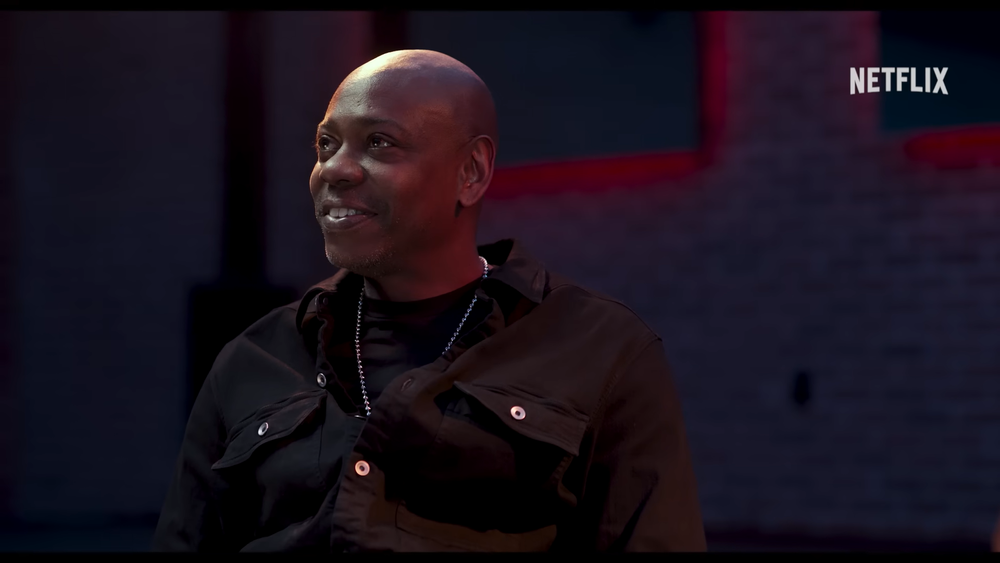
When Chappelle staged his official comeback in late 2016, he bypassed traditional television altogether, signing a multi-special deal with Netflix reported at $20 million per special. This move pioneered the modern streaming era for stand-up comedy. Specials such as The Age of Spin, Deep in the Heart of Texas, and Equanimity demonstrated that digital platforms could offer stand-up artists global reach, minimal executive interference, and immense financial returns. Following Chappelle's lead, major comedians like Chris Rock, Jerry Seinfeld, and Ali Wong secured similar high-value streaming deals, effectively shifting the epicenter of stand-up comedy from broadcast networks to global streaming services.
Key Pillars of Chappelle's Comedic Style and Influence
Chappelle's impact extends far beyond business negotiations; it is woven into the mechanics of performance, narrative construction, and thematic engagement. Comedians across generations study his technique to understand how to hold the attention of thousands in massive arenas while maintaining the intimacy of a local comedy club.
Social Satire and Racial Dynamics
Chappelle transformed how race, power dynamics, and class issues are tackled on stage. Rather than relying on simple racial stereotypes, his comedy dissects the absurdity of systemic racism, media bias, and socio-economic inequality. By framing racial tensions through absurdism—such as imagining a world where crime scenes are negotiated based on demographic privileges—he allows audiences to engage with uncomfortable truths through shared laughter. His approach created a foundation for modern social satirists like Jordan Peele, Donald Glover, and Eric André, who utilize absurdity to critique societal structures.
Masterclass Micro-Narrative Storytelling
At the heart of Chappelle’s live performance is his mastery of long-form narrative. Where many contemporary comedians rely on short, fast-paced setups and punchlines designed for short attention spans, Chappelle constructs intricate, multi-layered stories that unfold over ten to fifteen minutes.
Key elements of his signature style include:
- The Delayed Call-Back: Introducing an seemingly minor detail early in a set, only to deploy it as the climax of an entirely unrelated story forty minutes later.
- Rhythmic Mic-Slapping: Slapping the microphone against his thigh to signal emphasis, adjust the room's tension, and re-establish cadence.
- Controlled Pauses and Silence: Using deliberate silence, taking a drag from a cigarette, or leaning against the mic stand to build anticipation before delivering a decisive line.
- Empathy Inversion: Getting the audience to sympathize with an absurd or unlikable character before subverting the narrative to deliver a surprising ethical or social lesson.
Storytelling Mechanics:
- Setup
- Disarming Humor
- Tension Building
- Callback / Climax
Navigating Censorship, Free Speech, and Cultural Friction
In the late 2010s and 2020s, Chappelle became one of the central figures in discussions surrounding political correctness, free speech, and cancel culture in comedy. In stand-up specials like Sticks & Stones (2019) and The Closer (2021), he aggressively challenged evolving social norms, particularly targeting media sensationalism, identity politics, and social media outrage culture.
While these specials drew severe backlash, protests, and institutional debate—particularly regarding his commentary on gender identity and the LGBTQ+ community—they also underscored his stance on the role of the comedian as a provocateur who refuses to adhere to corporate or ideological guidelines. Regardless of individual perspectives on his controversial material, Chappelle’s late-career work forced the comedy industry to grapple with fundamental questions about artistic freedom, audience accountability, and the boundaries of modern satire.
Pre-Chappelle vs. Post-Chappelle Comedy Landscape
To illustrate how the comedic ecosystem changed due to Chappelle’s career choices, consider the following structural comparisons:
| Dimension | Pre-Chappelle Era (1980s–1990s) | Post-Chappelle Era (2000s–Present) |
|---|---|---|
| Primary Goal for Stand-ups | Landing a network sitcom or late-night talk show couch spot | Securing an unedited streaming special or independent distribution |
| Intellectual Property | Networks held primary ownership of character rights and sketches | Comedians negotiate direct ownership, licensing deals, and masters |
| Venue and Scale | Comedy clubs, theaters, and occasional arena tours for elite acts | Global arena tours, stadium shows, and decentralized pop-up venues |
| Content Approval | Strict broadcast standards, network censors, and advertiser limits | Direct-to-consumer delivery with minimal executive censorship |
| Monetization Model | Network salaries, syndication royalties, and live ticket sales | Upfront multi-million streaming licenses, digital self-distribution, and direct touring |
Economic and Industrial Ripple Effects
Chappelle’s influence reaches into the operational logistics of live performance and career mentorship within the entertainment economy.
Transforming Stand-Up into Stadium Spectacles
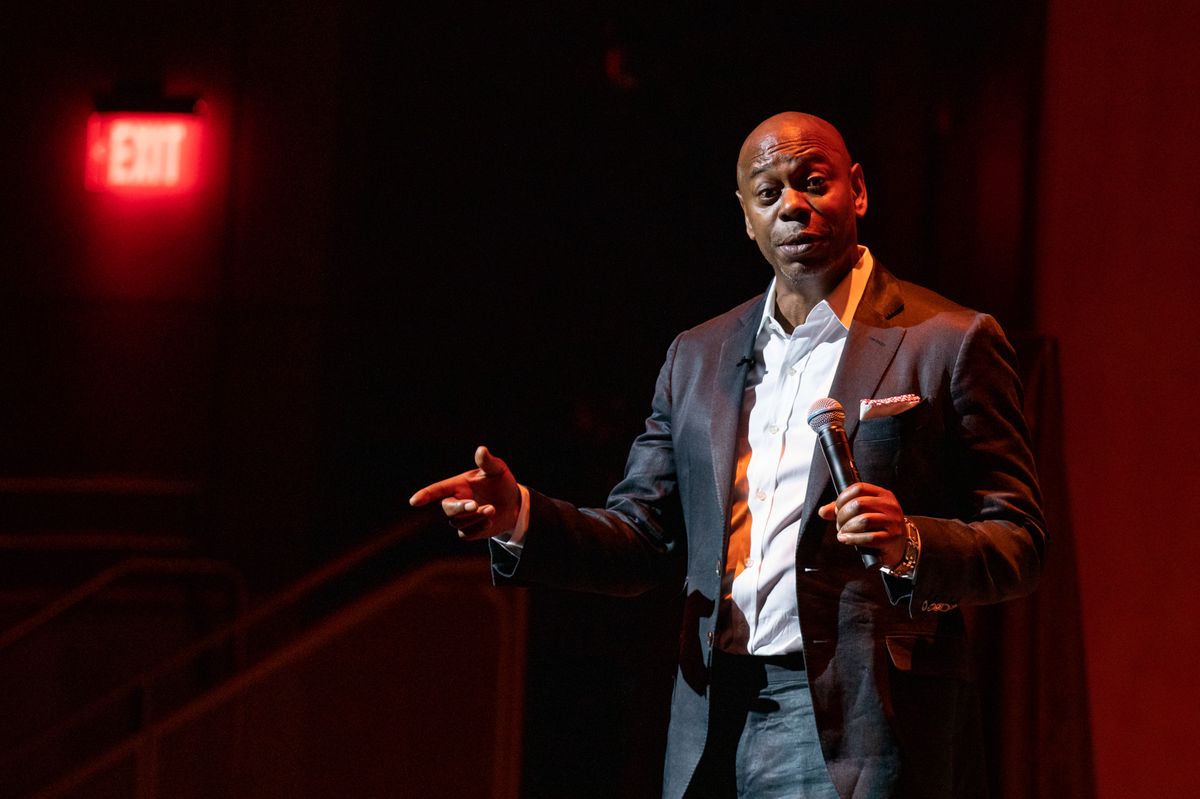
Historically, only a handful of comedians—such as Eddie Murphy or Andrew Dice Clay—could consistently fill arenas. Chappelle, along with peers like Kevin Hart, proved that stand-up comedy could compete directly with major musical acts for arena bookings. His residency at Radio City Music Hall in 2017, featuring guest appearances from hip-hop icons, comedians, and classical musicians, showcased stand-up as a cultural event rather than just a night of jokes.
Radio City Music Hall / Arena Residencies
- Stand-Up Performance
- Long-form storytelling
- Unannounced surprise guests
- Musical Collaborations
- Live hip-hop artists
- Multidisciplinary curation
Furthermore, Chappelle pioneered strict anti-phone policies at live comedy events. By enforcing the use of locked neoprene pouches (such as Yondr) for mobile devices during his performances, he protected unreleased material from leaking online and forced audiences to engage fully with the live experience. This practice has since been adopted across the comedy industry by performers like Chris Rock, John Mulaney, and Amy Schumer.
Community Building and Direct Industry Mentorship
Chappelle has consistently used his platform to amplify other comedic and musical talent. Through his collaborative work on Chappelle's Show and his subsequent live tours, he introduced broader audiences to comedians like Donnell Rawlings, Paul Mooney, Charlie Murphy, and Michelle Wolf.
During the global events of 2020, when traditional comedy venues were shut down worldwide, Chappelle launched a series of socially distanced outdoor comedy shows in a cornfield in Yellow Springs, Ohio. Titled "Chappelle & Friends," these unscripted shows provided a vital venue for comedians, musicians, and performers to practice their craft safely, demonstrating how grassroots live performance could adapt during unprecedented industry disruptions.
Critical Recognition and Honors
Over his multi-decade career, Chappelle’s work has earned top artistic and cultural honors in the United States:
- Mark Twain Prize for American Humor (2019): Awarded by the Kennedy Center, honoring individuals who have impacted American society through humor.
- Grammy Awards: Multiple wins for Best Comedy Album, including for The Age of Spin & Deep in the Heart of Texas, Equanimity & The Bird Revelation, and Sticks & Stones.
- Primetime Emmy Awards: Multiple wins for Outstanding Variety Special (Pre-Recorded) and guest appearances on programs like Saturday Night Live.
Practical Takeaways for Contemporary Comedians and Creators
For aspiring comedians, writers, and entertainment creators, Dave Chappelle’s career offers several actionable lessons on craft and career management:
- Prioritize Long-Term Ownership Over Short-Term Paydays: Retaining ownership or negotiating fair licensing terms for your intellectual property provides lasting leverage against corporate distributors.
- Master the Craft of Pacing: Stand-up comedy relies as much on timing, pauses, and audience control as it does on punchlines. Study how Chappelle uses silence to build tension.
- Protect the Live Experience: Limiting digital distractions during performances fosters higher audience engagement and safeguards unreleased material.
- Develop an Authentic Voice: Rather than chasing fleeting internet trends or playing to specific algorithms, build an authentic comedic identity that resonates across cultural divides.
Frequently Asked Questions
What made Chappelle's Show so groundbreaking in comedy history?
Chappelle's Show broke ground by blending sharp racial satire, hip-hop culture, and surreal character studies without network censors altering its tone. Its sketch formats and record-setting DVD sales redefined sketch television and demonstrated the commercial power of uncompromised urban comedy.
Why did Dave Chappelle leave his show in 2005?
Dave Chappelle walked away from a $50 million contract extension in 2005 due to intense stress, corporate pressure, creative differences over the show's direction, and concerns that his racial satire was being misinterpreted rather than understood as intended.
How did Dave Chappelle change comedy streaming deals?
In 2016, Chappelle signed a lucrative multi-special deal with Netflix, establishing a new model where streaming platforms paid top-tier stand-up comedians massive upfront licensing fees. This shifted comedy distribution away from broadcast networks toward direct-to-consumer digital platforms.
What is the significance of Chappelle's phone-free show policy?
By requiring audiences to place mobile phones in locked pouches during live shows, Chappelle protected his work-in-progress material from unauthorized recording and restored an intimate, undistracted atmosphere to live stand-up venues.
What major awards has Dave Chappelle received?
Chappelle has won the prestigious Mark Twain Prize for American Humor (2019), several Grammy Awards for Best Comedy Album, and multiple Primetime Emmy Awards for his stand-up specials and television appearances.
Conclusion
Dave Chappelle’s impact on modern comedy is defined by artistic uncompromising integrity, business innovation, and narrative mastery. By challenging standard television production models, pioneering high-stakes streaming deals, and continuously tackling complex social issues, he reshaped stand-up comedy into an art form capable of filling stadiums while sparking meaningful national debates. Creators seeking to navigate the modern media landscape can look to Chappelle's career as a masterclass in retaining creative autonomy, mastering live storytelling, and building a lasting cultural legacy.
Image Gallery