What Is a Life Insurance License and Is It Worth It? A 2026 Professional Guide
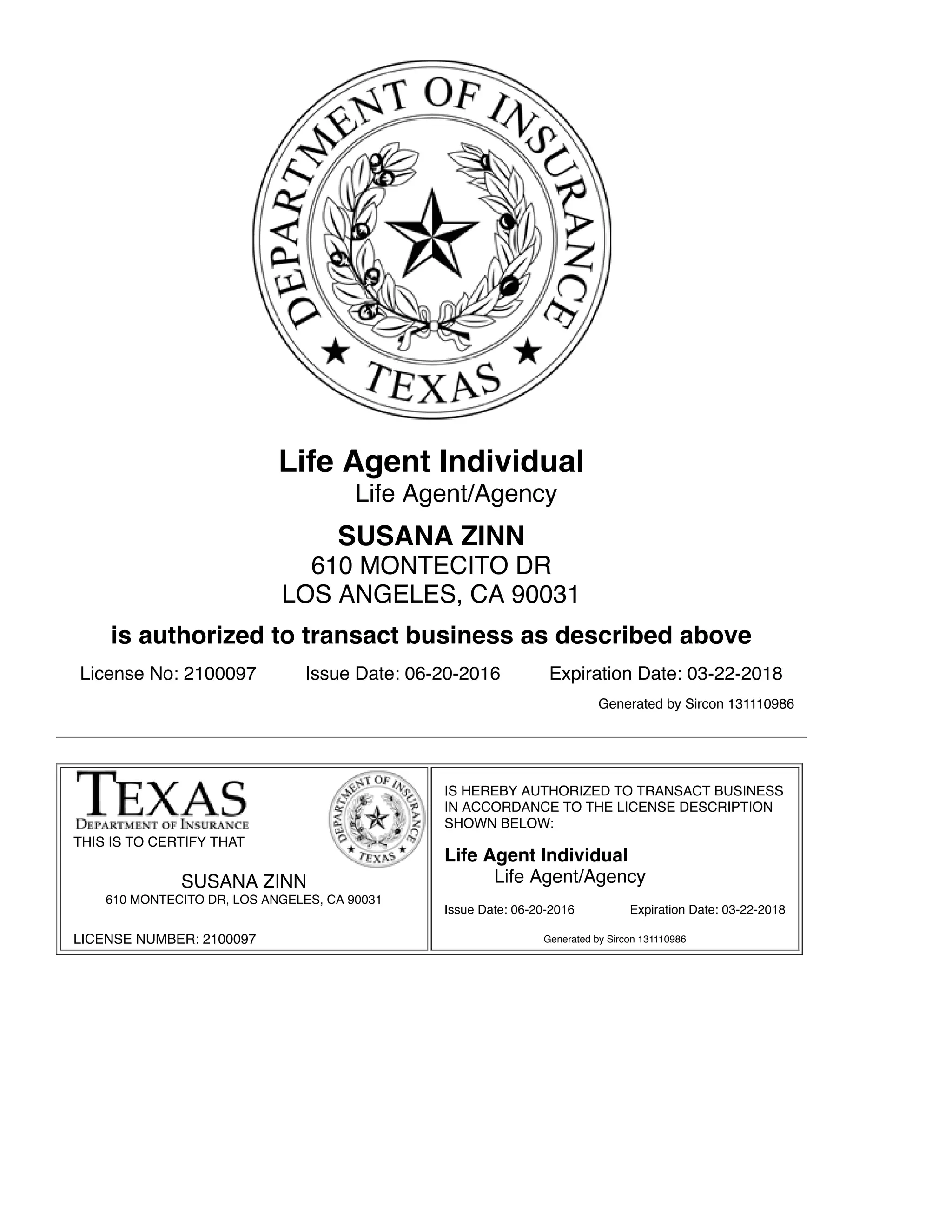
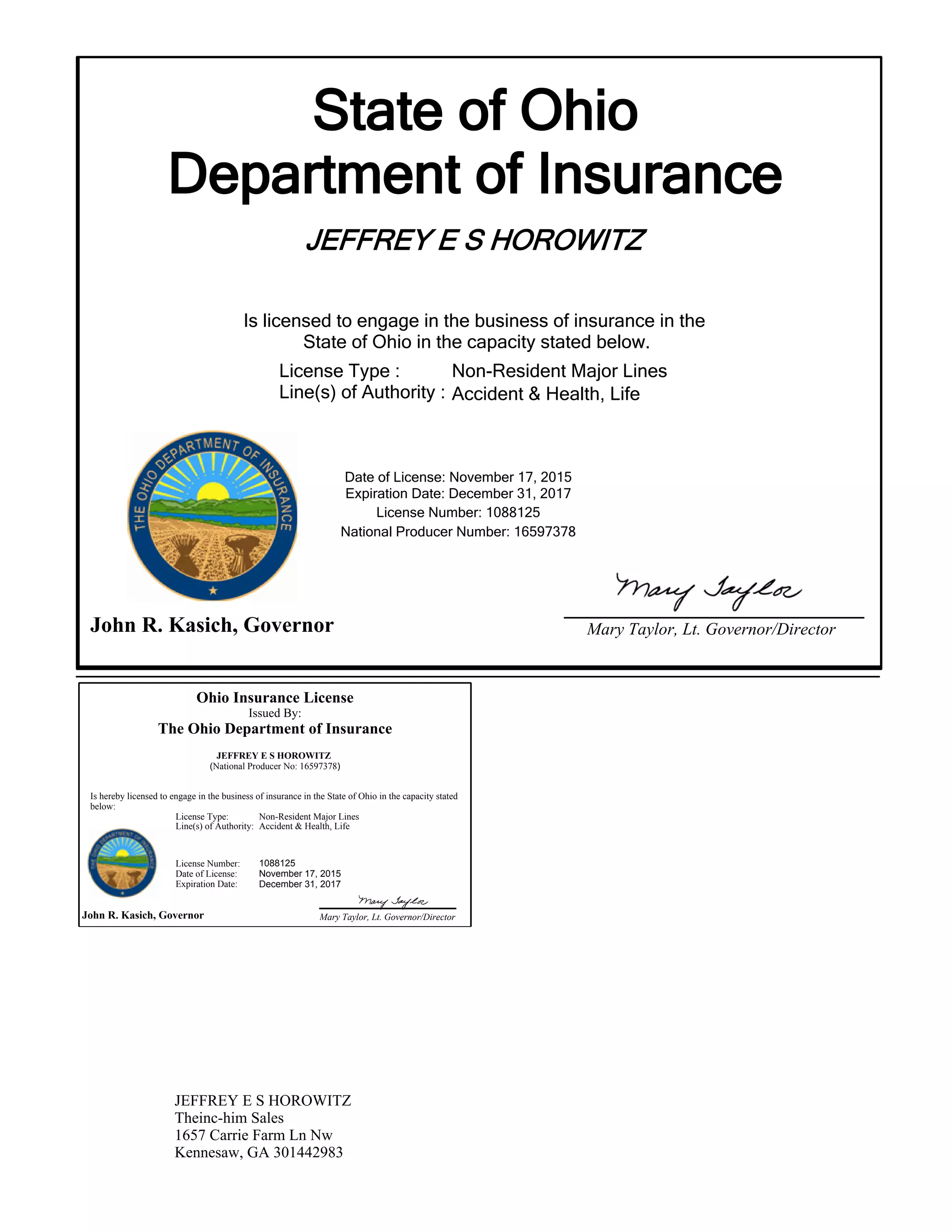
A life insurance license is a state-issued legal credential that authorizes an individual to sell, solicit, and negotiate life insurance policies and annuities. It ensures that agents possess the necessary knowledge of state laws, ethi...
A life insurance license is a state-issued legal credential that authorizes an individual to sell, solicit, and negotiate life insurance policies and annuities. It ensures that agents possess the necessary knowledge of state laws, ethical standards, and product mechanics to protect consumers while facilitating financial planning and risk management.
Contents
Obtaining a life insurance license is a foundational step for anyone pursuing a career in the financial services sector. In 2026, the landscape for insurance professionals has evolved to integrate advanced digital tools with traditional relationship building, making the license a versatile asset. Whether you are looking for a high-income sales career or a path into broader wealth management, understanding the mechanics of this credential and the market reality is essential.
What Exactly Is a Life Insurance License?
A life insurance license is not a federal certification; it is regulated at the state level. Each state’s Department of Insurance (DOI) or equivalent regulatory body sets the standards for who can represent insurance carriers to the public. The primary purpose of this regulation is consumer protection. Because life insurance involve long-term financial commitments and complex legal contracts, the state must ensure that agents are competent and ethical.
The license typically covers "Life, Accident, and Health" (often referred to as L&H), though many jurisdictions allow you to test specifically for "Life" only. Holding this license allows you to earn commissions on the sale of various products, including:
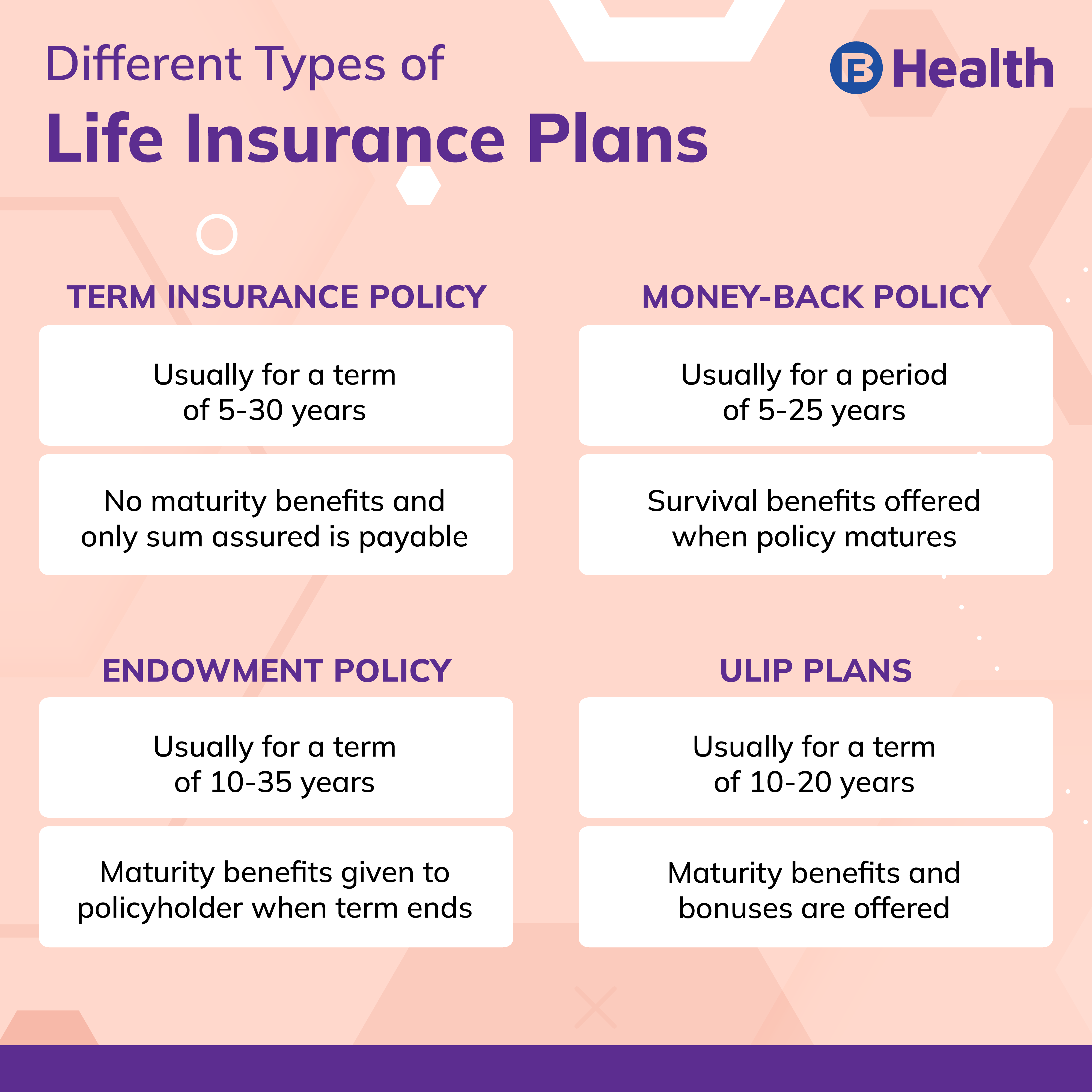
- Term Life Insurance: Pure protection for a specific period.
- Whole Life and Universal Life: Permanent policies with cash value components.
- Annuities: Financial products used for retirement income.
- Variable Products: Policies that involve investment components (though these often require additional securities licenses like the Series 6 or 7).
In the current 2026 market, a life insurance license acts as a "gatekeeper" credential. Without it, you cannot legally discuss specific policy benefits or receive any form of compensation tied to a sale.
The Process of Obtaining Your License in 2026
The path to becoming a licensed agent is standardized across most U.S. states, though specific hour requirements for education may vary. The process is designed to be rigorous enough to filter out uncommitted individuals but accessible enough for career changers.
1. Pre-Licensing Education
Most states require a set number of hours (typically 20 to 40 hours) of approved pre-licensing education. In 2026, most candidates opt for on-demand digital courses that use interactive simulations to teach policy provisions, tax laws, and state-specific regulations. These courses conclude with a practice exam that mirrors the actual state test.
2. The State Examination
After completing your education, you must pass a proctored exam. These exams are usually administered by third-party testing centers like Pearson VUE or Prometric. The exam is divided into two parts: a general section covering national insurance concepts and a state-specific section covering local statutes and regulations. A passing score is generally 70% or higher.
3. Background Check and Fingerprinting
Insurance agents are held to high fiduciary and ethical standards. As part of the application, you must submit fingerprints for a criminal background check conducted by the FBI and state law enforcement. Significant financial crimes or felonies involving breach of trust can be grounds for automatic disqualification.
4. The Formal Application
Once the exam is passed and the background check is clear, you file a formal application through the National Insurance Producer Registry (NIPR). This platform centralizes the licensing process for almost all states, allowing you to manage your resident license and apply for non-resident licenses if you plan to sell across state lines.
Financial Investment: Breakdown of Costs
The cost of getting licensed is relatively low compared to other professional designations, but it is not negligible. In 2026, you should budget for the following estimated expenses:
| Expense Category | Estimated Cost (2026) | Frequency |
|---|---|---|
| Pre-Licensing Course | $150 – $300 | One-time |
| State Exam Fee | $50 – $120 | Per attempt |
| Fingerprinting & Background Check | $50 – $90 | One-time |
| Initial State License Application | $50 – $200 | Every 2 years (renewal) |
| Errors & Omissions (E&O) Insurance | $300 – $600 | Annually |
| Total Startup Estimate | $600 – $1,310 | Initial Launch |
Note: E&O insurance is not always required to hold the license, but it is mandatory to actually contract with insurance carriers and sell products.
Is a Life Insurance License Worth It?
Determining the "worth" of the license depends on your career goals, personality type, and financial expectations. Unlike a salaried corporate job, a career in life insurance is often entrepreneurial.
The Case for "Yes": Benefits of the License
The most significant advantage is the low barrier to entry for high income potential. There are very few professions where an investment of roughly $1,000 and 40 hours of study can lead to a six-figure income within the first two years.
- Residual Income: One of the most attractive features of the life insurance business is renewals. When you sell a policy, you often receive a commission not just in the first year, but smaller "trail" commissions for as long as the policy stays in force. Over a decade, this can create a substantial passive income stream.
- Flexibility and Autonomy: Most agents operate as independent contractors. In 2026, the rise of "telesales" means you can run an entire insurance agency from a home office, leveraging video conferencing and e-signatures to close deals nationwide.
- Recession Resistance: Insurance is a "non-discretionary" financial product for many. Even in economic downturns, people prioritize protecting their families and managing estate taxes, providing a level of job security not found in luxury retail or travel industries.
The Case for "No": Challenges and Realities
The "worth" is mitigated by a high failure rate. Industry data consistently shows that a large percentage of new agents exit the business within the first 24 months.
- Lead Generation Stress: The hardest part of the job isn't explaining the policy; it's finding people to talk to. Unless you join a "captive" agency that provides leads (often at the cost of lower commissions), you are responsible for your own marketing and prospecting.
- Commission-Only Income: For many, the lack of a base salary is terrifying. It can take several months to build a pipeline, meaning you need a financial "runway" to survive the early stages of your career.
- High Rejection Rate: You will hear "no" far more often than "yes." This career requires a high level of emotional resilience and the ability to detach your self-worth from your sales volume.
Career Paths: Captive vs. Independent Agents
A major factor in whether the license is worth it is the business model you choose.
Captive Agents work for a single insurance company (e.g., State Farm, Northwestern Mutual). The company provides branding, office space, and often some level of training or lead support. The trade-off is that you can only sell their products, and your commission splits are typically lower. This is often the best path for beginners who need structure.
Independent Agents (Brokers) represent multiple carriers. They can shop the market to find the best price and product for their clients. The commissions are significantly higher, but the agent is responsible for all overhead, software, and marketing costs. This is the preferred route for experienced professionals looking to maximize their ROI.
The 2026 Market Outlook
As we move through 2026, the insurance industry is undergoing a digital transformation. Artificial intelligence is now used to provide "instant issue" policies for younger, healthy applicants, which some feared would make agents obsolete. However, the opposite has occurred.
While simple term policies are increasingly automated, the demand for human expertise in complex financial planning has grown. Clients in 2026 are looking for agents who can integrate life insurance into a broader strategy involving tax mitigation, long-term care, and legacy planning. If you view the license as a tool for "consultative selling" rather than just "product pushing," its value remains exceptionally high.
Frequently Asked Questions
How difficult is the life insurance exam?
The exam is moderately difficult. It is not an IQ test, but it is a "vocabulary and regulation" test. Most people who fail do so because they underestimated the specific legal terminology or the nuances of state-specific laws. With 20-30 hours of focused study, the pass rate for first-time takers is approximately 60-70%.
Can I sell life insurance in other states?
Yes. Once you have a resident license in your home state, you can apply for "non-resident" licenses in other states through the NIPR. Thanks to the Producer Licensing Model Act, most states have reciprocity, meaning you don't have to take another exam; you simply pay the licensing fee for that state.
Does a life insurance license expire?
Yes. Most licenses must be renewed every two years. To renew, you must complete Continuing Education (CE) credits—typically 24 hours, including 3 hours of ethics. This ensures agents stay updated on new laws and product innovations.
Can I get a license if I have a full-time job?
Absolutely. Many successful agents started part-time. Because pre-licensing education is available online and exams can be scheduled on weekends or evenings, it is one of the most popular "side-hustle" paths for those looking to transition into a new career without losing their current income immediately.
Do I need a college degree to be a life insurance agent?
No. There is no degree requirement to obtain a life insurance license. A high school diploma or GED is usually the only educational prerequisite. Success in the field is more closely tied to communication skills, work ethic, and persistence than academic background.
Final Recommendation: Should You Do It?
If you are looking for a career that offers a direct correlation between effort and income, a life insurance license is absolutely worth it. However, it is only a "license to learn." The credential itself does not guarantee wealth; it merely grants you entry into the arena.
To make the license worth the investment in 2026, you should:
- Choose your niche early: Decide if you want to focus on high-volume term sales or high-value estate planning.
- Focus on technology: Adopt CRM (Customer Relationship Management) tools and digital lead-gen strategies immediately.
- Seek Mentorship: Join an agency or find a mentor who has a proven track record of longevity in the business.
The financial services industry continues to be one of the most reliable paths to the middle and upper-middle class. For the cost of a high-end laptop, a life insurance license provides a legal path to building a scalable, recession-proof business.
Image Gallery