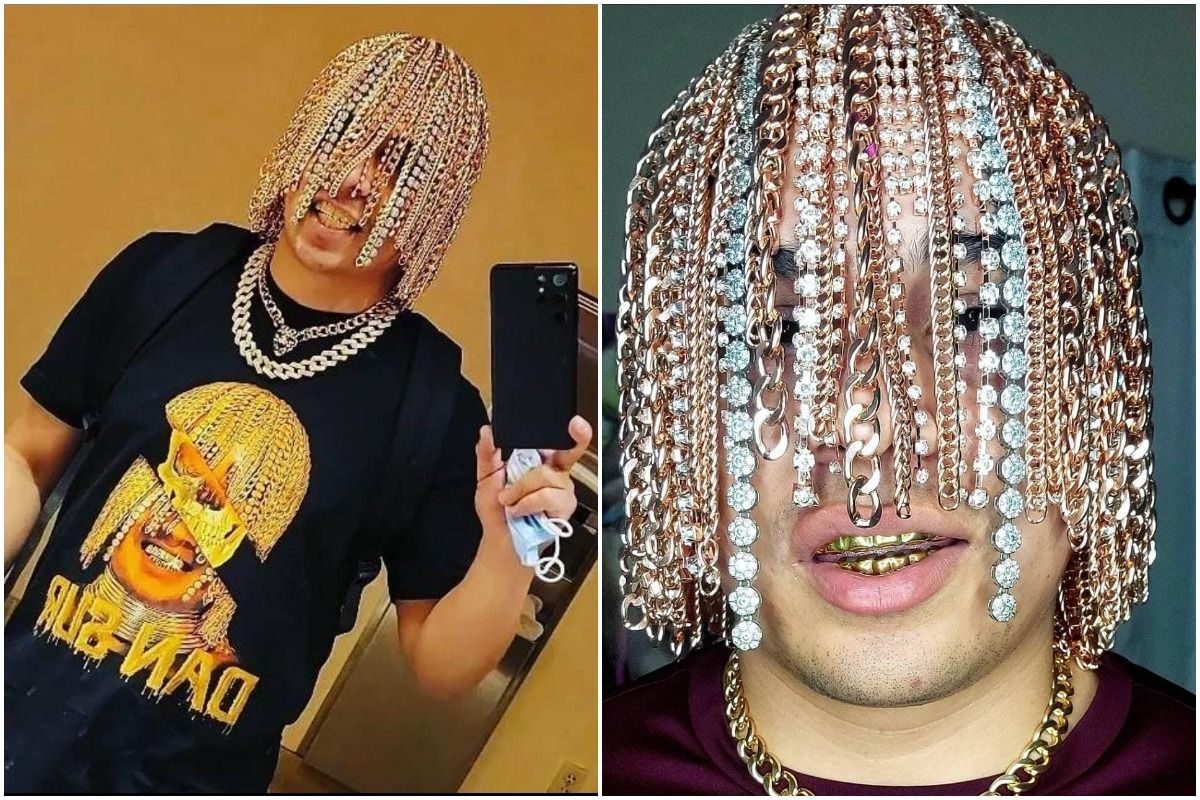
Why Dan Sur’s Gold Hair Isn't What It Seems: The Reality Behind the Viral Implants
Mexican entertainer Dan Sur gained viral attention by claiming he underwent surgery to implant heavy gold chains directly into his skull to replace natural hair. However, medical evidence, scalp anatomy, and biomechanical realities dem...
Mexican entertainer Dan Sur gained viral attention by claiming he underwent surgery to implant heavy gold chains directly into his skull to replace natural hair. However, medical evidence, scalp anatomy, and biomechanical realities demonstrate that the visual display is not what it seems. Scalp tissue cannot support heavy metal loads without suffering severe infection, necrosis, and surgical rejection, indicating the style relied on surface-level body modifications, lightweight props, or temporary cosmetic illusions rather than permanent skull-anchored hardware.
Contents
Dan Sur "Gold Hair" Anatomical Context:
- LAYER 1: Skin - Surface (Epidermis/Dermis)
- LAYER 2: Connective Tissue - Dense subcutaneous layer
- LAYER 3: Aponeurosis - Galea Aponeurotica (Tough fibrous sheet)
- LAYER 4: Loose Tissue - Danger zone for infection spread
- LAYER 5: Pericranium - Outer bone lining attached to Cranium (Skull)
The Origins of the "Gold Hair" Viral Phenomenon
In late 2021, visual artist and musician Dan Sur published a series of social media videos displaying dozens of golden jewelry chains falling from his scalp, covering his forehead and sides of his head. He claimed to be the first human in history to replace natural hair with custom gold chain implants, asserting that surgical hooks were placed directly beneath his skin and anchored into his skull.
The imagery quickly spread across international media outlets, sparking intense debate among cosmetic surgeons, body modification artists, and the general public. While the visual effect appeared striking and continuous, claims of permanent surgical skull implantation conflict directly with basic human anatomy, reconstructive surgical protocols, and materials science.
To understand why this display was largely a social media illusion or a short-lived aesthetic experiment, it is necessary to examine how human tissue reacts to foreign metal implants, how dermal anchoring systems operate, and how physical weight limits govern body modifications.
Scalp Anatomy and Biomechanics: Why Heavy Metal Implants Fail
The human scalp is composed of five distinct layers, often remembered by the medical acronym SCALP:
- Skin (containing hair follicles and sebaceous glands)
- Connective tissue (a dense subcutaneous fat layer rich in blood vessels)
- Aponeurosis (the galea aponeurotica, a tough, fibrous sheet of tendon tissue)
- Loose areolar tissue (a loose layer allowing movement of upper layers over the skull)
- Pericranium (the periosteum lining the outer bone of the skull)
For an implant to be truly "hooked into the skull," hardware would have to penetrate the skin, subcutaneous fat, galea aponeurotica, and pericranium, drilling directly into the cortical bone of the cranium.
Physical Forces on Scalp Modifications:
- Solid Gold Chains (Density: ~19.3 g/cm³)
- Gravitational Force (Downward pull on skin)
- Ischemic Stress (Blood flow cut off to tissue)
- Result: Tissues tear, skin necrotizes, and hardware extrudes out.
The Physics of Gold Density
Solid gold is exceptionally dense. Pure 24-karat gold has a density of roughly 19.32 grams per cubic centimeter ($\text{g/cm}^3$), while standard 14-karat jewelry gold ranges between 13.0 and 14.5 $\text{g/cm}^3$. A full head of solid 14-karat gold chains, hanging down to jaw length across dozens of attachment points, would weigh between 1.5 and 3.0 kilograms (3.3 to 6.6 pounds).
Human skin and subcutaneous connective tissue are elastic, but they possess clear mechanical limits under continuous tension. When a heavy, downward gravitational force acts on skin attachments, it exerts constant shear stress. The soft tissue around the insertion points experiences mechanical stretching, leading to:
- Cutaneous ischemia: The downward weight compresses small capillary beds, cutting off blood and oxygen supply to surrounding scalp cells.
- Pressure necrosis: Lacking oxygen, the localized skin tissue dies, softening and breaking open around the metal hardware.
- Mechanical extrusion: Once tissue degrades, the skin can no longer hold the anchor, causing the metal to tear through the scalp and fall out entirely.
Medical Risks and Surgical Realities
Beyond simple gravity, inserting non-medical metal hardware through the scalp creates catastrophic infection risks that no board-certified surgeon would legally or ethically create.
Transcutaneous Wound Vulnerability
Any device that passes through the outer barrier of the skin into deeper tissues is known as a transcutaneous or percutaneous implant. In medical settings, transcutaneous devices (such as bone-anchored hearing aids or external fixation pins) are engineered from medical-grade titanium and require continuous, daily hygiene routines to prevent bacterial migration.
When multiple hooks open the scalp surface:
- Bacterial colonization: Bacteria such as Staphylococcus aureus quickly settle around insertion sites.
- Biofilm formation: Bacteria construct protective matrix layers on metal chain surfaces, making them impervious to standard oral antibiotics.
- Deep space infection: Because the loose areolar layer of the scalp communicates directly with veins passing through the skull into the dura mater (the outer lining of the brain), scalp infections can quickly spread. Unchecked transcutaneous scalp wounds risk causing skull osteomyelitis (bone infection), epidural abscesses, or septic thrombosis of the cranial venous sinuses.
According to clinical protocols outlined by the American Society of Plastic Surgeons, permanent aesthetic implants must be completely encapsulated beneath intact skin or made of bio-inert materials that integrate directly into tissue without persistent open skin breaches.
Body Modification Realities: Microdermals vs. Deep Surgical Hooks
In body modification culture, individuals often achieve hanging jewelry looks using transdermal or microdermal anchors. Understanding how these anchors function clarifies what was likely performed on Dan Sur versus what was publicly claimed.
Microdermal Anchor Cross-Section:
- [Jewelry Top / Chain Clip]
- (Threaded Post)
- SKIN SURFACE
- (Threaded Post)
- [Perforated Footplate] (Placed in Dermis Layer)
- (Tissue grows through)
A microdermal anchor consists of two main parts:
- The Footplate (Base): A small flat piece of implant-grade titanium placed beneath the dermis layer of the skin, measuring only 2 to 7 millimeters long. The footplate contains holes, allowing collagen and skin cells to grow through it (tissue integration) to lock it in place.
- The Threaded Post: A small vertical pin extending outward through the surface of the skin, allowing decorative tops to screw on.
The Structural Limits of Microdermal Anchors
While microdermal anchors can be placed on the scalp, they are subject to strict physiological boundaries:
- Maximum Weight Load: A single standard titanium microdermal anchor can safely support a decorative top weighing only 1 to 2 grams.
- High Rejection Rates: Microdermals on the scalp experience high rejection rates due to movement of the galea aponeurotica, hair washing, sleeping friction, and hair growth around the post.
- Migration and Tear-Out: Attaching heavy gold jewelry chains to microdermal posts creates a leverage effect. A simple tug or the natural swinging motion of walking would immediately rip the small footplate straight through the dermis, leaving open tears and scars.
Therefore, the claim that heavy gold chains were directly "hooked into the skull bone" using surgical anchors is technically inaccurate and biologically unsustainable.
Feasible Theories Behind Dan Sur's Aesthetic Look
Given that solid gold chains permanently anchored to the skull bone are biologically impossible, how was the visual effect achieved? Medical professionals, body piercing specialists, and cosmetic prop developers point to three realistic mechanisms.
Three Feasible Theories for the Visual Effect:
- Hollow / Lightweight Props: Chain links constructed from hollow plastic or aluminum with gold plating reduce load by >90%.
- Hair Braid Foundations: Hidden cornrows or thread bases support weight; clips attach under top locks.
- Temporary Dental or Skin Adhesives: Cosmetic skin glues hold light chains for clips.
Theory 1: Lightweight, Hollow, or Electroplated Materials
Rather than solid gold, the chains seen in social media videos may have been constructed from hollow plastic, lightweight aluminum, or thin titanium coated in a micron-thin layer of gold electroplating.
- Weight Reduction: Hollow metallic or plastic chains weigh less than 10% of their solid gold equivalents.
- Reduced Tension: Lightweight links significantly lower the gravitational force acting on the scalp, allowing temporary surface anchors or clips to hold them in place without immediate tissue tearing.
Theory 2: Concealed Hair-Braid Foundations
A common technique used in stage production, wig design, and extreme hair styling involves braiding natural hair tightly against the scalp (cornrows) to serve as an anchoring grid.
- Heavy jewelry or chain bundles are secured to the dense woven hair using structural thread or hair clips.
- Small surface piercings or forehead decorations can then be positioned along the hairline to create the visual illusion that the chains emerge directly from beneath the skin.
- The natural hair concealed beneath the top layers absorbs 100% of the weight, protecting the skin from mechanical stress.
Theory 3: Short-Term Microdermals for Media Stunts
Dan Sur may have had temporary, low-profile microdermal anchors installed along his hairline for photoshoots and short video clips.
- Light chains were momentarily attached to threaded dermal posts to film content.
- Because unweighted dermal anchors can remain in place for short periods before body rejection sets in, they could be shown on camera briefly without demonstrating long-term structural viability.
- Over weeks or months, such surface anchors inevitably suffer rejection, infection, or require surgical removal once chronic inflammation develops.
Comparing Scalp Modifications: Implants, Piercings, and Props
To compare how different cosmetic options behave when applied to the scalp, review the structural attributes below:
| Feature / Metric | True Surgical Bone Implant | Microdermal Surface Anchors | Concealed Hair/Braid Base | Cosmetic Prop / Skin Glue |
|---|---|---|---|---|
| Primary Attachment Layer | Cranial cortical bone | Dermis (skin sub-layer) | Natural hair shaft & braid grid | Surface epidermis |
| Load-Bearing Capacity | High (if integrated; high infection risk) | Low (1 to 2 grams per anchor) | High (up to several pounds) | Very low (<50 grams) |
| Infection Risk Level | Extreme (Osteomyelitis / Meningitis) | High (Transcutaneous open wound) | None / Minimal | Minimal (Contact dermatitis) |
| Long-Term Viability | Unviable (Severe tissue necrosis) | Low (Rejection within months) | High (Removable/reusable) | High (Temporary application) |
| Surgical Requirement | Requires operating room & surgeon | Minor piercing procedure | None | None |
| Reversibility | Requires invasive surgery | Easy extraction (leaves scarring) | Instant removal | Instant removal |
Surgical Ethics and Regulations
Medical board regulations strictly govern what procedures licensed surgeons can perform. Under guidelines established by international medical bodies, including the National Institutes of Health, surgical procedures must serve a therapeutic purpose or meet rigorous safety and risk-benefit standards in elective aesthetic medicine.
Surgical Ethics Decision Tree: Proposed Procedure: Anchor heavy non-medical metal into scalp bone
- Does it breach the outer skin barrier permanently? YES
- Does it pose high risk of chronic infection/necrosis? YES
- Is there a safe medical device equivalent? NO
Conclusion: Denied by licensed board-certified plastic surgeons.
- Non-Maleficence (Do No Harm): A licensed surgeon cannot implant non-medical grade, heavy hanging hardware into bone solely for cosmetic visual effects, as the procedure carries a near-100% risk of chronic infection and soft-tissue failure.
- Material Biocompatibility: Implants placed inside human bone must consist of biocompatible materials—such as ASTM F136 titanium or PEEK (polyether ether ketone)—engineered to allow osseointegration without leaching metals into surrounding tissues. Decorative gold alloys often contain nickel, copper, or silver, which trigger severe immune responses, inflammation, and localized cytotoxicity.
If any invasive procedure was performed on Dan Sur, it would have been carried out outside standard clinical regulations by an unlicensed body modification practitioner, operating well beyond recognized medical safety guidelines.
Critical Evaluation of Extreme Body Stunts on Social Media
The Dan Sur "gold hair" phenomenon illustrates how visual social media platforms can amplify extreme cosmetic claims without technical verification. When evaluating similar body modification claims online, readers can apply a straightforward verification framework:
Critical Evaluation Checklist for Viral Stunts:
- Biomechanical Feasibility: Can human skin support the weight without tearing or losing blood supply?
- Skin Barrier Integrity: Does the modification leave permanent open wounds exposed to environmental bacteria?
- Material Biocompatibility: Is the material certified implant-grade titanium/PEEK, or is it commercial jewelry metal?
- Clinical Feasibility: Would a board-certified surgeon risk their legal license to perform the claimed surgery?
Frequently Asked Questions
Can gold chains actually be implanted into the human skull?
No. Solid gold chains cannot be permanently implanted into human skull bone. Gold is too dense and soft for load-bearing structural implants, and passing heavy chains through open scalp wounds causes severe bacterial infection, blood supply blockage (ischemia), and skin necrosis, leading the body to reject the metal.
Are microdermal anchors on the scalp permanent?
Microdermal anchors placed on the scalp are rarely permanent. Because the scalp moves constantly and is subject to tension, hair growth, and friction, microdermals installed there experience very high rates of migration and rejection. Most scalp dermals grow out or tear within a few months.
What happens if skin tissue suffers pressure necrosis from heavy jewelry?
When heavy jewelry exerts constant downward pull, it compresses blood vessels in the skin, stopping oxygen flow. The affected skin tissue turns dark, dies (necrosis), and breaks apart. This causes the anchors or jewelry to tear free, leaving permanent scar tissue and localized hair loss (cicatricial alopecia).
Is it legal for plastic surgeons to implant jewelry into the head?
No. Board-certified plastic surgeons and neurosurgeons are legally and ethically prohibited from performing non-therapeutic procedures that guarantee severe harm, permanent open wound infections, or structural tissue destruction. Any invasive implant of this nature would violate basic medical board regulations.
What materials are safe for permanent implants inside the human body?
Safe permanent implants require biocompatible materials such as medical-grade titanium (specifically ASTM F136 or F67 grade), tantalum, or specialized polymers like PEEK (polyether ether ketone). Commercial jewelry metals—including standard gold alloys, silver, and nickel—are unsuitable for internal bone anchoring.
Practical Action Plan: Evaluating Body Modifications Safely
If you are considering non-traditional body modifications or hair aesthetics, follow these steps to ensure physical safety and legal protection:
- Consult Board-Certified Professionals: Always verify credentials with recognized medical organizations like the American Society of Plastic Surgeons or certified dermatological associations before pursuing invasive body modifications.
- Prioritize Skin Barrier Integrity: Avoid non-standard transcutaneous procedures that leave permanent open breaches in the skin, particularly near the scalp, face, or major joints.
- Use Temporary Aesthetic Alternatives: Achieve high-concept visual styles—such as metal chain hair, metallic braids, or decorative headwear—using woven hair braid bases, clip-in systems, or lightweight electroplated props rather than surgical alterations.
- Inspect Material Certification: Ensure any jewelry inserted into dermal piercings consists exclusively of certified implant-grade titanium (ASTM F136) or solid 14k/18k nickel-free gold designed specifically for body piercing, rather than commercial hanging chains.
Image Gallery