Understanding Kenny Roberts Net Worth: A Profile of a Racing Legend
The net worth of motorcycle racing icon Kenny Roberts is estimated to be in the range of $10 million to $20 million as of 2026. This valuation reflects a career that evolved from professional Grand Prix competition to successful team o...
The net worth of motorcycle racing icon Kenny Roberts is estimated to be in the range of $10 million to $20 million as of 2026. This valuation reflects a career that evolved from professional Grand Prix competition to successful team ownership, brand building, and real estate investment, rather than a single source of singular professional athlete income.
Contents
The Foundation of Wealth: A Legacy in Grand Prix Racing
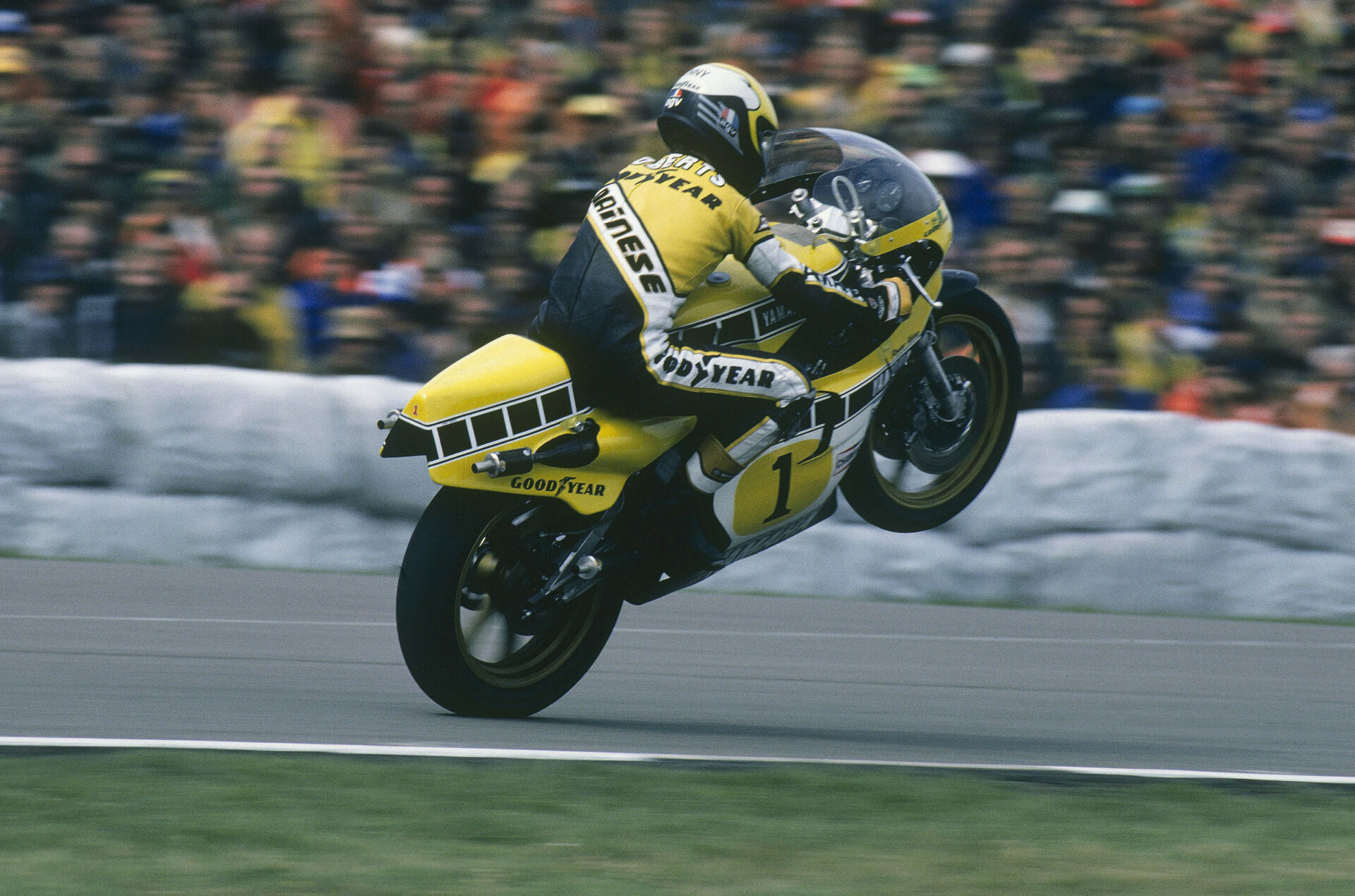
Kenny "King" Roberts is widely considered one of the most influential figures in the history of motorcycle road racing. His wealth foundation was built during the late 1970s and early 1980s, an era when the commercialization of the sport was beginning to take shape. As a three-time 500cc World Champion (1978–1980), Roberts transitioned from being a star rider to a highly sought-after commodity.
In professional sports, net worth is often a lagging indicator of a long career. While the purses for winning the 500cc Grand Prix title in the late 1970s were modest by modern standards, Roberts secured significant factory sponsorships and endorsements. His transition to the role of a premier factory-backed rider allowed him to accumulate capital during his prime, which he effectively leveraged for his post-racing career. Unlike modern athletes who rely heavily on social media presence or massive league-mandated contracts, Roberts’ initial wealth was tied to technical mastery and the commercial leverage he held over manufacturers like Yamaha.
Transitioning to Team Ownership and Management
The most significant shift in Roberts' financial trajectory occurred when he moved from rider to team owner. Throughout the 1980s and 1990s, he operated Team Roberts, a powerhouse in the Grand Prix paddock. Managing a race team is a complex business venture involving multi-million dollar budgets, technical personnel, and commercial negotiations with sponsors such as Lucky Strike and Marlboro.
Operating as a team principal allowed Roberts to move beyond a "salary" model. His ability to attract substantial sponsorship—at times rivaling the factory efforts of major corporations—provided a platform for capital reinvestment. It is important to distinguish between the gross revenue of a racing team and the net worth of an individual. While the team handled millions in operational costs, the profit margins and asset retention associated with running such an organization contributed significantly to Roberts' long-term financial stability.
Brand Equity and Technical Legacy
Beyond the track, the "Kenny Roberts" brand became synonymous with high-performance engineering. Roberts was instrumental in the development of the KR series of motorcycles, where he pushed the boundaries of chassis design and engine management. This transition from "rider" to "manufacturer" of racing chassis added a layer of intellectual property and engineering value to his financial profile.
The value of this expertise extends into 2026, as the "Kenny Roberts" name remains a premium asset in the automotive and motorcycle industry. Appearances, legacy endorsements, and consulting roles provide a steady flow of income that does not require the physical risks of his early career. By cultivating a reputation for technical rigor, Roberts ensured that his professional value transcended his active competitive years.
Understanding Asset Diversification in Professional Sports
For athletes like Roberts, net worth is rarely liquid. It is typically distributed across various asset classes, including real estate, equity in businesses, and personal holdings. Understanding his wealth requires looking at how he managed the transition from a high-earning athlete to a business executive.
| Income Segment | Primary Revenue Driver | Risk Profile |
|---|---|---|
| Racing Career | Winning Purses & Endorsements | High |
| Team Ownership | Sponsorship & Technical Consulting | Moderate |
| Brand Legacy | Appearances & Intellectual Property | Low |
| Investment Assets | Real Estate & Private Equity | Low to Moderate |
This diversification strategy is common among athletes who sustain their wealth over multiple decades. By the time many professional riders retire, their physical capital has depreciated; Roberts managed to convert his physical capital into institutional and brand capital, which is significantly more resilient to market fluctuations.
Real Estate and Geographic Factors
Throughout his career, Roberts maintained a significant presence in both the United States and Europe, particularly in Southern California and Spain. Real estate holdings in these regions, particularly those acquired during the late 20th century, have historically represented a massive appreciation in value. His ranch in Hickman, California, long served as his base of operations, acting as both a training facility and a private real estate asset. In financial planning for athletes, property often serves as the "anchor" for net worth, providing stability when the volatility of sports-related business income presents risks.
Financial Management and Longevity
The longevity of a career is perhaps the most significant factor in calculating net worth. Roberts competed and then managed at the highest level for several decades. This sustained involvement prevented the "crash-and-burn" cycle that affects many professional athletes who fail to transition after retirement.
It is also vital to note that professional racing in the 1980s and 90s operated under different legal and tax structures than the modern era. Much of the wealth accumulated by figures of this era was preserved through disciplined management of personal service corporations and early investments. When analyzing the net worth of a retired sports icon in 2026, one must consider that the current estimation accounts for decades of investment growth and portfolio management rather than recent active income.
Common Questions Regarding Kenny Roberts' Wealth
How much of Kenny Roberts' net worth comes from sponsorships? A significant portion of his wealth, particularly during his active years, originated from long-term sponsorship contracts. Unlike current endorsements, these were often tied to the team's operational success and the performance of his riders, effectively making him a business partner rather than a mere pitchman.
Is his wealth primarily tied to his racing career? No. While racing provided the capital for initial investments, the majority of his current net worth is a result of managing professional race teams and real estate development. Racing provided the liquidity, but business operations provided the scale.
Does his family play a role in his financial portfolio? Yes. The Roberts family, including his sons Kenny Roberts Jr. and Kurtis Roberts, are integrated into the motorcycle racing industry. While their individual successes contribute to the family brand, Kenny Roberts’ personal net worth remains distinct, focused on his independent business ventures and legacy holdings.
Are there fluctuations in net worth estimates? Publicly available estimates of net worth are often speculative. They rely on reported property values, historical earnings, and estimated business revenue. These figures do not account for private debt, private investments, or confidential tax arrangements, meaning official records are rarely available for individuals in private business sectors.
What is the impact of inflation on his historical earnings? Inflation is a major factor when assessing athletes from the 1970s and 80s. A dollar earned in 1980 had significantly more purchasing power than one in 2026. Experts assessing his wealth often adjust for this, but the primary driver remains the reinvestment of those early earnings into assets that outpaced inflation.
Practical Advice for Evaluating Sports Icons' Net Worth
If you are researching the financial history of professional athletes for investment research or biographical purposes, consider these steps:
- Focus on Career Span: Identify the peak earning years and compare them to the industry standards of that specific decade.
- Distinguish Between Revenue and Net Worth: Remember that team revenue is not the owner's personal wealth; focus on equity and asset appreciation.
- Analyze Transition Strategy: Research how the individual handled the shift from active professional to business owner. This usually dictates the long-term sustainability of their wealth.
- Use Reliable Sources: Avoid clickbait "wealth calculators." Rely on historical trade reports, legal filings regarding property, and reputable sports journalism from the era of their peak performance.
The enduring nature of Kenny Roberts' wealth is a testament to the transition from physical performance to institutional management. While he will always be remembered as a rider, his financial legacy is rooted in his ability to act as a pivot point for the business of motorcycle racing. By focusing on asset diversification and brand longevity, he successfully secured his financial future well beyond his final checkered flag.
Image Gallery