Understanding Irrevocable Assignment of Life Insurance to a Funeral Home
An irrevocable assignment of a life insurance policy to a funeral home is a legal arrangement where the policy owner permanently transfers the right to the death benefit—or a portion thereof—to a funeral provider to cover end-of-life e...
An irrevocable assignment of a life insurance policy to a funeral home is a legal arrangement where the policy owner permanently transfers the right to the death benefit—or a portion thereof—to a funeral provider to cover end-of-life expenses. This process effectively converts the policy into a guaranteed payment method for funeral goods and services, ensuring the funeral home is compensated directly upon the policyholder’s passing.
Contents
The Mechanism of Irrevocable Assignment
When you assign a life insurance policy irrevocably, you are relinquishing control over the beneficiary designation for the assigned portion of the policy proceeds. Unlike a revocable assignment, which can be changed at the discretion of the policyholder, an irrevocable assignment creates a binding contract between the policyholder, the insurance company, and the funeral home.
In practice, this means the funeral home becomes the primary assignee for the amount specified in the agreement. Upon the death of the insured, the insurance company pays the funeral home the assigned funds directly. If the death benefit exceeds the cost of the services rendered, the remaining balance (if any) is typically paid to the secondary beneficiary named on the policy. If the death benefit is less than the cost of the funeral, the estate or the next of kin may be responsible for the difference, depending on the terms of the funeral service contract.
Why Opt for an Irrevocable Assignment?
The primary motivation for an irrevocable assignment is the simplification of estate administration and the assurance that funeral costs are pre-funded. For individuals navigating Medicaid eligibility or estate planning, this instrument serves a specific purpose.
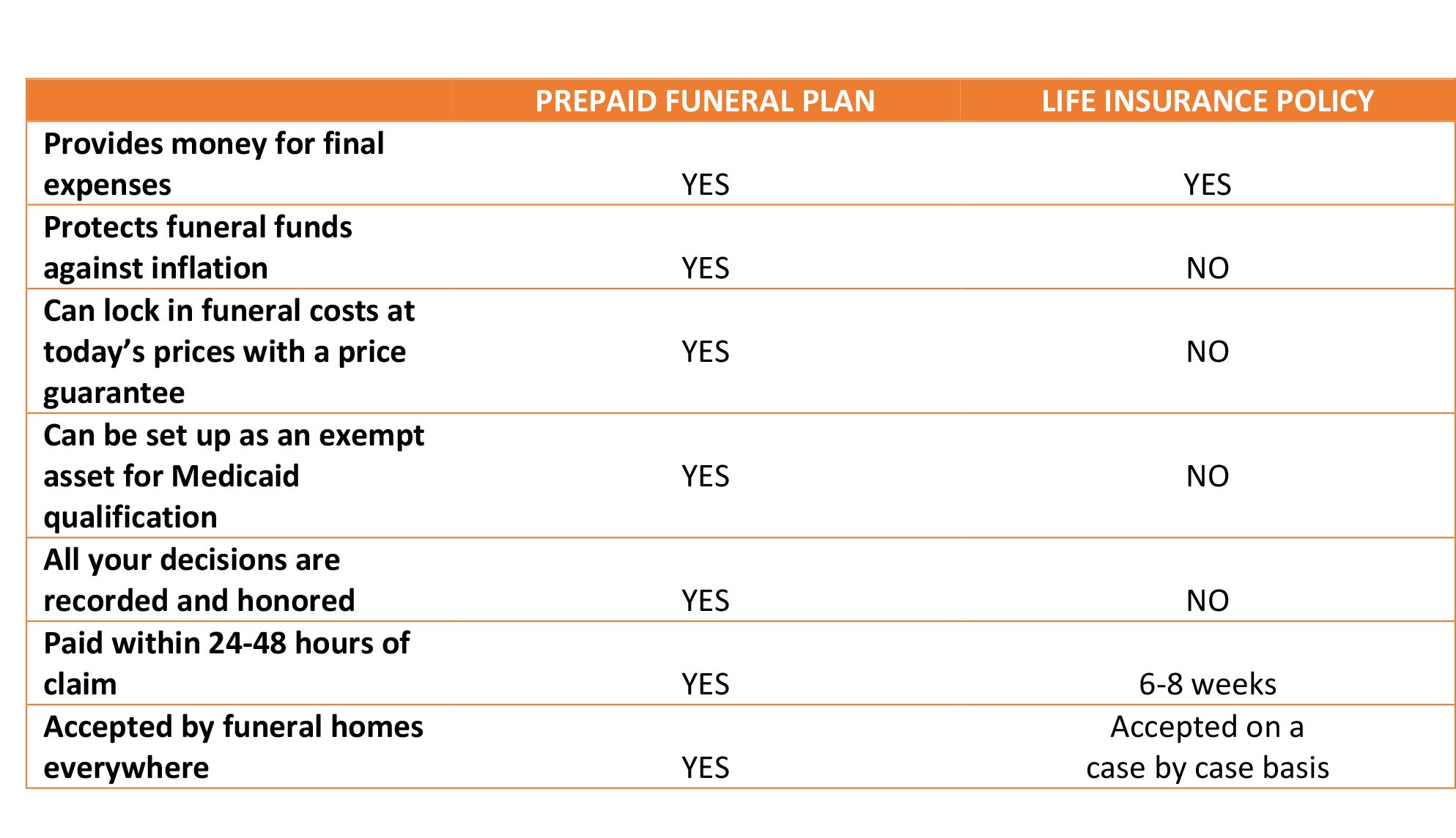
In many jurisdictions, assets exceeding certain thresholds can disqualify an individual from government assistance programs like Medicaid. An irrevocable funeral trust or an irrevocable assignment of an insurance policy can often be classified as an "exempt asset." By moving these funds into a dedicated, irrevocable vehicle, the individual reduces their countable assets, potentially meeting the financial requirements for long-term care support while simultaneously ensuring that death expenses are fully funded.
Regulatory and Legal Considerations
Before executing an irrevocable assignment, it is critical to understand the legal implications. Once an assignment is made irrevocable, you generally cannot cancel it or change the assignee without the consent of the funeral home, which is rarely granted once the agreement is registered with the insurer.
Furthermore, state regulations vary significantly. Insurance laws are governed at the state level in the United States, and funeral industry regulations—often overseen by state boards of funeral directors and embalmers—dictate how these funds must be handled. Some states require that assigned insurance proceeds be held in specific types of trusts to protect the consumer, while others may place limits on the amount that can be assigned.
You should always consult with an elder law attorney or a qualified financial planner to ensure the assignment complies with both state insurance codes and the eligibility requirements of any public assistance programs you are seeking to utilize.
The Step-by-Step Assignment Process
The process of assigning a policy involves coordination between the policyholder, the funeral home, and the life insurance carrier.
- Selection of Funeral Home: You must select a funeral provider that accepts life insurance assignments. Not all funeral homes have the administrative infrastructure to manage insurance claims.
- Reviewing the Policy: Obtain a current statement from your life insurance provider to confirm the policy is in force, has no outstanding loans, and allows for the assignment of proceeds.
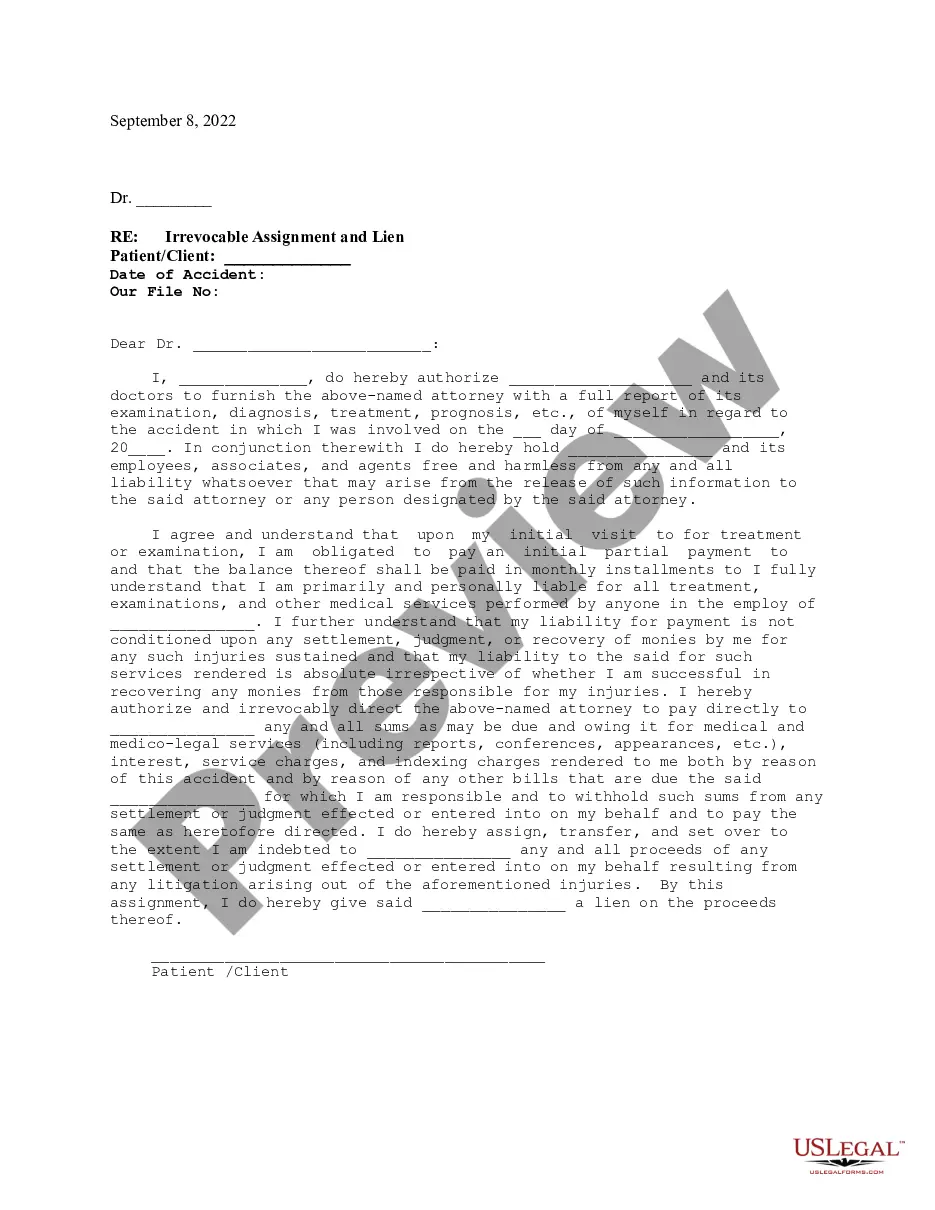
- Contractual Agreement: The funeral home will provide an assignment form or a "funeral service contract" that includes an assignment clause. This document will specify the goods and services covered.
- Notifying the Insurer: The signed assignment form must be sent to the life insurance company. The company will process the change and issue an acknowledgement to both the policyholder and the funeral home.
- Confirmation: It is vital to receive written confirmation from the insurance carrier that the assignment has been recorded. Without this, the insurance company may pay the death benefit to the original beneficiary on file, bypassing the funeral home entirely.
Comparing Payment Options for Funeral Planning
Choosing how to fund a funeral involves weighing the benefits of insurance assignments against other common financial vehicles.
| Feature | Irrevocable Assignment | Funeral Trust | Payable-on-Death (POD) Account |
|---|---|---|---|
| Control | Irrevocable (Permanent) | Often Irrevocable | Fully Revocable |
| Medicaid Eligibility | Typically Exempt Asset | Typically Exempt Asset | Countable Asset |
| Speed of Payment | Direct to Funeral Home | Direct to Funeral Home | Dependent on Estate/Beneficiary |
| Flexibility | Fixed to Services | Fixed to Services | Liquid/Flexible |
Common Pitfalls and Troubleshooting
The most common issue encountered with insurance assignments is the "lapse" of the underlying policy. If a policyholder stops paying premiums, the policy will lapse, and the assignment becomes worthless. When a policy is assigned to a funeral home, it is essential to ensure that premiums continue to be paid. Some funeral homes may offer plans that allow for premium payments to be automated or bundled into the arrangement, but the ultimate responsibility remains with the policy owner.
Another point of friction occurs when a funeral home closes or changes ownership. In these instances, the assignment usually transfers to the successor entity. However, it is prudent to review the assignment documentation to confirm how the funeral home manages "portability." If you anticipate moving to a different state or city, ensure that your funeral contract is "transferable" to another funeral home, as this is a common necessity for retirees.
Professional Advice and Final Actions
Before proceeding, ensure you have a clear copy of the funeral service contract. This document serves as the roadmap for what your money will provide. It should itemize every service, casket, vault, and transport fee. If the funeral home refuses to provide an itemized list, seek another provider.
If you are using this strategy for Medicaid planning, do not execute any documents until your caseworker or attorney has verified that the assignment meets the specific "look-back" period requirements of your state. Keep a file containing your policy, the signed assignment, and the funeral contract in a place accessible to your executor or power of attorney.
Next Action: Contact your preferred funeral home to request their "Assignment of Proceeds" packet and confirm they accept your specific life insurance carrier. Once received, have your legal counsel review the document before you sign and forward it to your insurer.
Image Gallery