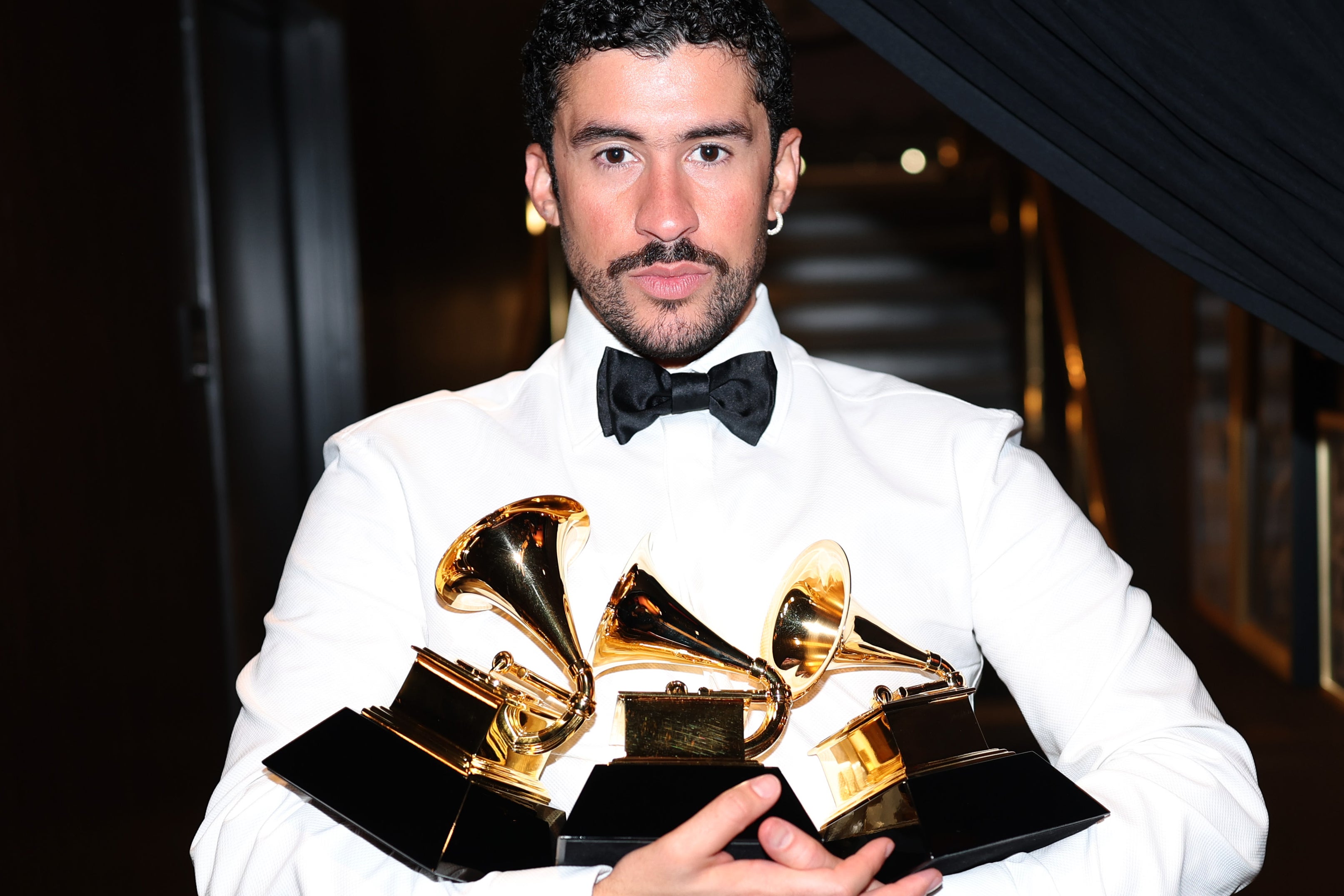
Is Bad Bunny an Independent Artist? The Complex Reality of His Music Career
Bad Bunny is technically an independent artist, though his status is more accurately described as a hybrid model. He is signed to Rimas Entertainment, an independent record label founded by Noah Assad. While he maintains creative contr...
Bad Bunny is technically an independent artist, though his status is more accurately described as a hybrid model. He is signed to Rimas Entertainment, an independent record label founded by Noah Assad. While he maintains creative control and master ownership, his global reach is amplified by a massive distribution partnership with Sony Music’s The Orchard.
Contents
The question of whether Benito Antonio Martínez Ocasio—known globally as Bad Bunny—is an independent artist is one of the most debated topics in the modern music industry. To the casual listener, the distinction might seem trivial. However, in the 2026 landscape of streaming dominance and global touring, his "independent" status represents a seismic shift in how power is balanced between artists and the "Big Three" major record labels (Sony Music, Universal Music Group, and Warner Music Group).
Defining Independence in the 2026 Music Industry
To understand Bad Bunny’s standing, we must first define what it means to be an independent artist today. Historically, independence meant a "DIY" approach: an artist recording in a home studio, self-funding their marketing, and distributing music through small, local channels.
In the current era, the definition has evolved. Independence is now primarily measured by two factors: ownership of master recordings and creative autonomy.
- Ownership of Masters: Most artists signed to major labels do not own their master recordings; the label owns them in exchange for an advance and marketing support. Bad Bunny and his label, Rimas Entertainment, have historically maintained a much higher degree of ownership and equity in his work than a traditional major-label signee.
- Creative Autonomy: Independent artists typically decide when to release music, which genres to explore, and how to present their image without the interference of a corporate A&R (Artists and Repertoire) department. Bad Bunny’s career is defined by this—from releasing the trap-heavy nadie sabe lo que va a pasar mañana to the eclectic, genre-bending Un Verano Sin Ti.
The Role of Rimas Entertainment and Noah Assad
Bad Bunny’s rise is inseparable from Rimas Entertainment and its founder, Noah Assad. When Bad Bunny was still working as a grocery bagger in Puerto Rico and uploading tracks to SoundCloud in 2016, Assad recognized his potential. Rather than funneling him into the traditional major-label system, they built an infrastructure that allowed for rapid growth without sacrificing control.
Rimas Entertainment is an independent entity, but it does not operate in a vacuum. It functions as a full-service management and label hybrid. This allows Bad Bunny to move with the speed of an indie artist—dropping surprise albums or unconventional singles—while having the financial backing of a major corporation. By 2026, Rimas has become a blueprint for how Latin artists can achieve global dominance without surrendering their rights to the "Big Three" early in their careers.
The Sony Music and The Orchard Connection
The "independent" label is often complicated by the reality of global distribution. No artist can reach the top of the Billboard charts or dominate global Spotify rankings without a massive logistical machine. For Bad Bunny, that machine is The Orchard.
The Orchard is a subsidiary of Sony Music Entertainment. It is the world’s leading distributor for independent labels. Through the Rimas-Orchard partnership, Bad Bunny’s music is funneled into the same global pipeline as artists signed directly to Sony, such as Beyoncé or Adele.
The 2021-2022 Strategic Shift
In late 2021 and throughout 2022, the line between "independent" and "major" blurred further for Bad Bunny. Reports surfaced regarding Sony Music’s increased involvement with Rimas Entertainment. Sony reportedly invested heavily in the label, with some industry analysts suggesting the "Big Three" giant acquired a significant stake in Rimas's assets.
Despite this investment, Bad Bunny is not a "Sony Artist" in the traditional sense. He does not report to Sony A&Rs, and his brand identity remains tied to Rimas. This hybrid status—Independent Label + Major Distribution/Investment—is what has allowed him to remain the most-streamed artist globally for multiple consecutive years.
Comparing Artist Models: Independent vs. Major vs. Bad Bunny
To see why Bad Bunny is unique, it helps to compare the three primary paths an artist can take in the current music economy.
| Feature | Traditional Major Label | Pure DIY Independent | The Bad Bunny / Rimas Model |
|---|---|---|---|
| Master Ownership | Usually held by the Label | Held by the Artist | Shared between Artist/Indie Label |
| Creative Control | Subject to Label Approval | 100% Artist Controlled | High (Artist-Driven) |
| Distribution | In-house (Sony, UMG, WMG) | Digital Aggregators (DistroKid) | Major Distro (The Orchard/Sony) |
| Marketing Budget | Massive, Corporate-funded | Limited, Self-funded | High, Revenue-reinvested |
| Global Reach | High (Immediate) | Low to Medium (Organic) | Extremely High (Global Dominance) |
The Financial Implications of His Independence
Why does it matter if Bad Bunny is independent? The answer lies in the royalty splits. In a traditional major-label contract, an artist might only receive 15% to 20% of their streaming revenue after the label "recoups" its initial investment (advances, music videos, and touring costs).
As an independent powerhouse, Bad Bunny’s revenue share is significantly higher. Because he and Rimas provide the majority of the creative "heavy lifting," they keep a much larger portion of the streaming "pie." By 2026, with billions of streams across platforms like Spotify, Apple Music, and YouTube, the difference between a 20% royalty and a 70-80% royalty amounts to hundreds of millions of dollars.
Furthermore, his independence extends to his touring and brand partnerships. His deals with Adidas and his role in films or wrestling (WWE) are often negotiated through Rimas and his personal team, rather than through a major label's "360 deal" where the label takes a cut of every peripheral income stream.
Creative Risks That Only an Independent Artist Can Take
Bad Bunny’s status has allowed him to ignore the "radio-ready" rules that often stifle major-label artists. Several key moments in his career highlight this freedom:
- Album Length and Structure: While major labels often push for short albums to maximize "replayability" and streaming numbers, Bad Bunny has released sprawling projects like Un Verano Sin Ti (23 tracks) that defy traditional formatting.
- Genre Fluidity: He successfully transitioned from Latin Trap to Reggaeton, Rock, Synth-pop, and traditional Mambo. A major label might have been hesitant to let their "top trap star" experiment with 80s-style pop mid-career.
- Social and Political Messaging: Bad Bunny has used his platform to address Puerto Rican politics, gender norms, and social justice. Independent artists generally face fewer "brand safety" restrictions from corporate boards when speaking on controversial issues.
Is He Truly "Independent" in 2026?
The technical answer remains "Yes," but with the asterisk that he is the most well-funded independent artist in history.
Purists argue that once an artist has a distribution deal with a Sony subsidiary and receives indirect investment from a major corporation, they are no longer "indie." However, the industry standard for "independent" simply means not being signed to one of the Big Three labels via a standard recording contract. By that definition, Bad Bunny is the pinnacle of independent success.
His model has paved the way for other Latin superstars—such as Peso Pluma and Rauw Alejandro—to seek similar deals where they retain their rights while leveraging major distribution networks.
Frequently Asked Questions
Does Bad Bunny own his masters?
Yes, Bad Bunny and Rimas Entertainment own his master recordings. This is a key component of his independent status and allows him to earn a much higher percentage of his streaming revenue compared to artists signed to traditional major labels.
Who is Bad Bunny’s manager?
Noah Assad is Bad Bunny’s long-time manager and the founder of Rimas Entertainment. Assad is credited with orchestrating the business strategy that allowed Bad Bunny to scale globally while remaining outside the traditional major-label system.
Is Rimas Entertainment owned by Sony?
Rimas Entertainment is an independent label, but it has a strategic partnership with Sony Music. Sony’s distribution arm, The Orchard, handles Bad Bunny’s music. While there have been reports of Sony taking an equity stake in Rimas, the label still operates with significant autonomy.
Why is Bad Bunny called the biggest independent artist?
He is called the biggest independent artist because he has achieved the #1 spot on global charts and broken streaming records without a direct contract with a major record label. He maintains the creative and financial control typically associated with independent artists, despite having global reach.
Does Bad Bunny have a 360 deal?
No, Bad Bunny is widely reported to have avoided a "360 deal." In a 360 deal, a label takes a percentage of an artist’s touring, merchandise, and endorsement income. Bad Bunny keeps his music, fashion, and acting ventures largely separate or managed directly by his own team at Rimas.
Practical Takeaway for Emerging Artists
The "Bad Bunny Model" demonstrates that in 2026, the goal is no longer just to "get signed." Instead, the goal is to build leverage. By growing an audience on SoundCloud and social media first, Bad Bunny was able to enter negotiations with a position of power. For modern artists, the lesson is to prioritize ownership and distribution deals over traditional, all-encompassing label contracts whenever possible.
Image Gallery