The Origins and Cultural Impact of "What Can Be Unburdened by What Has Been"
The phrase "what can be unburdened by what has been" is a signature rhetorical aphorism frequently used by Kamala Harris, the 49th Vice President of the United States. It expresses a progressive philosophy centered on the idea that fut...
The phrase "what can be unburdened by what has been" is a signature rhetorical aphorism frequently used by Kamala Harris, the 49th Vice President of the United States. It expresses a progressive philosophy centered on the idea that future possibilities should not be restricted by past hardships, systemic failures, or historical precedents. The phrase became a viral cultural phenomenon and a central pillar of her political identity during the 2024 presidential campaign.
Contents
The Philosophical Roots of the Phrase
While the exact phrasing is unique to Kamala Harris’s public addresses, the sentiment behind "what can be unburdened by what has been" is rooted in traditional American optimism and progressive political thought. At its core, the statement functions as a call to action, suggesting that society possesses the agency to redefine itself regardless of historical constraints.
Harris has often attributed her worldview to her mother, Shyamala Gopalan, a scientist and civil rights activist. Although the specific "unburdened" phrasing is not a direct quote from her mother, Harris frequently uses it to frame the lessons she learned growing up: that one should not merely complain about the state of the world but work to change it. In a political context, the phrase serves as a linguistic bridge between acknowledging historical struggles—such as racial inequality or economic hardship—and proposing a future that is not defined by those struggles.
Rhetorically, the sentence structure is a form of chiasmus-adjacent parallelism. By repeating versions of the verb "to be" and contrasting "can be" (potentiality) with "has been" (history), the phrase creates a rhythmic, almost meditative quality. This repetition was designed to make the message memorable, though it eventually led to significant debate over its clarity and depth.
The 2024 Presidential Campaign and the "Memeification"
As of 2026, political analysts view the 2024 election cycle as a turning point for how political rhetoric is consumed. "What can be unburdened by what has been" transitioned from a standard stump speech line into a global internet meme. This shift was largely driven by Gen Z and Millennial social media users who embraced the phrase’s repetitive nature.
The "Coconut Tree" Connection
The phrase is inextricably linked to another viral moment involving Harris: her 2023 anecdote about a coconut tree. During a White House event, she quoted her mother saying, "I don’t know what’s wrong with you young people. You think you just fell out of a coconut tree? You exist in the context of all in which you live and what came before you."
Internet creators began splicing the "unburdened" quote with the "coconut tree" video, often set to high-energy pop music (most notably tracks from Charli XCX’s Brat album). This created a "lore" around Harris’s speaking style that supporters dubbed "Coconut-pilled." What began as a quirky rhetorical habit became a powerful branding tool that helped the 2024 campaign reach younger demographics through platforms like TikTok and Instagram.
Reclaiming the Narrative
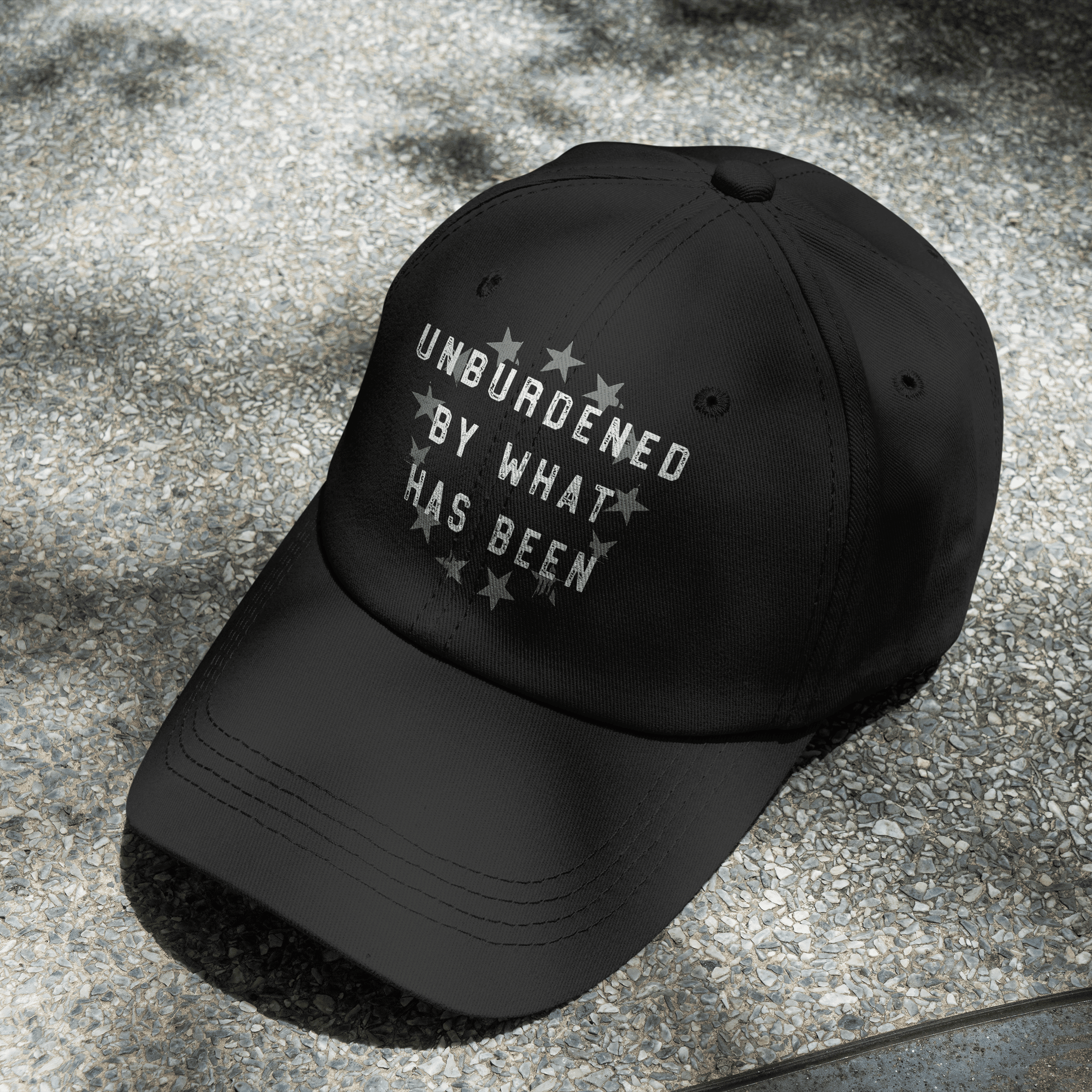
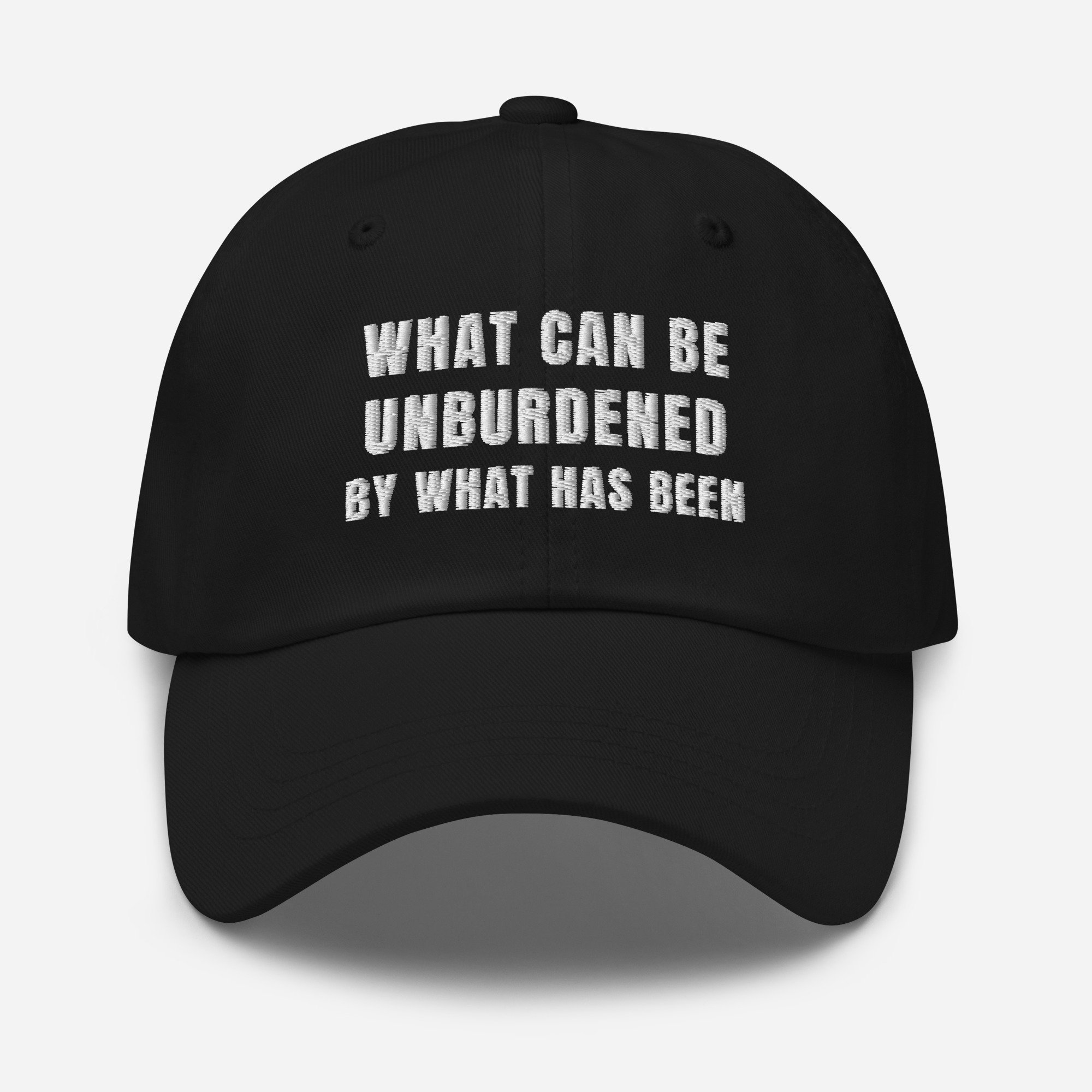
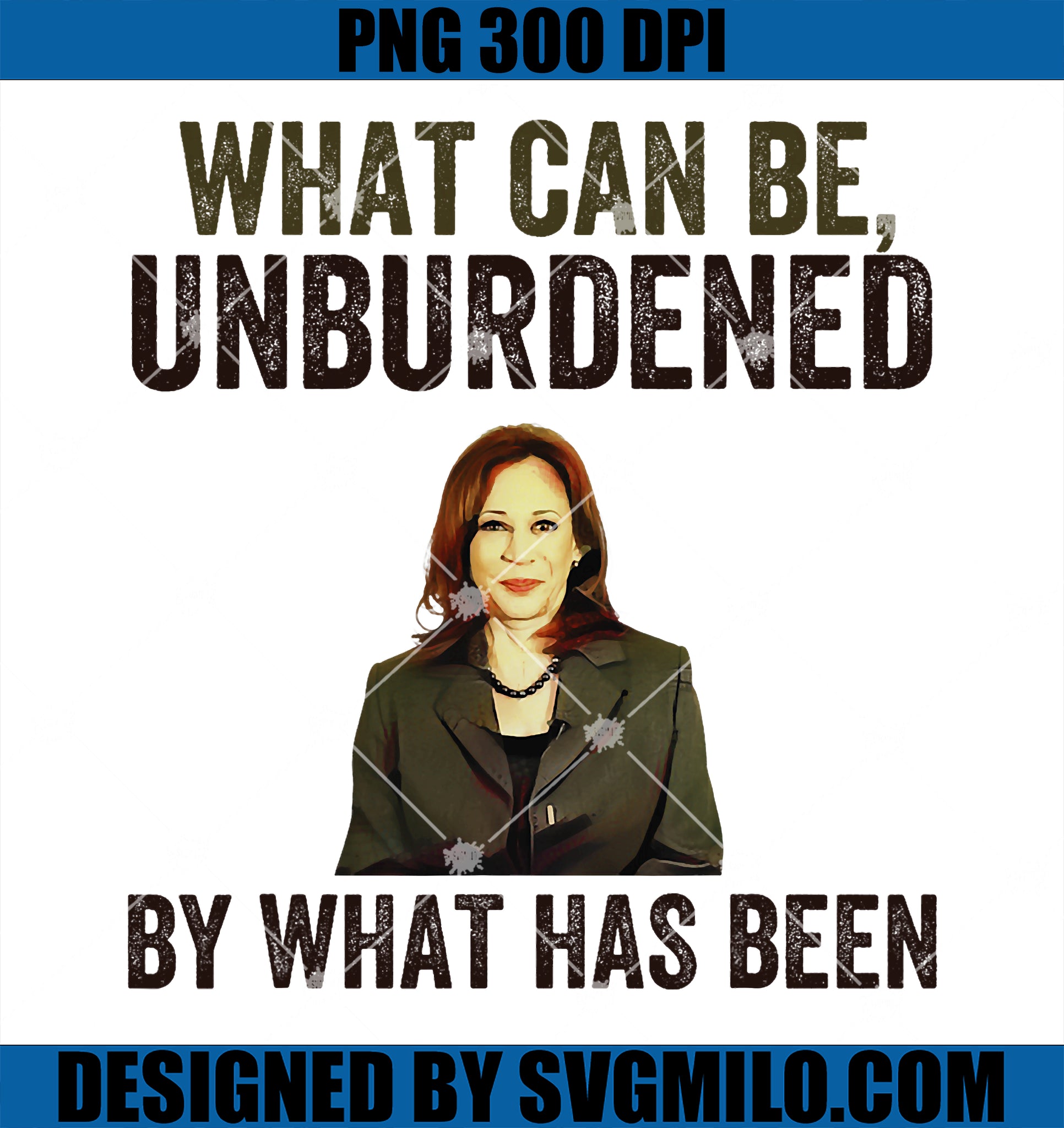
Initially, political opponents used the phrase to mock Harris, labeling her speeches as "word salad" or overly repetitive. However, the campaign successfully leaned into the meme. By the summer of 2024, the phrase was being printed on merchandise and used as a rallying cry at conventions. This strategy demonstrated a new era of digital campaigning where a candidate's perceived weaknesses (such as a repetitive speaking style) are transformed into viral assets.
Rhetorical Analysis and Critical Reception
The phrase has been analyzed by linguists and political scientists for its effectiveness and its vulnerabilities. To understand why it became so polarizing, one must look at the different ways audiences interpreted the language.
| Perspective | Interpretation of the Phrase | Impact on Public Image |
|---|---|---|
| Supporters | An aspirational, visionary call to break free from systemic cycles of poverty and injustice. | Viewed as an empathetic and forward-thinking leader. |
| Critics | A tautological or "empty" statement that lacks specific policy details or concrete meaning. | Viewed as someone who uses "word salad" to avoid direct answers. |
| Linguists | A rhythmic use of future-perfect and past-tense verbs intended to create a sense of inevitability. | Highlighted Harris’s unique oratory style compared to traditional politicians. |
| Internet Culture | An "absurdist" mantra that became a symbol of a specific digital subculture (the "KHive"). | Humanized the candidate and increased social media engagement. |
The "Word Salad" Accusation
The primary criticism of the phrase is that it is a tautology—a statement that is true by necessity of its logical form but conveys little information. Critics argued that saying "what can be" is "unburdened by what has been" is simply a complex way of saying "the future is not the past." During the 2024 Republican National Convention, speakers frequently played montages of Harris saying the phrase to suggest she was repetitive or lacked substance.
Conversely, defenders argued that in a political climate often bogged down by grievance and historical resentment, the simplicity of the phrase was its strength. It offered a "blank slate" onto which voters could project their own hopes for the future.
Documentation on Wikipedia and Digital Archives
The phrase’s journey from a speech snippet to a cultural touchstone is documented extensively on Wikipedia and other digital archives. On Wikipedia, the phrase is often referenced in sections concerning Harris’s public image and 2024 presidential campaign.
Following the viral surge in mid-2024, Wikipedia editors debated the creation of a standalone article for the phrase. While some argued it met the "notability" criteria due to its massive cultural footprint, others maintained it should be integrated into broader articles about internet memes or the 2024 election. As of 2026, the phrase remains a significant entry point for researchers studying the intersection of linguistics and digital politics.
The documentation focuses on:
- Chronological Usage: Tracking the first known instance of the phrase in Harris's speeches (dating back to her time as a Senator and District Attorney).
- Media Coverage: Aggregating reports from major outlets like The New York Times and The Washington Post regarding the "unburdened" branding.
- Cultural Artifacts: Recording the use of the phrase in music, art, and fashion during the mid-2020s.
The Long-term Impact on Political Oratory
Looking back from 2026, "what can be unburdened by what has been" represents a shift in how political speeches are written. Speechwriters now explicitly consider "memeability" as a core metric. A phrase that can be easily remixed, shortened, or used as a social media caption is often more valuable than a policy-heavy paragraph.
The phrase also signaled a move toward aspirational progressivism. Instead of focusing solely on legislative "wins," the rhetoric focuses on a psychological shift in the electorate. It asks the audience to participate in a collective reimagining of the country. This style of communication has influenced a new generation of politicians who prioritize emotional resonance and "vibe-based" messaging over traditional technical oratory.
Comparison with Previous Political Slogans
Unlike Barack Obama’s "Yes We Can," which was a direct affirmative response to a challenge, "What can be unburdened by what has been" is more philosophical and open-ended. While "Yes We Can" focused on the capability of the people, Harris’s phrase focuses on the freedom of the future from the past.
Common Questions Regarding the Phrase
Why did Kamala Harris say this phrase so often?
Harris used the phrase as a consistent "thematic anchor." In political communication, repetition is a tool used to ensure a candidate's core message is absorbed by the widest possible audience. By repeating the phrase across hundreds of speeches, it became synonymous with her brand of optimism.
Did Kamala Harris invent "What can be unburdened by what has been"?
While there are similar sentiments in the works of various philosophers and poets, there is no evidence of this exact sentence appearing in a major historical text prior to Harris's use of it. It is considered an original piece of her rhetorical repertoire.
What is the "Coconut Tree" meme related to this?
The "Coconut Tree" meme comes from a May 2023 speech where Harris quoted her mother. Internet users combined the two quotes to represent Harris's philosophy: the "Coconut Tree" quote acknowledges that we are shaped by the past ("what has been"), while the "Unburdened" quote focuses on our ability to move forward anyway ("what can be").
Was the phrase used as an official campaign slogan?
It was never the primary campaign slogan (which was "For the People" or "Freedom" in different phases), but it was used extensively in digital advertising and on official merchandise during the 2024 campaign.
How do people use the phrase today?
In 2026, the phrase is used both sincerely as a motivational quote and ironically in social media commentary. It has entered the lexicon as a way to describe a fresh start or a refusal to be held back by previous mistakes.
Recommendation for Researchers
To fully understand the significance of this phrase, one should look beyond the text itself and examine the digital context in which it lived. Analyzing the "remix culture" of 2024 provides a clearer picture of why this specific string of words resonated so deeply with a global audience. For those interested in political science or linguistics, comparing the "unburdened" speeches with Harris's earlier courtroom oratory provides a fascinating look at the evolution of her public persona.
Image Gallery