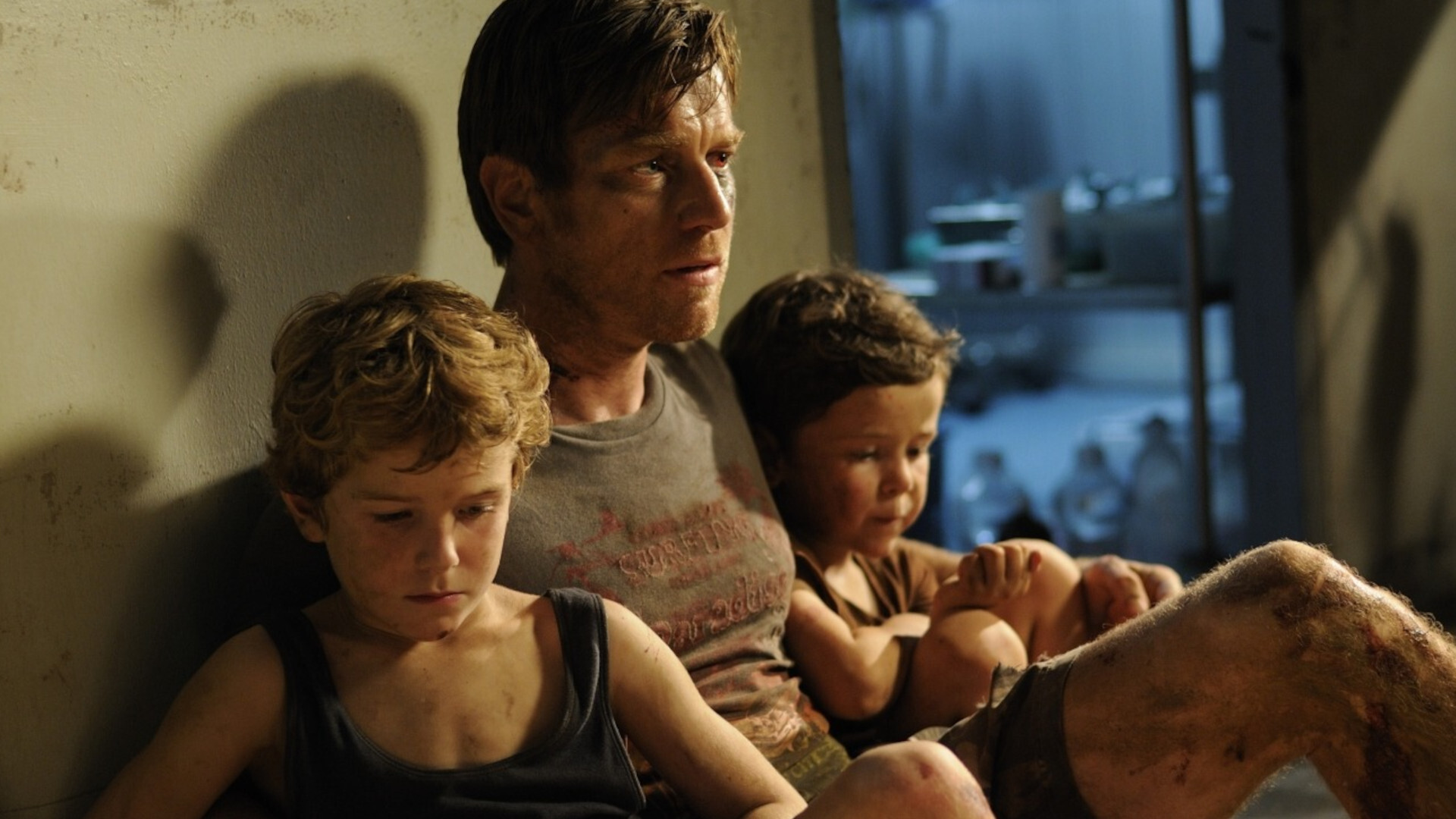
The Impossible and the Evolution of Tsunami Movies in Disaster Cinema
Juan Antonio Bayona’s 2012 film The Impossible (Lo Imposible) transformed disaster cinema by shifting the genre away from apocalyptic spectacle toward visceral, emotionally grounded realism. By depicting the devastating 2004 Indian Oce...
Juan Antonio Bayona’s 2012 film The Impossible (Lo Imposible) transformed disaster cinema by shifting the genre away from apocalyptic spectacle toward visceral, emotionally grounded realism. By depicting the devastating 2004 Indian Ocean tsunami through practical water effects and an intimate survival narrative, the film established a new technical and thematic standard for cinematic natural catastrophes.
Contents
Cinematic Context: Reimagining the Disaster Subgenre
For decades, disaster cinema relied on a predictable set of tropes: grand-scale destruction of recognizable landmarks, government officials arguing over evacuation protocols, scientist protagonists issuing ignored warnings, and hyper-stylized visual effects designed to thrill rather than confront. Films like Deep Impact (1998), The Day After Tomorrow (2004), and 2012 (2009) framed natural catastrophes as global spectacles where immense loss of life served as a backdrop for high-concept action setups.
The Impossible departed sharply from this convention. Rather than treating the 2004 Boxing Day tsunami as an end-of-the-world thriller, director J.A. Bayona and screenwriter Sergio G. Sánchez focused on the micro-level reality of physical trauma, separation, and survival.
Based on the true story of María Belón and her family at a resort in Khao Lak, Thailand, the film strips away traditional hero archetypes. There are no villains to defeat, no secret plans to uncover, and no scientific solutions to deploy. Instead, the narrative treats the tsunami not as an abstract spectacle, but as an overwhelming force of nature experienced entirely through the immediate sensory reality of its victims.
Technical Craft: Practical Water Effects vs. Digital Destruction
One of the primary achievements of The Impossible lies in its execution of water mechanics. In disaster cinema, water is notoriously difficult to simulate convincingly with computer-generated imagery (CGI). Digital fluid dynamics often struggle with light refraction, mass scale, foam consistency, and the chaotic debris field accompanying real-world flooding.
To recreate the surge of the 2004 tsunami, Bayona opted for practical effects whenever possible, partnering with special effects supervisor Félix Bergés and the visual effects studio El Ranchito.
- Practical Water Tank Setup (Ciudad de la Luz - Alicante)
- 13 Million Liters of Churning Water & Debris (Pulp, Branches)
- Digital Compositing & Matte Extensions (El Ranchito VFX)
- Multi-Layered Sound Design (Submerged Low-Frequency Audio)
The Alicante Water Tank Operations
The production spent over a month filming in the massive outdoor water tank at Ciudad de la Luz studios in Alicante, Spain. The crew moved millions of liters of water using underwater propellors and high-pressure dump tanks to simulate a violent, continuous surge rather than a single breaking wave.
- Debris Field Simulation: To match the horrific reality of the tsunami, the water was filled with real and foam debris, including tree branches, building materials, sludge, and organic pulp to replicate the murky, brown composition of an inland flood surge.
- Physical Peril: Actors Naomi Watts and Tom Holland performed extensive underwater stunt sequences inside these churning tanks. This physical interaction with real water generated genuine physical strain and disorientation that translated directly to the screen.
Digital Integration and Compositing
While practical water formed the core of the sequence, digital visual effects were used to expand the scale. El Ranchito merged live-action footage filmed in the tank with background plates shot on location in Khao Lak.
Digital artists added destruction layers—snapping palm trees, collapsing hotel bungalows, and expanding the flood zone to the horizon—without replacing the physical water surrounding the actors. This hybrid approach preserved weight, surface tension, and realistic splatter, avoiding the floaty, artificial look common in fully digital disaster movies.
Auditory Realism
Sound design plays an equally crucial role in establishing the film's immersion. Instead of relying exclusively on orchestral scores during the impact sequence, sound designers utilized low-frequency sub-bass rumbles, violent metal grinding, and underwater muffling. When characters are submerged, the audio cuts to a claustrophobic, muted thrum interrupted only by the dull thud of unseen submerged debris striking human flesh.
Narrative Realism: Deconstructing Disaster Tropes
The Impossible fundamentally altered how disaster narratives handle pacing and perspective. Standard genre entries spend significant runtime building toward the catastrophe, using suspense to tease the coming destruction. Bayona upends this structure by placing the tsunami impact near the beginning of the film.
- Traditional Disaster Narrative:
- Setup & Warning (60-70 minutes)
- Catastrophe Sequence (20 minutes)
- Resolution (20 minutes)
- 'The Impossible' Structure:
- Brief Normalcy (10 minutes)
- Sudden Impact (10 minutes)
- Post-Impact Survival & Recovery (95 minutes)
By concentrating the vast majority of the runtime on the aftermath, the film redefines what disaster cinema can achieve:
- Shift from Action to Medical Realism: The film treats physical injury with stark honesty. The narrative explicitly tracks internal bleeding, deep lacerations, infection, and surgical triage in overwhelmed regional medical facilities.
- Focus on Structural Chaos: The post-disaster environment is depicted as a maze of destroyed infrastructure, downed communications, and displaced populations. The tension stems not from a second wave, but from the agonizing difficulty of locating family members in a collapsed civil network.
- Depiction of Local Solidarity: While the central focus remains on the Bennett family, the film highlights the crucial role played by Thai first responders, rural residents, and fellow survivors who offered immediate, unprompted assistance before international aid arrived.
Comparative Breakdown: Disaster Cinema Benchmarks
To understand how The Impossible redefined the genre, it is helpful to compare its technical choices, narrative priorities, and representation of natural phenomena against other notable disaster films featuring water or seismic events.
| Film Title | Year | Primary Catastrophe | FX Methodology | Narrative Focus | Emotional Tone |
|---|---|---|---|---|---|
| The Impossible | 2012 | 2004 Indian Ocean Tsunami | Practical water tanks hybrid with CG compositing | Individual physical survival, family separation, hospital triage | Visceral, intimate, traumatic |
| 2012 | 2009 | Global crustal displacement / Megatsunamis | Pure digital CGI and green-screen environments | World-ending spectacle, global escape effort, political survival | Thrilling, sensationalist, escapist |
| Hereafter | 2010 | 2004 Indian Ocean Tsunami | Full CG wave simulation with digital doubles | Catalytic event for spiritual exploration and near-death experience | Melancholic, detached, reflective |
| The Wave (Bølgen) | 2015 | Rockslide-induced fjord tsunami | CGI water dynamics with practical set flooding | Geologic warning systems, localized evacuation race | Tense, traditional thriller pacing |
| San Andreas | 2015 | Massive seismic activity and regional tsunami | Heavy CGI, digital destruction environments | Action-hero rescue mission across collapsing urban centers | Blockbuster action, exaggerated |
Criticisms, Ethical Considerations, and Representation
Despite its technical achievements and critical acclaim, The Impossible faced meaningful discussion regarding its perspective and framing:
- Pervasive Eurocentric Focus: Critics noted that while the 2004 tsunami devastated populations across South Asia and Southeast Asia—claiming over 230,000 lives—the film centers entirely on a wealthy European family on vacation. While based on the real experiences of María Belón, this choice led to debates over how mainstream Western cinema selects whose stories to prioritize during global tragedies.
- Marginalization of Local Narratives: Thai locals are largely presented in supportive, background roles as helpers or quiet observers, rather than fully realized characters with their own losses and families to locate.
- Emotional Intensity vs. Exploitation: The graphic depiction of physical suffering raised questions about the boundary between respectful historical dramatization and visceral shock value, particularly for survivors of the actual event.
Bayona and the producers addressed these concerns by maintaining close communication with the Belón family throughout production and inviting actual survivors and rescue workers to participate as extras during scenes filmed in Thailand.
The Legacy of The Impossible in Post-2010 Cinema
The success of The Impossible signaled a shift in how studios and directors approach natural disaster projects. By demonstrating that audiences would respond to realistic human drama over stylized CGI destruction, the film influenced subsequent survival and environmental films.
Return to Practical Water Production
Following Bayona's reliance on Alicante's water infrastructure, subsequent natural disaster films shifted away from fully synthetic environments. Norwegian disaster film The Wave (2015) and survival dramas like Baltasar Kormákur’s Adrift (2018) prioritized filming in real water environments or specialized tanks to ground their actors in physical environment constraints.
Focus on Post-Disaster Logistics
Modern survival and disaster films increasingly emphasize the immediate aftermath—triage, displacement, and resource scarcity—rather than limiting the story to the moment of impact. The narrative framework established by The Impossible proved that the administrative and psychological turmoil of surviving a disaster carries equal cinematic weight as the catastrophe itself.
Frequently Asked Questions
Is The Impossible based on a true story?
Yes. The film is based on the real-life experience of María Belón, her husband Enrique (Quique) Álvarez, and their three sons (Lucas, Tomás, and Simón) during the December 26, 2004 Indian Ocean tsunami at the Orchid Beach Resort in Khao Lak, Thailand.
Where were the tsunami water scenes filmed for The Impossible?
The primary water impact and underwater sequences were filmed at the Alicante Studios (Ciudad de la Luz) in Spain using a massive outdoor water tank. Additional background plates, post-tsunami landscapes, and resort scenes were filmed on location in Khao Lak, Thailand.
How did the filmmakers create the tsunami wave sequence?
The production combined practical and digital effects. Over a month was spent filming actors in a 13-million-liter water tank outfitted with submerged propellers and debris streams. Visual effects company El Ranchito digitally extended these shots with background plates filmed in Thailand, snapping trees, and expanding floodwaters.
Why is The Impossible considered significant in disaster cinema?
The film is recognized for subverting traditional Hollywood disaster tropes. Rather than focusing on apocalyptic destruction, warning systems, or action-hero rescues, it prioritizes physical realism, medical aftermath, psychological trauma, and intimate character survival.
What awards did The Impossible receive for its special effects and performances?
Naomi Watts received Academy Award and Golden Globe nominations for Best Actress. The film won five Goya Awards in Spain, including Best Director for J.A. Bayona and Best Special Effects for the practical and digital VFX teams.
Recommendation for Viewing and Study
For film students, visual effects artists, and cinema enthusiasts analyzing disaster subgenres, The Impossible serves as an essential case study in balancing physical execution with narrative intent.
- For VFX and Stunt Analysis: Examine the seamless transitions between practical water tank photography in Alicante and digital matte extensions created by El Ranchito. Pay specific attention to how lighting consistency is preserved across real water spray and digital backgrounds.
- For Narrative Structure Study: Compare the first 20 minutes of The Impossible with standard disaster entries like 2012 or San Andreas. Note how rapidly Bayona disposes of setup to spend maximum screen time on logistical, emotional, and physical aftermath.
- For Further Viewing: Pair The Impossible with Clint Eastwood's Hereafter (2010) to compare digital vs. practical tsunami recreations, or Roar Uthaug's The Wave (2015) to evaluate how European regional cinema handles disaster pacing relative to Hollywood models.
Image Gallery