Comparing the Net Worth of Shaquille O’Neal and LeBron James
As of 2026, LeBron James possesses a significantly higher net worth than Shaquille O’Neal. While both icons have successfully transitioned from legendary NBA careers into high-level business portfolios, LeBron James has achieved "billi...
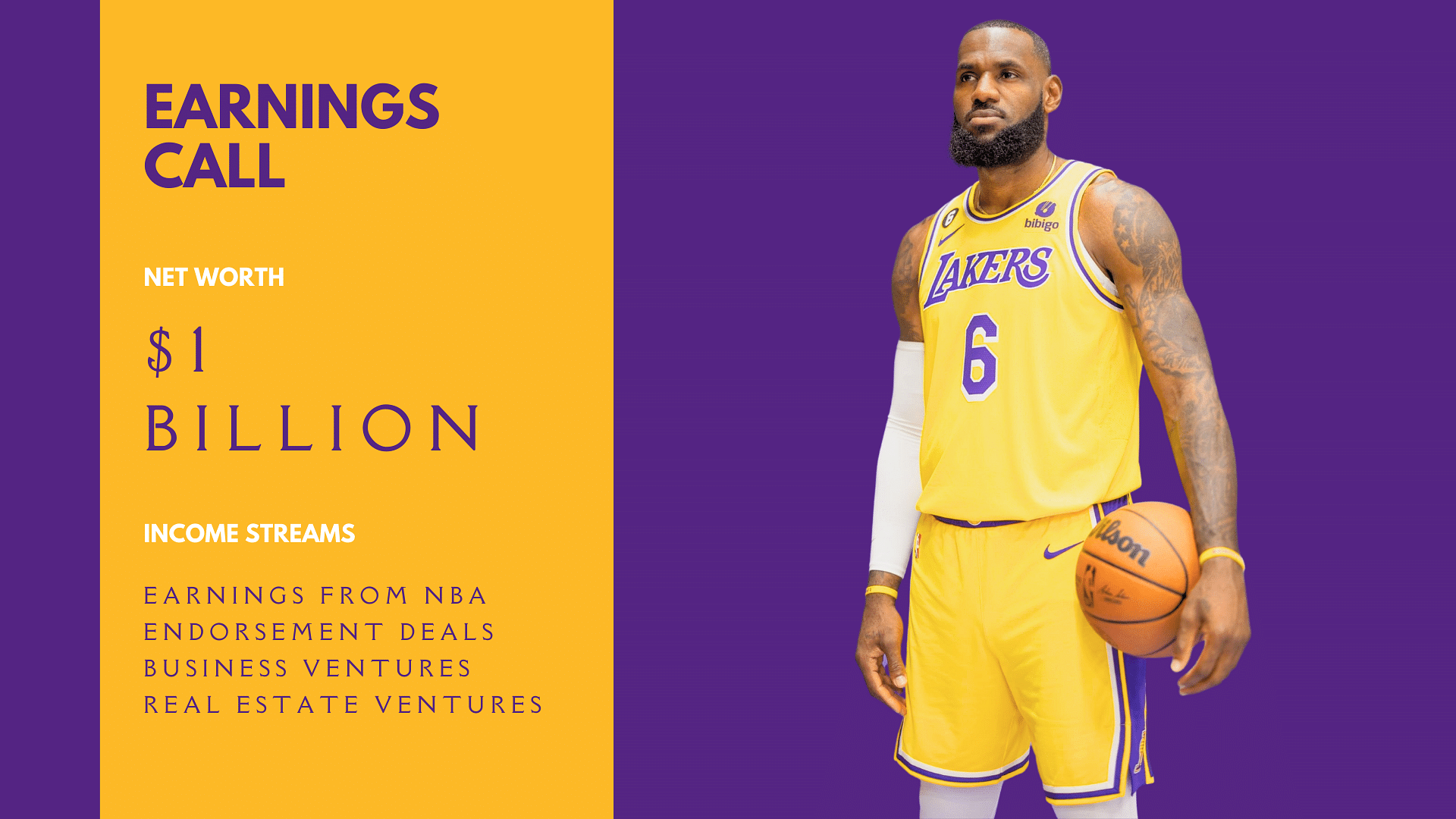
As of 2026, LeBron James possesses a significantly higher net worth than Shaquille O’Neal. While both icons have successfully transitioned from legendary NBA careers into high-level business portfolios, LeBron James has achieved "billionaire" status—a milestone reached during his active playing career—due to a combination of unprecedented long-term salary earnings, lucrative equity-based endorsement deals, and strategic investments in production, sports ownership, and consumer brands.
Contents
The Financial Evolution of Modern NBA Stars
To understand the financial disparity between Shaquille O’Neal and LeBron James, it is essential to recognize the distinct economic eras in which they operated. Shaquille O’Neal entered the NBA in 1992, an era where player salaries were substantial but lacked the explosive growth seen in the late 2010s and early 2020s. O’Neal’s career earnings totaled approximately $286 million in on-court salary.
In contrast, LeBron James began his career in 2003, right before the NBA’s salary cap experienced significant inflation driven by massive media rights deals. His career earnings have surpassed $500 million in on-court salary alone. Furthermore, the shift in how athletes manage their wealth—moving from passive product endorsements to active equity ownership—has fundamentally changed the ceiling for top-tier players. James’s business entity, SpringHill Company, and his various stakes in Fenway Sports Group represent a different tier of asset accumulation compared to the traditional, albeit highly successful, franchise-model investments favored by O’Neal.
Shaquille O’Neal: Diversification and Franchise Ownership
Shaquille O’Neal’s financial strategy has been defined by extreme diversification. After retiring from the NBA, O’Neal avoided the "lost fortune" trap that claims many retired athletes by focusing on scalable, accessible business models. His portfolio is heavy on franchising, including:
- Quick-Service Restaurants: O’Neal has been a major franchisee for brands like Five Guys, Auntie Anne’s, and Krispy Kreme.
- Car Washes and Fitness Centers: He has held significant ownership in hundreds of 24-Hour Fitness locations and car wash outlets across the United States.
- Media and Broadcasting: His long-running role on Inside the NBA provides a stable, high-income stream that distinguishes him from players who struggle with post-retirement cash flow.
O’Neal’s net worth is estimated to be in the range of $400 million to $500 million as of 2026. While this places him among the wealthiest athletes in history, it is eclipsed by the valuation of LeBron James’s business interests.
LeBron James: Equity, Production, and Venture Capital
LeBron James’s path to a net worth exceeding $1.2 billion is characterized by the "equity-first" approach. Unlike O’Neal, who largely leveraged his name for endorsement fees, James famously opted for equity in companies like Beats by Dre and Blaze Pizza. When these companies were sold or grew in value, James realized significant capital gains that far exceeded standard spokesperson salaries.
His major financial pillars include:
- SpringHill Company: A production company valued at hundreds of millions, which handles The Shop, various documentaries, and feature films.
- Fenway Sports Group: James holds a stake in the parent company of the Boston Red Sox, Liverpool FC, and the Pittsburgh Penguins.
- Endorsements: His lifetime deal with Nike ensures a perpetual revenue stream, while his investment in brands like Lobos 1707 (tequila) highlights a shift toward high-margin consumer goods.
Comparative Financial Breakdown
The following table outlines the primary differences in wealth generation between the two athletes.
| Feature | Shaquille O’Neal | LeBron James |
|---|---|---|
| Estimated Net Worth (2026) | ~$450 Million | ~$1.2+ Billion |
| Primary Wealth Driver | Franchising & Media | Equity Stakes & Ventures |
| Career Salary Status | High (Historical) | Elite (Inflation-Adjusted) |
| Investment Focus | Real Estate & QSRs | Media, Sports & Tech |
| Endorsement Model | Direct Spokesperson | Equity-Based Partnerships |
The Role of Timing and Economic Landscape
The difference in net worth is not a critique of O’Neal’s business acumen but rather a reflection of the "LeBron Effect" on athlete compensation. James arrived in the league when the digital economy allowed for direct-to-consumer branding that did not exist during O’Neal’s prime. Social media and global connectivity allowed James to leverage his persona into a global holding company, while O’Neal had to rely on more traditional bricks-and-mortar investments to build his wealth.
Additionally, the "billionaire athlete" model was effectively pioneered by players like Michael Jordan, who utilized his brand equity to secure ownership stakes in professional sports teams. James adopted this blueprint early, whereas O’Neal largely focused on being a "businessman" through franchise management rather than a "venture capitalist" through equity acquisition.
Frequently Asked Questions
Does Shaquille O’Neal have a higher net worth than LeBron James? No. As of 2026, LeBron James is significantly wealthier, with a net worth surpassing $1 billion, compared to Shaquille O’Neal’s estimated $400–$500 million.
Why is LeBron James considered a billionaire? James reached billionaire status primarily through his savvy investment strategies. By taking equity in companies rather than just cash for endorsements, his wealth grew exponentially alongside the growth of those businesses.
What is Shaquille O’Neal’s biggest source of income? While his NBA career provided the initial capital, O’Neal’s current wealth is largely derived from his media career at TNT/Warner Bros. Discovery and his extensive portfolio of franchise businesses, including restaurants and fitness centers.
Did endorsements play a role in their net worth? Yes, for both. However, the structure differed. O’Neal’s endorsements provided high-value cash flow, while James’s endorsements often included equity components that appreciated in value over time.
Are these net worth figures static? No. Net worth is an estimate based on publicly disclosed investments, salary history, and asset valuations. Fluctuations in the market value of their business holdings, such as James’s sports team stakes or O’Neal’s franchise performance, will cause these figures to change annually.
Next Steps for Investors
For individuals looking to mirror these success stories, the key takeaway is the evolution from "labor-based income" to "asset-based income." Both athletes demonstrated that professional sports should be viewed as a launchpad rather than the terminal career. If you are exploring wealth building, the priority is to move beyond trading time for money and toward acquiring equity in scalable businesses. Consult with a qualified financial advisor to understand how equity-based compensation and diversified asset allocation can impact long-term net worth.
Image Gallery